Hepper is reader-supported. When you buy via links on our site, we may earn an affiliate commission at no cost to you. Learn more.
Do Cat Whiskers Grow Back? Vet Reviewed Facts & FAQ


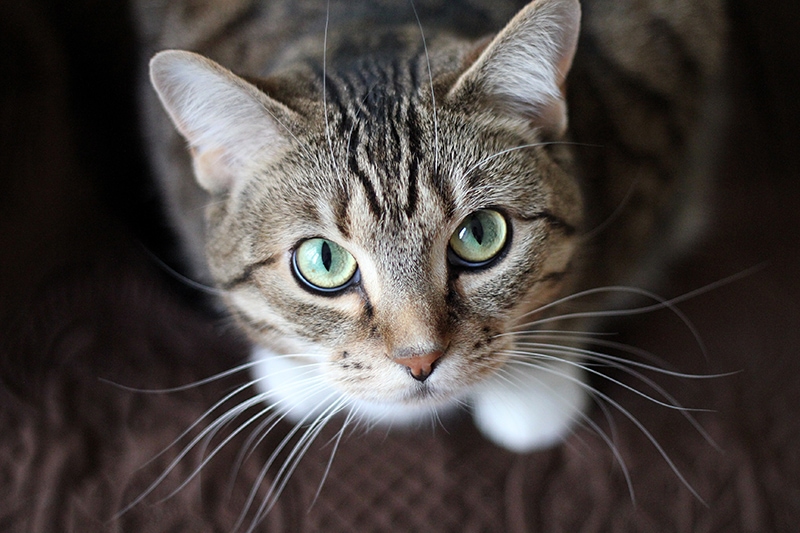
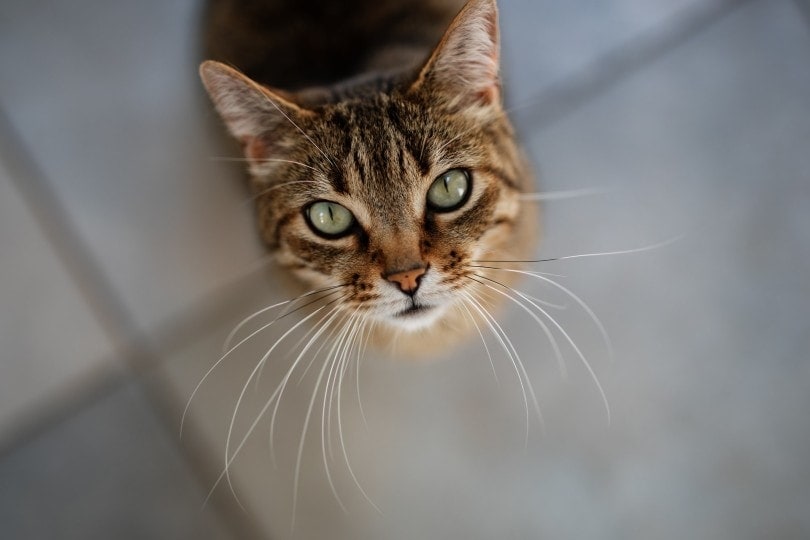
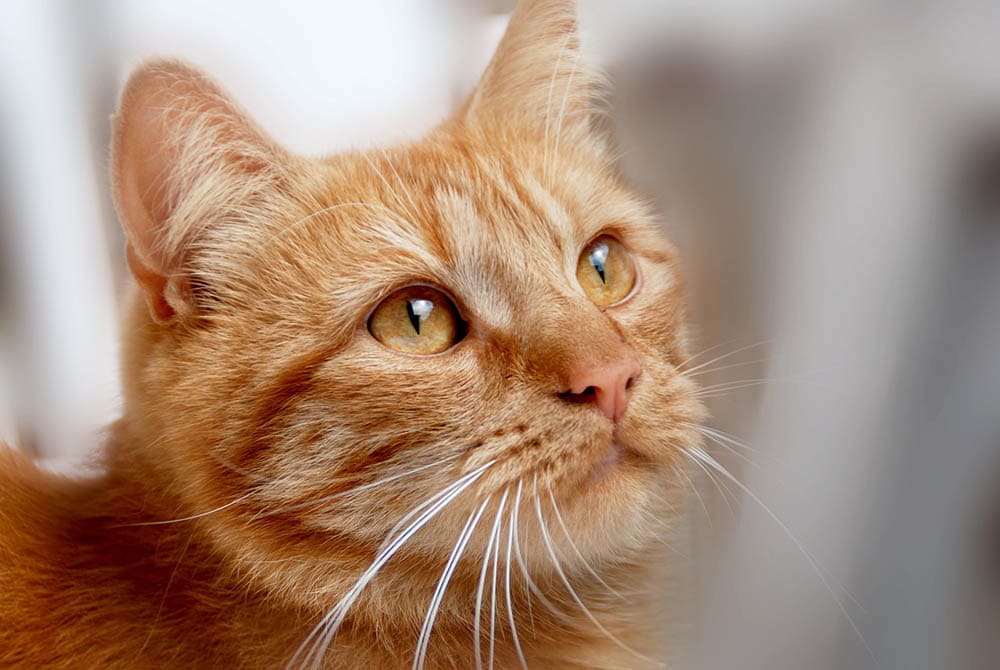
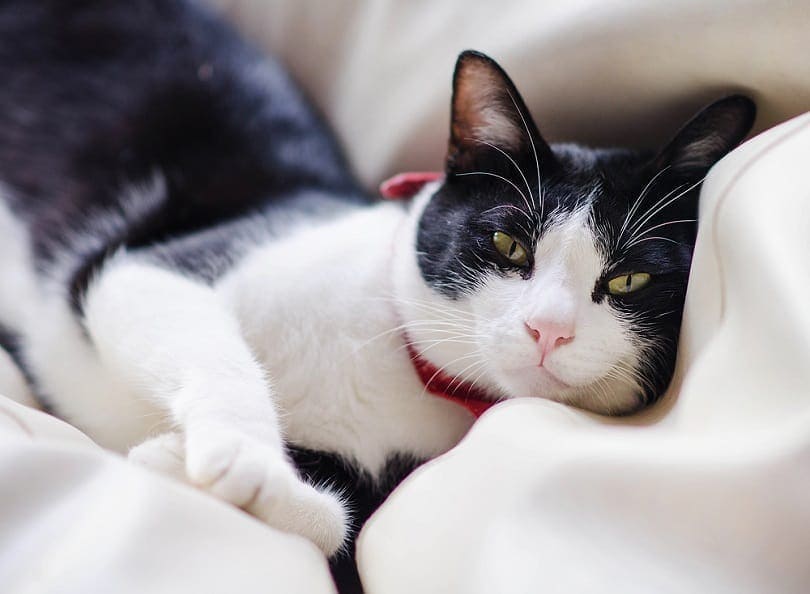
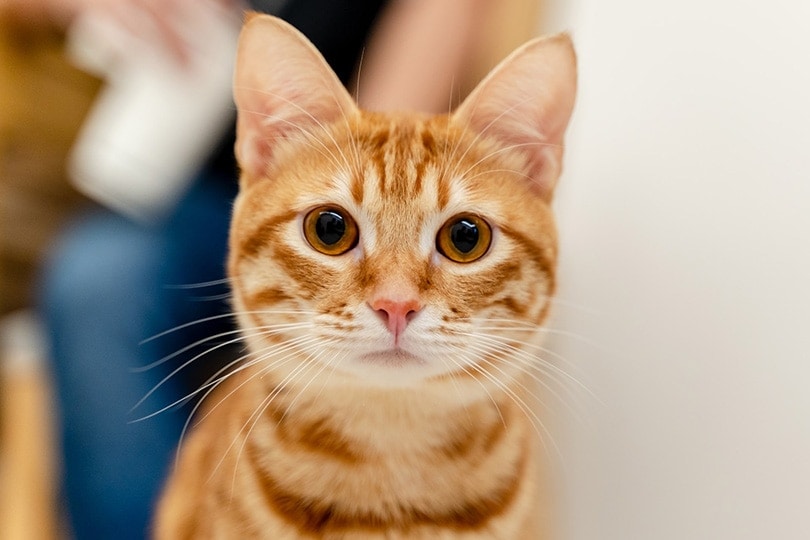
We love our cats' whiskers, so it can be a bit upsetting if one falls off. Can they grow back? Fortunately, just like normal hair, a cat's whiskers can grow back if they are naturally shed off and the hair follicles do not suffer any damage.
In this article, we will discuss whether whiskers can grow back after being trimmed or plucked and what causes whisker loss in cats. We will also highlight the importance of whiskers to a cat.

Do Whiskers Grow Back? How Long Will It Take?
Cat whiskers will only grow back provided the hair follicles underneath the skin are not damaged. Usually, a full set of whiskers will grow back in at least 3 months, but this could be longer for aging felines.
Nevertheless, some cat species can take just 6 weeks to grow a new set of whiskers. This is because the growth of whiskers is affected by different factors, including breeds, diets, and even health implications. This is why sick cats cannot regrow their whiskers until their underlying medical conditions are sorted.

What Causes Whisker Loss in Cats?
If you notice your cat missing some whiskers, do not be alarmed. Cats naturally shed off old whiskers to pave the way for healthier and stronger ones. However, if your cat is missing many of their whiskers at once, it might be time to visit a vet to find out exactly what is going on.
Besides naturally shedding them, below are some possible reasons why your cat may be missing some whiskers and how you can remedy the situation.
Cat Fights
Catfights can be very brutal and sordid, especially during the mating season. These brawls are most often witnessed in tom cats. When fighting, one cat may scratch another’s face, possibly forcing whiskers to fall off.
Fortunately, you can use deterrents to keep stray cats from lurking in your compound and harming your cat. You could also keep your cat indoors, especially at night, to prevent cat brawls.
Health Conditions
Skin infections, dermatitis, and allergies can all cause discomfort and excessive scratching, which can eventually result in your cat losing their whiskers. If you have noticed that the skin around your cat's rostrum looks red, swollen, or irritated, if you can see or feel a small lump under the skin, or if you have noticed that your cat is constantly scratching themselves, err on the side of caution, and take your cat to the veterinarian for an examination.
Fortunately, your local vet can diagnose the cause and recommend a treatment. It might not be easy to notice a health issue in a cat (they are very good at hiding their ailments), but keep a close eye on your cat's behavior to check for any signs of discomfort.

Why You Shouldn’t Cut a Cat’s Whiskers
Some cat breeds, like the Devon Rex, have such long and curly whiskers that it makes many people tempted to trim them so that they don’t appear long and unruly.
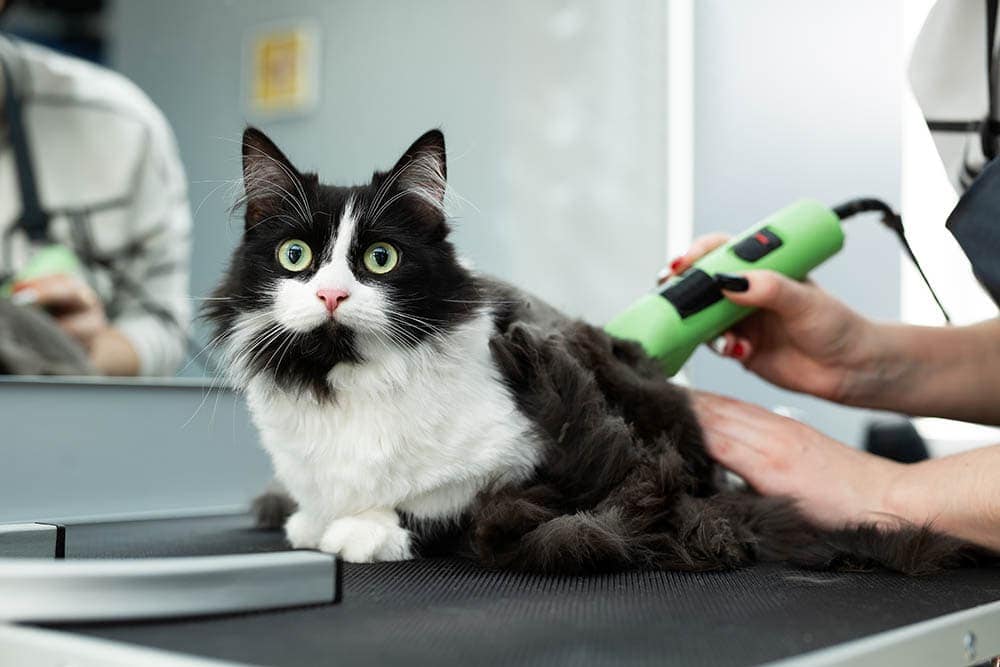
However, even though cat whiskers may grow back, you should not attempt to pluck or trim them in any way. Clipping them will only distress them and affect their general well-being.
Here are valid reasons why you shouldn’t attempt to cut your cat's whiskers.
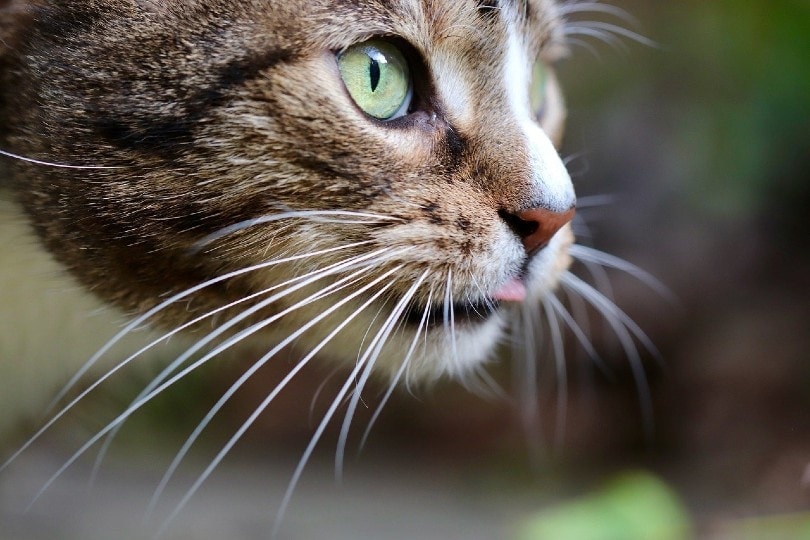
Cat whiskers are basically sensory organs known as vibrissae.
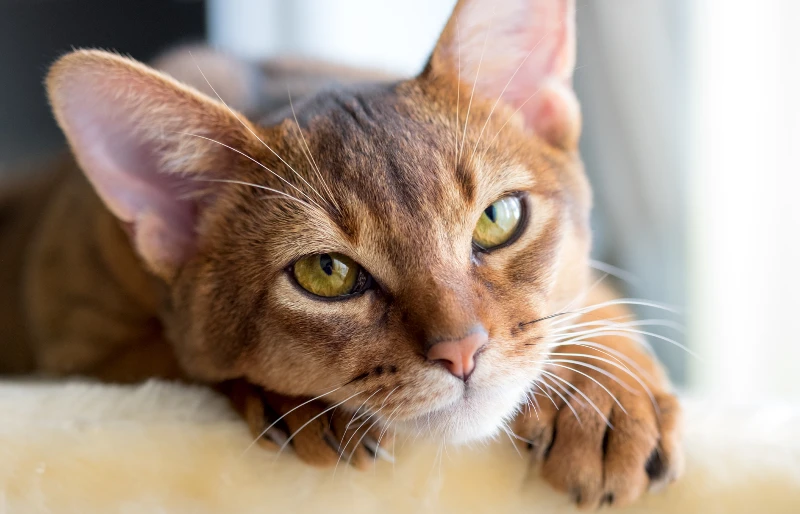
Cats have approximately 24 whiskers on the upper lip, six whiskers on their “eyebrows,” and a few whiskers on the chin. They also have whiskers on the back side of their wrists, called “carpal whiskers.” All these whiskers, or vibrissae, help supplement a cat's eyesight, especially in low-light conditions.
These stiff hairs have roots deeply ingrained into the cat's skin to function as touch receptors. They are embedded with nerve receptors to help detect any changes in their immediate environment.
Without functional whiskers, a cat may not be able to make sense of their surroundings, which limits their alertness to potentially dangerous situations. Thus, plucking or trimming a cat's whisker is akin to putting a blindfold on a human.
2. Whiskers Help Cats Position Their Prey
Cats have difficulty focusing on objects that are very close to them. When their quarry or an object is up close, a cat cannot see it as clearly as other animals would. Therefore, they need some way of helping them determine whether their prey is in the crosshairs for a fatal bite. This is where whiskers come in.
The sensitive tactile hairs allow a cat to ascertain the size and precise location of their prey. While in hunting mode, the whiskers spread out to cover a larger area to get more accurate details of their prey. This includes its location and any slight movement.
So, if the whiskers are plucked, a cat will not be able to make a successful hunt or even crawl into tight spaces.
3. Whiskers Indicate a Cat’s Temperament
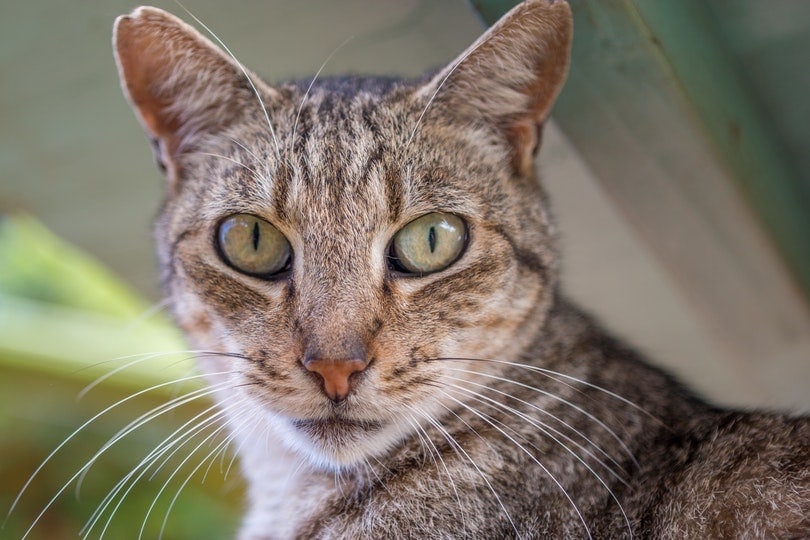
You can use a cat's whisker as a barometer to help you gauge their current mood. When cats are in a calm and resting state, their whiskers tend to be relaxed. They also stick out from the sides. However, when a cat is startled or scared, their whiskers usually lie flat on their face.
Furthermore, when a cat notices prey, such as a mouse or bird, the whiskers point forward. This also happens when you are playing with your cat using toy prey.
4. Plucking Whiskers Is a Very Painful Process
As mentioned earlier, cats' whiskers are rooted deep into their skin, even deeper than their fur. Whiskers are very sensitive because of the abundance of nerves and blood vessels interconnected to their roots. Therefore, plucking a cat's whisker will be a very painful affair for your cat.

Conclusion
Whiskers are vital features in a cat because they help them with navigation. But sometimes, the cat may naturally shed or lose them in cat fights in the mating season. Fortunately, they usually grow back after being plucked, trimmed, or damaged. However, trimming or plucking them is discouraged.
Nevertheless, if your cat loses all their whiskers at once, schedule an appointment with your local vet because it could be a sign of an underlying medical condition.
Featured Image Credit By: Jumpstory
Get Hepper In Your Inbox


Pet care tips from our vets and experts, straight to your inbox.
You may opt-out at any time. View our Privacy Policy for more information.
Nicole is a lover of animals of all sizes but is especially fascinated with the feline variety. She’s the proud mom of Baby, a Burmese, and works every day so he can relax in the sunshine or by the fire. She’s always had a cat in her home and has spent countless days with others, observing behaviors and softening up even the grouchiest of the lot. Nicole wants to share her kitty expertise with you so you and your cat can live happy, healthy, and care-free.
Join the conversation
Ask a question, share your story, or send private feedback.