Hepper is reader-supported. When you buy via links on our site, we may earn an affiliate commission at no cost to you. Learn more.
Do All Cats Have Whiskers? 4 Vet-Reviewed Main Functions



In this article
Just like us, felines are mammals, and, for the most part, their bodies are completely covered in hair. A cat just doesn't look like a cat without one of its most distinctive features: its whiskers. This part of a cat is crucial for their spatial surroundings and how they understand the environment. Without them, cats have a more challenging time living a normal life. So, are there any cat breeds out there without whiskers? Some hairless cat breeds do not have any whiskers, but all other cats do have them.

Do All Cats Have Whiskers?
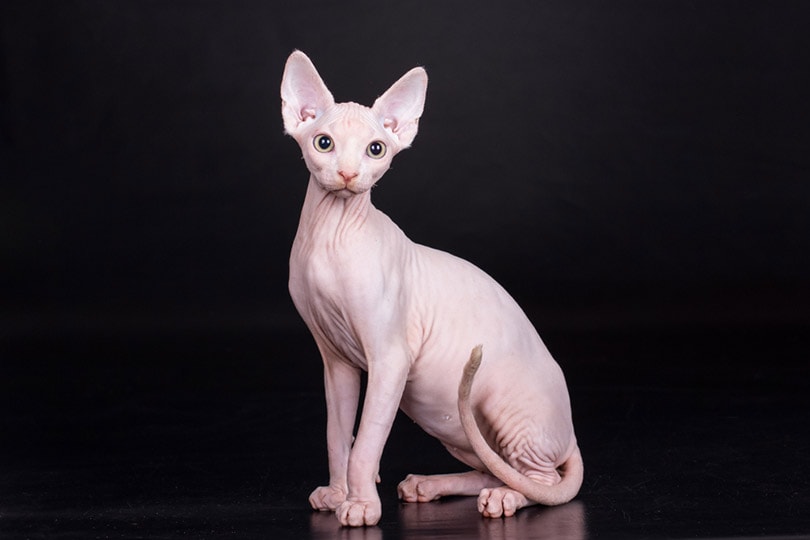
Only some of the cat breeds that do not have a fur coat, whiskers, or eyelashes, such as the Sphynx. This breed is completely hairless, with visible pigmentation on its head and legs. This feature creates many disadvantages, hair, and whiskers play such a crucial role in understanding their surrounding environment that some countries have even pushed to ban the breeding of hairless cats.
What Are Whiskers?
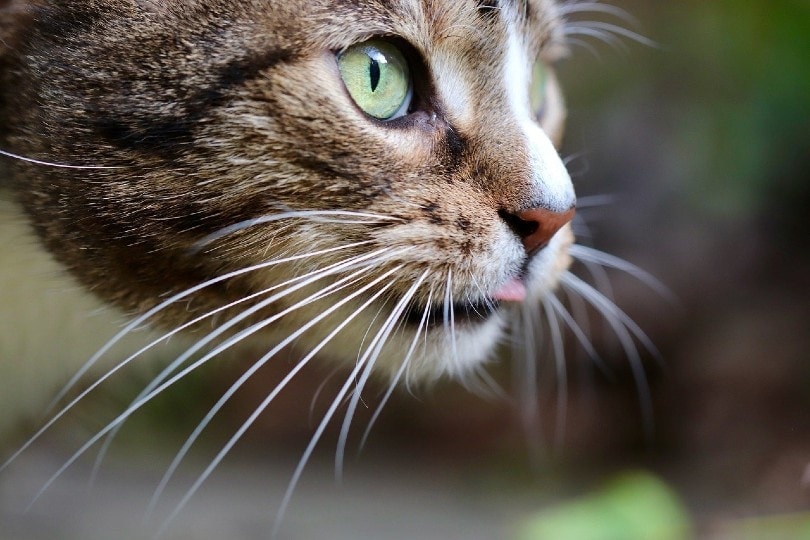
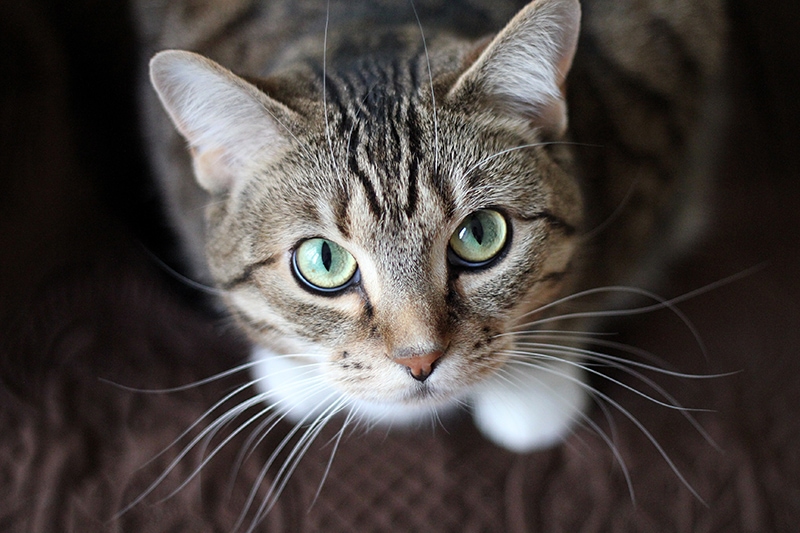
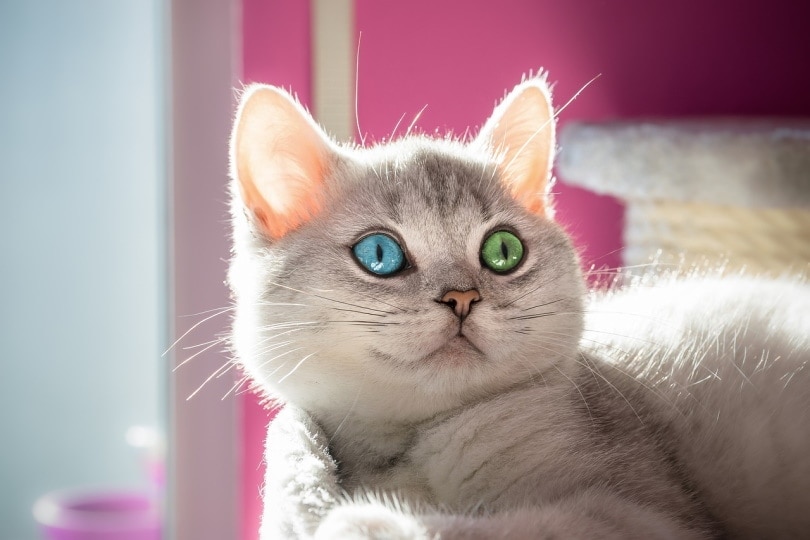
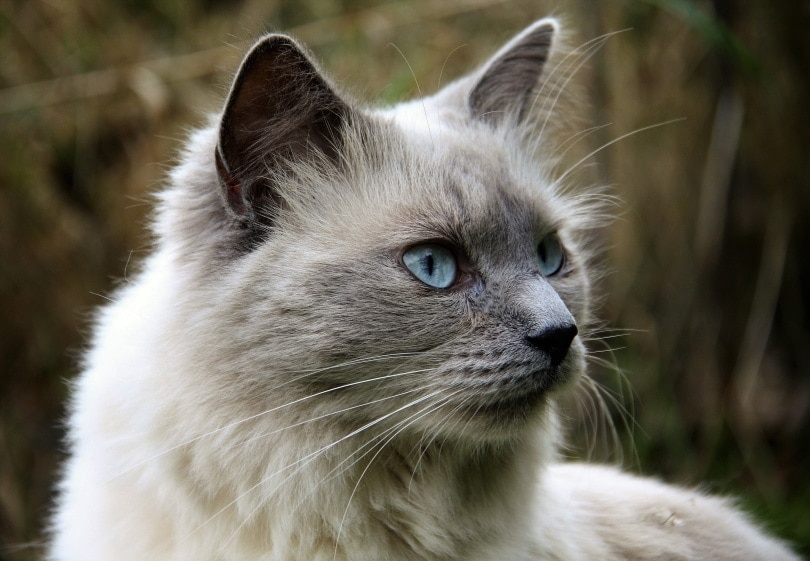
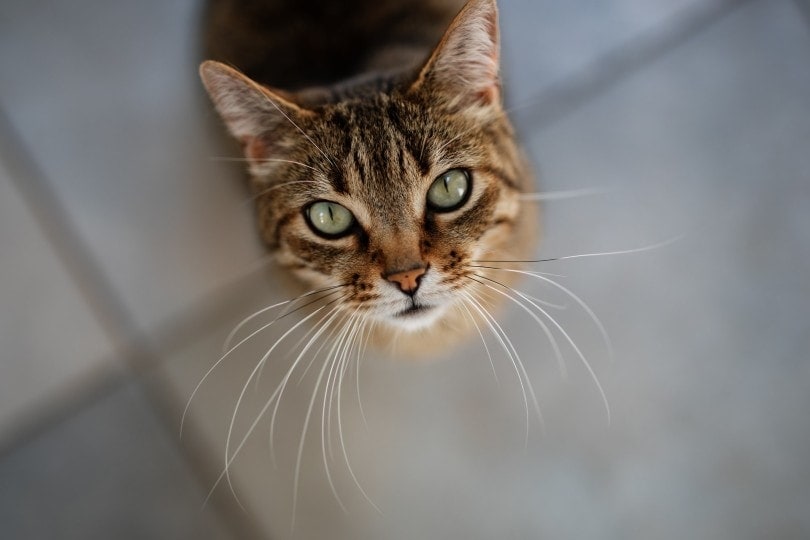
Whiskers may come out of the skin the same way other hair on a cat's body does, but there is something different about them. Whiskers are much thicker and coarser than their fur coat. There are some located on the upper lip, above the eyes, on the chin and they even have some on the forelegs. They even have an almost exact pattern with 12 whiskers arranged in four rows on each of their cheeks three over each of the eyes, and some shorter ones on their chin.
Whiskers are much more sensitive than other hairs on the cat's body. The follicles are packed with nerves and blood vessels, and some say that they are more sensitive than a human's fingertips. Think of the whiskers of a cat as a way for your pet to feel the world around them.
The Purpose of Whiskers
Whiskers are a whole lot more than a cute way to accentuate your cat's face. These hairs serve many important functions that affect the way that your cat senses the world and experiences things. They can aid with vision and provide all sorts of sensory input to them.
It isn't the whisker itself that is feeling the world around them. Instead, it is the way the hair vibrates and becomes stimulated. Whether it is from the wind or force, whiskers send messages to your cat to help them decide how they want to proceed.
The 4 Main Functions of a Cat's Whiskers
1. Whiskers Help With Balance
Sensory organs called proprioceptors are located at the end of each whisker. These organs send signals to the cat's brain about the position of its body and limbs. In other words, it keeps your pets aware of what their bodies are doing and is part of the reason why a cat can almost always land on its feet.
2. Visual Improvements
Cats already have an excellent sense of hearing and smell. However, their vision doesn't compare to their other senses. Cats don't always see things clearly when they are up close to them. The whiskers on their face help them visualize things that are right under their noses or in their path. For example, their whiskers get pushed back against their face when climbing through a small hole. These hairs can also alert them of vibrations caused by nearby predators or other forms of danger. For housecats, their whiskers help them detect their favorite toys at night or their food bowls during dinner time.
3. Communicating Emotions
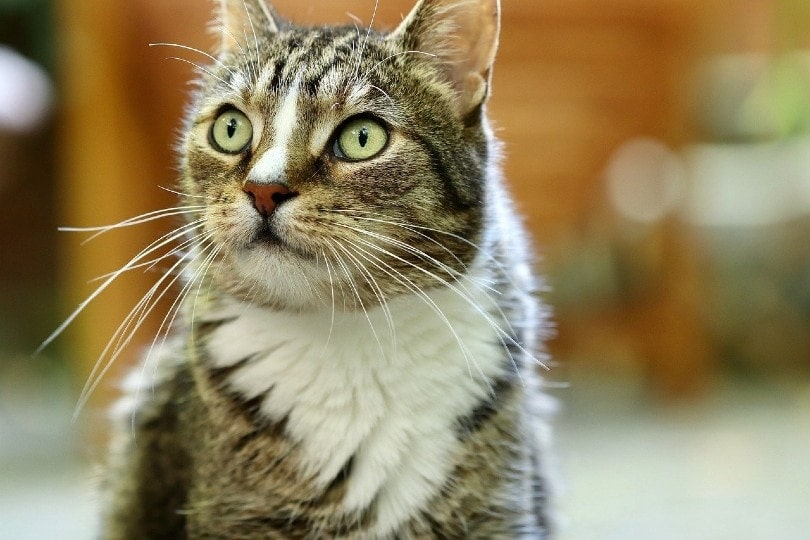
You can understand what a cat is communicating with you if you pay attention to their whiskers. Relaxed cats give these hairs a chance to take a break. But when they are more active and alert, their whiskers might stand up as high as their eyes. Threatened cats may pull their whickers taught to make them flare forward and look like a threat.
4. Protection
Whiskers can sense when even the smallest particles are touching them. Think of all the things that they come in contact with when your cat is walking through the grass outside or rubbing against items in your house. Whiskers are constantly informing cats of the world around them.

Can You Trim Whiskers?
While cutting your cat's whiskers wouldn't hurt them, and they would technically grow back, you should never intentionally cut them from your cat's face. You should especially try to stay away from the follicle because this area is sensitive to pain.
Cutting off a cat's whiskers could have some severe effects. Some cats experience dizziness, fear, and disorientation because they completely lose their sense of direction.
You may find a stray whisker from time to time. It's normal for whiskers to fall out every once in a while. Still, intentionally removing them is not something you should do if you care about them.

Final Thoughts
Whiskers are extremely important to a cat's ability to function. They allow your fur babies to feel the world around them and make decisions about the moves that they want to make. Because they are so important to cats, we need to do everything in our power to protect them. Always be gentle when petting your cat's whiskers. Move with the grain and refrain from pulling on them. These hairs are there for a reason. They're not only adorable, but they are necessary for a normal life.
Featured Image By: Naturell, Pixabay
Get Hepper In Your Inbox


Pet care tips from our vets and experts, straight to your inbox.
You may opt-out at any time. View our Privacy Policy for more information.
Hallie has been a proud nature and animal enthusiast since she was a little girl. She attributes her passion for the environment and all its creatures to her childhood when she was showing horses on weekends and spending her weeknights devoting her attention to her pets. Hallie is happiest when she is playing with her two rescue cats, Chewbacca and Lena, and her dog, Clayton. When Hallie isn’t writing about animals, you can probably find her curled up on the couch read a good books or watching a documentary.
Join the conversation
Ask a question, share your story, or send private feedback.