Hepper is reader-supported. When you buy via links on our site, we may earn an affiliate commission at no cost to you. Learn more.
Why Are My Cat’s Whiskers Breaking? 5 Vet-Verified Reasons


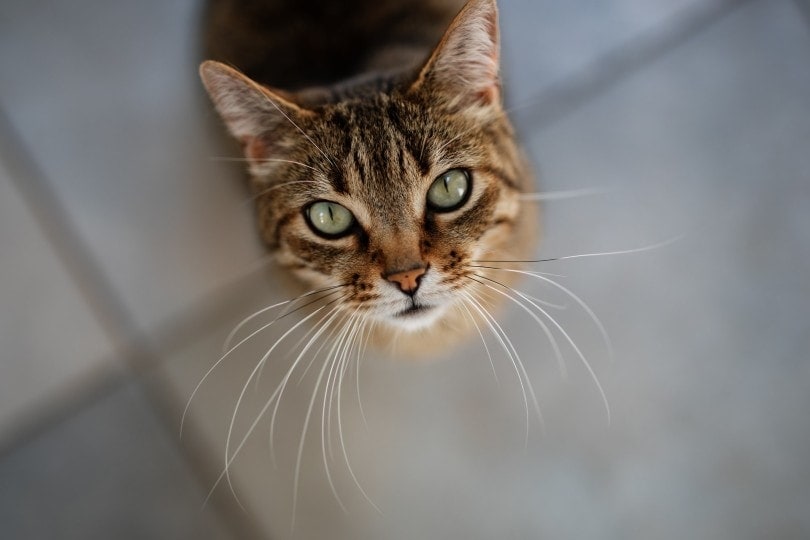
Worrying about your cat is natural, especially when you notice something new, like broken whiskers. Of course, you expect to see the odd whisker that’s fallen out since it’s part of your cat’s natural hair growth cycle. There are a few reasons why your cat’s whiskers might be breaking though, and some are more serious than others.
Sometimes, it’s a case of just waiting for the whisker to grow back, and other times, it will require a trip to the veterinarian. So, let’s look at this problem and what you should do about it.

The 5 Reasons Your Cats Whiskers May Break
1. Rough Play
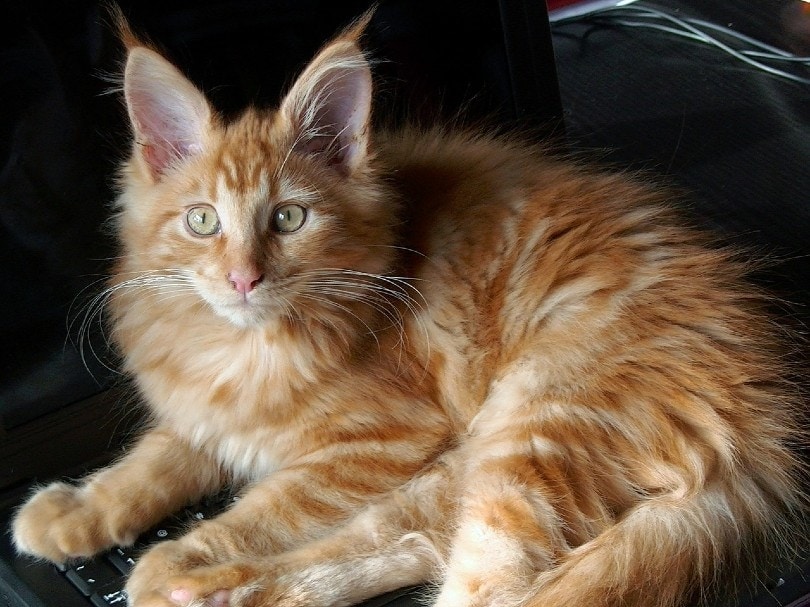
Whiskers can be broken through rough play, and it’s generally common in younger or particularly energetic cats. Younger cats are usually a little clumsier than their older peers, and they explore their surroundings more.
We don't always know what our cats get up to, but as long as they aren’t showing signs like aggressiveness, lethargy, or loss of appetite, there’s probably an innocent explanation for their broken whiskers.

2. Trauma or Injury
Much like rough play, a trauma or injury will cause whisker breakage. This could be a blow to the face or a fall. In time, the whisker will fall out, and a new one will take its place. If you suspect your cat has injured themselves, it is worth taking them to the vet just to make sure it’s only their whiskers they’ve hurt.
3. Weak Whiskers
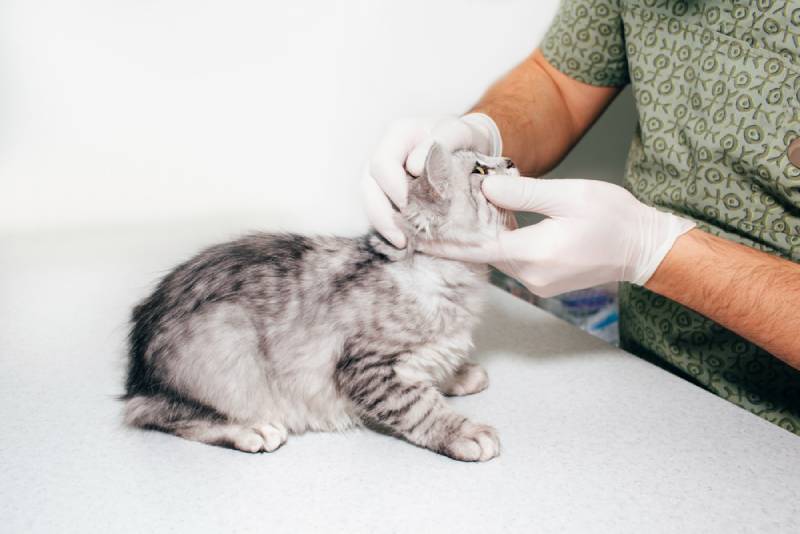
The whiskers are sometimes weak and more prone to breakage. Nutritional deficiencies will lead to a poor hair coat, including poor whisker quality. Illnesses and anxiety also have an effect on how hair grows and may cause whiskers that are easily breakable. If all your cat’s whiskers are brittle, book an appointment with your vet to get to the bottom of it.
4. Chewed Off
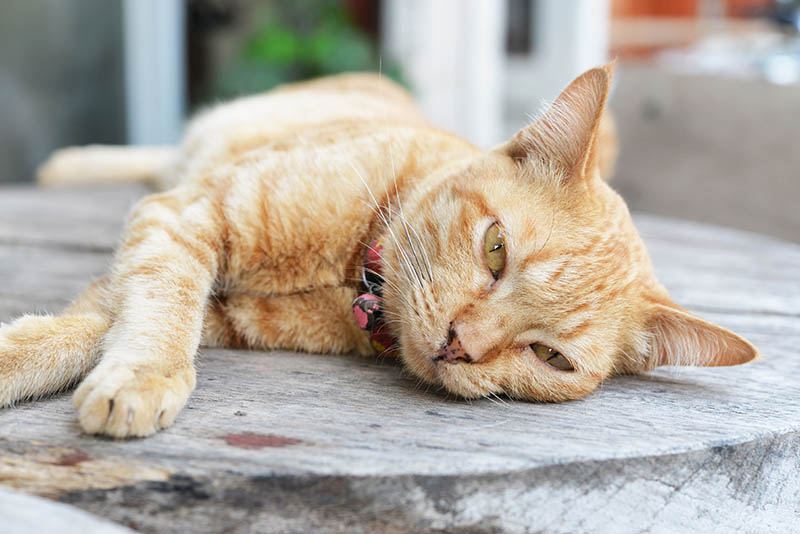
Kittens living with their mother and littermates might have chewed-up whiskers. One reason they are thought to do this is as a show of dominance, or perhaps it is to reduce their environmental awareness and keep them close to the nest. This behavior is not common among adult cats. Any young kids living in the house may be a more likely culprit of snipping the whiskers off your cat!
5. Skin Disease
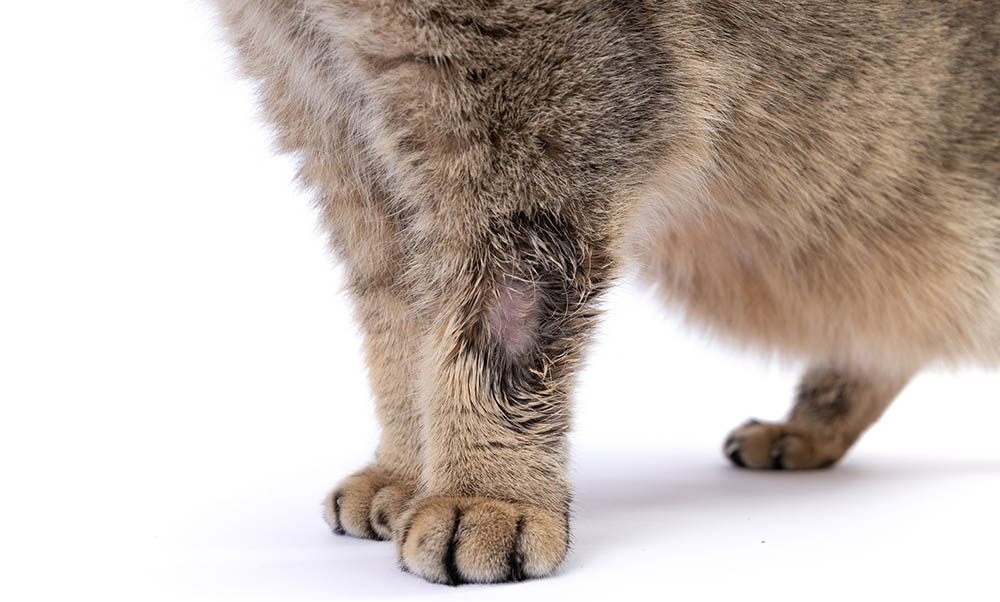
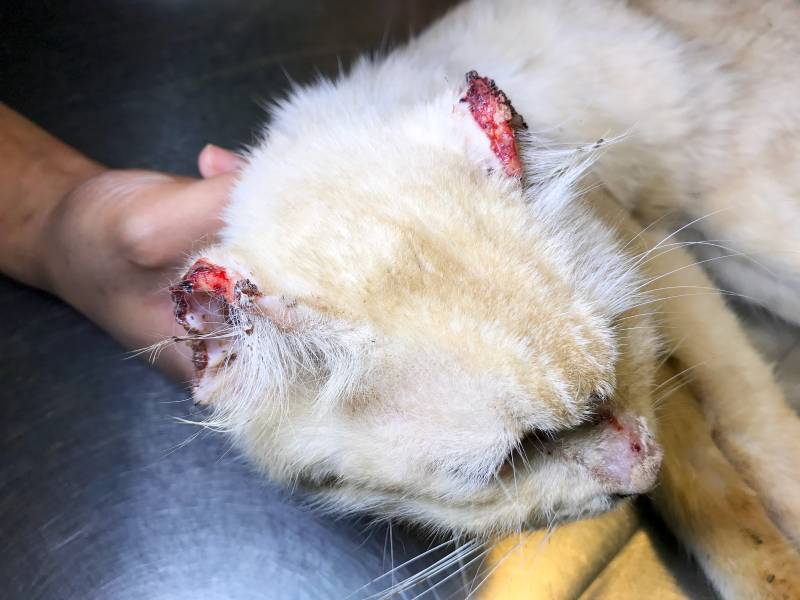
Skin infections caused by fungi or bacteria can result in whisker loss. For example, ringworm can cause crusty skin and lost or broken hair patches. In addition cats with ance, mites or allergies may be very itchy around the face causing them to scratch or rub away the hair.
Cats are good at hiding when they’re unwell, so sometimes it’s up to you to look out for signs that they’re sick. Signs of skin and hair related disease in cats include:
- Red or crusty skin
- Discharge from the nose or eyes
- Weight loss
- Hair loss
- Change in appetite
- Excessive scratching or licking
- Lethargy
- Anxiety
Frequently Asked Questions
What Are Whiskers?
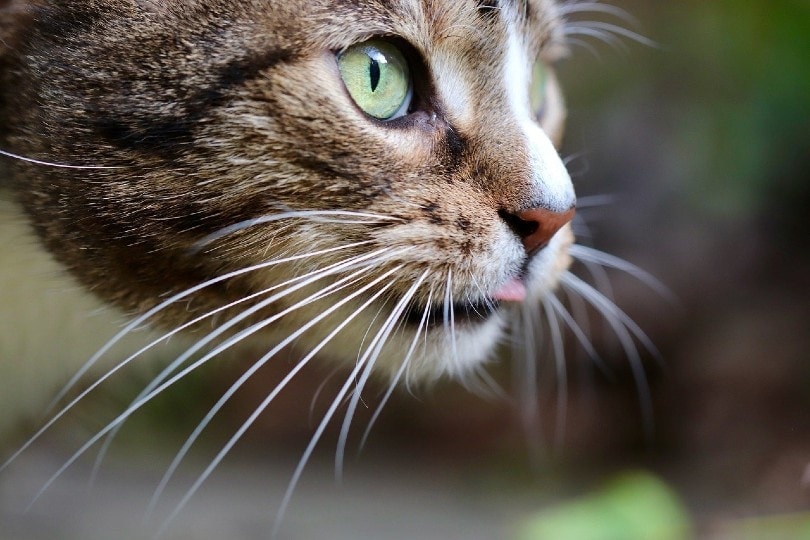
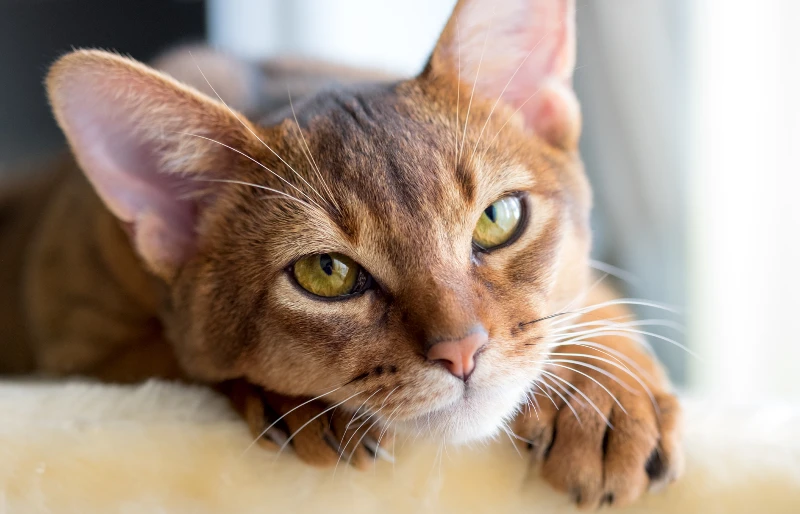
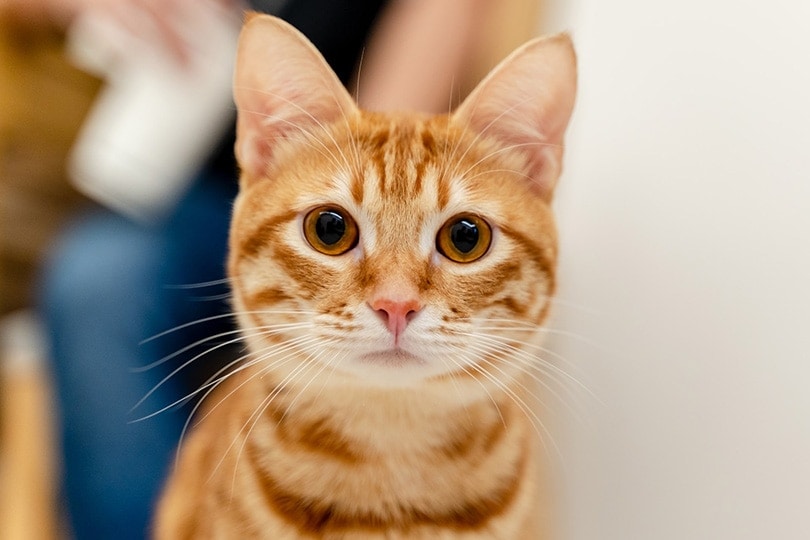
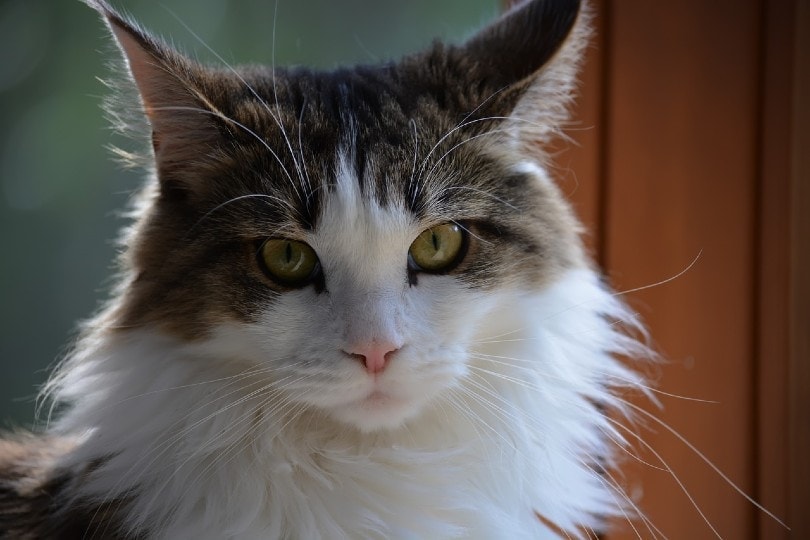
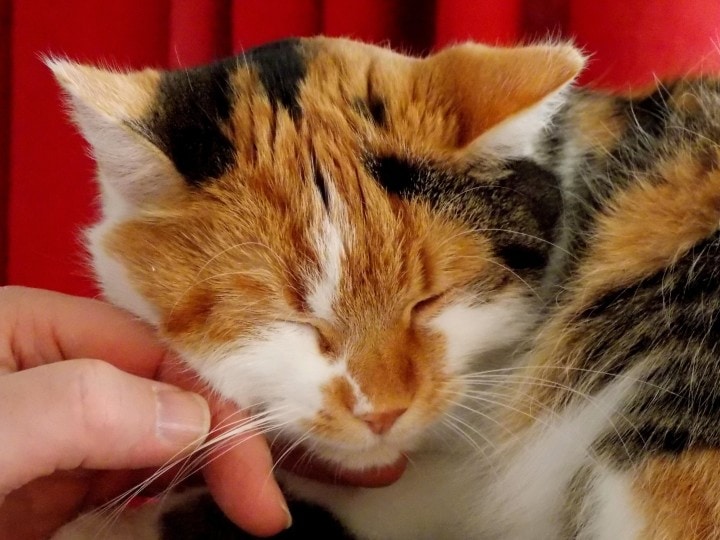
Whiskers are thicker and coarser than a cat’s regular hair, and their roots are three times deeper. All cats are different, but most have 24 in total, and they’re sorted into four rows on each cheek. Whiskers are incredibly sensitive because of the nerves and blood vessels packed in the follicles. They are essentially like our fingertips, so while we touch the world around us with our hands, cats use their face.
However, as they are a completely different species they probably don't feel things the same way we do. When they detect movement or objects, they transmit information to sensory cells. The whisker then transmits information using changes in the air currents about a nearby object's speed, shape, and size, which helps a cat navigate the world around them.
What Are Whiskers For?
Whiskers serve several vital functions to guide a cat through their day. They aid with a cat’s perception so they can navigate the world. So, let’s examine all the ways they do this.
Visual Aid and Navigation
Whiskers help cats “see” things that are close; when a cat moves, they stir the air currents that bounce back when they make contact with something solid. Whiskers can detect the faintest vibrations the air current changes cause.
Balance
Sensory nerves known as proprioceptors are found at the start of a cat’s whiskers and send messages to the brain, regarding their position relative to the body and the world. Proprioceptors around the body mean the brain subconsciously knows exactly what every limb and body part is up to at any given moment.
Communication
Whiskers can communicate how a cat feels; when a cat is content and relaxed, the whiskers will be too. Whiskers above the eyes indicate a cat feels curious or happy, and if threatened they will direct their whiskers forward towards a threat. When a cat is in pain their whiskers are pulled taut in an expression called a “grimace”.
Does it Hurt Your Cat if Whiskers Are Broken?
Like cutting a human’s hair, it doesn’t hurt your cat if a whisker breaks. Since you now know how important whiskers are, you’ve probably already guessed that damaged whiskers can inadvertently decrease their spatial awareness.
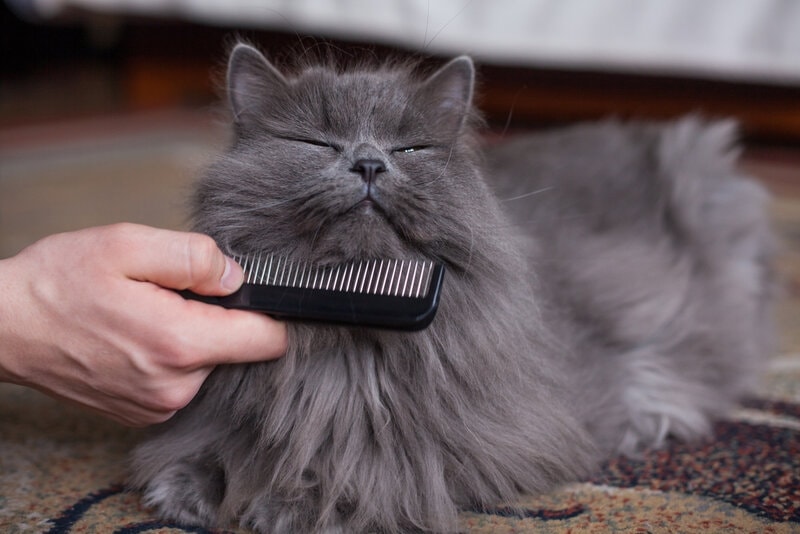
Whiskers need protection, which means finding out why they’re broken if you notice they are. And be careful if you’re touching your cat’s face. Never pluck, cut or pull the whiskers. When grooming your cat, avoid their whiskers. You can also buy water and food dishes with a flat design so your cat’s whiskers don't touch the sides; some cats seem to prefer this type of dish.
Conclusion
Whiskers are incredibly important, so pay close attention if you notice something unusual going on with them. It might be that your cat has been playing a little rougher than normal, in which case the whisker will eventually fall out, and a new, undamaged whisker will grow in its place. However, broken whiskers can also be a sign of problems. If you are worried about your cat, contacting your vet for advice is always best.
Sources
Featured Image Credit: NON, Unsplash
Get Hepper In Your Inbox


Pet care tips from our vets and experts, straight to your inbox.
You may opt-out at any time. View our Privacy Policy for more information.
Kerry-Ann lives in Scotland and wishes her garden was bigger so she could have her very own Highland cow. But her dogs probably wouldn’t like that very much. She has a La Chon called Harry who was poorly with a liver shunt when he was a puppy. It wasn't likely he would make it into adulthood, which was difficult, but he beat the odds and is a healthy old man now. She also has a Pug called Maddie who is a big foodie. She’s small, sassy, and every day she finds a new way to mess with her brother.
When she isn’t writing you can find Kerry-Ann going for long walks when the weather isn't bad, reading, or watching cartoons when she should be tidying her house. She would one day like to be a tourist in her own country and travel through the Highlands with her family.
Join the conversation
Ask a question, share your story, or send private feedback.