Hepper is reader-supported. When you buy via links on our site, we may earn an affiliate commission at no cost to you. Learn more.
Do All Cats Have Eyebrows? Vet-Verified Feline Anatomy Facts


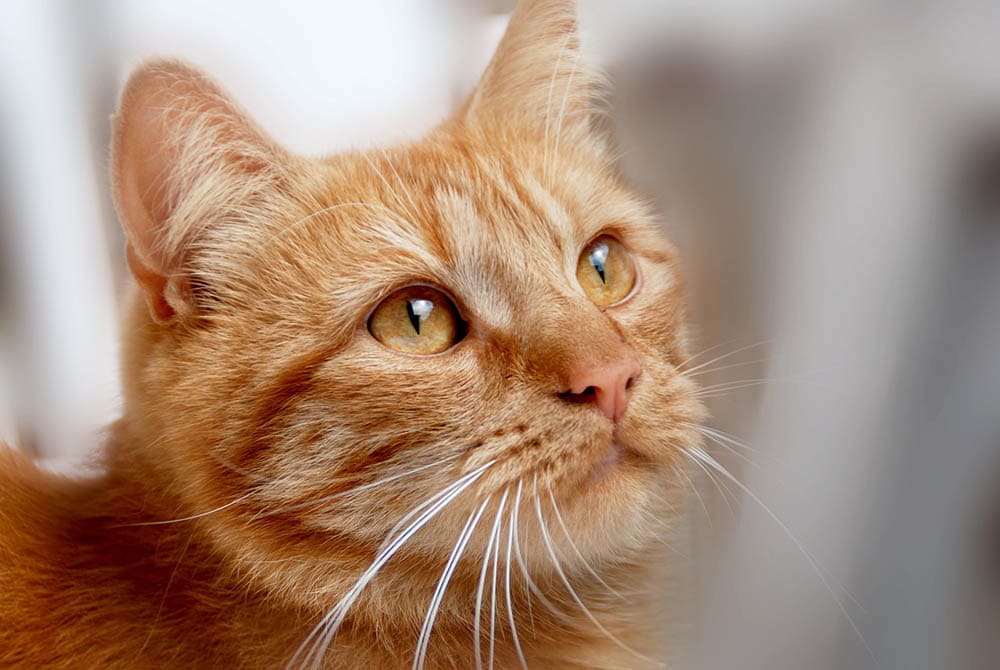
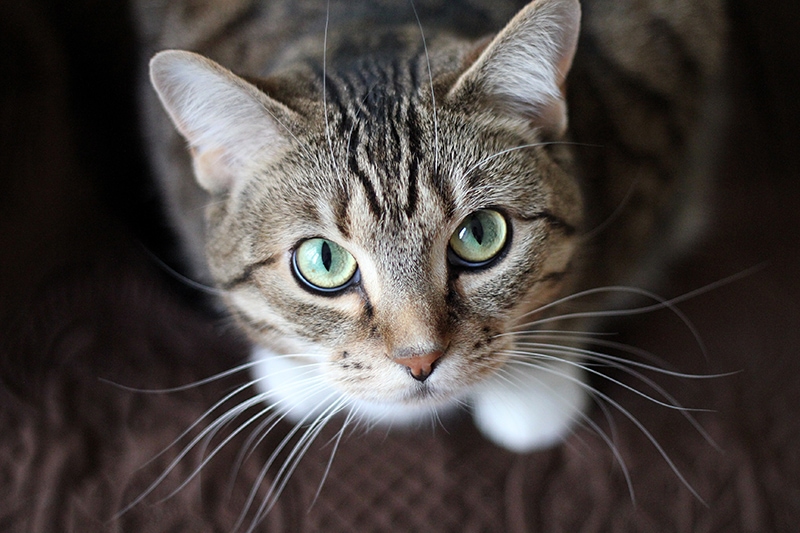
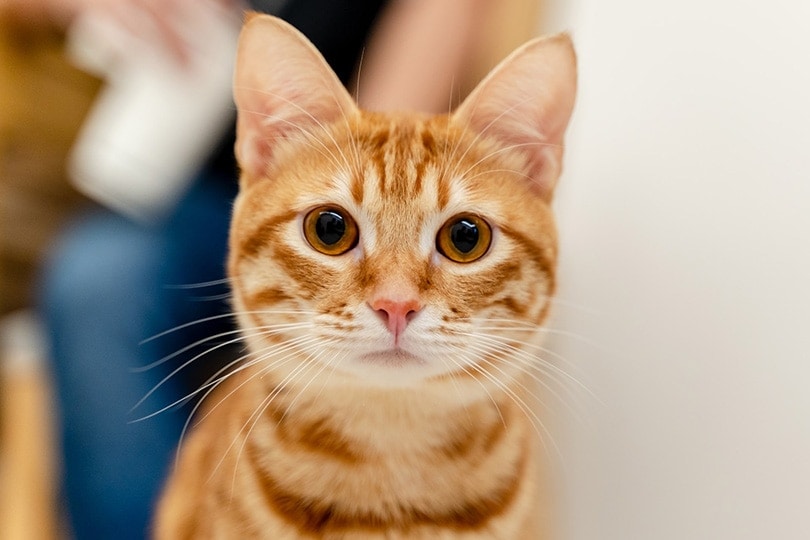
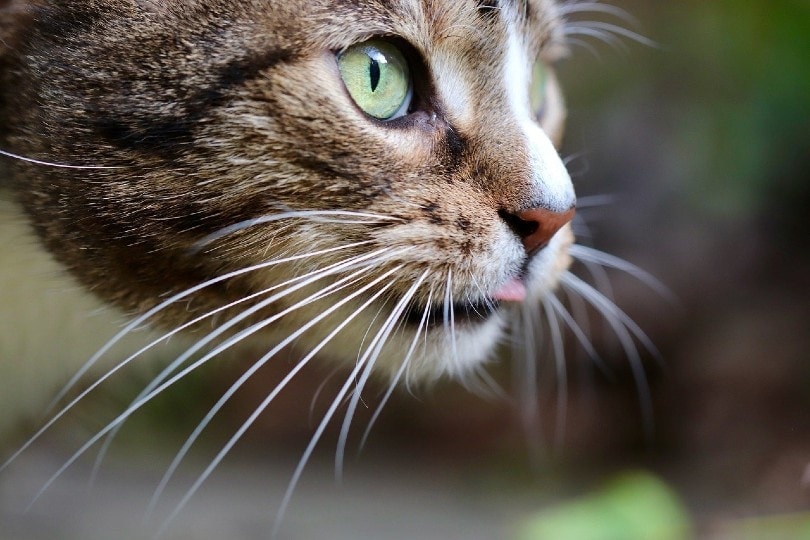
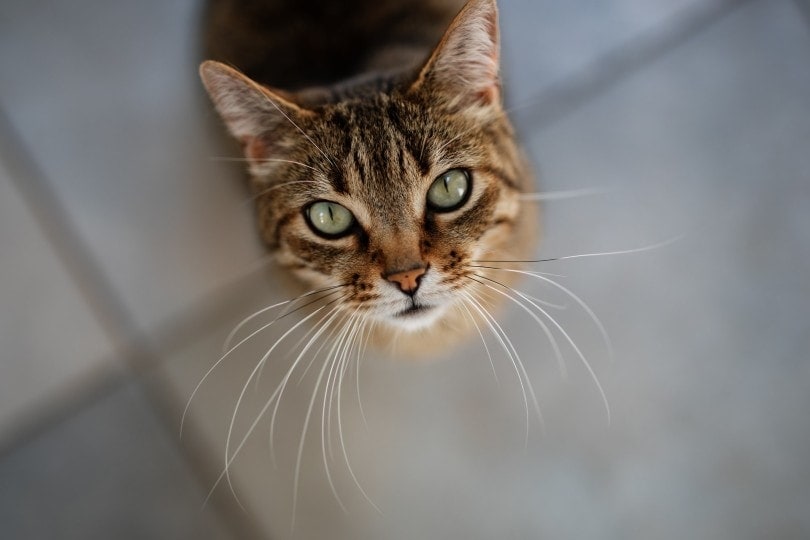
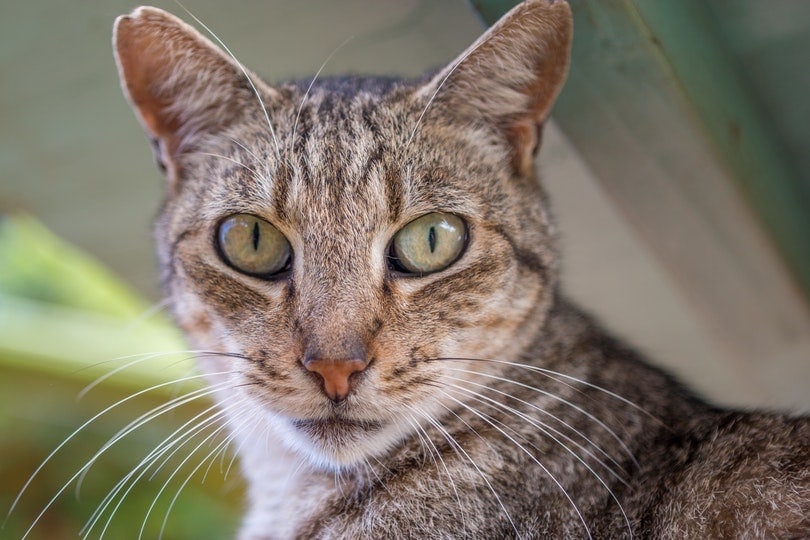
Domestic cats have several remarkable traits inherited from their wild cat ancestors. Their retractable claws help them climb trees, low-light vision gives them an advantage over prey, and their whiskers help them navigate the environment. One feature that wild felines and domestic cats lack is eyebrows. No, cats do not have eyebrows, but they have vibrissae, also referred to as whiskers, above their eyes.
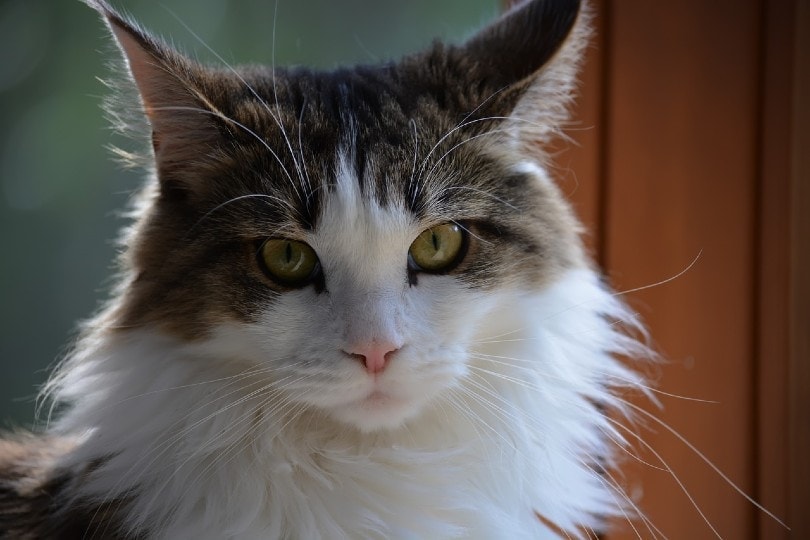
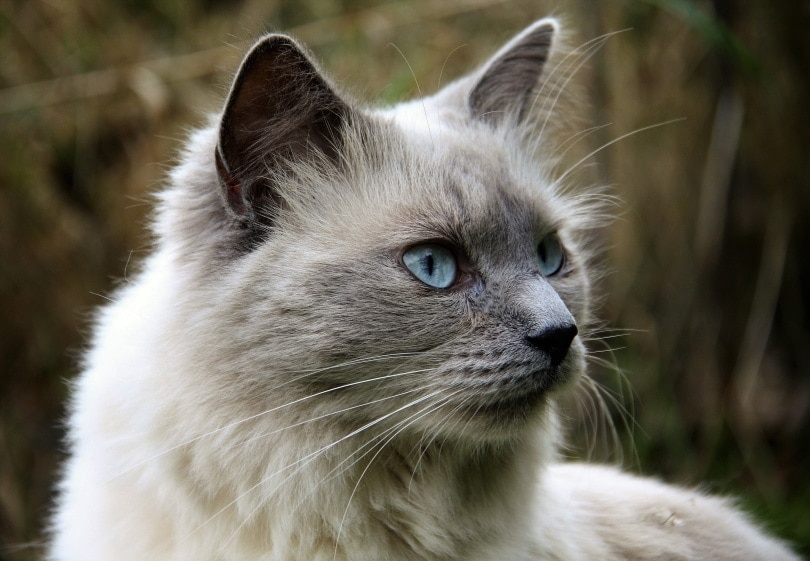
The whiskers of some breeds are not as prominent as others, but the ragdoll, Persian, Norwegian forest cat, Maine coon, and Siberian have thick bushy whiskers above their eyes. Hairless cats like the Sphynx can have thinner, smaller whiskers or none at all.

How Whiskers Benefit Cats
Compared to the hairs on a cat’s coat, the whiskers are thicker, with roots three times as deep as ordinary hairs. Most felines have 12 whiskers on their upper lips, a few on their chins, three above each eye, and a few behind their wrists. Each whisker follicle is very vascularized and innervated with sensory cells that transmit information to the brain. The tactile hairs respond to tiny vibrations and help the farsighted cats navigate their environment.
1. Maintaining Balance
The cat’s whiskers react to the pull of gravity and help cats determine how they’re positioned in relation to the ground. When a cat leaps and twists in midair, their whiskers help them land on their feet.
Cats have enhanced senses of smell and hearing, but their sight is not as advanced. They’re farsighted and could not move as gracefully without their whiskers. Although they cannot focus on objects in front of their faces, cats rely on their whiskers to react to air currents around them and send data to their brains. Whiskers allow cats to identify changes in air currents from slight vibrations.
The thick hairs allow felines to judge whether they can squeeze through a tight space or ambush a mouse that’s a few inches away. When a feral cat forages at night, their whiskers can alert them to approaching prey and help them zero in on the next meal. Without whiskers, the cat would be a clumsy hunter with poor vision.
3. Protecting the Eyes
The superciliary or so-called eyebrow whiskers provide a protecting function for the cat’s eyes. Vibrations and changes near them will trigger blinking and protect the eyes from dirt, debris, and other foreign objects. A cat that runs in an overgrown field can thank their whiskers for protecting their eyes from sharp grass blades and sand spurs.
4. Expressing Emotions
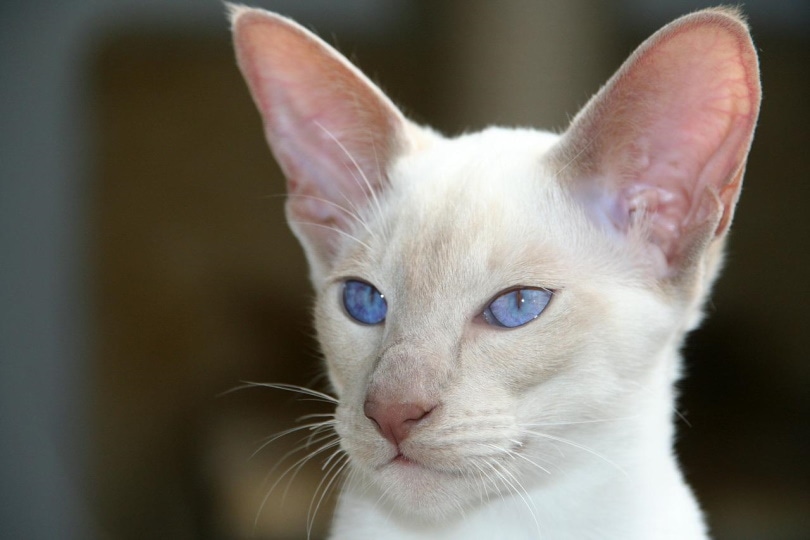
Because their faces are less expressive than canines, cats are often accused of displaying fewer emotions. Although their body language is subtle, cats express excitement, relaxation, curiosity, fear, anger, and apprehension with their face and body.
When a rival cat or potential predator approaches, the cat will flatten their whiskers across their face and then point them at the threat. They’re relaxed when the animal is calm, and they stand up when the cat is attentive.

How to Keep Your Cat’s Whiskers Healthy
Whiskers fall out and are replaced by new ones like ordinary hair follicles, but they typically only fall out one or two at a time. It can take several weeks or up to 3 months for whiskers to grow back entirely, and some hairs will grow back a different color. White whiskers can become black and vice versa, but the color does not affect their functions.
Pet parents should never pluck or cut their cats’ whiskers, and those who use grooming shears must be careful not to disturb them. Removing or trimming whiskers can deprive cats of essential sensory organs and make navigating their homes at night harder. When you brush your cat or pet their face, be careful around the whiskers.
Some cats can experience whisker fatigue when the hairs are bent or damaged. Using shallow food and water dishes can prevent damage to the whiskers and relieve felines suffering from whisker fatigue. Some veterinarians do not believe whisker fatigue is something pet parents should lose sleep over, but most agree that shallow bowls are better for keeping whiskers intact.
Our cats deserve the best when it comes to their food and water dishes. These essential items must be well designed with the specific needs of our felines as top priority. Our Hepper NomNom Cat Bowl is a modern, whisker-friendly option that serves as an all-in-one pet dish. The removable stainless steel bowls are shallow for optimum comfort and slide securely into a PP plastic tray with a wide lip tailored to catch any overflow. This bowl is entirely dishwasher-friendly, too, which helps with tidying up (and will keep your cat happy)!

- NO MESS - The 360° tray on this cat food and water bowl set has a raised design to catch and contain stray crumbs and drips. Protect your indoors and floors from wet and messy meals!
- WHISKER FRIENDLY - Shallow and wide metal containers with flat bottoms ensure your kitty can enjoy mealtime free from whisker fatigue!
- CHEW-SAFE MATERIALS - Kittens and cats love chewing on silicone and soft rubber - but it's a choking hazard. Our cat feeding station materials are anti-chew for a 100% safe feeding frenzy!
If your pet’s sensory hairs are not growing back, visit the veterinarian to determine if a medical condition is causing the problem.
Medical Conditions That Affect Whisker Development
If a cat loses whiskers in a fight with another animal, the hairs will grow back as long as the roots are not damaged. However, some conditions can inhibit whisker and hair growth if left untreated.
1. Infections
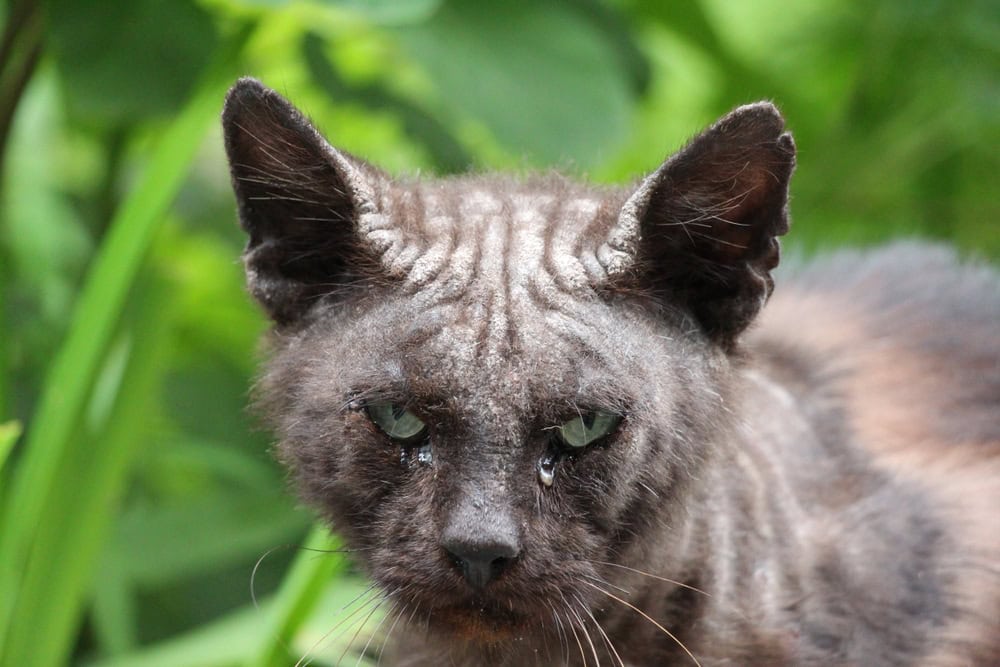
Parasitic, fungal, or bacterial infections in cats can cause whisker and hair loss. Parasitic mites can irritate the cat’s skin and lead to mange. Cats are less likely to get mange than dogs, but the condition is highly contagious and can be passed from dogs to cats. Mange can cause itching, irritation, and hair loss.
Young cats often have problems with fungal infections like ringworm, but the condition also affects older cats exposed to the fungus. Ringworm may also infect the root of the whisker and make it more fragile. When the hair falls out, it leaves a bald spot. Luckily, antifungal treatments can eradicate the infection and allow the hair or whisker to regrow.
2. Allergies
Cats can have allergies to food, plants, chemicals, and parasites. If a cat has an irritating allergy on their face, they may scratch and rub the area excessively. This action can cause the whisker to break and fall out. It may also lead to secondary bacterial infections. However, the hair will normally grow back after a veterinarian adequately treats the primary (allergy) and secondary (infection) conditions.
3. Acne
When a cat’s hair follicles on their chin produce too much keratin, the pores can become blocked and cause acne. Felines with minor cases may only have blackheads or red bumps on their chins, but chronic acne can cause swelling, soreness, and hair loss.
Some cats experience only a single bout of acne, but others may have recurrent outbreaks that require veterinary treatments. Vets typically treat acne with antibiotic injections and topical treatments, but pet parents must also wash their cats’ faces and use medicated shampoo to eliminate the bumps.
4. Nervous Disorders
If a cat suffers from anxiety, they may develop an obsessive-compulsive disorder (OCD) or another nervous disorder and excessively groom their fur until it falls out. After ruling out parasitic infections, allergies, and other skin disorders, veterinarians will try to determine the source of the stress causing the behavior.
Owners can help their cats reduce overgrooming by creating a calm environment, maintaining a routine feeding schedule, and rewarding the cat when they engage in a different behavior.

Conclusion
Although cats do have eyebrows, their superciliary whiskers play a similar function by protecting the eyes from dirt and debris. Whiskers are more than cosmetic features; they help cats navigate the world and land safely after jumping. If you notice missing whiskers that do not grow back, it’s vital to visit the veterinarian for treatment. The thick hairs are essential sensory and protection organs for a cat.
Sources
https://vcahospitals.com/know-your-pet/why-do-cats-have-whiskers
https://www.petmd.com/cat/behavior/evr_ct_why_do_cats_have_whiskers
https://www.petmd.com/care/whisker-fatigue-cats-what-it-and-how-help
https://articles.hepper.com/why-is-cat-losing-whiskers-vet-answer/
https://www.petmd.com/cat/conditions/behavioral/c_ct_compulsive_disorders
Featured Image Credit: SZ-Art_de, Pixabay
Get Hepper In Your Inbox


Pet care tips from our vets and experts, straight to your inbox.
You may opt-out at any time. View our Privacy Policy for more information.
Simon Treulle is the CEO of Hepper. After purchasing the brand in early 2021, he has continued to revolutionize the world of cat furniture. As the CEO of this innovative brand, Simon pushes Hepper's creations to boast clever functionality and aesthetics that perfectly complement modern homes.
Simon's reach goes beyond furniture and marketing. Managing a dynamic team of 105 individuals, he excels at remote leadership, guiding them from different corners of the world to create a united force of talent. Beyond the professional realm, Simon's love for exploration takes him on adventures across the globe, experiencing diverse cultures and broadening his horizons. With a knack for crafting cat comforts and leading a global team, Simon Treulle's influence extends far and wide.
Join the conversation
Ask a question, share your story, or send private feedback.