Hepper is reader-supported. When you buy via links on our site, we may earn an affiliate commission at no cost to you. Learn more.
Do Dogs Get Headaches: Our Vet Explains Causes & Treatment


In this article
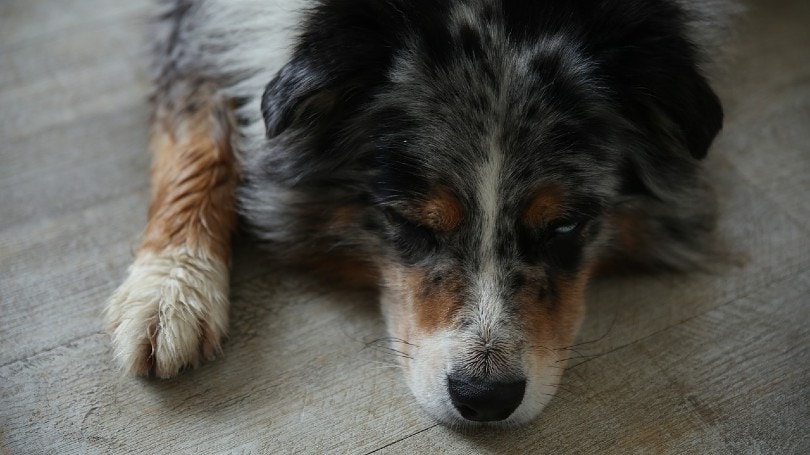
Unlike humans, dogs cannot tell us if they have a headache. Dogs can suffer from a number of conditions that may cause headaches, but there is no accurate way to know if they are actually suffering from a headache or not. Veterinarians are trained to look for small abnormalities that may or may not be obvious to owners, some of which may indicate a possible headache. In this article we’ll discuss things that may cause a headache in your dog, how your dog may act if their head hurts, and what you can do.

The 4 Possible Causes of Headaches in Dogs
There is no good scientific way to study headaches in dogs. Again, they are not able to tell us if they have any head discomfort, and if so, what it exactly feels like. All veterinary professionals can do is look at a dog’s specific disease process and the abnormal signs they are displaying. Putting these things together may help us determine if your dog may have head discomfort.
1. Ear Infections
Ear infections, in one or both ears, are common in dogs. If your dog is shaking their head and/or scratching their ears constantly, this may lead to inflammation of the ear(s), causing even more discomfort to the head and neck area.
2. Dental Problems
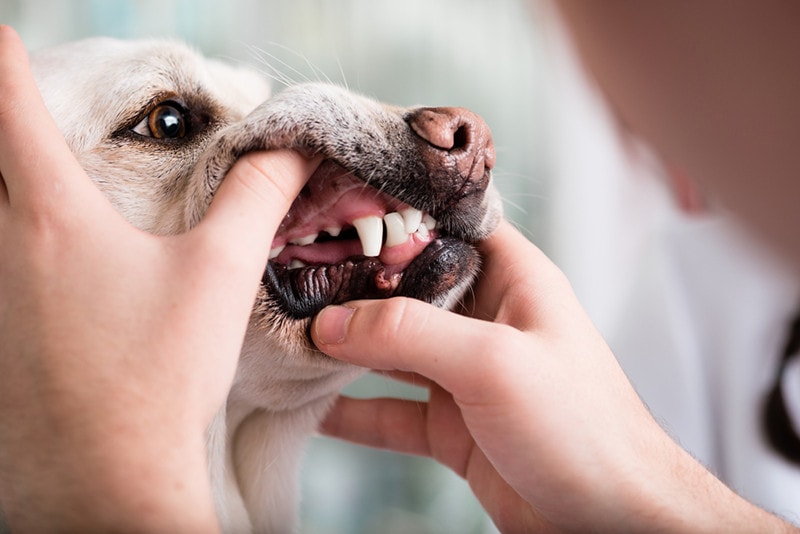
Dogs can also commonly get dental disease, broken teeth, and/or tooth root abscesses. If your dog has this, we can assume that they likely have some level of mouth and face discomfort. If the affected teeth are on your dog’s maxilla (the top part of the jaw), it may be more likely that your dog would have a headache due to the closer proximity to the forehead and brain.
3. Intervertebral Disc Disease
Intervertebral disc disease (abbreviated IVDD) can occur anywhere along the dog’s spine. If your dog has cervical or neck IVDD, this pain may very likely travel forward and cause a headache. The muscles of the neck, face, and shoulders will often become tense and even spasm from neck IVDD. When this occurs, it would be easy to assume your dog may have a headache.
4. Other Causes
Still other causes of headaches can be extrapolated from human studies, and we can guess that your dog will have a headache if they are dehydrated, have a fever, suffer from high blood pressure (hypertension), have a stroke, or even a brain tumor. Glaucoma, or increased pressure within the eye(s), is a very painful process for a dog, with many dogs having to have their eyes removed from the pain. This would also be a likely culprit to cause a headache in your dog.

Signs of a Possible Headache in Your Dog
If your dog has an ear infection, you may notice them shaking their head, scratching at their ears, or whining when their head/ears are touched. If your dog typically has raised ears, they may hold one or both of them down or even tilt their head to one side.
In humans, we can often get headaches from a sinus infection or sinus congestion from allergies. In dogs, allergies typically manifest as itchy skin, not necessarily sinus congestion. However, as with people, if your dog has thick mucous discharge from the nose and/or eyes, the infection may also be in their frontal sinuses and potentially cause a headache.
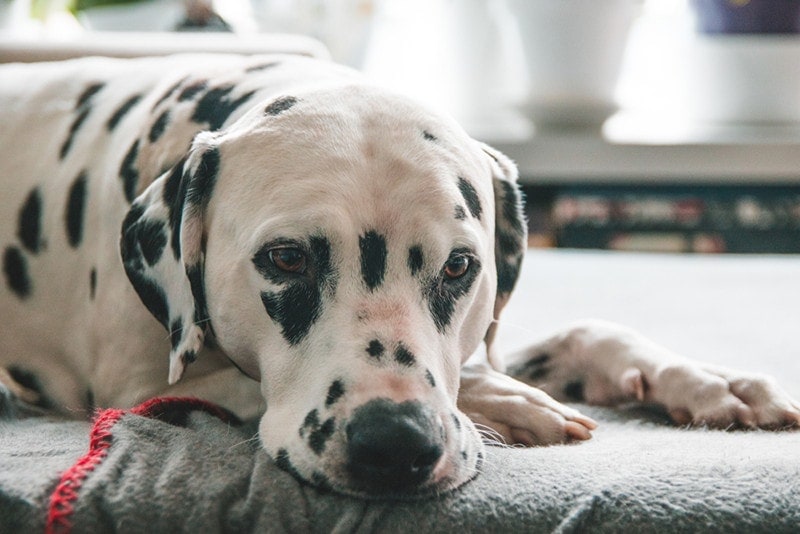
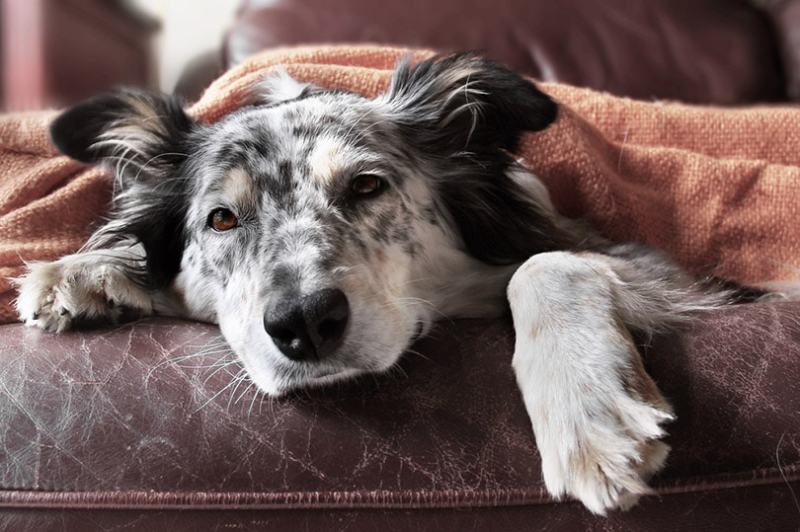
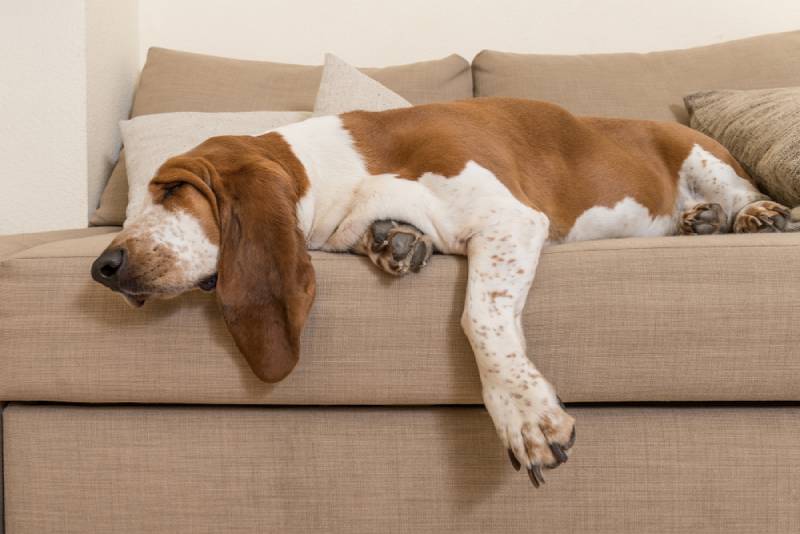
Your dog may just show general signs of lethargy, or unwillingness to move. They may hold their eyes shut and squint or walk with their head held low or not want to do much in general. Dogs may also tremor if they are nervous and/or painful. Your dog can’t tell you if they hurt, nevertheless why they hurt. They may just cower or lie trembling because they don’t know what is wrong.
In general, any medical condition that can affect your dog’s head and neck may cause a headache. Just like with people, your dog may just seem “off” and not themselves. If your veterinarian diagnoses any illness or disease involving the head and/or neck, there’s a good possibility your dog may be suffering from a headache.

Treatment
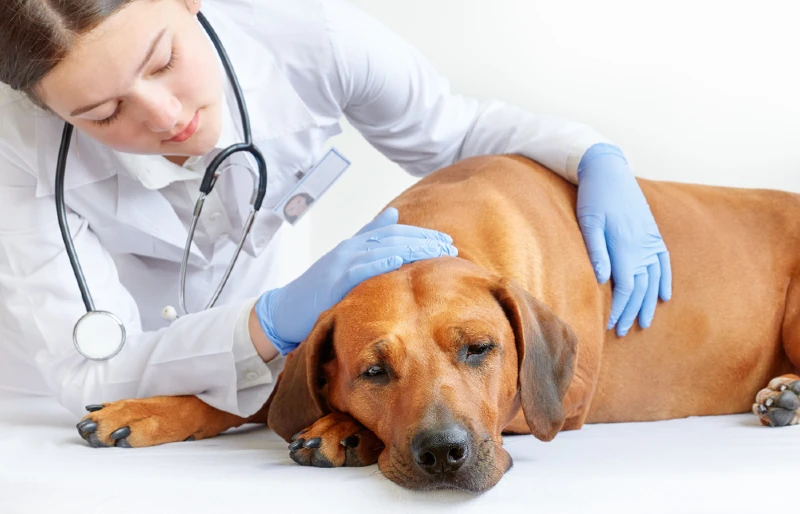
Your veterinarian will want to treat whatever the underlying cause of your dog’s head pain is. This may mean pain medications, antibiotics if there is an infection of a tooth or the ears, anti-inflammatories, etc. Before treatment is started, your veterinarian may want to perform diagnostics to try and determine a cause to what is going on. They may be able to get a good idea based on the physical exam alone. However, depending on the cause, testing may be needed to determine why your dog is uncomfortable.
You should not give your dog any over-the-counter medications before speaking with your veterinarian first. Depending on what’s going on with your dog, certain medications may be toxic, or they may interfere with treatment your veterinarian will want to do.
If you can’t get to the veterinarian right away, keep your dog in a quiet, dimly lit area. Make sure there are no stairs they can fall down or anywhere they can injure themselves. Offer small meals and small amounts of water at a time, but never force your dog to eat and drink as they may also be nauseous. If they aren’t better within 12–24 hours, you should make an appointment for your dog at the vet.

Tips for Keeping Your Dog Safe & Healthy
Keep an eye on your dog and write down anything out of the ordinary. We all lead busy lives so it can be hard to remember when you started to notice something abnormal with your dog. Make a note on your phone or on a calendar so that you can have a better idea of the timeline.
Know your dog’s daily habits. Knowing how much your dog typically eats and drinks in a day, how often they go outside, and what they’re doing out there makes it easier to notice things out of place.
Never self-medicate your dog. Certain human pain medications, anti-inflammatories, and migraine medications can be severely toxic and even fatal for your dog. If you notice anything abnormal with your dog, call your veterinarian and make an appointment.
Conclusion
While there is no way for your dog to tell you if they have a headache, vets do suspect that dogs get headaches. In general, any disease or illness that can affect the head and neck may cause headaches in dogs. This may be eye issues (glaucoma, corneal ulcers, infections), sinus infections, dental disease, IVDD, ear infections, etc. All of these conditions are diagnosed and treated differently. Your veterinarian may want to run specific tests based off of their physical exam so that they can treat your dog as best as possible. It’s never recommended to medicate your dog with any OTC medications or any human medications, as they may be toxic and even fatal to your pup.
Sources
Featured Image Credit: Zozz_, Pixabay
Get Hepper In Your Inbox


Pet care tips from our vets and experts, straight to your inbox.
You may opt-out at any time. View our Privacy Policy for more information.
Dr. Podlecki is a graduate of The Ohio State University College of Veterinary Medicine with more than 12 years of experience working with small animals in the US. Dr. Podlecki spent 10 years working almost exclusively in emergency and specialty medicine before transitioning to relief in general practice and the ER. She also owns her own veterinary consulting company (renewvetconsulting.com) that helps vet hospital improve their internal culture.
For as long as she can remember, Dr. Podlecki always wanted to be a veterinarian. It is her passion and she lives to help animals. She also owns her own consulting company (renewvetconsulting.com) which focuses on helping veterinary hospitals prioritize their staff to promote a healthier internal culture.
Education
Dr. Podlecki graduated from The Ohio State University College of Veterinary Medicine.
Experience
Dr. Podlecki has over 12 years of experience working in the USA with small animals. For more than 10 years, she worked almost exclusively in emergency and specialty medicine, before transitioning to relief in both general practice and ER.
Join the conversation
Ask a question, share your story, or send private feedback.