Hepper is reader-supported. When you buy via links on our site, we may earn an affiliate commission at no cost to you. Learn more.
Could a Dog Survive in a World Without Humans? Interesting Facts

In this article
Thinking about a world in which dogs run free and live without any humans present sounds like the plot of a new Disney movie. But when you get past the implausible nature of the idea, there is an interesting question to be asked. Could dogs survive in a world without humans? Or have dogs been domesticated to the point where they have lost all of their survival instincts? While humans are not going anywhere anytime soon, it is fun to think about dogs having their turn ruling the world.
The answer is that dogs could survive in a world without humans. In fact, most dogs would do just fine without you around. That might make some people sad, but dogs are more than well equipped to live completely on their own without any help from human beings.

Dog Survival Skills
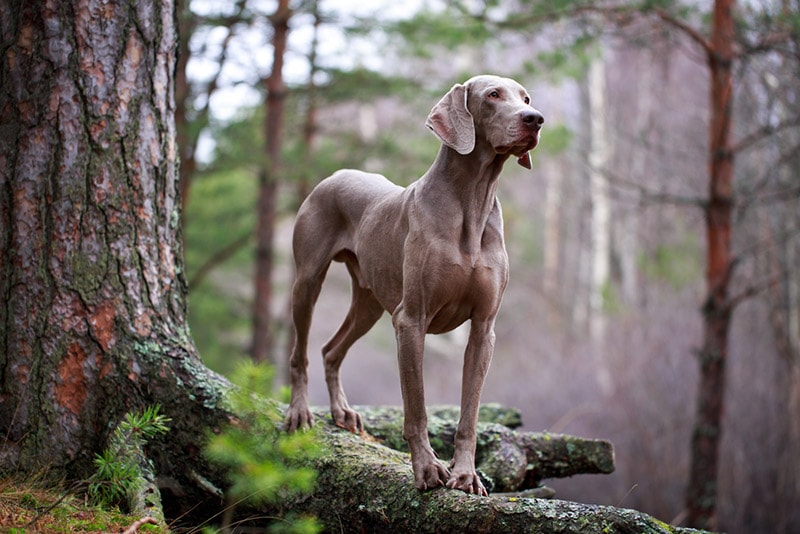
Dogs are equipped with a bevy of survival skills. It might not seem that way when they are lying on your couch, but dogs are designed to scrap and survive in the wild. Even the smallest, cutest dogs have a large toolbox of skills they can use to make it in the wild.
Dogs have amazing senses of smell, taste, and hearing. They use these senses to scavenge and hunt for food in the wild. Dogs also have a very complex web of social skills that they use to communicate and form groups, known as packs, in the wild. Packs of dogs hunt together, scare off potential threats, and scavenge for food together. Dogs can be very formidable in a pack.
Dogs also have some intrinsic behaviors that are used for survival. For example, when dogs curl up into balls when they sleep, it moves all of their hardest bones (spine, skull, and legs) to the outside. This helps protect their soft skin and internal organs from attack when they are sleeping. Other behaviors like spinning and bedding down also help them find safe, secure places to sleep when they are alone in the wild.
Dogs might seem silly and odd to an untrained eye, but many of their endearing behaviors are actually survival instincts that are designed to keep them safe and healthy when they are in nature. Skills like these would ensure that most dogs could survive in the wild without humans just fine.
Dogs Survive Without Humans Every Day
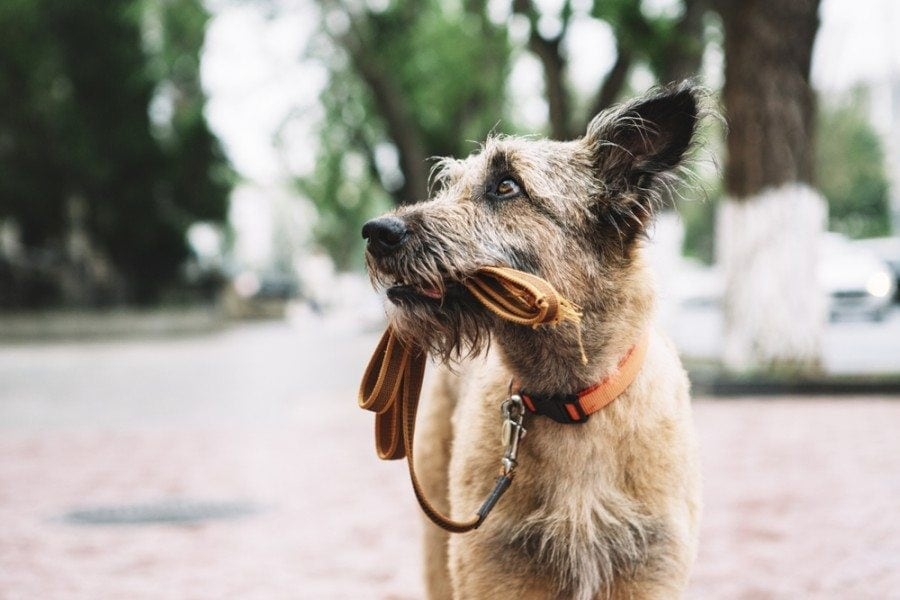
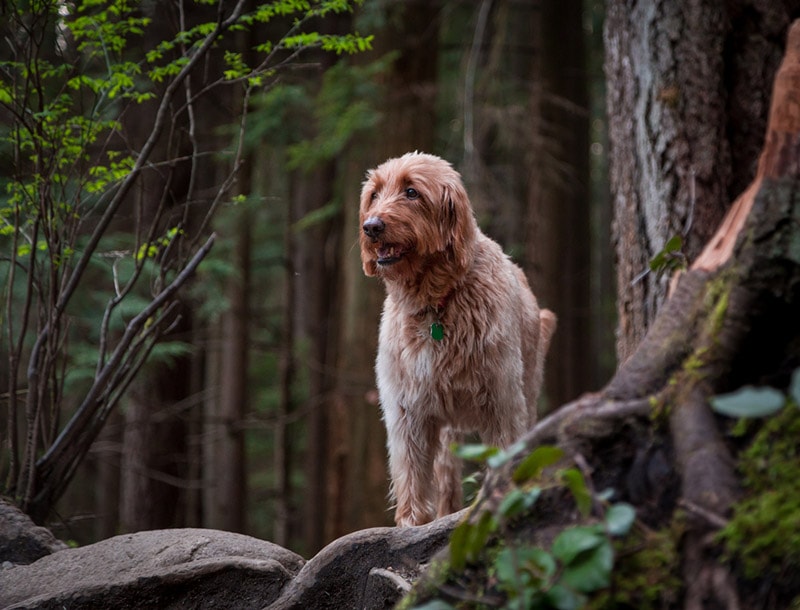
Even in today’s modern world, which is dominated by humanity, dogs live and survive on their own all the time. From wild dogs to strays, there are dogs in the wild living, surviving, and thriving all around us. If you have ever seen a stray dog, you have seen a dog living in the wild. There are tens of millions, if not hundreds of millions, of stray dogs that scavenge on the streets, live in the woods, and avoid human detection. India, for example, has roughly 62 million stray dogs living on the streets throughout the country. That is a lot of dogs, and they are perfectly happy living alongside humans but don’t necessarily need them.
Heavily Domesticated Dogs vs. Dogs in General
That being said, there are some dogs that likely could not survive without humans. Dogs, in general, can survive as a species without people just fine. That is demonstrated every day. However, if people were to all vanish out of the blue tomorrow, there are individual dogs that would struggle. Old dogs that have lived inside with humans their whole life would have a hard time adjusting. Some designer breeds like Pugs, Chihuahuas, and Malteses could struggle to run in a pack with more athletic dogs and compete for resources.
Dogs, in general, would survive, and maybe even thrive, without people. Some individual dogs might struggle without their daily dose of kibble and cuddles, but the species as a whole would absolutely survive.

Wild Dog Breeds
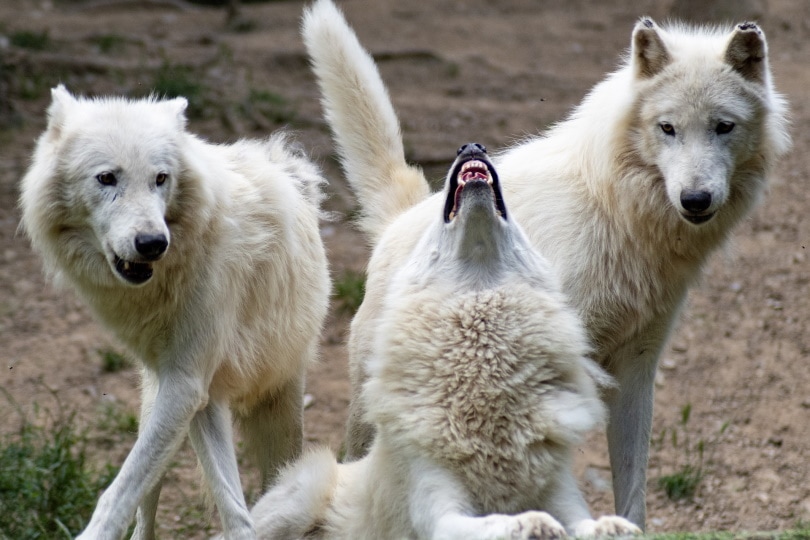
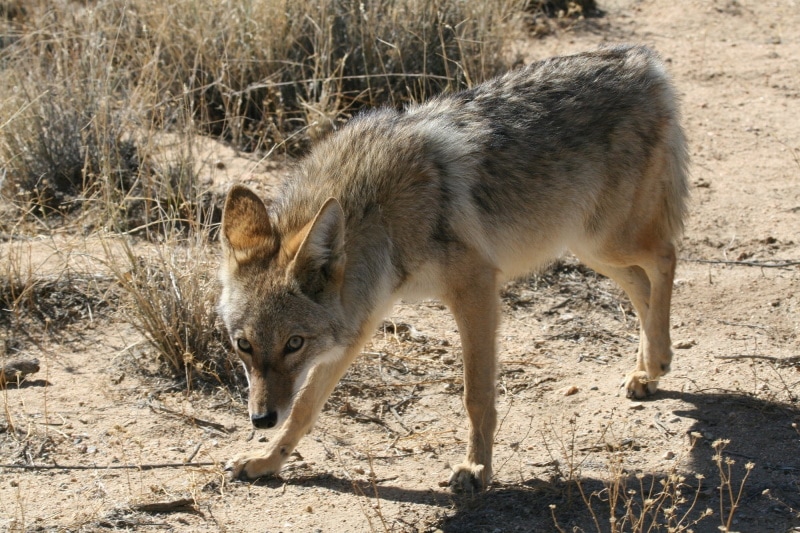
There are over a dozen species of wild dogs that roam the Earth. Many of these dogs have very little to do with humans in any capacity. Many of these species have adapted to live alongside humans and eat their scraps or have learned to avoid them completely by keeping them out of sight.
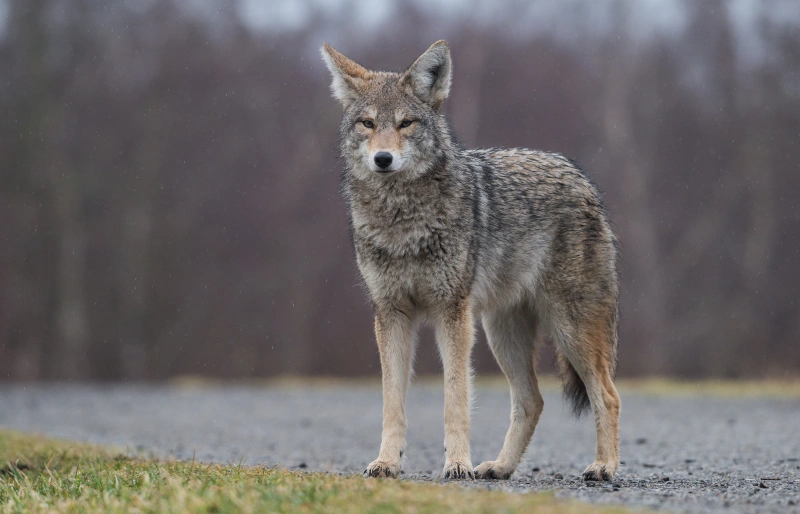
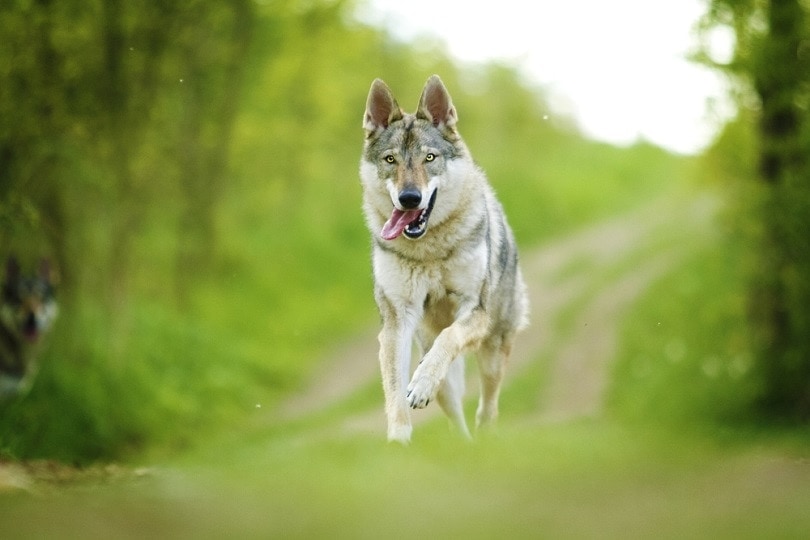
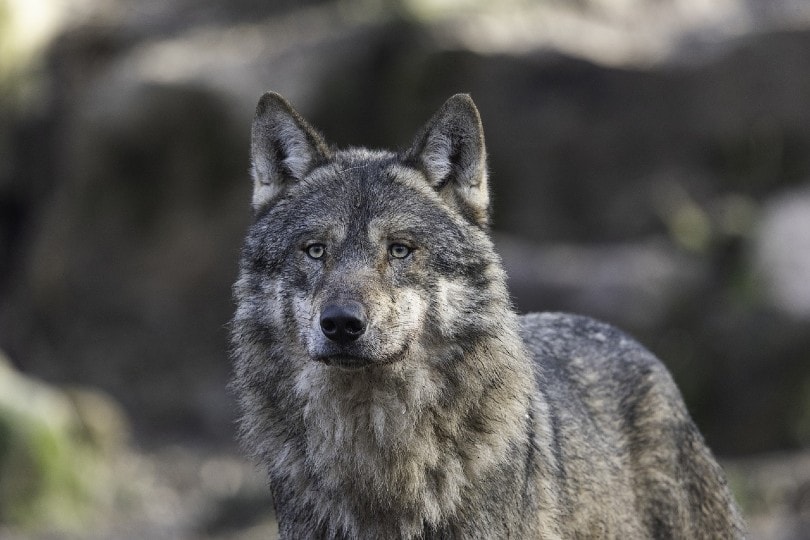
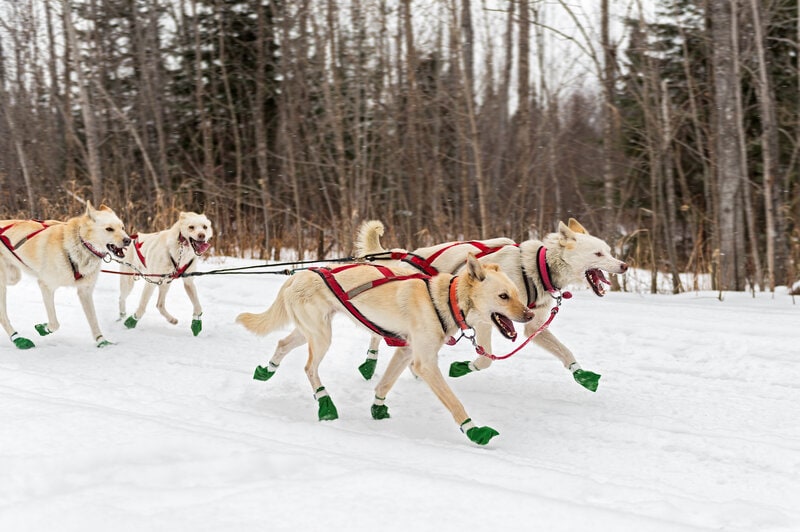
Some of the most common wild dog species include:
All of these species live entirely on their own in the wild and have no need for human interaction, food, or companionship. These wild dogs are the perfect current example that shows that dogs can live on their own in a world without humans just fine.
Conclusion
While the world is likely stuck with humans for the foreseeable future, even if something happens to us, our dogs will be just fine. Dogs are designed to live out in the wild with each other. They have a large number of survival skills that equip them to run, hunt, and socialize with other dogs. There are dozens of wild dog species in the world and millions of stray dogs that live without humans every day, and they are thriving.
Featured Image Credit: DragoNika, Shutterstock
Get Hepper In Your Inbox


Pet care tips from our vets and experts, straight to your inbox.
You may opt-out at any time. View our Privacy Policy for more information.
Grant is a freelance writer with years of experience writing about a diverse range of topics. His days are spent writing and caring for eight animals (two horses, two donkeys, two goats, and two dogs). In his free time he enjoys slowly carving out a quaint hobby farm from the Southern scrub. He currently lives in his native Florida with his wife and son.
Join the conversation
Ask a question, share your story, or send private feedback.