Hepper is reader-supported. When you buy via links on our site, we may earn an affiliate commission at no cost to you. Learn more.
Do Epsom Salt Baths Kill Fleas? Vet-Reviewed Safety Tips & Effectiveness


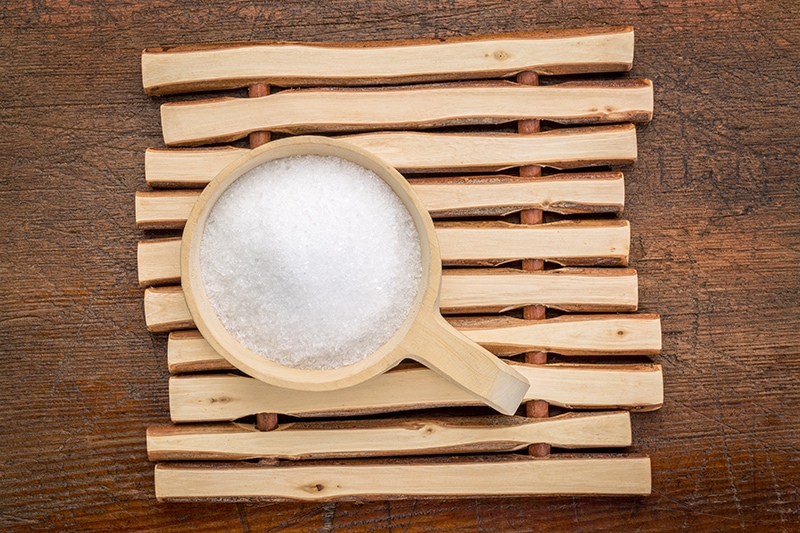
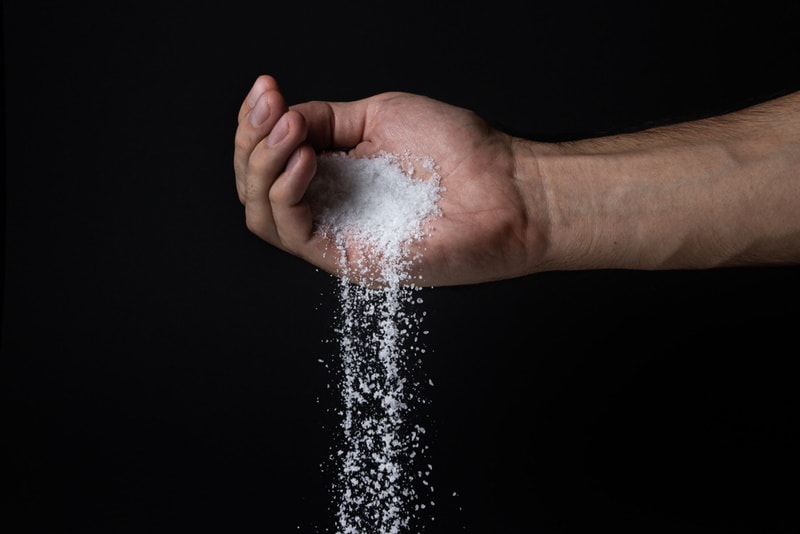
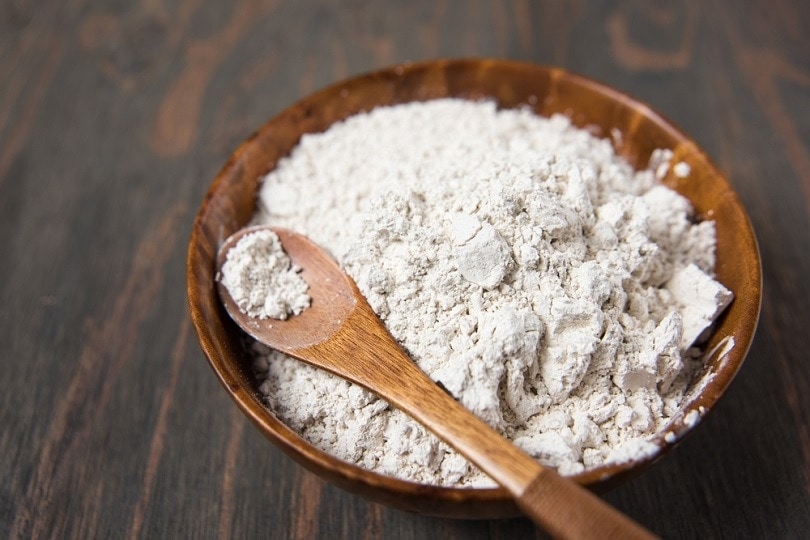
Despite the name, Epsom salt doesn’t have much in common with the stuff on your table. Epsom salt is the common name for a chemical called magnesium sulfate. It is often used in baths meant to relieve pain and as a mild antiseptic. But for your furry friends, Epsom salt is also reported to be a good flea killer. However, Epsom salts are not a recommended way to effectively treat fleas. Speak to your veterinary clinic about safe and effective prescription flea treatments and preventatives.
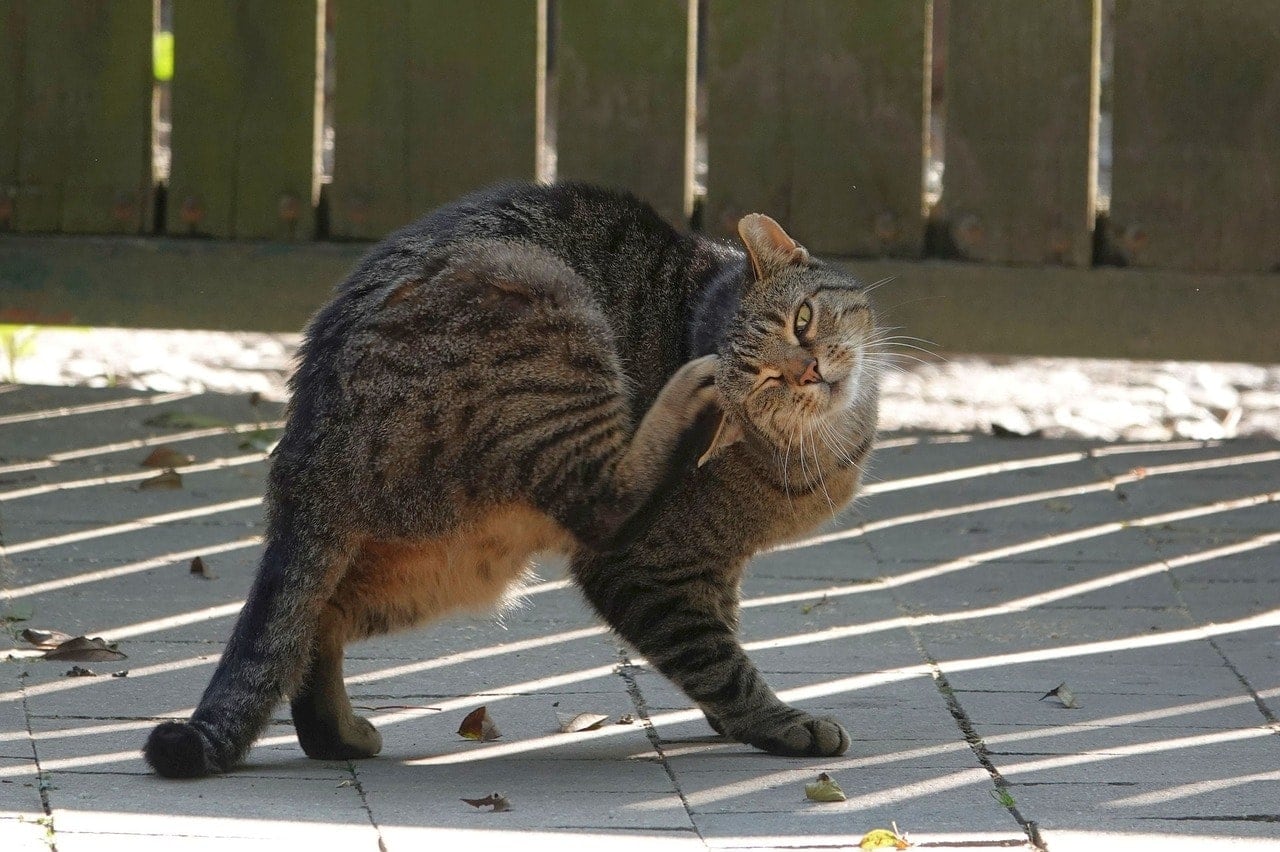
It is reported anecdotally that Epsom salts will dehydrate fleas and flea eggs, killing them. We could not find scientific reports to back up the use of Epsom salts in this way. If you are interested in a home-remedy flea solution, Epsom salt baths can be an alternative. This rundown will help you know how to treat your pet safely and whether it’s the right option for you.

Epsom Bath Pros and Cons
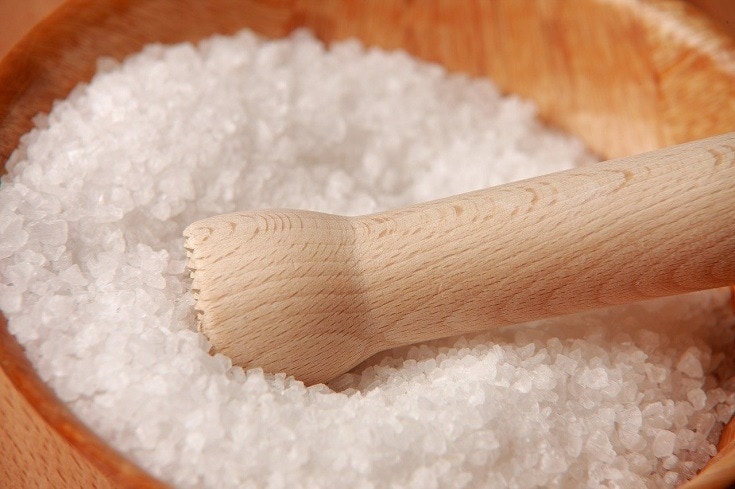
Epsom salt baths are considered as a natural way to help combat fleas by many people, but they do have their pros and cons. The biggest reason to avoid using Epsom salts for flea control is that it is less effective than commercial flea preparations. Epsom salt may be able to dehydrate fleas and eggs on your pet’s fur, but they can't stop them hoping straight back on. That means if you choose an Epsom bath, you’ll need to redo it frequently while also killing fleas in your home environment. Remember that usually less than 5% of a flea life-cycle occurs on your pet and the rest of the problem is in their environment where the eggs and larvae are.
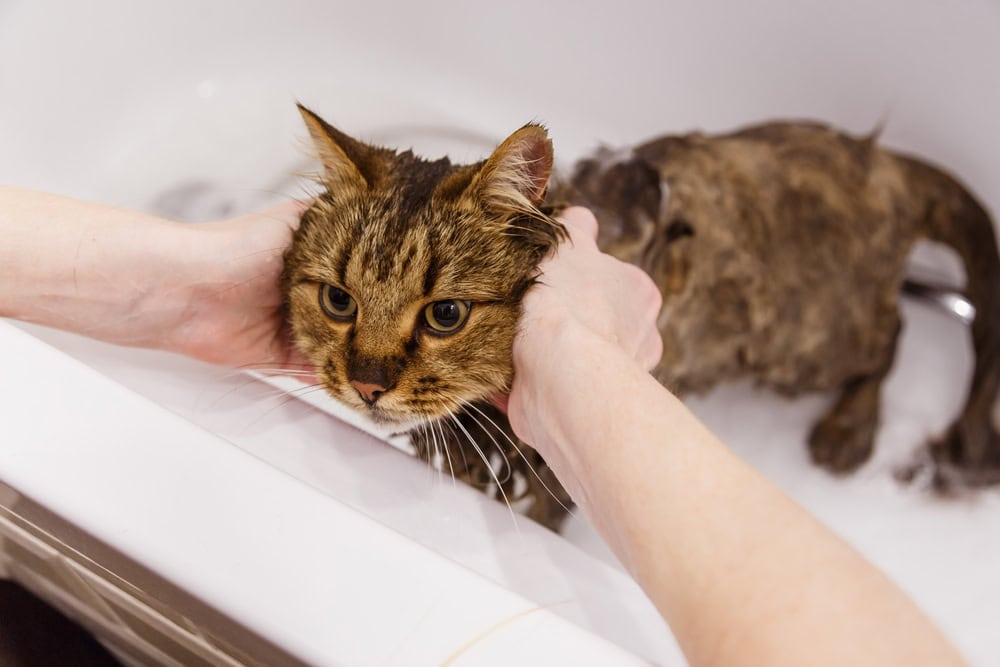
Most importantly they can also be dangerous if ingested, so it’s important to rinse your pet thoroughly. Another con of Epsom salts is that they can dry out your cat’s or dog’s skin. And, of course, many pets—especially cats—hate getting baths.
On the other hand, there are some possible reasons to use Epsom salts instead of commercial flea treatments. Epsom Salt baths work by dehydrating fleas, not poisoning them, so they don’t contain any pesticides which some people prefer to avoid. It may also be used as a stop gap treatment until you can get to the vet and pick up other products.
How to Give Your Cat or Dog an Epsom Bath
If you still want to give your cat or dog an Epsom salt bath, it’s important to do it right so that it is safe and effective. You’ll want to start by filling a basin of water with enough warm water to submerge your pet up to its back. The water should be warm to the touch but not uncomfortably hot. Then dissolve about ½ to 1 cup of Epsom salt into the bath for each gallon of water.
Let your pet soak in the Epsom water for 10–15 minutes. You can carefully wash around your pet’s head and neck but keep the treated water away from their eyes and mouth to avoid irritation. Do not let your pet drink the bathwater.
Once your pet has been soaking for long enough, drain the treated water and rinse your pet with clean, fresh water to remove any lingering salt. Finish by drying your pet with towels, a fan, or a blow dryer on cool.
Epsom Bath Tips and Tricks
Last Thoughts
Epsom salt baths are not the most effective way to kill fleas, but they are an option to consider if traditional pest control is not what you want. Repeated baths and environment cleaning can boost their effectiveness to help you get your flea situation under control and help your cat or dog be happy and healthy again.
Sources
Featured Image Credit By: marekuliasz, Shutterstock
Get Hepper In Your Inbox


Pet care tips from our vets and experts, straight to your inbox.
You may opt-out at any time. View our Privacy Policy for more information.
Chelsea Flake Mortensen is a writer with a passion for pets. She grew up around everything from cats to chameleons and loves working with all kinds of animals. Chelsea has a BA in English and Creative Writing from Brigham Young University.
Chelsea loves reading, writing, sewing, and board games. She's lived in half a dozen US states and two countries. She is currently living in New England with her husband. Her articles have been featured in various magazines and literary journals for children and adults. Her writing has been translated into over 40 languages.
Join the conversation
Ask a question, share your story, or send private feedback.