Hepper is reader-supported. When you buy via links on our site, we may earn an affiliate commission at no cost to you. Learn more.
When Was Dog Food Invented? History of Commercial Pet Food Explored


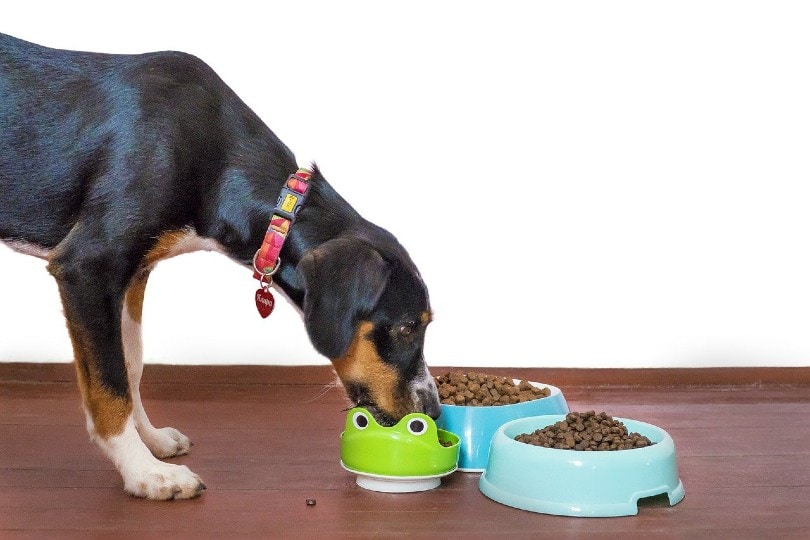
We consider our pets as family, but historically, this was not always the case. Dogs have been domesticated for centuries, but they were primarily used as working animals to hunt, track, and guard homes and livestock. Others were used to kill vermin or ward off dangerous predators.
Not only has our relationships with our dogs changed over time, but so has the way that we feed them. Commercial pet food is a relatively new concept. When was dog food as we know it invented? How has it changed over time? Let us take an in-depth look at the history of commercial pet food.

Dog Food Through the Ages
Dog Food in the 1800s
In the late 1800s, a domesticated dog’s primary food source was table scraps. This dog diet persisted well into the 20th century for farm dogs around the world.
For city dogs, their primary source of protein was horse meat. Horses were the primary form of transportation in those days. People didn’t slaughter horses specifically to feed them to dogs; almost everyone owned horses, and like all animals, they would eventually die. When food and money were scarce, people used what was available.

A businessman named James Spratt became interested in dog food when he saw dogs waiting at the docks in London for scraps of stale biscuits. In search of a new business opportunity, he invented Fibrine Dog Cakes. These biscuits were similar to the scraps of bread thrown out by the sailors, but they had added beetroot, vegetables, and meat.
James Spratt targeted his advertising toward upper-class dog owners. His products became one of the most heavily advertised products of the century. He also introduced the concept of different foods for different life stages of a dog.
In 1908, the first competition for Fibrine Dog Cake arose in the form of dog treats called Milk-Bones.
The end of WWI saw an incredible surge in technological advancement. As motor vehicles and tractors began to gain popularity, people had less need for the horses that had previously been used for transportation and farming operations.
A man named P.M. Chapel saw the surplus horse population as an opportunity to make canned dog food out of horse meat. He first sold the food under the brand name Ken-L Ration. It used only government-inspected meat and was heavily advertised throughout the United States.
Ken-L Ration became well-known for its jingle, “My Dog is Bigger Than Your Dog.” It also sponsored a pet hotel in Disneyland that was dubbed Ken-L Land.
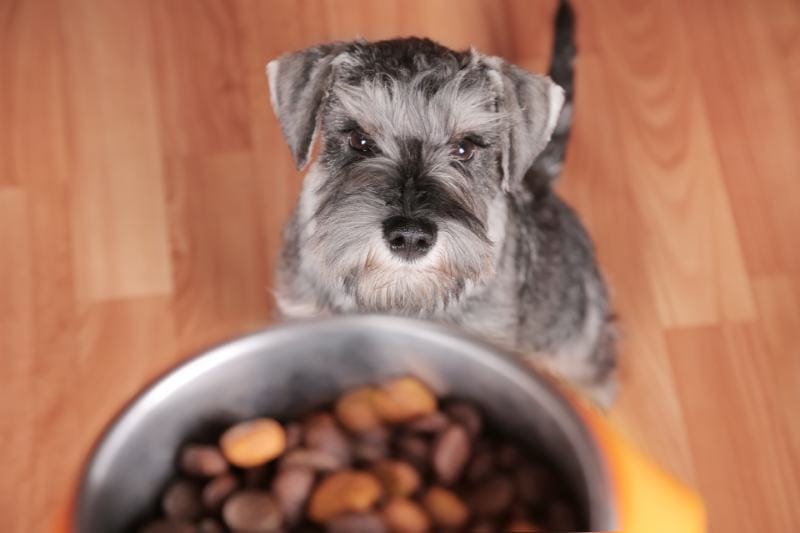
WWII marked the invention of dry dog food. They say that necessity is the mother of all inventions, and this was certainly true for the pet food industry. Metal was required to make canned dog food and was no longer available for any purpose that didn’t involve the war.
To keep up with demand, dog food companies discovered that they could use cereal products to create shelf-stable food that could be stored in bags — no metal required. What these companies discovered afterward was that the ability to provide people with a dry, inexpensive food option gave them a huge profit margin.
The potential for giant profits brought large corporations into the pet food industry, and people were sold on the convenience. Within 45 years, the general public was convinced that pet food was the only food that you should feed your pets.
General Mills bought Spratt’s pet food company in 1950, while Purina introduced the first mass-produced dog kibble in 1956. Prior to this, Purina produced feed for pigs and chickens that was grain and plant-based. It acquired the American Crab Meat Company in 1959, a pet food company that made food called “3 Little Kittens.”
Despite the name of the company, the pet food didn’t contain any crab, but it was the only cat food that contained 16 ingredients and provided a completely balanced diet. This prompted Purina to create the same type of food for dogs.
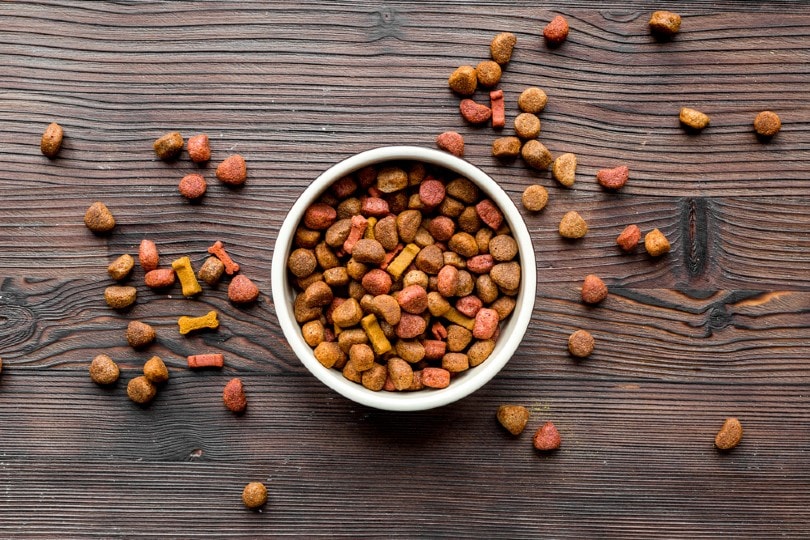
By creating kibble using an extrusion process, they were able to mass produce dry kibble using both wet and dry ingredients. Many dog food companies still use the extrusion process today, although it has largely fallen out of favor. Extreme drying and heat are required to produce kibble using this process. This removes some of the nutritional value of the raw ingredients.

A new trend in pet food manufacturing emerged in the late 1960s. A French veterinary surgeon, Jean Cathary, pioneered the first veterinary diets to treat newly common diseases like liver and kidney failure. He trademarked his food, “Royal Canin,” and his formula was soon copied by Hill’s Science Diet shortly after.
Hill’s Science Diet diversified its line of dog foods (and cat foods) well into the 1990s. It created special diets for all sorts of health conditions and gained a reputation for providing quality nutrition for pets.
The pet food industry boomed during this time. More companies popped up with more options for dogs. Unfortunately, many companies also cut corners to remain competitive, and not all pet food was healthy.
The booming pet food industry caused a subsequent rise in the vet industry. Thousands of veterinarians were sponsored by big pet food companies. There were only 10 veterinary schools in the United States in 1940. Today, there are over 30.

Steve Brown is the pioneer of raw dog food. He started with selling treats, but they were so successful that he expanded into pet food. His recipes are based on European standards of nutrition. He made the first raw dog food ever sold in the U.S.
By the early 2000s, commercial pet food was the standard of care for most pet owners. Not many dogs were eating table scraps anymore. This rise in popularity also meant that big corporations were producing the food. Unfortunately, in many cases, this led to a focus on profits rather than quality control.
Many companies began obtaining their ingredients wherever they were cheapest, sourcing rice and wheat from China, for example. They also used ingredients that were not government inspected or regulated. An outbreak of illness occurred in 2007 as a result.
Dogs were developing kidney disease, and it was killing them. Over 270 canine deaths were tied to melamine contamination that was added to dog food by Chinese manufacturers in an effort to artificially raise the "protein content" test measurement results. Over 5,300 pet food brands had to recall their food over the scandal.
A second tragedy happened in the same year that was also traced to shortcuts made by Chinese manufacturers. Jerky treats made with chicken were also contaminated with melamine. Over 1,000 deaths were documented due to the contaminated treats, but it took until 2012 for the treats to be recalled.

Seventy years after the invention of commercial dog food, the FSMA was passed to reduce contamination. This move was well-intentioned but didn’t necessarily improve the pet food industry.
This act enabled the Food and Drug Administration (FDA) to force pet food recalls on unsafe products. The act had negative effects on food manufacturers and on pets too.
To make up for lost profits, manufacturers began to use chemical additives to further shelf lives and enhance the taste and appearance of their foods. Unfortunately, these additives degraded the nutritional value of the food.
Nowadays, many customers have become more discerning about what their dogs are eating, so manufacturers are improving their recipes to be as nutrient-dense as possible while still being affordable. There are also many high-end companies offering good-quality, fresh pet foods on a subscription-service basis.

Final Thoughts
A short walk down your local pet food aisle will prove that the commercial pet food industry is alive and well. The production tenet of the early 1900s still applies: Food that’s convenient and shelf-stable sells best.
Recent years have seen a strong desire for convenient pet food that’s also healthy. Pet food companies have had to change the way that they produce food and be more transparent about the ingredients that they include.
The last decade has also seen a huge surge in fresh pet food companies that offer fresh, human-grade food that’s eerily reminiscent of the table scraps that dogs were fed back in the 1800s. It seems that we may be almost back to where we started!
Featured Image Credit By: Mat Coulton, Pixabay
Get Hepper In Your Inbox


Pet care tips from our vets and experts, straight to your inbox.
You may opt-out at any time. View our Privacy Policy for more information.
Chelsie is a freelance writer who is passionate about helping pet owners and beloved animals live their best lives. She lives in rural Alberta, Canada with her husband and two sons. She is also currently a pet parent to four horses, four cats, and a border collie.
Join the conversation
Ask a question, share your story, or send private feedback.