Hepper is reader-supported. When you buy via links on our site, we may earn an affiliate commission at no cost to you. Learn more.
Do Guinea Pigs Eat Their Babies? Tips, Causes & FAQ
In this article
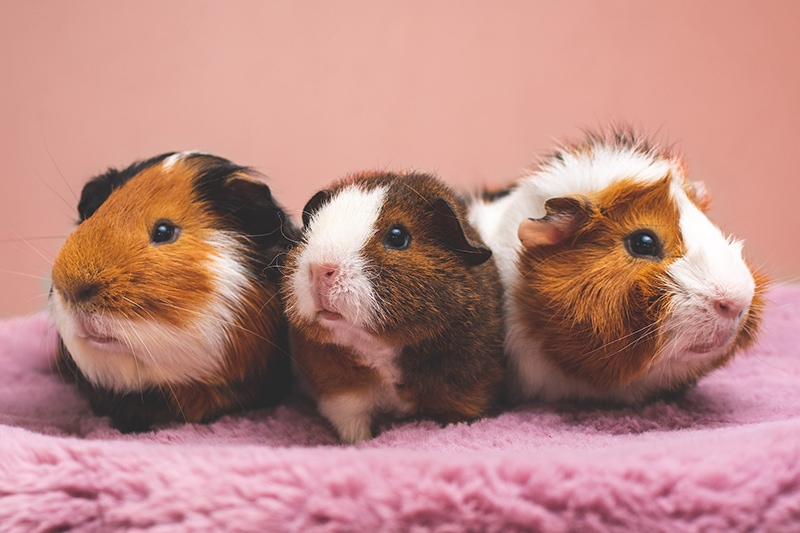
At first glance, guinea pigs seem to be sweet and harmless little bundles of fur. But are these gentle rodents hiding a darker side behind those luscious locks and innocent eyes? In other words, do guinea pigs sometimes resort to cannibalism and eat their own babies?
Rest assured that in general, guinea pigs do not tend to eat their little ones. In fact, these adorable animals are usually good protective parents. They exhibit strong maternal instincts and care for their young by providing milk and warmth.
However, there are rare instances where a mother guinea pig may accidentally injure or even eat her offspring. This behavior is usually associated with stress and fear, when resources are scarce, or if the babies are stillborn. This behavior is exhibited across the animal kingdom and is more common than you might think.

Are Guinea Pigs Good Parents?
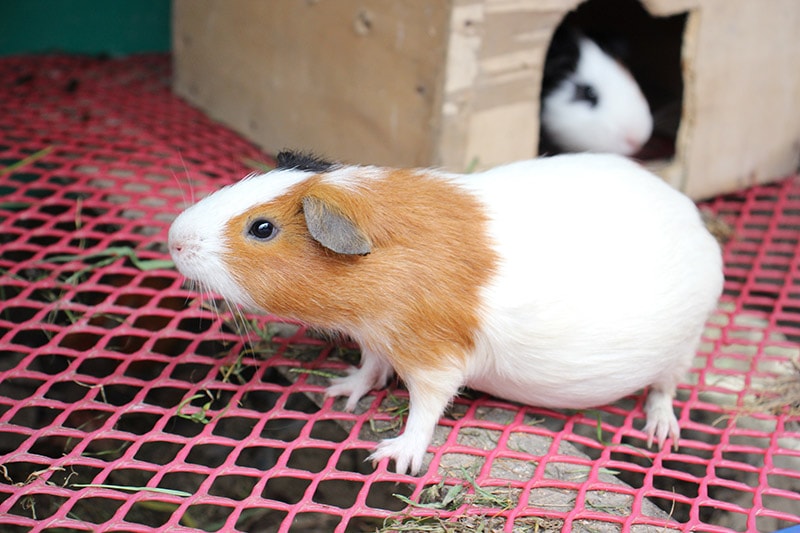
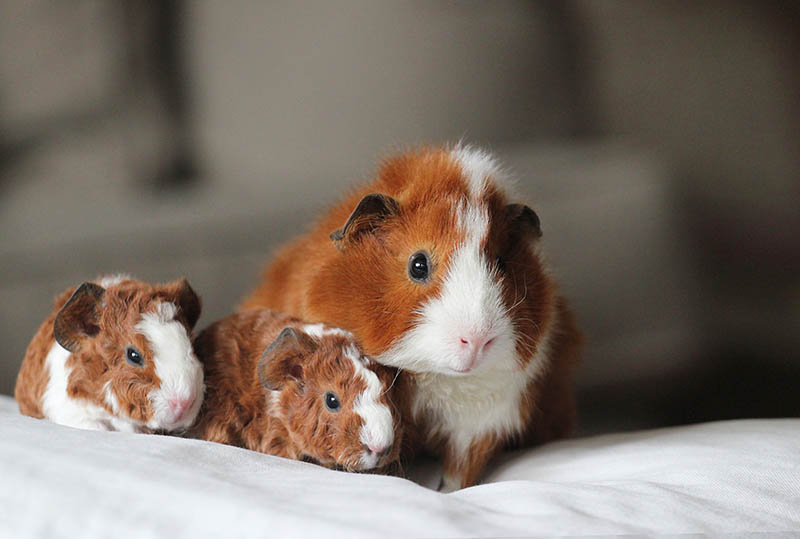
Guinea pigs do not typically eat their offspring. In fact, these lovely critters have good maternal instincts, though their tiny babies—called pups —are not born completely helpless. Indeed, newborn guinea pigs are born with fur, open eyes, and fully developed teeth, and they can even run! They do depend on their mother's milk for about 3 weeks, but they can chew on solid food after just 2 days.
Overall, it can be said that guinea pigs do take good care of their little ones, but their young do not depend on their parents for their survival as long as some other species do.
That said, there are cases where guinea pigs have no choice but to eat their babies. But it is not because they are cruel and heartless parents.
What Can Cause Guinea Pigs to Eat Their Babies?
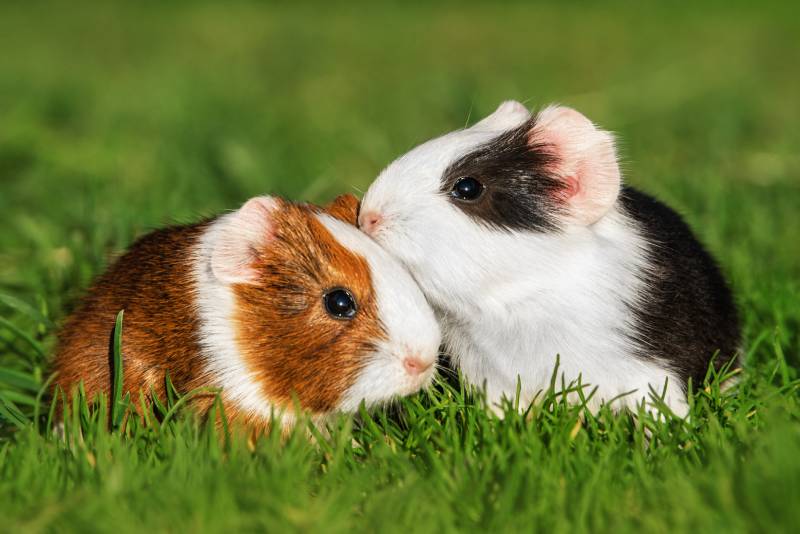
This type of behavior is called filial cannibalism. It doesn't happen as often in guinea pigs as it does in other species, but it can occur for the following reasons:
Fortunately, these cases do not represent general guinea pig behavior, let alone when they’re kept in captivity under appropriate conditions. That said, factors like mishandling, inadequate living conditions, or external disturbances can contribute to stress and anxiety, potentially triggering such unusual behavior. That’s why providing a calm and secure environment for these sensitive little animals may help minimize the likelihood of these rare (albeit traumatic!) occurrences.
Why Do Some Animals Resort to Cannibalism?
According to Bill Schutt, a renowned biologist interviewed by National Geographic, cannibalism is widespread in the animal kingdom, particularly among fish. However, this behavior can occur in all major groups of animals. The more scientists learn about it, the more they discover that it plays a key role in the concept of survival of the fittest.
For example, filial cannibalism can occur in many species, primarily when they’re in habitats where danger is ubiquitous. These species will eat their young when they are born sick, deformed, or too weak to survive. Their bodies become a valuable source of nutrients for the parents and the rest of the litter (if any). Leopards, African lions, and certain species of macaques are known to engage in filial cannibalism.
Infanticide is another type of cannibalism that can be seen in lions, chimpanzees, and even certain species of squirrels. The males kill the young that are not their own, so the females go back into heat and are ready to mate again.
Interestingly, some spiders (like the Stegodyphus dumicola) use an even creepier form of cannibalism called matriphagy. It consists of the ultimate sacrifice: The mother spider will liquefy her own organs and vomit up the substance for her newborns to devour. Eventually, her offspring will consume her entirely!
So, compared to these rather gruesome—but natural—behaviors, the rare ingestion of a cavy pup by a desperate mother guinea pig doesn't seem that bad!
How to Make Sure Your Guinea Pigs Won’t Eat Their Babies
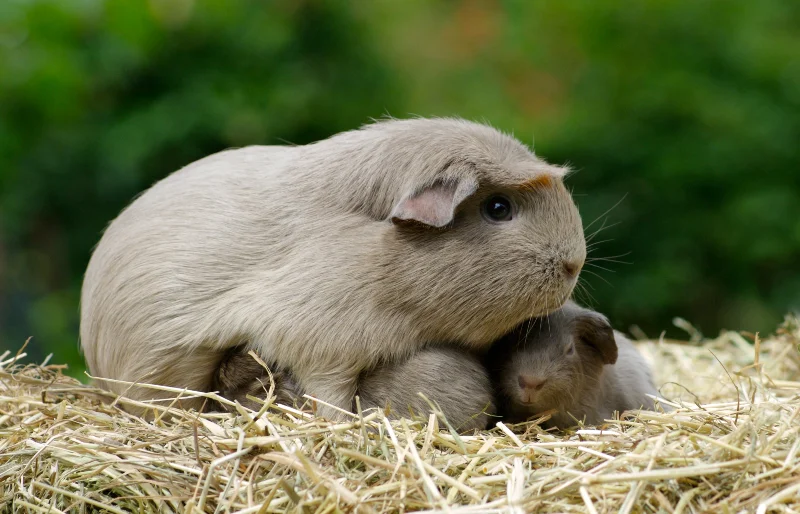
Of course, you want to minimize the risk of your adorable fluffy pet ingesting their newborn babies. But first, there are a few important things to consider. For one, many veterinarians do not recommend that inexperienced pet owners attempt to breed guinea pigs. Indeed, breeding often shortens the lifespan of female guinea pigs, and those that reach adulthood without prior pregnancy may not be able to give birth normally. Moreover, it may be hard to find homes with caring and responsible owners for the little guinea pigs that survive.
If you still wish to breed your guinea pigs, you should seek advice from your veterinary team for proper guidance and advice.
Here are a few tips for ensuring a harmonious guinea pig family life:
Final Thoughts
Overall, guinea pigs are loving, protective parents, dedicated to the well-being of their offspring. While there have been rare cases of unusual behavior like filial cannibalism, these incidents are not representative of the good nature of these pets.
So, if you're considering welcoming a guinea pig into your family, rest assured that these gentle creatures are more likely to steal your heart with their cute antics than to engage in cannibalistic behaviors.
Featured Image Credit: Naomi Marcin, Shutterstock
Get Hepper In Your Inbox


Pet care tips from our vets and experts, straight to your inbox.
You may opt-out at any time. View our Privacy Policy for more information.

Genevieve, a biologist and science writer, who harbors a profound affection for capuchin monkeys, pumas, and kangaroos. This passion has led her to travel extensively, volunteering and working at wildlife rehabilitation centers in Bolivia, Guatemala, Canada, and Australia. Now residing in Argentina as a Canadian expat, Genevieve enjoys the view of horses and cows greeting her from the vast plains outside her home office window. She proudly cares for three rescued dogs—Lemmy, Nala, and Pochi—and a playful kitten named Furiosa. Sharing her extensive knowledge and love for animals brings her immense joy and fulfillment.
Join the conversation
Ask a question, share your story, or send private feedback.