Hepper is reader-supported. When you buy via links on our site, we may earn an affiliate commission at no cost to you. Learn more.
How to Tell if a Guinea Pig Is Pregnant: 5 Vet-Approved Methods


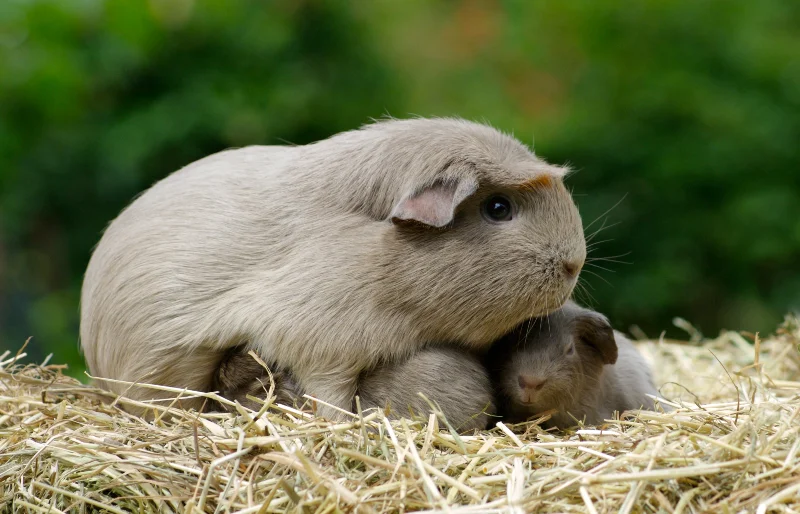
Guinea pigs are part of the Cavy Family, within the Order Rodents, and are popular pets. Life in the guinea pig lane moves deceivingly fast when compared to some other species. You might be surprised to learn that guinea pigs can be producing more guinea pigs when they are only 2 to 3 months old!
You may also be disappointed to learn that baby guinea pigs are called pups, not guinea piglets.

Before You Start
Veterinarians and animal welfare agencies do not recommend owners breeding their guinea pigs due to the difficulty in finding suitable homes for the multiple pups subsequently born, and it also reduces the lifespan of the female.Given the information above, it is therefore vital that you have the sex of your guinea pigs identified accurately, even if they are only babies.
Key Facts:
Unfortunately, in pet stores where many guinea pigs are bought, females have often been housed with other males with neither the male nor the female being neutered. Bringing home a pregnant guinea pig is therefore more common than you may think! Accidents may also happen at home. Whatever the scenario, how can you tell if your guinea pig is pregnant?
The 5 Methods How to Tell if a Guinea Pig Is Pregnant
There are only a few signs to give you an indication that your female guinea pig is pregnant. For confirmation and approximation on whereabouts they are in the gestation, take your guinea pig to your veterinarian, who will examine them and likely perform tests, such as listening to their abdomen with a stethoscope for extra heartbeats and/or an ultrasound scan to confirm all the details you wish and need to know.
1. Contact With an Intact Male
Males and females should be kept and housed separately until the boar is neutered. It is easier, less complex, and safer to neuter the male rather than the female. However, this procedure cannot be performed on the male until they are around 3 or 4 months old, giving plenty of time for mating to occur.
If you know your female has been around an intact male, there is a higher chance that your female is pregnant than not.
2. Increased Appetite
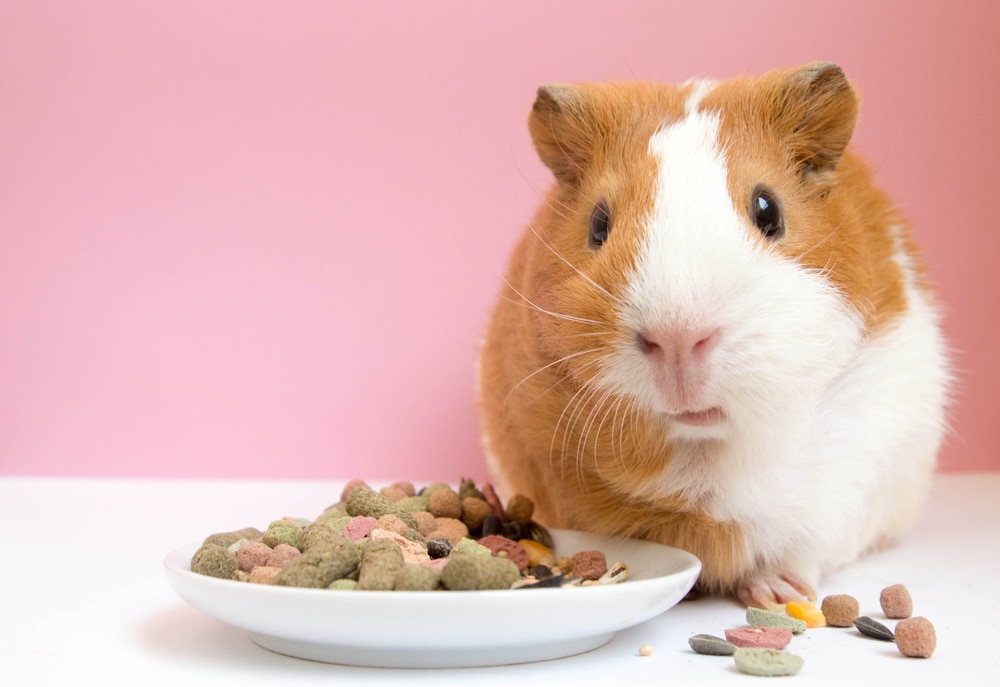
A pregnant guinea pig will begin to have a more vivacious appetite. If they are drinking more water, polishing their bowls of food off more quickly, and munching their way through extra treats, pregnancy should be high on your list of explanations for this sudden increase in food and water.
3. Size and Weight
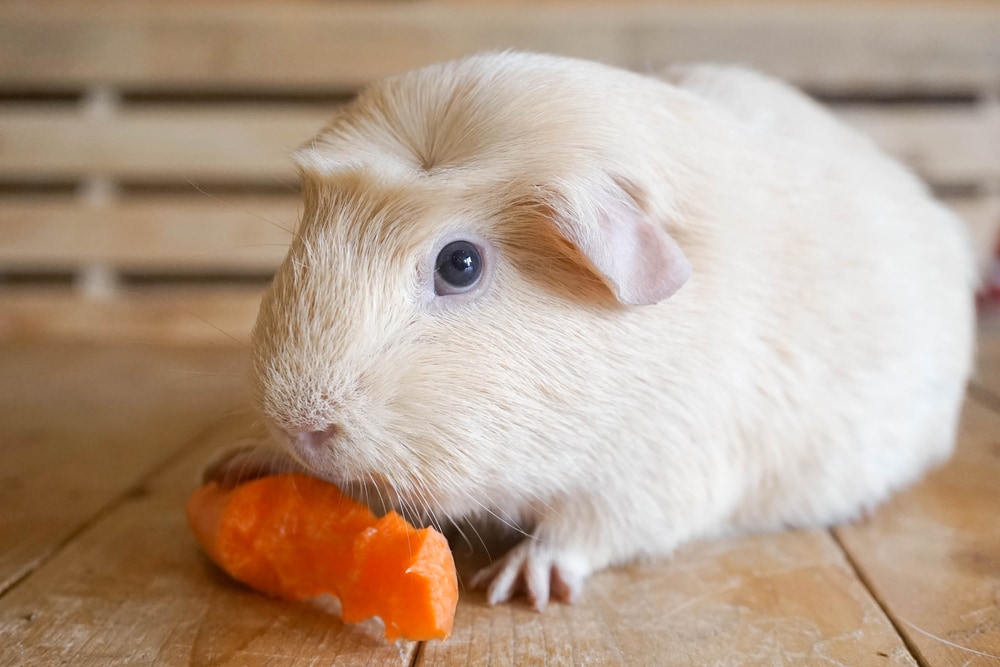
As with any other pregnant animal or human, weight gain is one of the first physical signs of pregnancy. By the end of the term, they will have doubled in weight. This is a gradual process and not immediately apparent, particularly if you are around them all the time. Weighing your guinea pig daily is a good way to check if they are gaining weight, as they will begin consistently adding the grams after only 2 weeks.
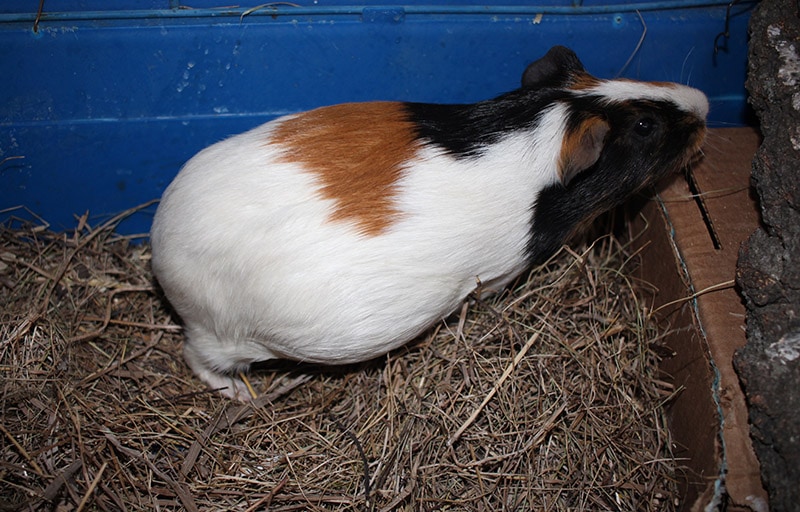
Pregnant sows also develop a pear-shaped abdomen, which will become more obvious as the days go on. By around days 50 to 60, their big belly will be unmissable!
If you are seeing these signs in a guinea pig that either
you should make an appointment with the vet, as there may be other health conditions causing these physical changes.
4. Feeling Their Abdomen for Pups
In the later stages of pregnancy, wiggling and moving pups can be felt by having a gentle feel of the sides and underside of their abdomen. Care should be taken, as the sow by this stage of gestation might be a little grumpy and dislike being poked and prodded. The pups will feel like lumps and may move around a little.
Caution should always be exercised, as not all lumps felt in the abdomen are pups and could be a different problem, such as cysts, particularly if the lumps aren't moving when touched. If in doubt, have your veterinarian check any lumps and bumps out.
If they are showing signs of stress having their abdomen palpated, such as growling or trying to get away, do not continue and let your veterinarian perform this activity. Undue stress can cause many unnecessary issues, especially during pregnancy.
5. Behavioral Changes
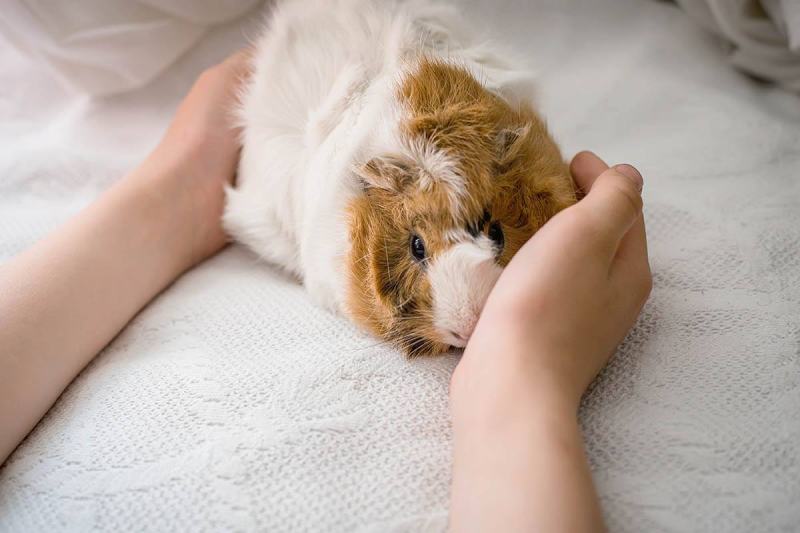
Female guinea pigs are often placid and friendly, but behavior can change once they are pregnant, and you may notice they begin to show one or all of the following signs:
Conclusion
Guinea pigs reproduce easily and rapidly so separation between the two sexes early on is paramount. Unfortunately, this often doesn’t happen, so it is important to enquire about how your guinea pig was housed before taking her home to avoid any surprises.
Reputable breeders and rescue centers will separate them and likely have the males neutered when at an appropriate age and health. Guinea pigs sought from reputable places will also be in good condition and healthy.
Any suspicions at all surrounding the pregnancy of your pet should be confirmed by your veterinarian who will also advise on ongoing care, alterations needed, and, of course, how to look after the impending baby piggies.
Featured Image Credit to: Pernille Westh, Shutterstock
Get Hepper In Your Inbox


Pet care tips from our vets and experts, straight to your inbox.
You may opt-out at any time. View our Privacy Policy for more information.
Annaliese began her career as a veterinary nurse in Edinburgh, later advancing her qualifications with a diploma in advanced veterinary nursing in surgery from London. Her work in small and mixed veterinary practices led her to become a head nurse, where she trained other veterinary nurses, managed the nursing department, conducted nurse clinics, and developed new patient care protocols.
Throughout her career, Annaliese has cared for thousands of patients and their owners, setting higher standards in nursing regimes with a focus on surgery and anesthesia. She co-authored multiple veterinary nursing textbooks and contributed to various mainstream publications in the UK and USA. After more than twenty years in the veterinary and pet care professions, she retired from clinical practice to pursue full-time writing. Having cared for thousands of patients and owners, Annaliese specialized in surgery and anesthesia. She was asked to co-author several veterinary nursing textbooks and contributed to a number of other publications in the UK and USA. After more than two decades in the veterinary and pet care industries, she retired her scrub suit and now works as a full-time writer.
Annaliese Morgan has been a dedicated veterinary nurse for over two decades, having completed a diploma in advanced veterinary nursing in surgery from London and qualifying from Edinburgh. Her professional experience includes managing a nursing department, training other veterinary nurses, providing patient care, and running nurse clinics in both small and mixed veterinary practices.
As an expert in surgery and anesthesia, Annaliese has treated thousands of patients and owners. In addition to being asked to co-author multiple veterinary nursing textbooks, she has written for a variety of publications in the UK and USA. After a long and successful career in the veterinary and pet care professions, Annaliese now dedicates her time to writing full-time. You can find out more about her work at www.annaliesemorgan.com.
Join the conversation
Ask a question, share your story, or send private feedback.