Hepper is reader-supported. When you buy via links on our site, we may earn an affiliate commission at no cost to you. Learn more.
Do Pomeranians Bark a Lot? Read If You Plan to Get One!
In this article
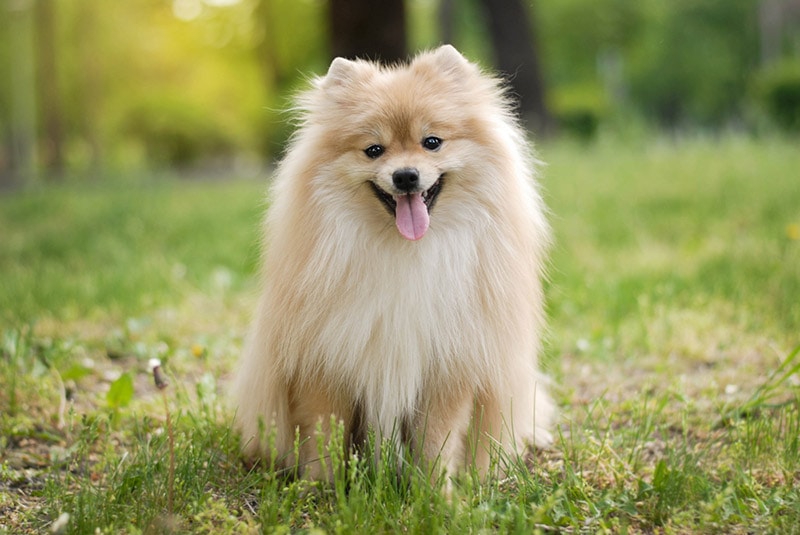
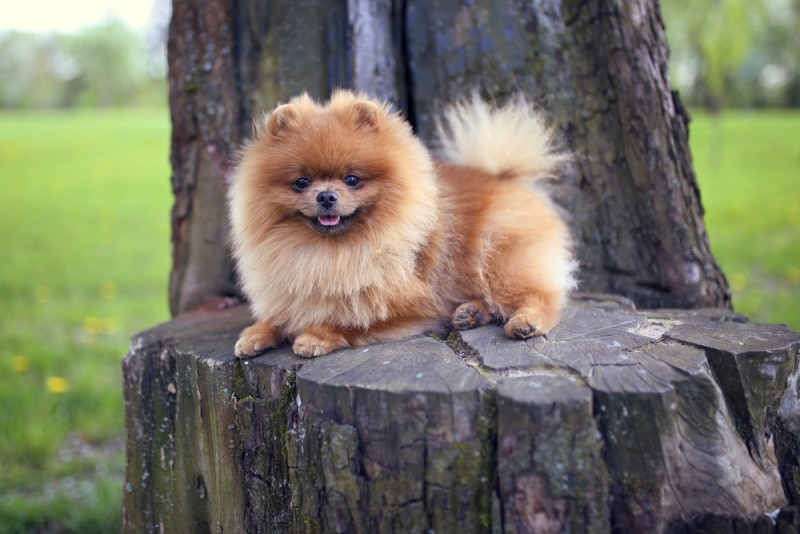
Pomeranians are tiny little fluff balls that weigh roughly 7 pounds. These lively little dogs are perfect for seniors due to their small size, and they do well with apartment living. Pomeranians are part of the toy group with fox-like faces and bubbly personalities that will melt any dog lover's heart. Given all the positive qualities, are there any negatives? Do Pomeranians bark a lot? Unfortunately, if there is one potential drawback to these little spitfires, it’s yes, they do bark a lot.
Don’t let this fact discourage you from owning one because you can train your Pom not to bark excessively. Keep reading to learn more about these little dogs and their barking habits.

Do Pomeranians Bark More Than Other Breeds?
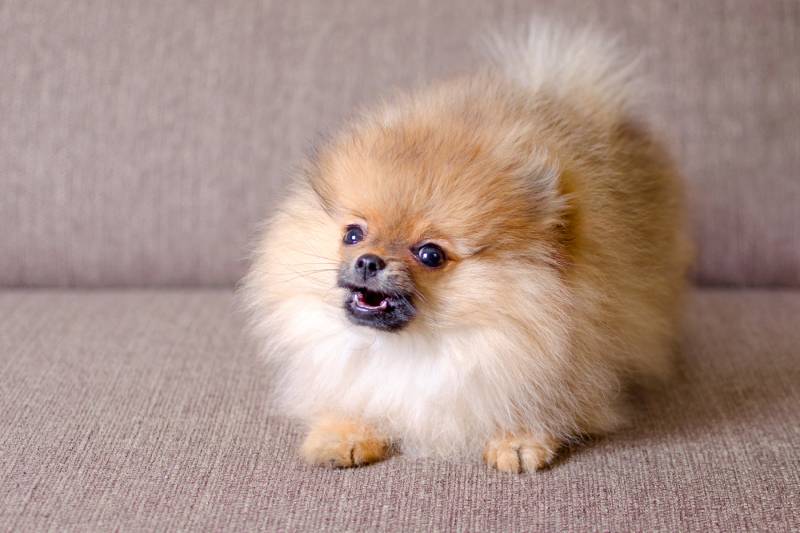
Poms are very alert little dogs and actually make excellent watchdogs. They are extremely vocal, and they do bark more than other breeds. Poms are alert and love to express any concerns they may have, and they do this by barking. In truth, Poms are ranked one of the highest among small breed dogs that bark.
If you need help training your dog, we suggest speaking with a vet.
The 6 Reasons Why Pomeranians Bark So Much
Now that we’ve established that Pomeranians bark a lot, is it a bad thing? Before we answer that question, let’s find out why they bark so much. Poms bark to communicate with you, and they will bark if they feel something is “off.” Let’s break it down:
1. Stranger Alert
Poms are protective of their owners and will bark in the presence of a stranger. While some breeds may be excited and friendly toward strangers, Pomeranians look at them as a threat, and they bark to alert you to potential danger.
2. Seeking Attention
These little dogs love being the star of the show, so to speak, and if they feel they are being neglected or not offered as much attention as they’d like, they will bark to simply get your attention. Poms can bark persistently until they get what they want, which could include wanting a treat or whatever food you may be eating at the time.
3. Boredom
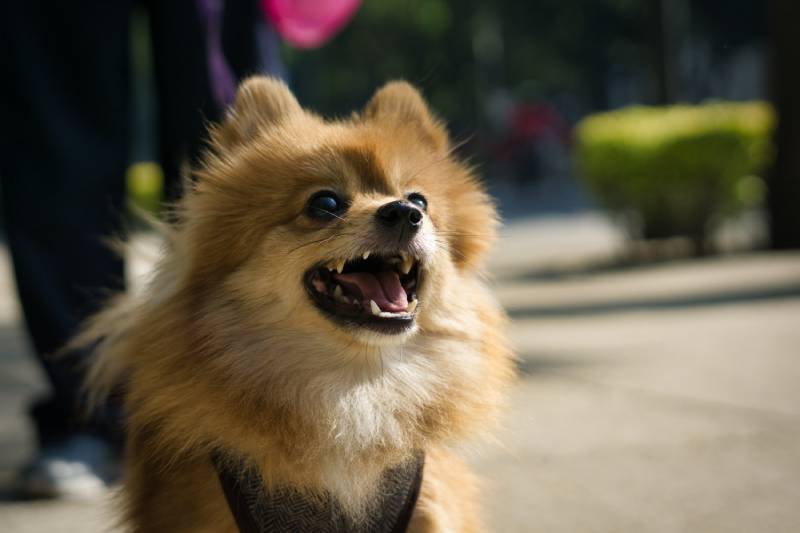
Boredom can make your Pom annoyed, and they will retaliate by barking. Given their lively temperament, Poms love activity, and if they have nothing to do and get bored, they’ll let you know about their displeasure.
4. Doesn’t Feel Well
Poms may bark when they are not feeling well. They feel they need to communicate this to you by barking. After all, barking is the only way they can vocalize, and just like a child, if they don’t feel good, instead of crying, they’ll bark to alert you.
5. Loud, Sudden Noises
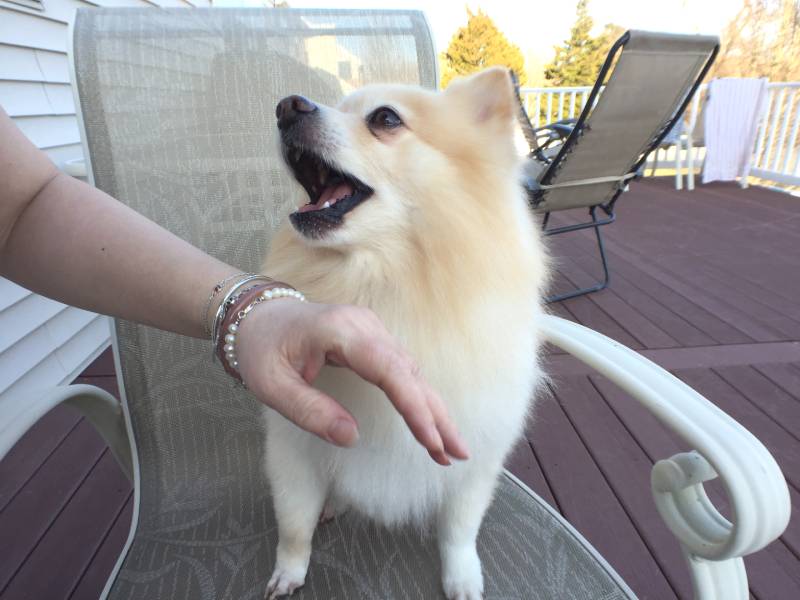
A loud, sudden noise is something out of the ordinary, and a Pom will bark to alert you to the unfamiliar sound. Again, they are protective of their owners, and they may mistake a sudden, loud noise as a threat—this is not necessarily a bad thing, as a sudden, loud noise may actually be something you need to attend to.
6. Excitement
Pomeranians get excited easily, and they will bark to let you know just how excited they are. You can bet that when you come home from having been gone a while, they will bark to show you how happy they are to see you, especially if they suffer from separation anxiety. A Pom may also bark when they see a leash and harness or if going for a car ride. Anything exciting to them will make them bark with happiness.
The 7 Ways to Train Your Pomeranian Not to Bark Excessively
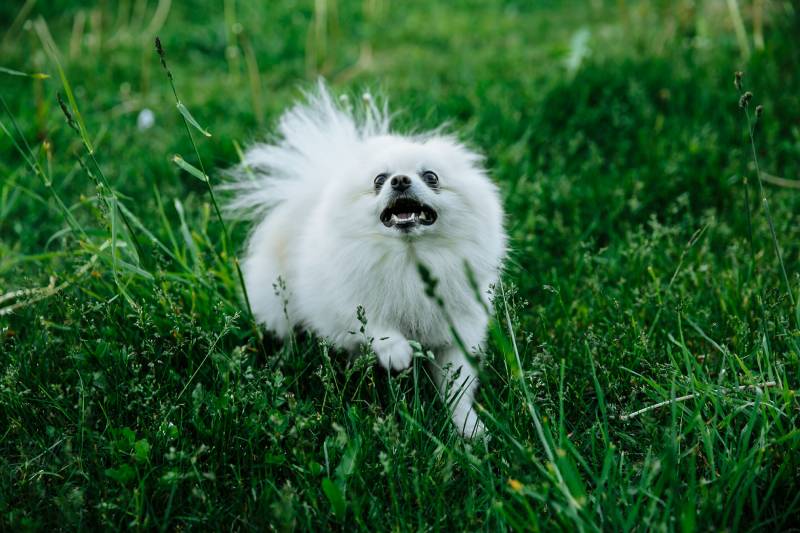
It is possible to train your Pom not to bark so much. Of course, a Pomeranian is a dog and dogs bark as a way to vocalize and communicate with us, but you don’t want it to get out of hand. Here are some training tips that may be helpful when you get a Pomeranian puppy.
1. Identify the Bark
Poms will bark for a variety of reasons, and learning what type of bark your Pom is trying to communicate to you will help get to the root of the cause. For example, is your Pom bored, anxious, in pain, stressed, happy, or alerting you to danger? If the bark points toward boredom (a little grunt bark), try adding more interaction with your Pom by playing with a favorite toy or showing affection.
If the bark is high-pitched and loud, this means your Pom is alerting you to a stranger or some other event they find a threat. In time, you’ll learn the different barks and what they mean through trial and error.
2. Ignore your Pom
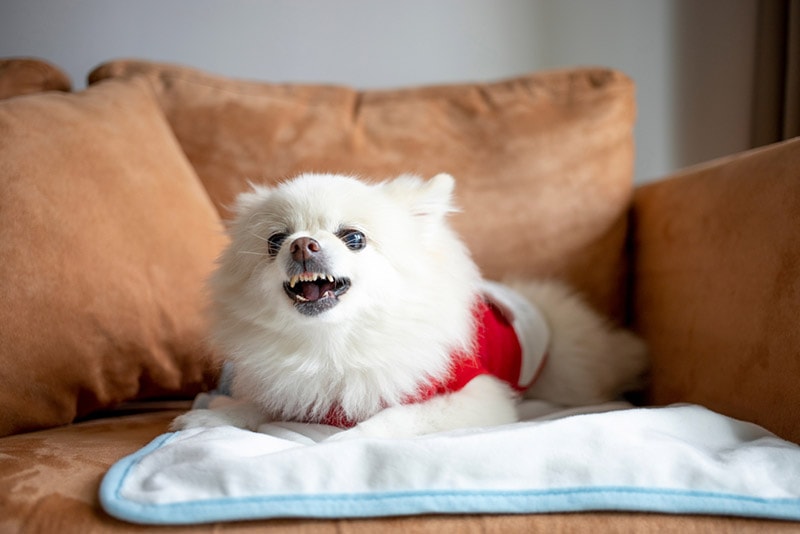
We know this may sound harsh, but once you’ve learned your Pom’s different barks and what they mean, ignore the petty barks. For example, if your Pom is barking because they want a treat or simply your attention, ignore them. It may hurt at first but will pay off in the long run. You have to let your Pom know that barking will not give them attention, nor will it get them a treat.
3. Redirect Their Attention
When your Pom barks at something unnecessarily, such as a dog walking by your home or a friend coming over, redirect their attention toward you. Teaching the command "sit" comes in handy here. Tell your Pom to sit, and then reward them with a treat. Do this again and again until your Pomeranian loses the desire to bark at such unnecessary things.

4. Be Quiet
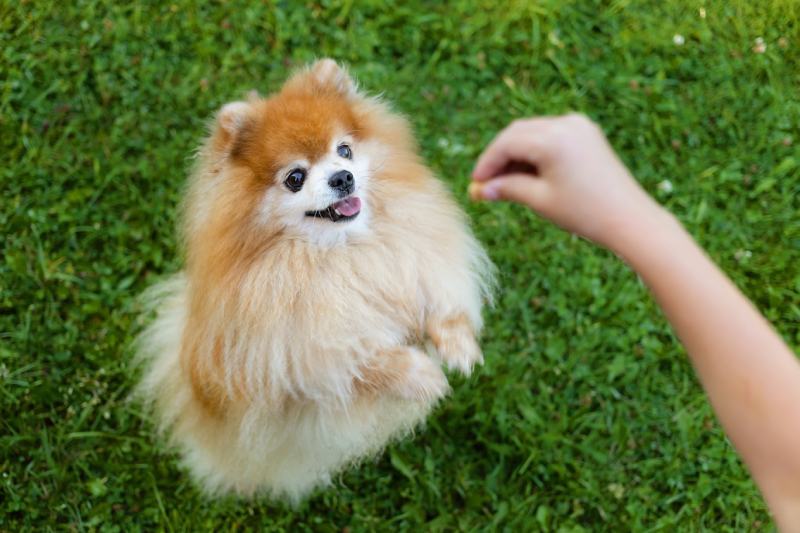
Have your Pom become very familiar with this command, as it will be beneficial in many situations when you don’t want your Pom to bark. When they bark, tell them to “be quiet.” An important step here is to have a treat ready. Wave the treat in front of their nose—they should instantly stop barking while sniffing the treat. When your Pom stops barking, reward with the said treat.
5. Don’t Yell!
When you’re Pom barks, don’t yell or shout at them. Rather, calmly but firmly tell them to “sit” or “be quiet.” When they do what you ask, be sure to give praise and a treat. Poms are clever little dogs and will pick up on the routine and figure it out pretty quickly.

6. Use Positive Reinforcement
Using positive reinforcement training is the key to successful training with any dog. Never yell at your dog, and most importantly, never, ever hit your dog. Using negative methods will only make your dog afraid of you. Positive reinforcement allows your dog to know that they will get a treat and praise when they obey your commands, and it keeps it positive and fun, which produces the results you want.
7. Be Consistent
Consistency is another key component to successful training. It takes a little time and patience on your end, but Pomeranians love their owners and want to please them. Remember that these little doggies are smart and clever, and with consistency and time, your Pomeranian will be better behaved and won’t bark unnecessarily.

Summary
Even though Pomeranians are barkers and tend to bark more than other breeds, they still make excellent companions. Their tiny size makes toting them around easy, and with patience and time, you can train your Pom to not bark at every little thing. They make wonderful little watchdogs, so keep this in mind when training—you don’t want to train them not to bark when it’s warranted.
It’s also important to learn your Pom’s bark to ensure they’re not in pain or have some other health issue. Over time, you’ll be able to differentiate when a bark is just for attention or if something’s wrong.
Featured Image Credit: nadisja, Shutterstock
Get Hepper In Your Inbox


Pet care tips from our vets and experts, straight to your inbox.
You may opt-out at any time. View our Privacy Policy for more information.

Rachel Giordano is a writer and musician out of Pensacola, Florida, living there with her partner and their two dogs, Aero, a Border Collie/Sheltie mix, and Sophie, a Boston Terrier. Rachel has a Bachelor of Arts degree in communication and enjoys writing about all types of animals. When Rachel’s not dedicating her time to writing about animals, she enjoys writing thriller/suspense novels. A writer by day and a musician by night, she's passionate about educating the public about the requirements and needs of all types of animals.
Join the conversation
Ask a question, share your story, or send private feedback.