Hepper is reader-supported. When you buy via links on our site, we may earn an affiliate commission at no cost to you. Learn more.
How Much Do Bichon Frises Bark? Breed Facts & Helpful Tips
In this article
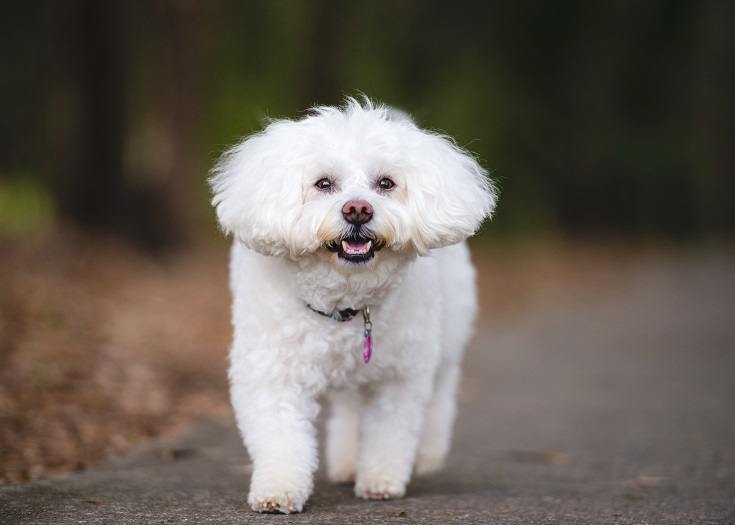
The Bichon Frise is a very energetic dog breed that always seems to be happy. They are loved and revered because of their loyalty, affection, and intelligence. As companion dogs, these dogs are supposed to be quiet and reserved, and not that vocal.
So, if your Bichon Frise is barking a lot, there could be a plausible reason such as certain underlying issues contrary to being a personality trait as most people would assume. All the same, with early training, sufficient attention, and behavioral correction, the Bichon Frise can be a very quiet and well-behaved dog.
In this article, we will discuss the reasons why your Bichon Frise might bark a lot, and how to prevent it from barking. Read on to learn more.

Are Bichon Frises Meant to Be Barkers?
Even though most Bichon Frises might bark a lot for certain reasons, they are not a barking dog breed, or at least they are not supposed to be.
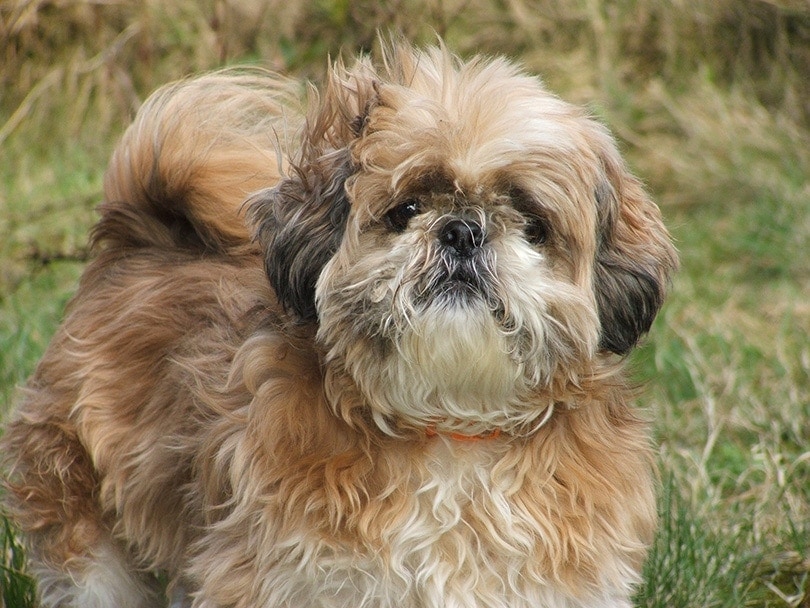
This dog breed served as companion dogs throughout history. Barking may have been useful when alerting owners to potential threats, but they were not specifically bred to serve as guard dogs like other small dog breeds such as the Lhasa Apso.
So, due to their historical background as companion dogs, Bichon Frise shouldn’t bark a lot. Their intelligence and willingness to learn makes it easy to pick up on training, which is essential to curb unintended barking.
If you need help training your dog, we suggest speaking with a vet.

The 5 Reasons Bichon Frises Are Likely to Bark a Lot
As you may have gathered by now, this breed doesn’t bark unnecessarily, well at least not in their minds. So, if your Bichon tends to bark a lot, here are some of the likely reasons why it would become more vocal.
1. Call for Attention
Generally, Bichon Frise needs a lot of attention to thrive. They expect to be the center of attention at all times. If they are ignored even for a small duration of time, they are likely to act out and bark to get the owner's attention.
Similarly, most people love the small and cuddly nature of this breed and enjoy babying them and carrying them around everywhere they go. Unfortunately, this can also be very detrimental to your dog, and just like spoiled children, they will act out and continue expecting attention and exceptional treatment.
2. Loneliness
Bichon Frises don’t do well when left to their own devices. They are happier and better off surrounded by their human owners. This can be attributed to the fact that they tend to suffer from separation anxiety if left alone for too long.
They are also prone to post-traumatic stress disorder. Consequently, they may bark excessively, or adopt destructive behaviors such as chewing.

3. When Facing Strange People and Dogs
Your Bichon Frise is also likely to bark a lot when around unknown people or even unfamiliar dogs. If they feel fearful or uncertain, they could whine or even nip at a strange dog or child. This is especially more common for Bichons that have not been sufficiently or properly socialized from the puppy stage.
4. When Under Duress
Some Bichon owners unwittingly exacerbate the barking problem by punishing their dogs. This kind of behavior from the owners tends to stress them out and overwhelm them, which only makes them bark even more.
5. Injuries and Illnesses
If the above-mentioned potential reasons for your Bichon's excessive barking do not apply to your dog, consider consulting your local veterinarian. An underlying medical issue could be the root cause. After all, barking is the only way that this small dog can communicate to the owner about its pain and discomfort.


The 4 Ways to Stop Your Bichon Frise From Barking Excessively
Redirection helps to train dogs to control the amount of noise they make and to refrain from seeking attention or letting out pent-up energy. While you don't want your Bichon Frise never to bark, stopping them from barking unnecessarily and excessively is essential.
If you happen to own a Bichon Frise that seems to bark continuously, there are a few strategies that you can employ to reduce or eliminate the annoying behavior.
1. Training and Socialization
Socialization and early training are imperative for all dog breeds and with this small breed, it will help them learn about coping mechanisms and proper canine behavior.
If your Bichon is trained not to bark, you are likely not to have a problem with an overly yappy dog. Yet, if you do not properly motivate your dog, it might decide to bark, despite your reprimands.
This breed also features an independent streak. Therefore, training is essential to let him know when it is appropriate or not appropriate to bark.
2. Behavior Correction
Immediately you notice inappropriate behavior from your Bichon Frise, you should correct the behavior.
However, showing a firm hand doesn’t necessarily mean that you have to be mean or harsh with your dog. You need only stand your ground and show them that you are in control and don’t condone the bad behavior. Since dogs are smart, they will catch the drift.
Use positive reinforcement instead of punishing your dog for bad behavior. This would include praising and encouraging your dog for obeying your commands while giving them a treat of something yummy.

3. Counter Separation Anxiety
You can do some things to combat excessive barking arising from separation anxiety proactively.
For instance, you can let your Bichon Frise feed and entertain themselves with a food or treat distributor instead of a feeding bowl. That will act as a way to augment their alone time and keep them from missing your presence too much.
Also, make as little a deal as possible about your comings and goings to keep the excitement at a minimum for your Bichon Frise. So, leave without saying goodbye and reduce signs that precede your leaving like picking up a jacket, car or house keys or increasing your speed towards the front door.
Your Bichon Frise will, with time, stop noticing your goings and comings, reducing the chances of separation anxiety and quieting down its unnecessary barks.
4. Other Approaches
If the above-mentioned approaches don’t seem to work with your Bichon Frise, you might need to take more drastic measures such as purchasing an e-collar. The e-collar is considered one of the safest dog collars. This collar is more effective, especially if used during training sessions.
Keep in mind that while the Bichon Frise might bark while playing with other dogs, it is perfectly normal behavior that doesn’t need to be addressed. You should only attempt to correct the behavior if your dog barks or excessively barks to get its own way.

The 3 Tips for Keeping Your Pet Healthy and Safe
1. Exercise
Ensure that your dog is getting plenty of exercise to help them release pent-up energy. Bichon Frise might be a small dog but it is full of energy, which if not released, the dogs can use in poor and destructive ways.
2. Grooming
Bichon Frises have a low shedding coat, but their long fluffy hair should be cut and brushed regularly to disentangle and eliminate knots. Besides, practice regular nail trimming, baths, as well as ear and mouth cleaning.
3. Nutrition and Diet
Give your Bichon Frise two or three meals a day of a balanced, high-quality diet instead. Avoid cheap fillers like soy, corn, grain, and food sources that may cause allergies. Similarly, avoid human foods like onions and garlic, which are mildly toxic to dogs and will cause digestion issues.


Conclusion
While the Bichon Frise might bark a lot, it is not supposed to because the breed is known to be quiet and reserved as a companion dog should be. In a nutshell, if your Bichon is barking excessively, there is a plausible reason behind it. Nevertheless, you must correct or address the issue immediately after you realize that your pooch is a barker.
Since Bichons are an intelligent and sensitive breed, they will get their cues from you. So, you should be positive and calm around them. Additionally, you should train and socialize them from an early age so that they are taught appropriate behavior.
Sources
Featured Image Credit: Kellymmiller73, Shutterstock
Get Hepper In Your Inbox


Pet care tips from our vets and experts, straight to your inbox.
You may opt-out at any time. View our Privacy Policy for more information.

Nicole is a lover of animals of all sizes but is especially fascinated with the feline variety. She’s the proud mom of Baby, a Burmese, and works every day so he can relax in the sunshine or by the fire. She’s always had a cat in her home and has spent countless days with others, observing behaviors and softening up even the grouchiest of the lot. Nicole wants to share her kitty expertise with you so you and your cat can live happy, healthy, and care-free.
Join the conversation
Ask a question, share your story, or send private feedback.