Hepper is reader-supported. When you buy via links on our site, we may earn an affiliate commission at no cost to you. Learn more.
Do Rabbits Need Shots? Facts & FAQ (Vet Answer)

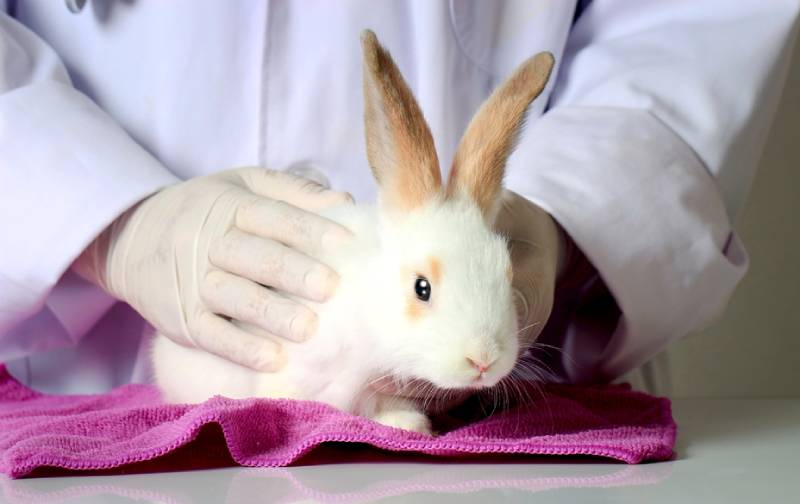
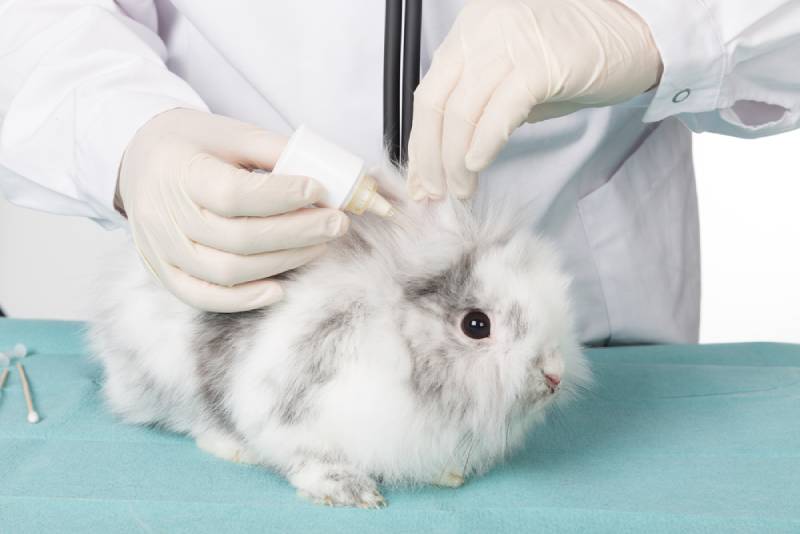
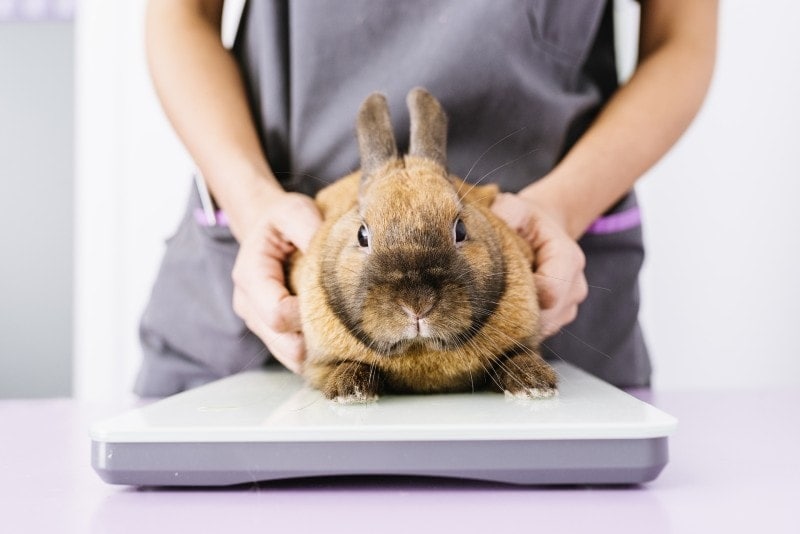
Do rabbits need to go to the vet yearly for an annual checkup like a dog or cat? The answer is yes. Rabbits need a physical exam and veterinary assessment every year, just like any other pet.
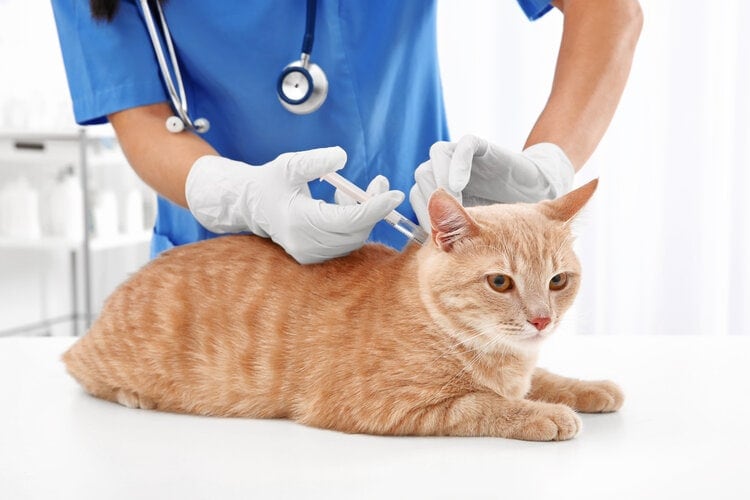
And it is at that veterinary exam that you will learn if your rabbit needs shots.
Currently, there are two consequential viral infections that have rabbit vaccines: myxomatosis and rabbit hemorrhagic disease. The availability and importance of vaccines against these infections depend on a few factors.
Read on to learn more!

Myxomatosis
Myxomatosis, a deadly viral disease, is spread globally; however, it may be more prevalent and common depending on where you live. The vaccine itself is not available everywhere. Ask your veterinarian if it is an important vaccine for your location.
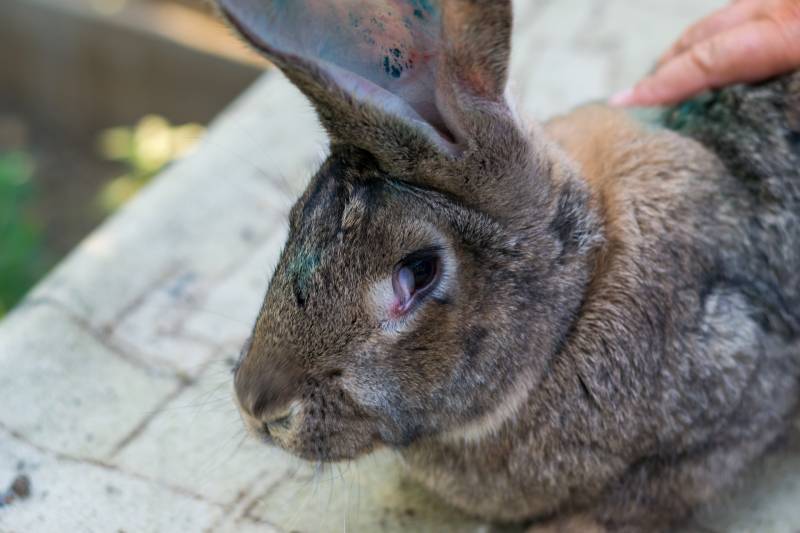
Myxomatosis causes severe facial and head swelling and a running, stuffed-up nose, making it difficult to breathe. It even causes the ears to swell, which may be the most apparent sign that something is wrong. There is no effective treatment for myxomatosis. The myxomatosis vaccine protects rabbits from this disease.
Rabbit Hemorrhagic Disease
Rabbit hemorrhagic disease is a deadly infection. As a result, it is highly monitored worldwide. In Europe, Australia, New Zealand, and Asia, the vaccine may be available at your local vet.
A highly contagious virus, rabbit hemorrhagic disease can spread from rabbit to rabbit by catching a ride on other animals. Even an indoor rabbit can catch it when their human brings it in on their shoes. However, humans and other species of animals cannot catch it and get sick.
The virus pops up in the USA occasionally, but the vaccine is not currently approved by the US government. However, your vet may be able to protect your rabbit with the use of a special vaccine permit anyway—especially if there is a current outbreak in your area.
Factors Surrounding the Need for Rabbit Vaccines
1. Location
The two rabbit vaccines may or may not be available in your area because the virus is or is not there. If the disease is not in your area, then there is probably no need to vaccinate your rabbit. But if it is, then your rabbit probably needs it.
2. Outbreaks
Occasionally, rabbit viruses get into a part of the world where they were not before. When this happens, an effort is made to eradicate the disease, and vaccinating the healthy population may be a part of that eradication plan.
If there is an outbreak of a rabbit virus in your area, you may need to get your rabbit vaccinated even if they were not vaccinated last year.
3. Vaccine Availability
Even if a disease is prevalent in your area, sometimes it can be difficult to make and distribute enough rabbit vaccines to everyone who wants it.
Plus, just like human vaccines, rabbit vaccines are thoroughly examined and regulated by public health officials in each country. Depending on where you are in the world and the government policies, a vaccine may or may not be available to your veterinarian. See the section below on rabbit hemorrhagic disease for an example of this.

How Can I Prevent My Rabbit From Getting These Diseases?
The vaccines need boosters, usually every year. This is especially important in particularly contagious areas. Getting an annual booster keeps the efficacy of the vaccine maximal.
A yearly physical exam is the best preventative health for a rabbit. At the annual exam, you and your vet can make sure the status of a vaccine has not changed—that your rabbit does not need protection this year, even if they didn’t last year.
It is the chance to make sure that there is not a current outbreak of disease in your area that you should be aware of. And most importantly, it is a chance to make sure you are doing everything you can to keep your rabbit’s immune system as healthy as possible, with or without the added protection of vaccines.
Concluding Thoughts
While the thought of your rabbit getting sick is scary, the best way to prevent infectious diseases is by having knowledge about them. Vet care for rabbits is not as straightforward as for a cat or dog. If you're a rabbit owner or think you want to get one in the future, reach out to your vet to see if those vaccines are necessary. Working with a specialized rabbit vet is the best way to keep them happy and healthy.
Sources
Featured Image Credit: tella_E, Shutterstock
Get Hepper In Your Inbox


Pet care tips from our vets and experts, straight to your inbox.
You may opt-out at any time. View our Privacy Policy for more information.
Dr. Chantal is passionate about the human-animal bond and improving animals' lives through their connections with their human companions. She has worked with many different species, big and small, including dogs, cats, birds, rabbits, guinea pigs, reptiles, amphibians, and even horses and mice. Chantal is excited to share her knowledge using her writing to help people connect with their animal friends.
Dr. Chantal believes that the best way for animals to be healthy is for their humans to understand their needs and well-being. She loves spreading her knowledge to as many people as she can through her writing.
Education
Dr. Chantal graduated from the Royal Veterinary College in London, England, where she received her vet degree. She then received her Masters in Conservation Medicine from Tufts University.
Experience
Dr. Chantal has worked with animals her entire life in many fields, even outside of veterinary medicine. She managed horse barns, worked as a dog trainer, and as a wildlife biologist before attending vet school. Chantal has been a veterinarian for over three years and continues to work with dogs, cats, and exotic animals. And, she still knows a thing or two about horses.
Join the conversation
Ask a question, share your story, or send private feedback.