Hepper is reader-supported. When you buy via links on our site, we may earn an affiliate commission at no cost to you. Learn more.
Does Ammonia Kill Fleas? Vet-Approved Safety & Effectiveness Guide


In this article
Fleas—these tiny little creatures are the bane of pet parents everywhere. Once they show up on your pet, you begin to find them on everything in your home, and everyone is miserable. Killing fleas can be difficult though, as they’re tenacious. And while there are tons of flea prevention and control methods on the market, such as medications and topical treatments, some are more effective than others. Some people prefer not to use medicinal products for personal reasons. It is recommended to contact your local veterinary clinic to discuss safe and efficacious flea control products.
When it comes to cleaning the house to get rid of these pesky critters, many want to take a simpler approach by using products they already have in the home, but which products work best? Does ammonia kill fleas? It does; however, it’s not the best or safest solution to use. Why is that? Read on to learn why.

Ammonia and Pets
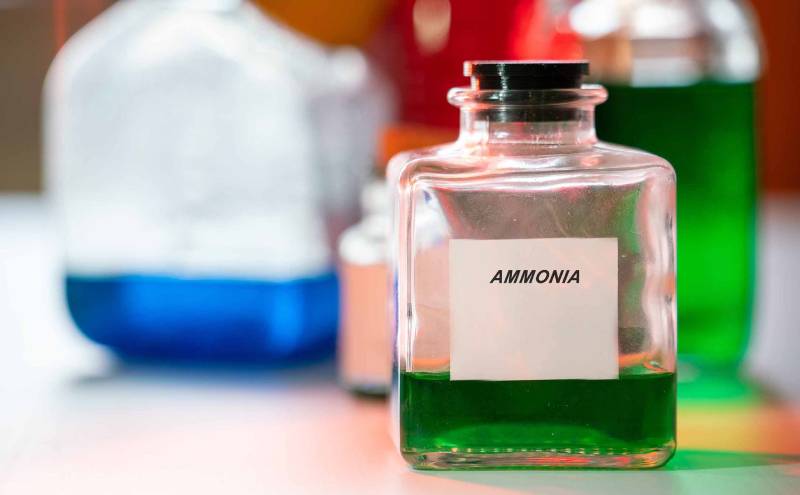
Ammonia helps kill fleas in the home, but it is harmful to your pets, you should never directly apply ammonia to pets. And you don’t want to use ammonia anywhere around them, either. Ammonia is toxic and harmful if ingested, inhaled, or in contact with ourselves and pets. Make sure to read the instructions for use carefully. How does this chemical harm our animals?
You might have heard that ammonia can make an effective cat and dog repellent if you’re trying to prevent stray animals from wandering into your yard. It works as a repellent because cats and dogs have extremely sensitive noses that get irritated by this product. But it doesn’t only irritate your pets’ noses.
If ammonia is breathed in, it can cause damage to the throat, lungs, and stomach in animals. In fact, one 1980 study researched the effects of exposing perfectly healthy felines to ammonia gas for 10 minutes.1 They found that exposure to this product could lead to harsh damage to feline lungs and even death.
So, you never want to use ammonia around your fur babies!
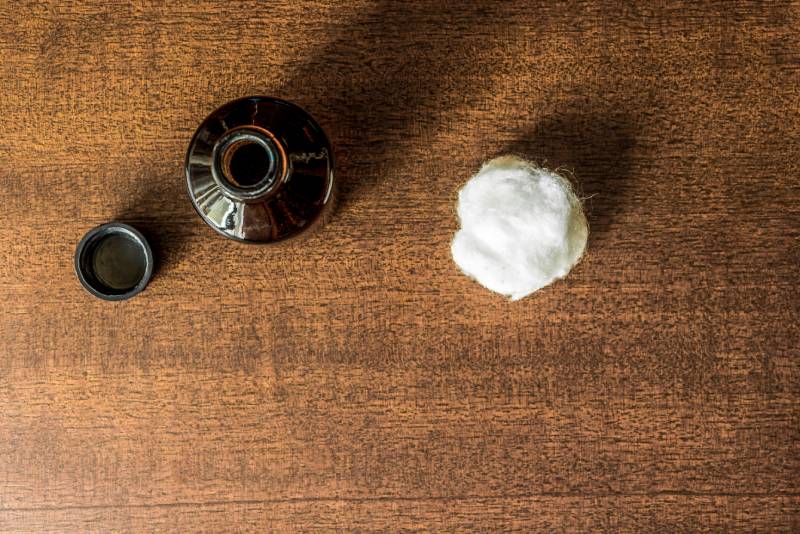
How to Use Ammonia Safely
If you’re absolutely desperate to get rid of the fleas in your home and still want to use ammonia, there are some tips that will make it safer for your pets.
- Remove all pets from the home for at least the next 4 hours (preferably more).
- Breathing in ammonia isn’t good for you either, so wear a face mask and open windows.
- Ammonia is usually used to clean hard surfaces, floors and tiles.
- Wait 2–3 hours and thoroughly wash everything the ammonia has come in contact with.
- In addition to using ammonia on hard surfaces you should vacuum carpets and hot wash pet bedding.
- Once the ammonia odor has dissipated, you can bring your pets back in.
It’s also important to know that while people have had luck using ammonia to kill the fleas in their homes, this method has no proven effectiveness, so it might not work for you.
What’s the Best Way to Kill Fleas in the Home?
If you want to kill fleas in your home without risking your pets’ safety, the CDC recommends:
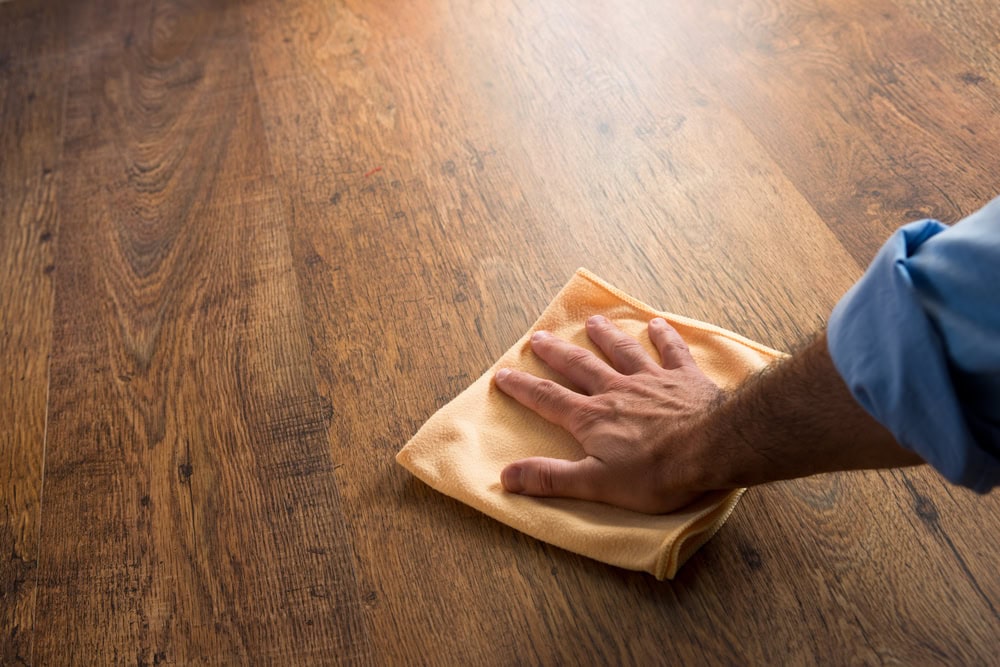
- Hardcore cleaning, including washing everything fleas come in contact with, sweeping, mopping, and vacuuming all floors including skirting boards and underneath furniture
- Bathing all pets, then treating them with flea control
- Follow-up vacuuming and cleaning over the next couple of weeks
Unfortunately, getting rid of fleas is hard work, and there aren’t any shortcuts to effectively ridding your home of them. Due to the flea life-cycle it may take several months to completely get rid of a flea infestation.
Flea Prevention
Of course, the best way to avoid fleas altogether is with flea prevention; luckily, plenty of that is available. As previously mentioned, you can use several methods of flea prevention for your pets, such as medication, topical treatments, flea shampoos, and flea collars. You should speak with a vet about the most suitable product for your animal.
If you’d rather use a more natural method of controlling fleas, there are a few of those available, as well. There’s baking soda, diatomaceous earth, apple cider vinegar and lemon, cedar, houseplants, and more! When using natural methods of flea control, though, just ensure you aren’t actually using a product that’s toxic to your cat or dog. Some everyday household items are surprisingly harmful to our pets, so double (and triple) check that what you’re using is safe for use around or on animals!
Final Thoughts
Ammonia can kill fleas in the home, but it isn’t the best or safest solution. Ammonia is extremely harmful to our pets as it can hurt the respiratory system so never use it directly on them! However, if you’d still like to try it, just be sure you remove all animals from the home for several hours while the ammonia is in use.
There are plenty of ways to eliminate and prevent fleas, though. While getting rid of them can be difficult work, preventing them is much easier. Simply get flea control from your vet or use an appropriate and safe all-natural option. Trust us, avoiding fleas in the first place is the best method when dealing with these pesky bugs!
Sources
Featured Image Credit: luchschenF, Shutterstock
Get Hepper In Your Inbox


Pet care tips from our vets and experts, straight to your inbox.
You may opt-out at any time. View our Privacy Policy for more information.
Misty Layne lives out in the woods in small-town Alabama with her two Siamese—Serafina and Jasper. She also has an array of stray cats, raccoons, and possums who like to call her front porch home. When she’s not writing about animals, you’ll find her writing poetry, stories, and film reviews (the animals are, by far, her favorite writing topic, though!). In her free time, Misty enjoys chilling with her cats, playing piano, watching indie and foreign films, photographing abandoned places, and catching up on her never-ending TBR list.
Join the conversation
Ask a question, share your story, or send private feedback.