Hepper is reader-supported. When you buy via links on our site, we may earn an affiliate commission at no cost to you. Learn more.
Does Cedarwood Oil Kill Fleas? Vet-Reviewed Safety & Effectiveness


In this article
Dealing with a flea infestation can be frustrating for pet owners. In addition, some pet owners may worry about using pesticides to kill fleas on their pets and wonder what alternatives, such as cedarwood oil, are available. Available research suggests that cedarwood oil may kill or repel fleas, but veterinarians do not recommend using essential oils on pets.
Keep reading to learn more about whether cedarwood oil can kill fleas, including what science tells us about its effectiveness. We will also address the safety concerns around using essential oils on pets. Finally, according to experts, we’ll offer tips on fighting a flea infestation.

What is Cedarwood Oil?
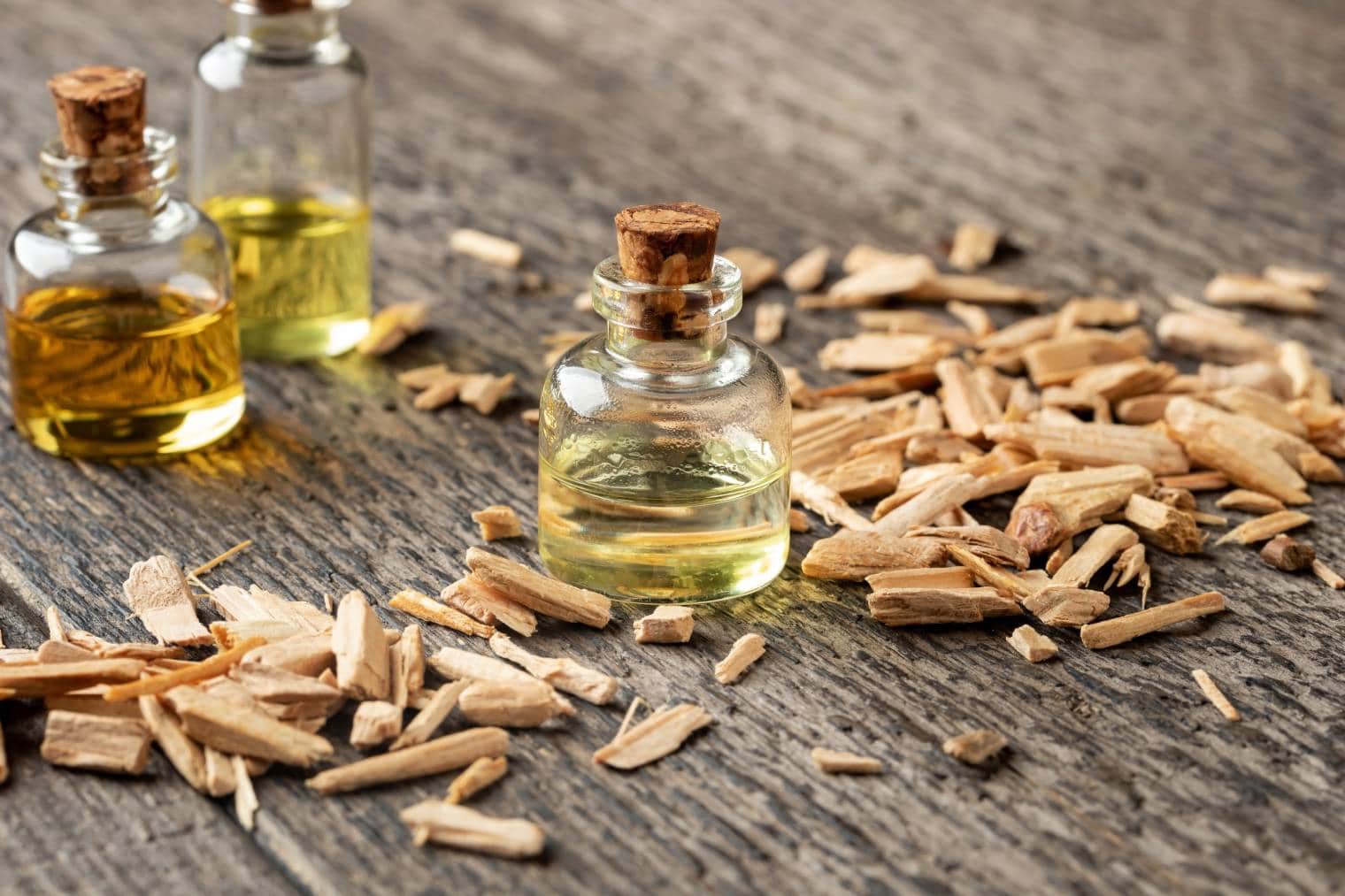
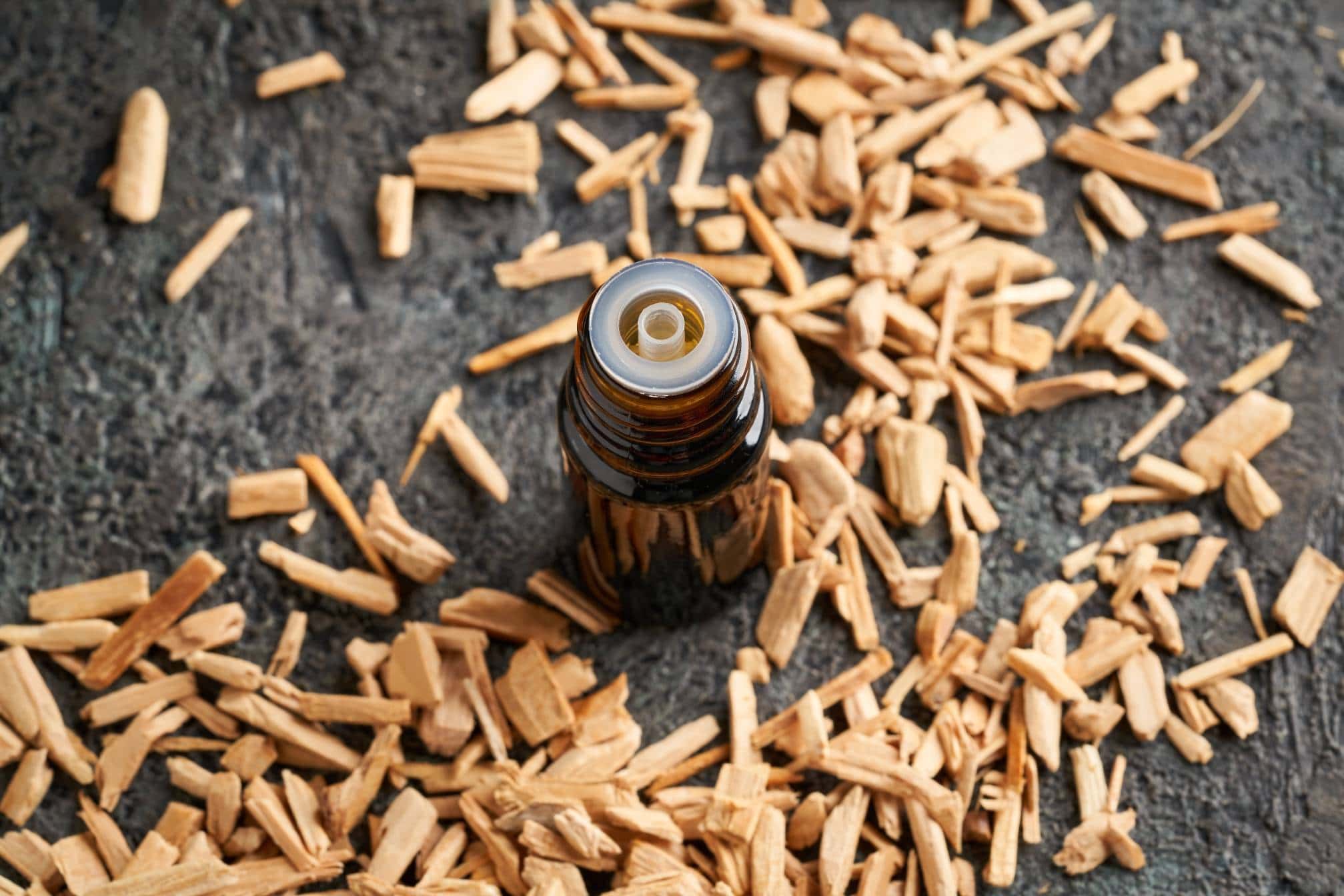
Cedarwood oil is typically extracted from the sawdust or chips of various cedar tree species. Traditionally, cedarwood oil has been used as a pesticide, for pain relief, hair growth, to relieve anxiety, to promote better sleep, and as an antibacterial agent. Although research supports many of these traditional uses, not every health claim regarding this oil is backed by science.
Is Cedarwood Oil Effective Against Fleas?
Researchers have tested cedarwood oil and cedrol, a compound extracted from certain cedar species, to determine if it kills and repels pests. According to these studies, cedarwood is effective at repelling fire ants and various species of ticks. Cedrol may also kill some tick species.
No specific studies have examined whether cedarwood oil kills or repels fleas, but based on what we do know about its impact on other pests, it is probably somewhat effective, at least at repelling fleas on surfaces or in the yard. It may also help repel and kill fleas on pets, but there are some safety concerns, which we will discuss in the next section.
Effective flea control products must work against all insect life cycles to completely destroy an infestation. We don’t know how well cedarwood oil works against flea eggs or immature fleas.

Is Cedarwood Oil Safe for Pets?
Although essential oils are extremely popular, their production and use are not regulated like pharmaceutical medications. Because of that, it’s difficult to comment on their safety or effectiveness because there’s no way to know exactly how much essential oil a product contains.
Cedarwood oil is not among the essential oils known to be dangerous or toxic for pets. Again, because of the uncertainty surrounding what’s in essential oil products, they should be used with caution. Some pets may be more sensitive to essential oils, and cats are known to be more vulnerable than dogs because of how their liver processes substances.
With these concerns regarding the safety and effectiveness of cedarwood oil against fleas, there are better choices to control these pests.
Tips to Prevent & Control Fleas
Even if you use all available options, eliminating a flea infestation is a time-consuming process. Preventing fleas is always the better option. Talk to your veterinarian about the best flea prevention product for your pet.
If your home and pet do become infested with fleas, the first step is to kill the insects on your animal’s body. Topical treatments, pills and shampoos are all potential options. Your vet can help you choose the safest product based on your pet’s age and health condition.
You’ll also need to attack the flea eggs and immature fleas in your home and yard. Ask your vet or a pest control specialist to recommend safe flea-killing products for these areas. If you prefer, ask whether cedarwood oil would be an appropriate treatment for these locations.
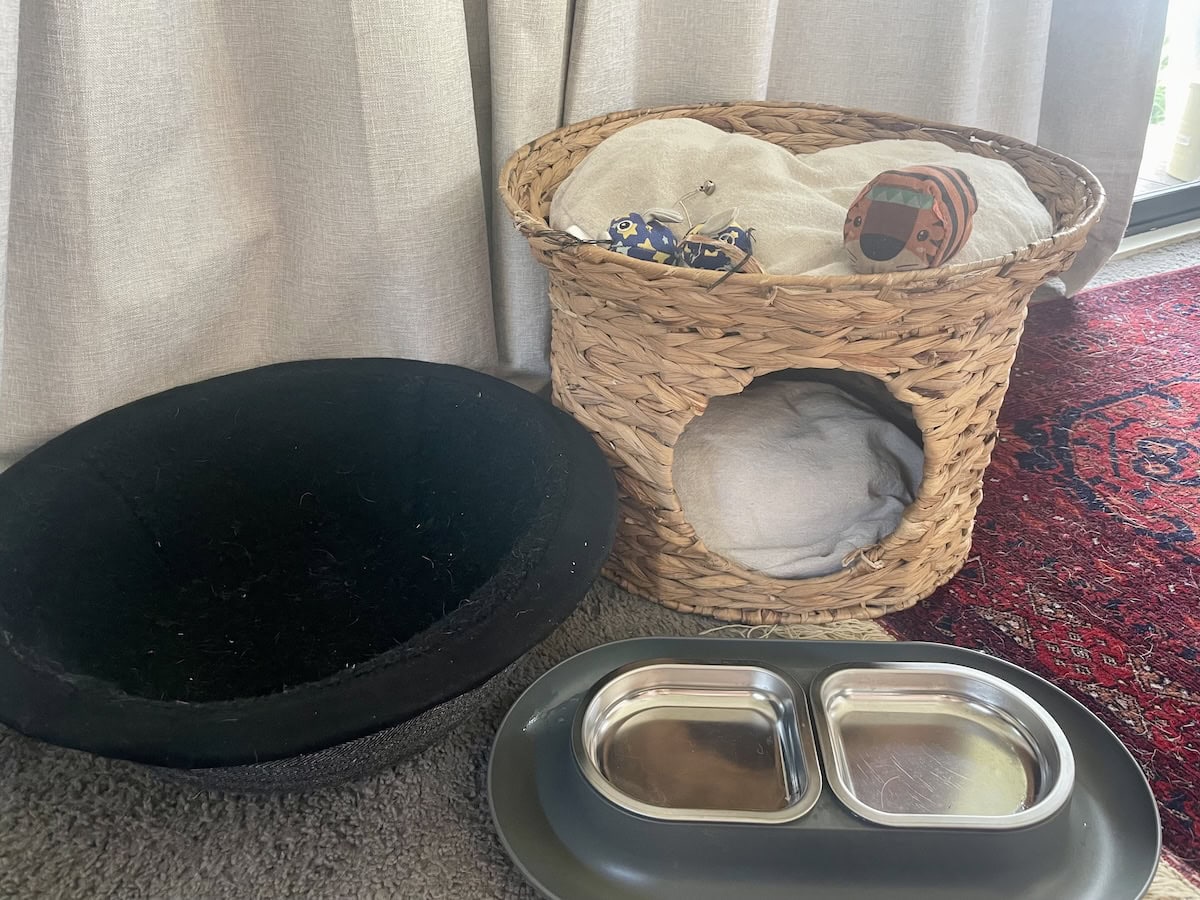
Wash your pet’s bedding and belongings in hot water or replace them completely. Focus on frequently cleaning and vacuuming your home, especially cracks in the floor and baseboards. Empty the vacuum canister or throw out the bag outside the house so the fleas can’t escape.
Conclusion
Cedarwood oil may be effective at killing and repelling fleas, but more research is needed to support this conclusion. While this essential oil is not known to be toxic to pets, the production of these products is not well-regulated, and safety and quality cannot be guaranteed. To effectively fight a flea infestation, you must treat your pets and their environment. Work with your vet to find the safest way to battle the itchy pests and avoid using essential oils on your pets.
Read Also:
Sources
Featured Image Credit: Madeleine Steinbach, Shutterstock
Get Hepper In Your Inbox


Pet care tips from our vets and experts, straight to your inbox.
You may opt-out at any time. View our Privacy Policy for more information.
A lifelong lover of all creatures great and small, Elizabeth got her first cat at 5 years old and at 14, she started working for her local veterinarian. After spending more than 20 years working as a veterinary nurse, Elizabeth decided to step away to become a stay-at-home parent to her daughter. Now, she is excited to share her knowledge with our pet parents. Elizabeth lives in Iowa with her family, including her two fur kids, Linnard, a husky mix and Algernon, the worldʻs most patient cat. When not writing, she enjoys reading, watching soccer, and spending time outdoors with her family.
Join the conversation
Ask a question, share your story, or send private feedback.