Hepper is reader-supported. When you buy via links on our site, we may earn an affiliate commission at no cost to you. Learn more.
Does Chlorine Kill Fleas? Vet-Reviewed Safety & Effectiveness


In this article
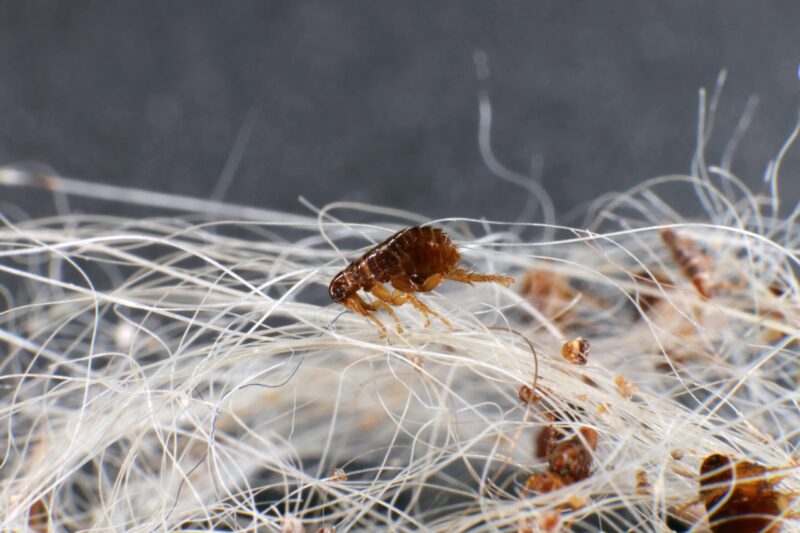
Fleas are tiny, blood-sucking insects that can infest our homes and cause annoyance and discomfort for both humans and pets. When faced with a flea infestation, it's natural to seek effective solutions. One question that often arises is whether chlorine can be used to eliminate fleas.
Does chlorine kill fleas? Yes, chlorine can kill fleas but is only considered effective for simple removal of fleas from surfaces or fabrics and not for full-blown flea infestations, and it should never be used on or around your pet.
Here, we will explore the topic of using chlorine for flea control and discuss its safety and effectiveness. Additionally, we will provide tips on handling flea infestations and alternative methods for flea control!

Understanding the Life Cycle of Fleas
Before we dive into the discussion of using chlorine for flea control, it's crucial to understand the life cycle of fleas. Fleas undergo four stages: egg, larva, pupa, and adult.
Adult fleas live on the host and lay eggs, which then fall off into the environment. The eggs hatch into larvae, which later develop into pupae and eventually emerge as adult fleas.
When dealing with fleas, most will only consider adult fleas and not fleas in the other stages of their cycle. To effectively eliminate fleas, targeting all stages of their life cycle is required.
Does Chlorine Kill Fleas?
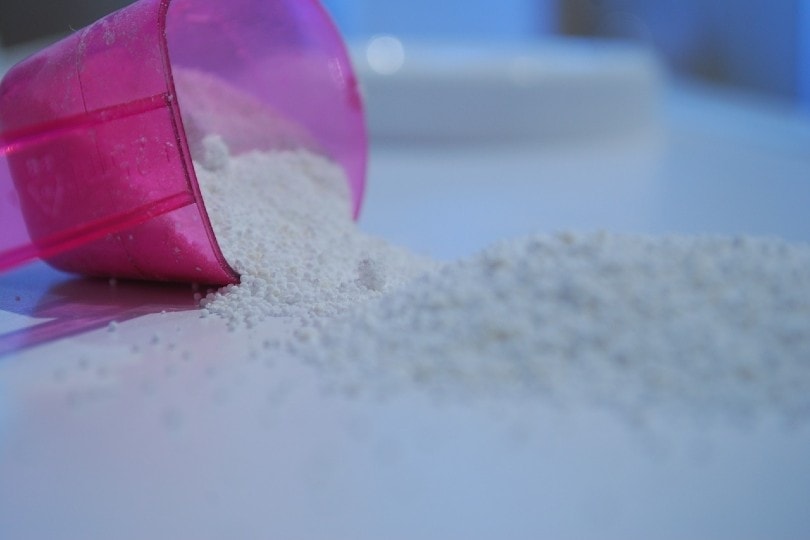
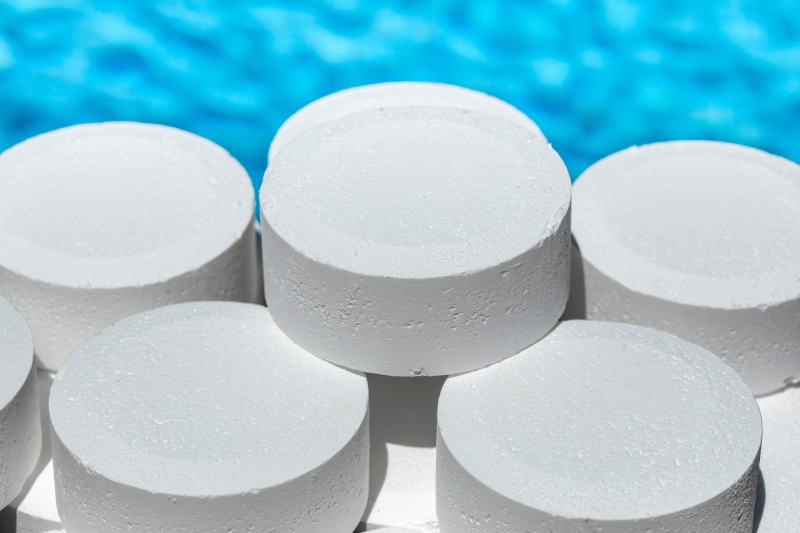
Chlorine is a disinfectant , it is used to treat drinking water and swimming pool water. It is also commonly found in household disinfectants, mainly bleach. While it may be able to kill fleas at certain concentrations, it is not considered a reliable or recommended solution for complete flea eradication.
Fleas are resilient insects and prolific breeders-it is impossible to safely use chlorine to target all stages of the flea life cycle. Chlorine can be used to treat some hard surfaces in your home or in the washing machine to kill fleas and eggs on bedding and clothing. However, the best way to get rid of a flea infestation on your pet is to use vet approved products specifically designed for that purpose.

Can You Use Chlorine on Pets with Fleas?
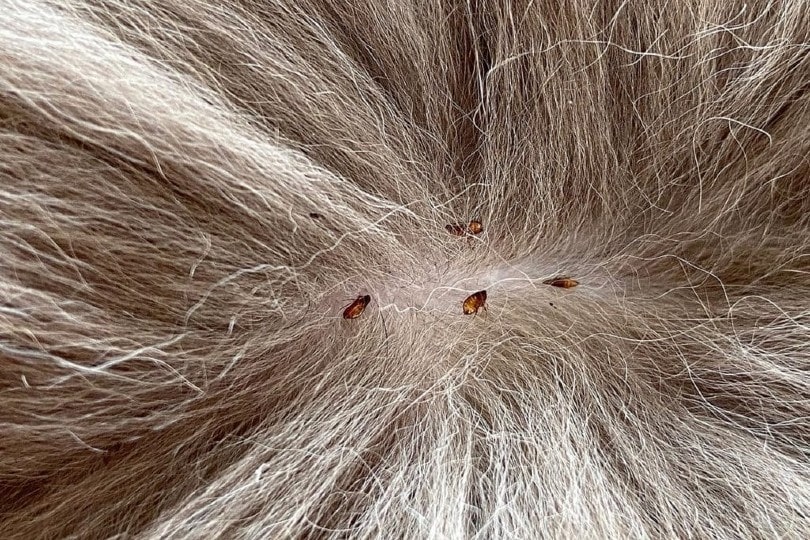
Chlorine is highly toxic in its concentrated form, both if ingested or if it gets on your pet’s skin or eyes. It must never be used on or around your pet. Should you suspect or confirm that your pet has fleas, the first thing you need to do is take your pet to the veterinarian promptly.
Before considering any flea remedy, consult with a veterinarian for appropriate and safe treatments for your pets. They can recommend suitable topical treatments, oral medications, or flea collars that are specifically designed for pets.
When Can You Use Chlorine for Fleas?
Chlorine can be used in certain circumstances to aid in flea control. For instance, if you have a severe flea infestation and need to sanitize your home, chlorine can be used to disinfect hard surfaces.
However, it is important to note that chlorine alone will not eliminate the infestation. It should be used as part of a comprehensive flea control strategy that includes treating pets, laundering fabrics and linens, and employing environmental treatments.
Effective Ways to Use Chlorine for Flea Control
If you do decide to use chlorine as part of your flea control efforts, there are a few ways to maximize its effectiveness. Mix chlorine with water according to the instructions provided. As using concentrated chlorine can cause damage to surfaces and increase the risk of toxic exposure, it is important to dilute the chlorine for safe use.
You can also use the diluted chlorine solution on hard surfaces where fleas may be present, such as floors and countertops. Remember to rinse the surfaces thoroughly after applying chlorine.
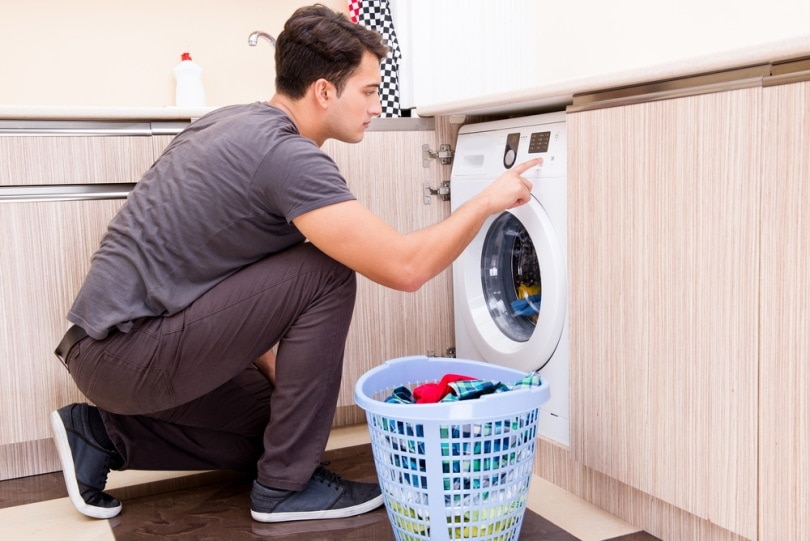
You can also wash bedding, pet blankets, and any washable fabrics in hot water and chlorine bleach, if suitable for the fabric. This can help kill fleas and their eggs living on fabric. As with any substance, remember to follow the manufacturer's instructions for proper bleach usage.
Safety Tips When Using Chlorine
As with handling any chemical substance, safety is the number one priority. When dealing with chlorine, here are a few steps to take to ensure safety!
1. Read & Follow Instructions
Carefully read and understand the instructions provided on chlorine products, including dilution ratios and recommended safety precautions. To prevent damage on surfaces, furniture, and fabrics, use only as directed!
2. Protective Equipment
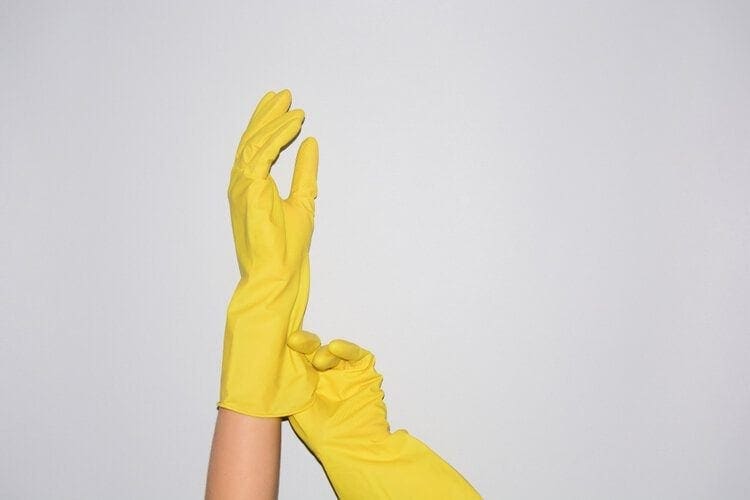
While chlorine is considered safe when handled according to the directions, it is still important to wear protective gloves, goggles, and clothing that covers your skin when handling chlorine solutions. This will reduce the risk of skin and eye irritation!
3. Proper Ventilation
Breathing chlorine can also be harmful if inhaled excessively. Ensure proper ventilation when using chlorine indoors. Open windows and doors and use fans to circulate air to reduce chemical exposure.
4. Keep Out of Reach of Children & Pets
During chlorine application, keep children and pets away from treated areas until the surfaces are thoroughly rinsed and dried.
In addition, when not in use, store them out of reach to prevent any unwanted accidents! Keep them from ingesting or coming into direct contact with chlorine solutions.
5. Avoid Mixing Chemicals
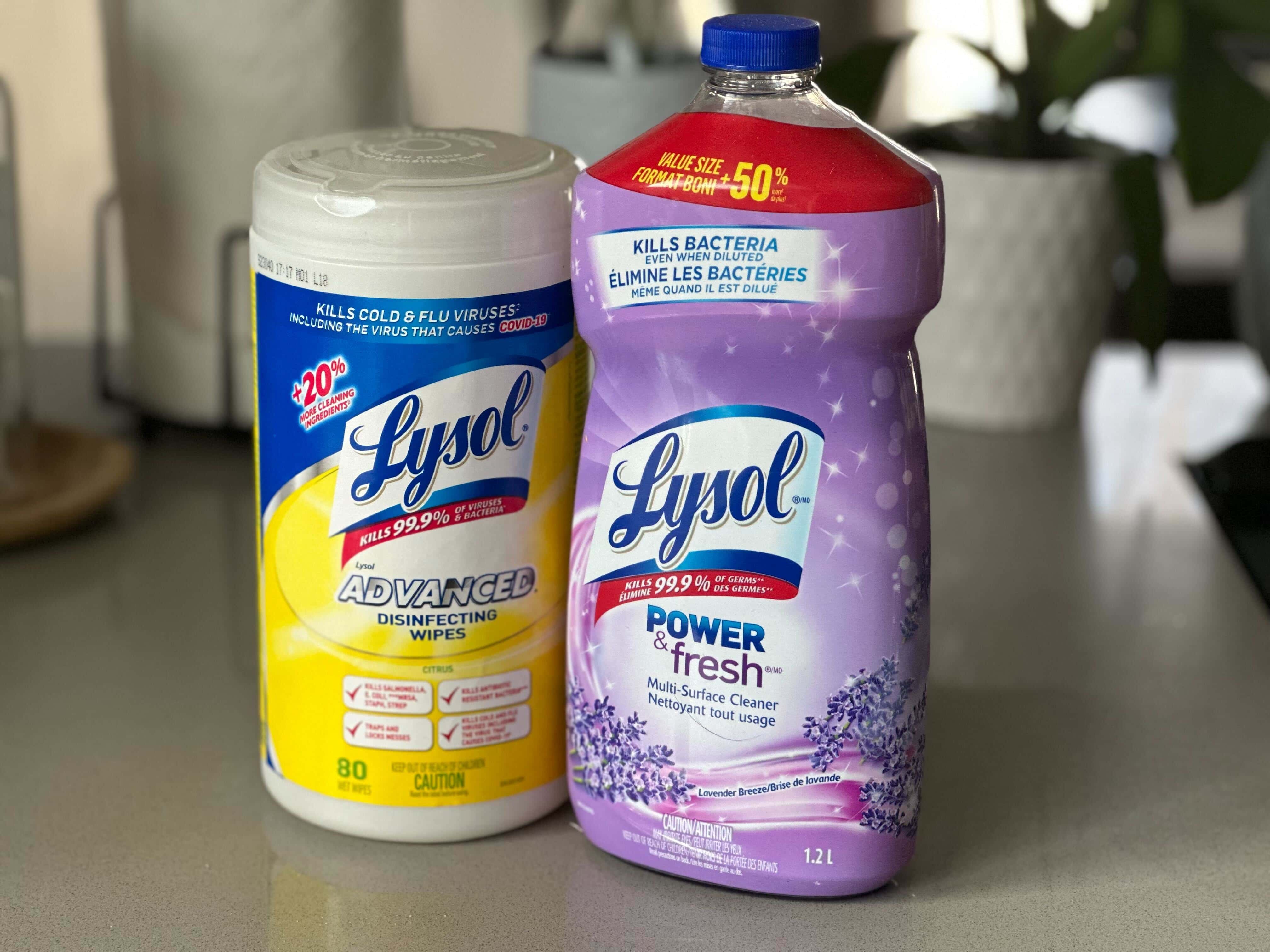
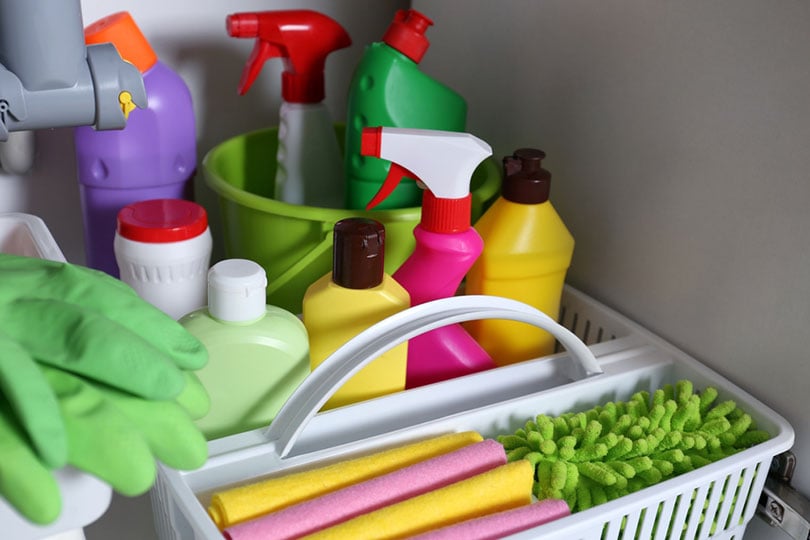
Further emphasizing the importance of using the substance as directed, do not mix chlorine with other cleaning products. This can result in the release of toxic gases that can be potentially harmful not only to your pets, but to you as well.
What Are the Best Ways for Handling Flea Infestation?
While there is some merit in using chlorine in dealing with fleas, dealing with a flea infestation requires a comprehensive approach.
Consult a Veterinarian
If your pets have fleas, consult a veterinarian for appropriate and safe flea treatments. They can recommend products that are suitable for your pets' age, size, and health condition.
Regular Grooming
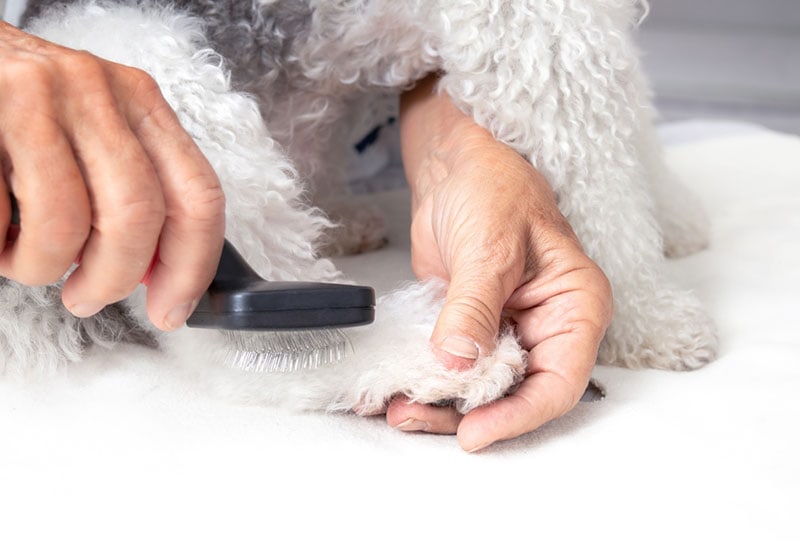
Pet hygiene is essential in preventing and controlling fleas. Comb your pets regularly with a flea comb to physically remove fleas and monitor their presence. Dip the comb in soapy water to drown any captured fleas.
Treat the Environment
It is important to keep a clean environment to help prevent flea infestations. Steps to treat your environment include frequent vacuuming and disposing of the collected debris properly, along with washing and drying pet bedding, blankets, and other fabrics regularly.
Consider using insecticides specifically formulated for indoor use that target fleas. These products may contain ingredients like insect growth regulators (IGRs) that disrupt the flea life cycle. Follow the instructions carefully and ensure proper ventilation when applying any chemical treatments.
Outdoor Precautions
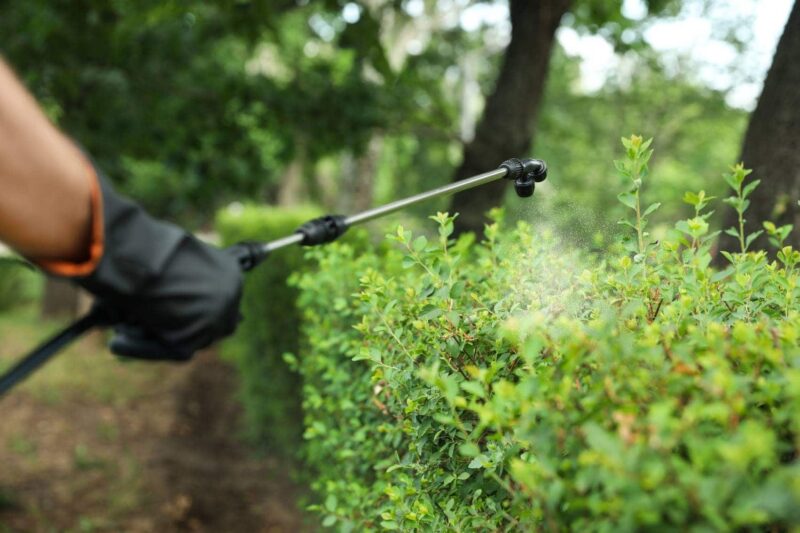
If your pets spend time outdoors or if you suspect the infestation originated from outside, you may need to address the outdoor environment as well. This can include treating your yard or outdoor areas with appropriate insecticides or seeking professional pest control services for comprehensive flea extermination.
Maintain a clean and well-groomed outdoor environment. Trim grass and bushes, remove debris, and consider using outdoor flea control methods.
Professional Pest Control
If your flea infestation persists or if you prefer a hands-off approach, seek the services of a professional pest control service. They have the expertise and tools to handle severe infestations effectively and safely.
Final Thoughts
While chlorine may be able to kill fleas on contact, it is not a reliable or recommended solution for complete flea eradication. Fleas are resilient pests that require a comprehensive approach to control and due to chlorine’s toxicity you should never use it on or around your pet.
Remember, a combination of proper pet care, regular cleaning, environmental treatments, and, if necessary, professional assistance is key to effectively managing and eliminating flea infestations.
Read also:
Sources
Featured Image Credit: Eryx V, Shutterstock
Get Hepper In Your Inbox


Pet care tips from our vets and experts, straight to your inbox.
You may opt-out at any time. View our Privacy Policy for more information.
Nicole is a lover of animals of all sizes but is especially fascinated with the feline variety. She’s the proud mom of Baby, a Burmese, and works every day so he can relax in the sunshine or by the fire. She’s always had a cat in her home and has spent countless days with others, observing behaviors and softening up even the grouchiest of the lot. Nicole wants to share her kitty expertise with you so you and your cat can live happy, healthy, and care-free.
Join the conversation
Ask a question, share your story, or send private feedback.