Hepper is reader-supported. When you buy via links on our site, we may earn an affiliate commission at no cost to you. Learn more.
Does Peppermint Oil Kill Fleas? Safety & Effectiveness Revealed


In this article
Pet owners understandably sometimes look towards more natural remedies to get a handle on flea problems. Unfortunately in the case of peppermint oil (and many other essential oils), natural does not mean safe. Peppermint oil can be very harmful to both cats and dogs.
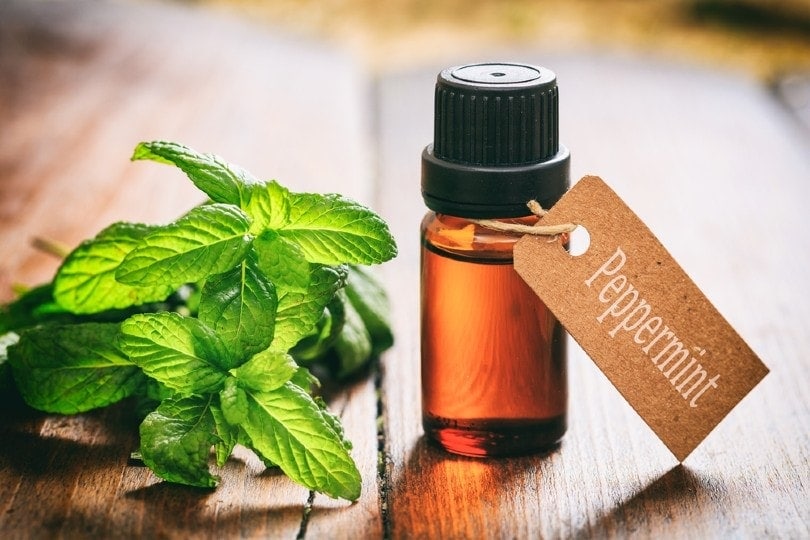
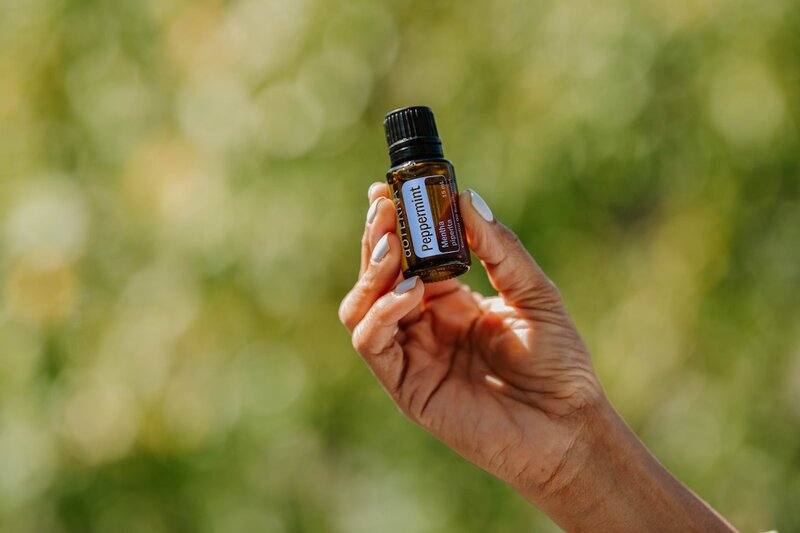
Peppermint oil is one of many essential oils that may come up when it comes to handling a pest problem because it is effective at deterring insects like flies, mosquitos, and fleas. While it may be able to repel fleas, there’s very little scientific research on its effectiveness in eliminating a flea problem. Most importantly though, peppermint oil is toxic to dogs and cats and could be very dangerous if ingested or absorbed through the skin.

Does Peppermint Oil Kill Fleas?
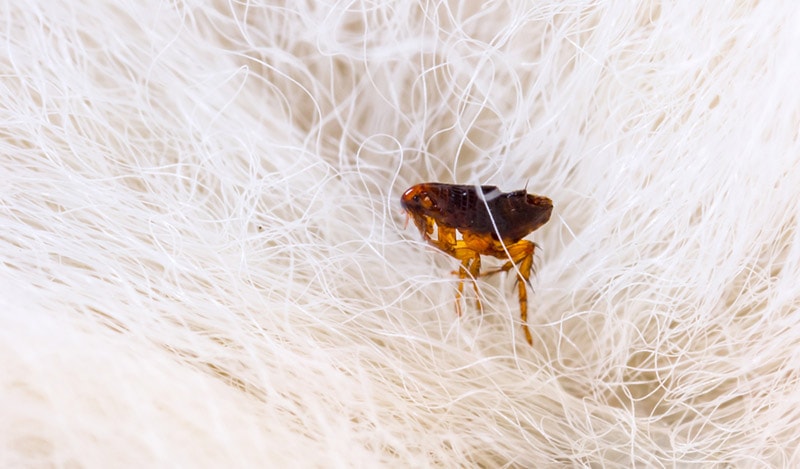
Peppermint oil has shown potential for both repelling and killing a variety of insects, including fleas. This is because peppermint oil is highly concentrated and emits a potent odor that deters various pests but also contains small amounts of linalool and limonene, both of which have shown effectiveness in killing insects.
Since peppermint oil only contains a small amount of linalool and limonene, it would take large, concentrated amounts to kill fleas and this would be incredibly unsafe for pets, as peppermint oil is toxic to both dogs and cats.
Should I Use Peppermint Oil For Flea Treatment?
Considering that peppermint oil is toxic to cats, can make dogs ill, and is not a guaranteed flea treatment, you should never use it to treat fleas. Cats are especially susceptible to essential oil poisoning and it can occur through ingestion, skin contact, or through inhalation.
It is important to talk to your veterinarian before using any essential oils on or around your pets. There are numerous kinds of oils out there and many can lead to some form of toxicity. Knowing what is and isn’t toxic to your pets can be the difference between life and death.
Peppermint Oil’s Effect on Cats
Cat owners should avoid using peppermint oil, as well as many other essential oils as they can be highly toxic to cats. This doesn’t just apply to flea treatment, but also to any other use including cleaning products, food and drink flavoring, herbal remedies, perfumes, personal care items, and liquid potpourris.
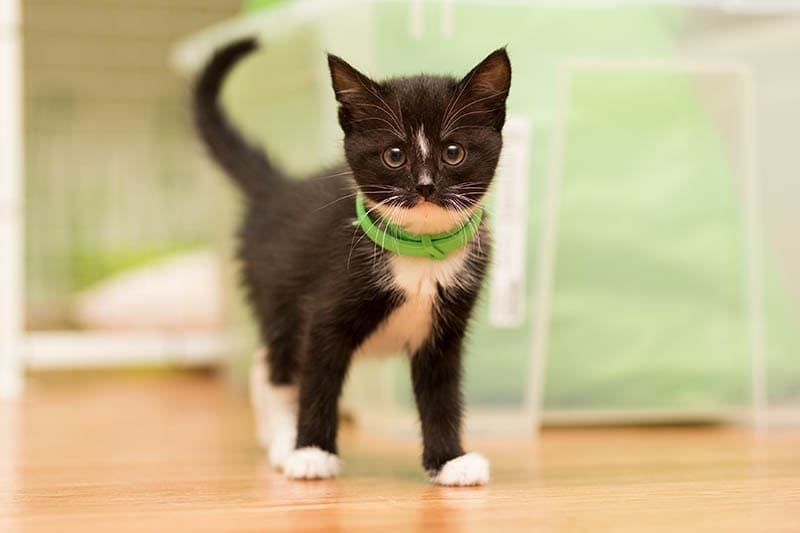
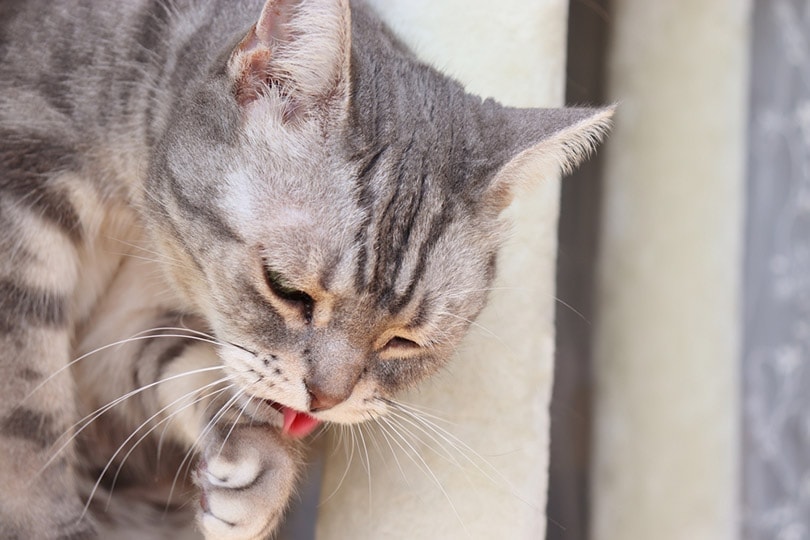
Peppermint oil is highly toxic to our feline friends and is rapidly absorbed orally and across the skin. Cats lack the liver enzymes necessary to effectively metabolize the phenols and other toxins in these oils. This type of toxicity can easily lead to liver failure if left untreated. Young kittens and cats suffering from liver disease are even more at risk.
If your cat has been exposed to peppermint oil in some form, you need to contact your veterinarian right away for further guidance. Some signs that your cat may show include:
- Wheezing or difficulty breathing
- Difficulty walking or lack of coordination
- Drooling
- Lethargy or weakness
- Muscle tremors
- Pawing at the mouth or face
- Skin irritation
- Watery eyes
- Redness or burns on the lips, gums, tongue, or skin if ingested
- Vomiting
- Diarrhea
Peppermint Oil’s Effect on Dogs
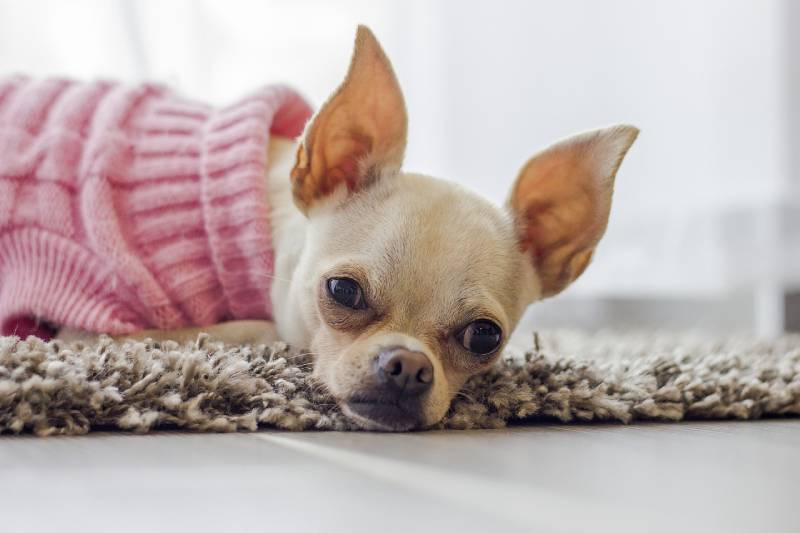
Dogs metabolize peppermint oil differently than cats, and the effects are often milder. The smell alone can be very overwhelming to dogs, which is one reason why it’s so effective at deterring insects. Dogs have a keen sense of smell and this concentrated oil can be so strong it can easily cause them discomfort or open up the possibility for respiratory issues when inhaled.
Skin irritation can occur if the oil comes in contact with their paw pads or by direct application. Dogs also tend to lick their coats, which could cause them to ingest some of the oil. Ingesting peppermint oil can severely upset the digestive system.
Signs to look for include:

Things to Know When Dealing With Fleas
The best way to handle a flea infestation is by using veterinarian-approved flea treatment. Remember just because something is labeled ‘natural’ it does not mean it is nontoxic to your pet.
Dealing with a flea infestation can be quite problematic and difficult to remedy. Once they make their way onto your pets, they reproduce quickly, laying up to 2,000 eggs during their lifetime. Although adult fleas need to feed from your pet, the eggs, larvae and pupae can all hide away in carpets, furniture, fabrics, and pet beds.
How to Check for Fleas
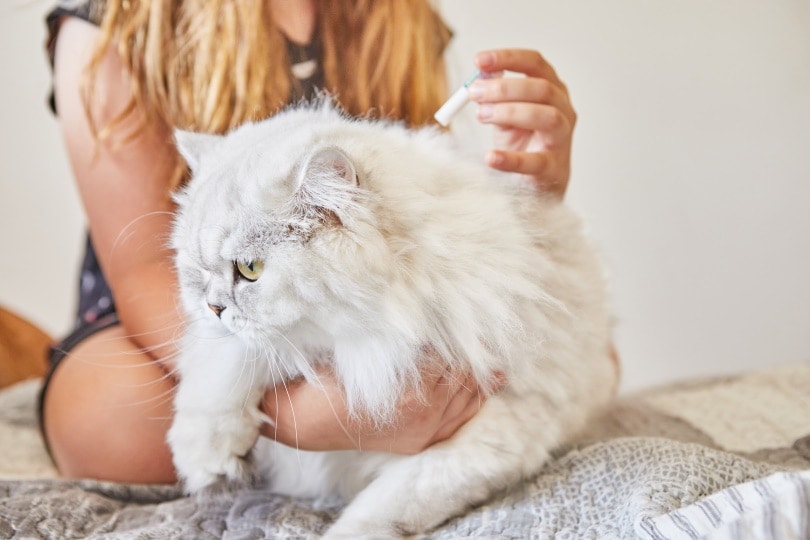
Whether you have a dog or a cat, the telltale signs of fleas are very similar across the board. You can check for fleas by using a flea comb or running your hand through your pet's fur, as both the fleas and the flea dirt (flea poop) are visible to the human eye.
These are not always seen though, so you should also keep an eye out for the following signs of these pesky parasites:
- Frequent scratching
- Hair loss
- Skin irritation, scabs, lesions
- Excessive grooming
Types of Flea Treatments and Preventions
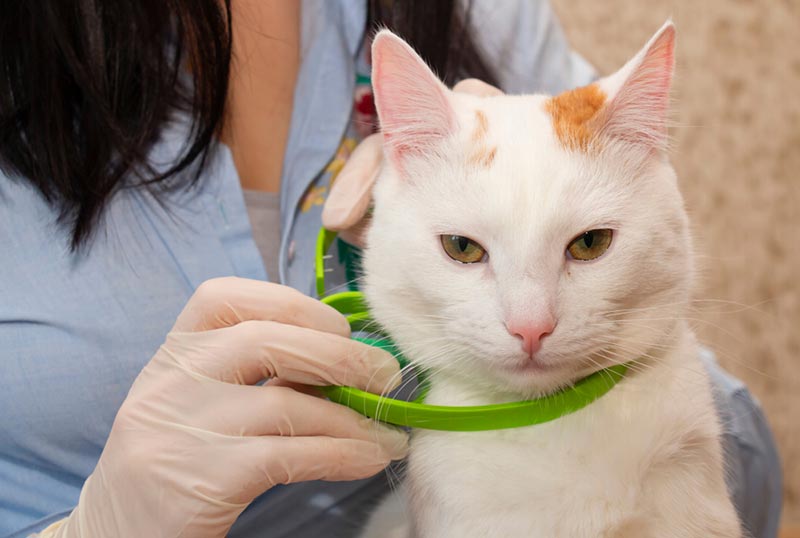
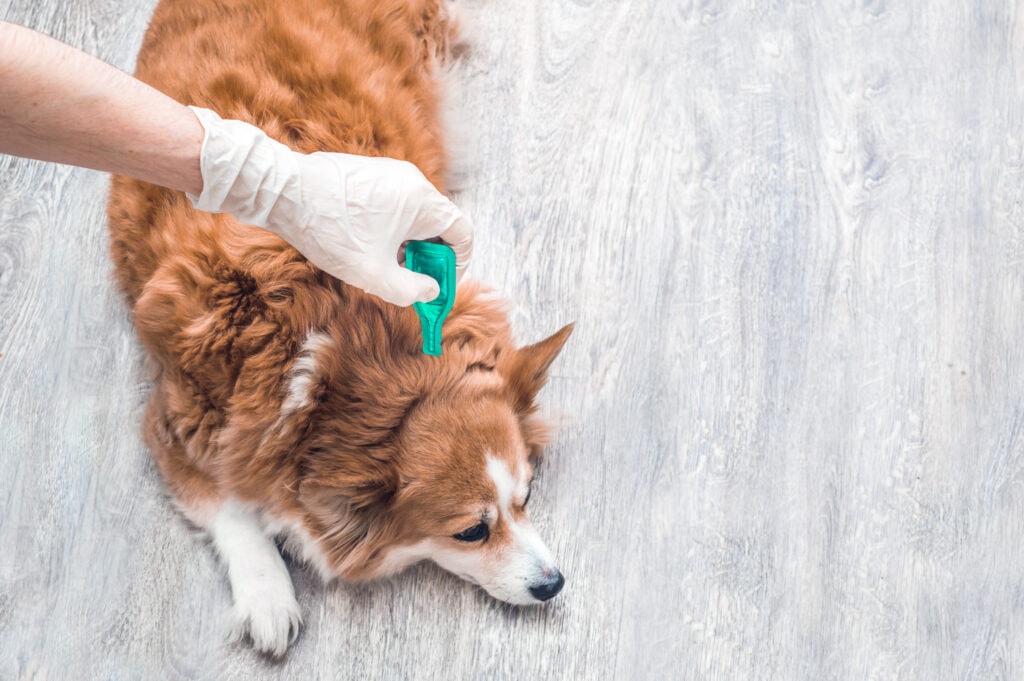
Fleas are a very common problem and you should keep up with regular vet-approved preventative measures to stave off an infestation. There are plenty of types of flea treatment and prevention, from topical spot-ons and collars to oral medication, so you should talk to your veterinarian about what works best for you and your pets.
Efficacy Issues in Products
You can certainly run into problems of efficacy with certain treatments. There can be a variety of reasons for flea treatment products not being effective including incorrect application of topical products, swimming or bathing after application, not treating all pets in a house and not treating the environment. Killing adult fleas is often the easiest part of the job; it’s eliminating the larvae and eggs and breaking the life cycle that can pose the biggest challenge. Veterinary-approved prescription products are more effective, work with your vet to choose the best one for your pets.
Eliminating an Infestation
To completely eliminate a flea infestation, the affected pet and any other cats or dogs in the home will also need to be treated. Because fleas will nest away in various areas of your home, especially carpets, furniture, and pet beds, you have to treat the entire house to ensure you have taken care of any eggs, larvae, or adults that are hidden and away from your pets.
Even though the adult fleas are killed, their eggs are still able to hatch, and the life cycle will start back over again. You need treatment that can put an end to the lifecycle to once again return to a flea-free environment.
This process can take up to 3 months and may sometimes require professional pest control to follow up with treatments of the home. Your veterinarian will be able to suggest the best preventative medicine and treatments that can help you solve the problem and prevent it from recurring.

Final Thoughts
Though not much research has been done on peppermint oil specifically regarding killing fleas, it does contain the compounds linalool and limonene, both of which have been proven effective in killing fleas and other insects. It also works as a repellent due to the phenols that cause the intense aroma. However, using peppermint oil as a natural alternative for flea treatment is a big no-no. It is highly toxic to cats and can also cause irritation and illness in dogs. The best way to kill fleas is through veterinary-approved treatments and prevention.
Sources
Featured Image Credit: doTERRA International, Pexels
Get Hepper In Your Inbox


Pet care tips from our vets and experts, straight to your inbox.
You may opt-out at any time. View our Privacy Policy for more information.
Lindsay is a wife, mother, nature enthusiast, animal lover, and business major. She was born and raised in the United States and now lives in Tulsa, Oklahoma. She shares her home with a German Shepherd, several snakes, tarantulas, and a couple of rescue cats.
Lindsay and her husband enjoy traveling the US with their children and photographing wildlife. Lindsey is passionate about proper animal care and education around it!
Join the conversation
Ask a question, share your story, or send private feedback.