Hepper is reader-supported. When you buy via links on our site, we may earn an affiliate commission at no cost to you. Learn more.
6 Signs Your Dog is Allergic to Food: Vet-Approved Guide


In this article
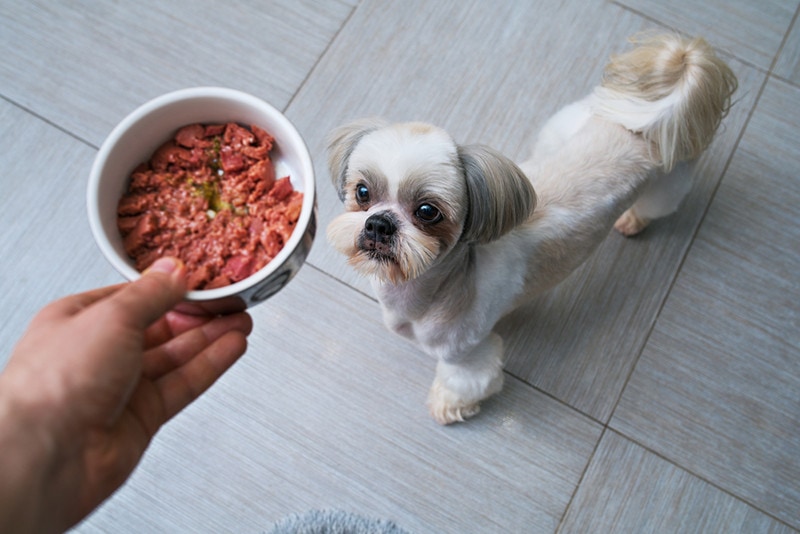
Food allergies in dogs can be a serious problem Often, dogs are allergic to specific proteins found in their food—usually meat proteins like chicken or beef. Luckily, counteracting these symptoms isn’t difficult. All you need to do is switch your dog’s food to something that does not contain their allergen.
However, before you can go about treating your canine, you need to determine if they are really experiencing food allergies. Surprisingly, the symptoms aren’t what most people expect.
Take a look at the list of symptoms below.

The 6 Signs Your Dog is Allergic to Its Food
1. Itchiness
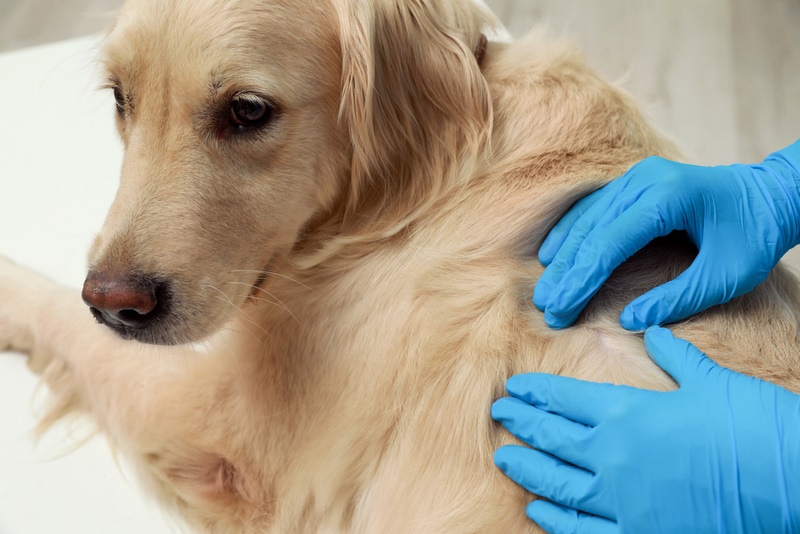
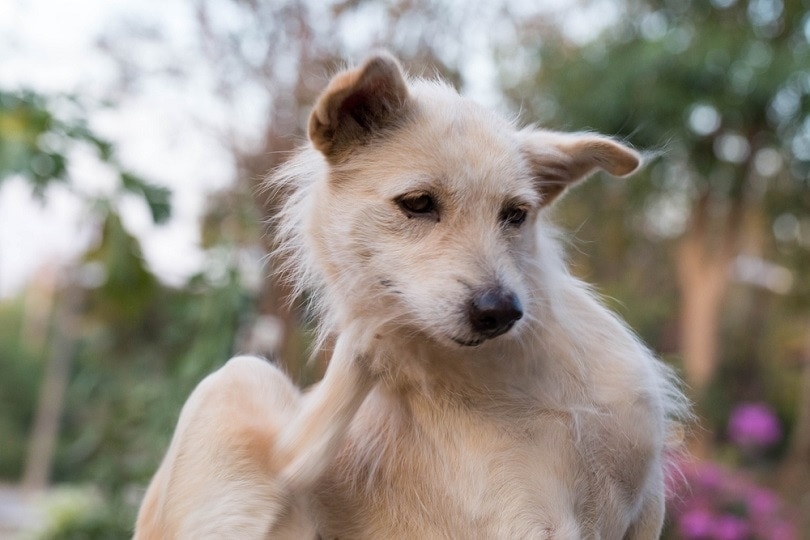
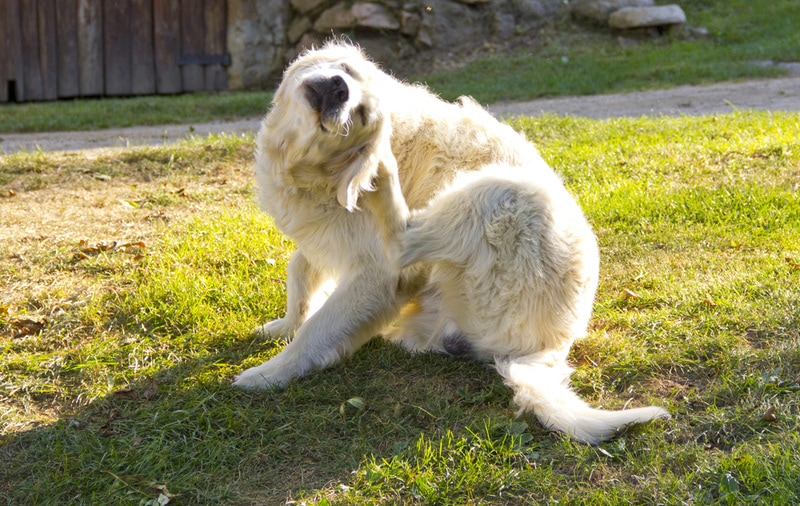
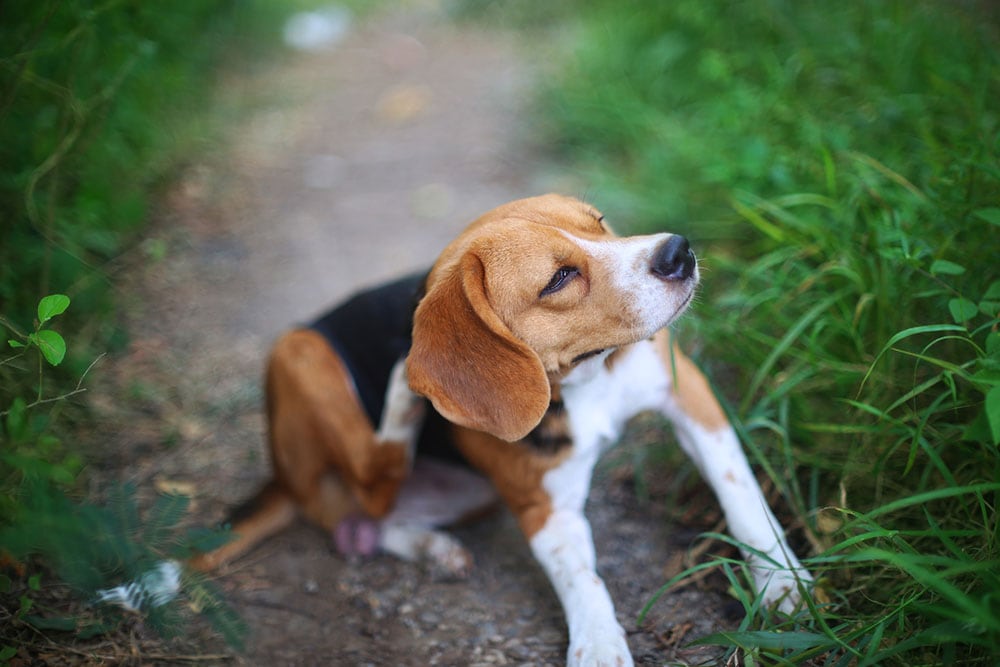
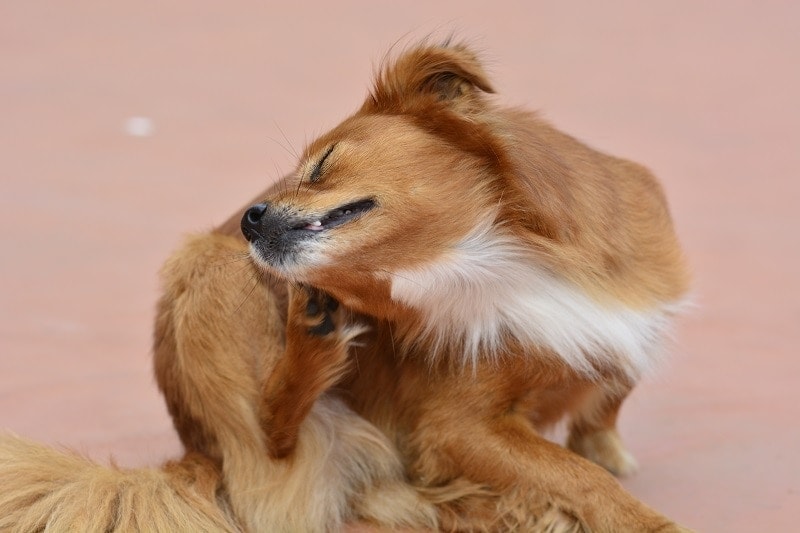
Surprisingly, the most common sign of food allergies in dogs is excessive itching. This itching is usually located on the dog’s extremities, such as their paws and tail. However, it can occur anywhere. Usually, the easier a dog can reach the itchy spot, the more damage they can do through their itching.
For this reason, you’re most likely to notice the itching if it’s on their paws, tail, or stomach.
While itching may not seem like a serious symptom, it absolutely can be. Many dogs with food allergies itch excessively. Eventually, they'll bite and scratch the fur off of their itchy spots. Sores and redness are also common.
Because the dog will continue to itch until their food is changed, these sores will not heal. Instead, they will continue to get worse, which will eventually lead to infections. While dogs usually don’t die from food allergies, these infections can become extremely serious.
2. Digestive Problems
Some dogs also experience digestive problems when eating an allergen. However, this is less common. Dogs don’t have to experience digestive problems to get a food allergy diagnosis.
Most commonly dogs will experience diarrhea. However, more rarely, dogs have been known to throw up or act generally ill when eating their allergens. As you’d guess, these symptoms usually aren’t serious. Still, in some cases, dogs may have severe reactions to their allergens, causing hydration loss.
In extremely severe cases, dogs may be unable to keep anything down and will perish without veterinary care. Usually, food allergies get worse over time if exposure is repeated. Therefore, it is vital to identify the cause of your dog’s food allergies before their symptoms worsen.
3. Hyperactivity
Some dogs become hyper when consuming their allergens. This symptom is less common—whether that’s because it really is less common or because it just goes unnoticed. Either way, some pet parents do report that their dogs become substantially more hyper when they eat their allergens. If you notice this trait in your canine, be sure to mention it to your vet.
Luckily, this symptom is troublesome—but not serious. Therefore, it typically isn’t noticed by pet parents and usually doesn’t require treatment.
4. Aggression
Many dogs experience mood changes when consuming the foods they are allergic to. Plus, these foods likely cause digestive pain, though our dogs can’t tell us that they don’t feel good. All of these things can lead to serious aggression problems.
If your dog suddenly becomes aggressive, food allergies may be to blame. This behavioral problem can range from minor to serious. However, if you do notice changes, be sure to report them to your vet. They may need this information to diagnose your dog.
5. Weight Loss
Because their food makes them feel unwell, many dogs may stop eating as much as they once did. Their digestive system may be unable to absorb and use the proteins in their food due to the allergy and inflammation. Therefore, these factors can lead to weight loss.
Often, this weight loss isn’t serious. You’ll notice a pound or two difference in most dogs. However, the problems can be extremely serious for some dogs, especially if there are other factors affecting their weight loss, as well.
Weight loss is practically always a sign of an underlying problem and we recommend speaking to your vet if your canine begins losing weight.
6. Lack of Energy
Dogs with food allergies may lack energy for all sorts of reasons. They may be eating less since their food causes stomach upset. At the same time, these dogs may also not absorb everything they need from their food, which can cause lethargy. Some dogs may feel sick from eating their food and won’t want to move quite as much for this reason.
If your dog begins to act lethargic, it’s typically because there is an underlying reason. Therefore, whether it’s food allergies or not, you’ll need to speak to a vet about the possible underlying causes.

How Long Does It Take to Notice if a Dog is Allergic to Food?
Dogs develop allergies a bit differently from humans. Dogs aren’t typically born with allergies. Instead, they develop them after continued exposure—your dog likely won’t be allergic to a new protein they consume. Instead, they’ll suddenly become allergic to the same protein they’ve been consuming for years.
Often, there isn’t much you can do about this development. Some breeds are more prone to developing allergies and will need to switch protein sources every few years as new allergies develop. Medications can help, but they do not prevent allergies from occurring.
Some vets recommend switching foods regularly to prevent allergies from surfacing. This makes sense, as more exposure typically increases the chance of allergies developing. However, if an allergy does develop, it can be difficult to find a new protein if your dog is switching to a new food constantly. Plus, it also makes figuring out what your dog is allergic to all the more difficult.
If you’re particularly concerned about your dog developing allergies, speak to your vet. They can determine if your canine is at risk and what steps you should take.
What is the Most Common Food Allergy in Dogs?
Dogs become allergic to the foods they are often exposed to. Therefore, their most common allergies are those that are often found in dog food, including chicken and beef. In fact, chicken is the most common allergen, followed by beef.
Even foods that aren’t advertised as containing chicken often do, as this protein is extremely cheap. For this reason, it’s vital to check the ingredient list if your dog has a chicken allergy. It is very difficult to find a chicken-free food, though there are quite a few options out there.
Despite misconceptions, gluten is not a very common allergen. While dogs can be allergic to gluten, this isn’t as common as chicken or beef allergies. If your dog develops allergies, we recommend looking towards the meat protein most abundant in their food, first.
Conclusion
The most common food allergy symptoms in dogs are itchiness and all the symptoms that come with it. You’ll likely see your dog scratching, even if you try to punish your dog for the scratching. However, you’ll also notice redness, swelling, scratches, sores, and hair loss. Sometimes, secondary infections can occur, though these usually occur after the other symptoms are noticed.
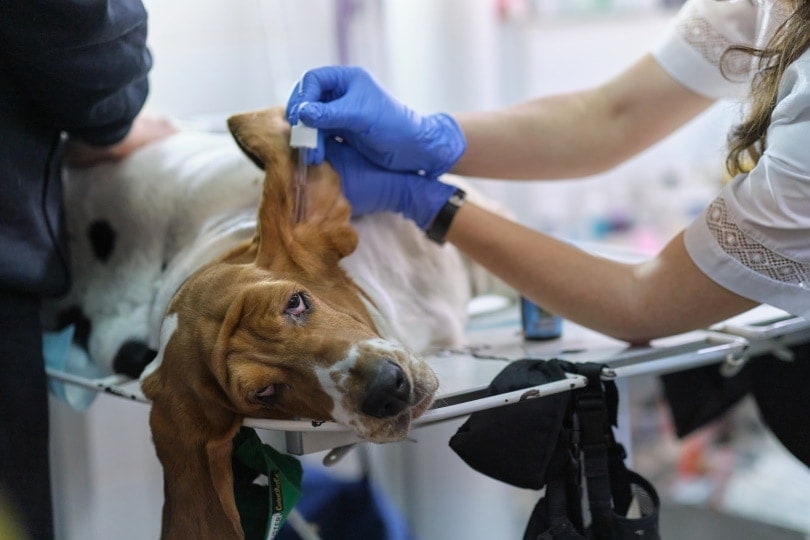
If you suspect that your dog has allergies, we recommend speaking with your vet. You’ll likely need to switch their food to something with a protein they are not allergic to. However, their secondary symptoms may also need treatment.
Related Reads:
Sources
Featured Image Credit By: Kobkik, Shutterstock
Get Hepper In Your Inbox


Pet care tips from our vets and experts, straight to your inbox.
You may opt-out at any time. View our Privacy Policy for more information.
Kristin is passionate about helping pet parents create a fulfilling life with their pets by informing them on the latest scientific research and helping them choose the best products for their pets. She currently resides in Tennessee with four dogs, three cats, two fish, and a lizard, though she has dreams of owning chickens one-day!
Join the conversation
Ask a question, share your story, or send private feedback.