Hepper is reader-supported. When you buy via links on our site, we may earn an affiliate commission at no cost to you. Learn more.
Allergic Reactions in Dogs: Vet Reviewed Types & Signs



In this article
Allergic reactions can occur in dogs just like they can in humans. Allergies develop when the immune system overreacts to substances that the body sees as a threat even when they are benign. These substances are referred to as allergens, and they can be derived from a variety of things, such as fleas, house dust mites, pollens and even food.
The reaction of the immune system to allergens is complex, but the most common signs we see in allergic dogs are related to the skin. So, what are the signs of an allergic reaction in dogs? Let’s find out!

The Different Types of Dog Allergies to Be Aware Of
There are several different types of allergies that dogs are susceptible to. In dogs, allergies most commonly cause skin signs regardless of the specific allergen. This can make it tough to pinpoint what exactly is causing an allergic reaction. By understanding the different kinds of allergies that your dog may be susceptible to, you will have a starting point in trying to determine what exactly is causing the reaction.
1. Food
Although not as common as many people think, dogs can develop food allergies. The proteins found in beef, chicken, dairy and eggs, soy, and gluten are the most common food allergens.

2. Environmental
This is known as ‘atopy’ in dogs. Just like humans, dogs can suffer from allergies to things in the environment. The most common allergens are microscopic house dust and storage mites. Invisible to the naked eye, they live in all homes in places such as carpets and furniture. Atopy can also be due to outside allergens such as grass, weed or tree pollens meaning that the signs of itching may be seasonal and often worse in the spring and summer months.
3. Contact
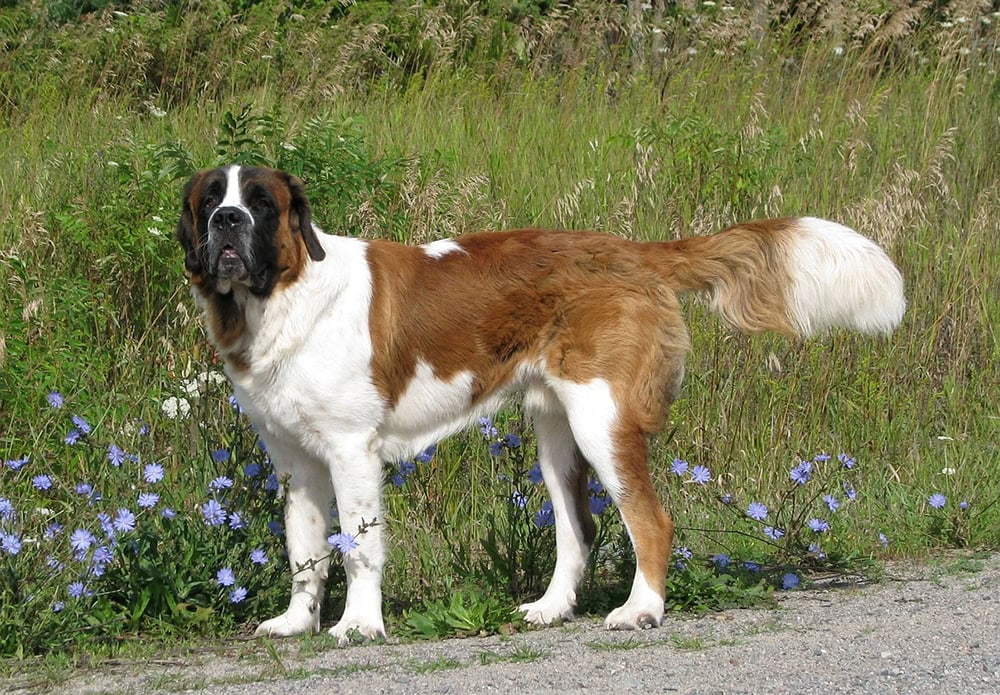
Contact allergies can occur when the skin comes into contact with a substance that damages the skin directly on contact. For example some plants will release a substance that can irritate your dog’s skin if your dog brushes up against it, or certain chemicals can cause a reaction. These are more common on the less hairy underside of your dog.
4. Allergies to bites/stings
Some pets are allergic to insect bites. Flea allergic dermatitis, when dogs are allergic to flea saliva, is the most common one.
Bites and stings are also common causes of acute (sudden) allergic reactions. Acute allergic reactions can also be severe and can lead to serious, even life-threatening problems, such as anaphylaxis.

The 8 Signs of Allergic Reactions in Dogs That You Should Know About
1. Itchiness
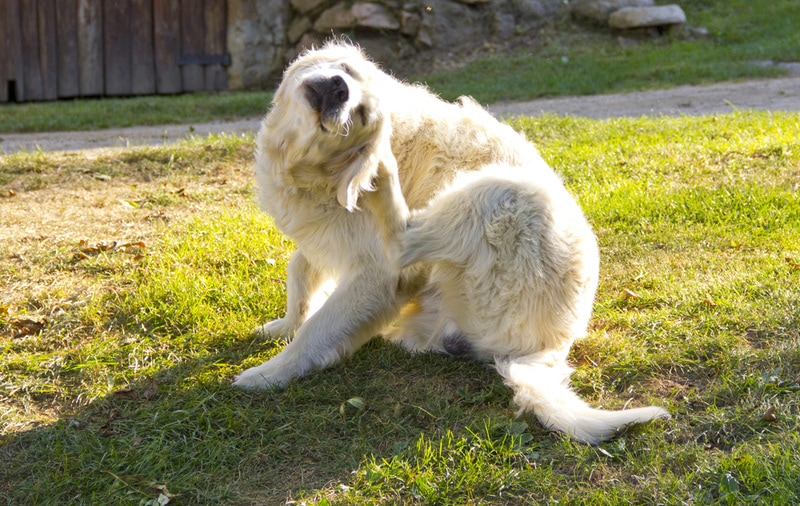
Itching is one of the most common signs of an allergic reaction in dogs, as most allergens tend to affect the skin in one way or another. Signs of a skin allergy tend to start with itching and then develop other signs such as skin rashes and infections.

2. Frequent Licking/Chewing
Allergic reactions that cause skin irritation usually result in excessive licking and chewing as your dog tries to relieve the sensation. This licking and chewing of the skin can cause hair loss and even more irritation.
3. Redness/Inflammation
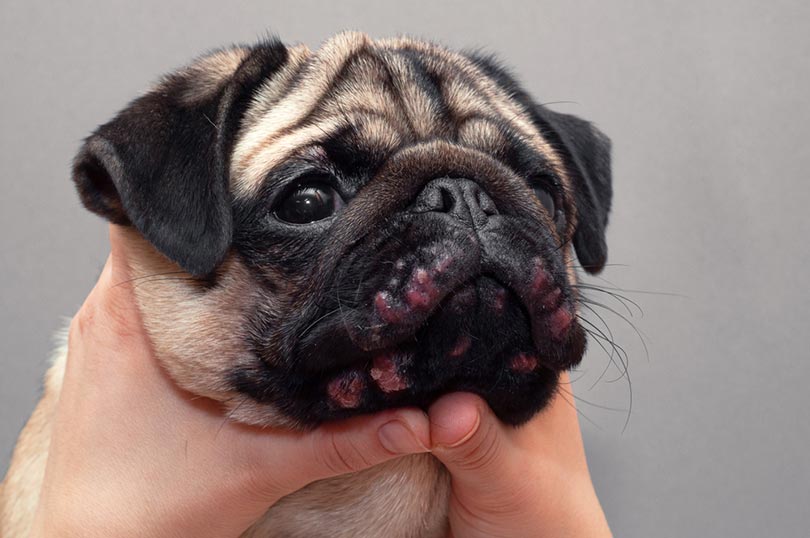
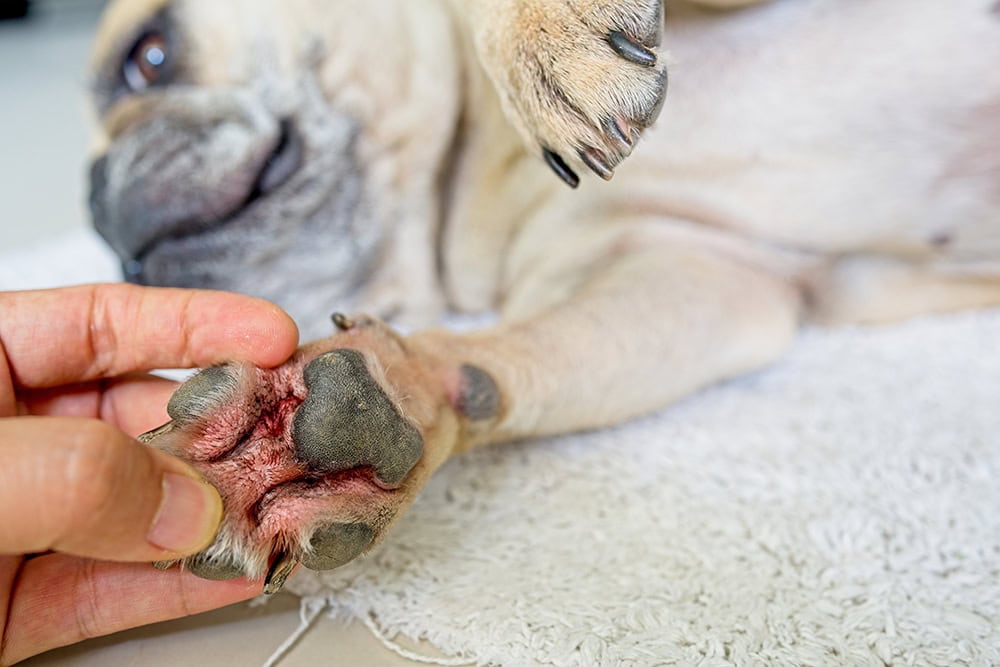
Allergies also often cause the skin to be red and inflamed. This is made worse by all the scratching, licking and chewing when the skin is damaged, making dogs more prone to secondary bacterial and yeast skin infections. The most commonly affected areas are the face, ears, paws, groin and armpits.
4. Hives
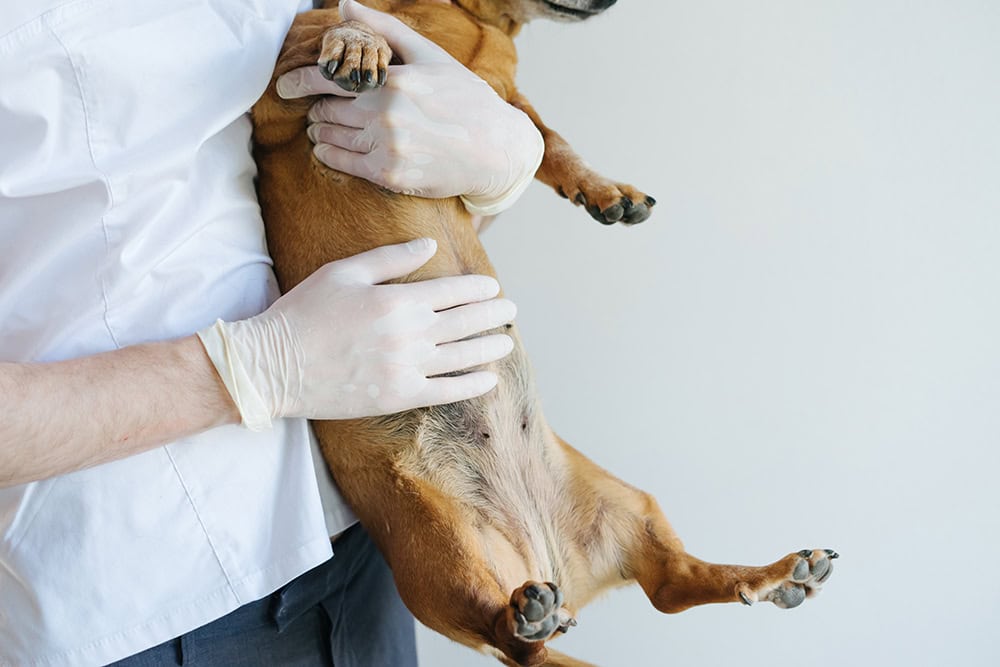
If small, raised red skin welts suddenly appear on your dog’s skin, you are probably looking at hives ( also known as urticaria). They can appear anywhere on your pup’s body, even the tail. The hives can be concentrated in one area or develop all over the body depending on the allergen that has caused the reaction. Hives are typically 1 to several cm in diameter and are usually itchy.
5. Stomach Issues
Some dogs can manifest an allergic reaction that results in an upset stomach, especially if it’s a food allergy that they are reacting to. Stomach issues can come in the form of diarrhea and/or vomiting. These signs can also indicate many other issues so it’s better to be safe rather than sorry and contact your veterinarian. They can advise you as to whether any diet changes or diet trials are appropriate.
6. Sneezing
Unlike in people, sneezing is a less common sign of seasonal allergies in dogs. However, some allergic dogs do sneeze and suffer from allergic conjunctivitis and other respiratory signs as well like people with hay fever.
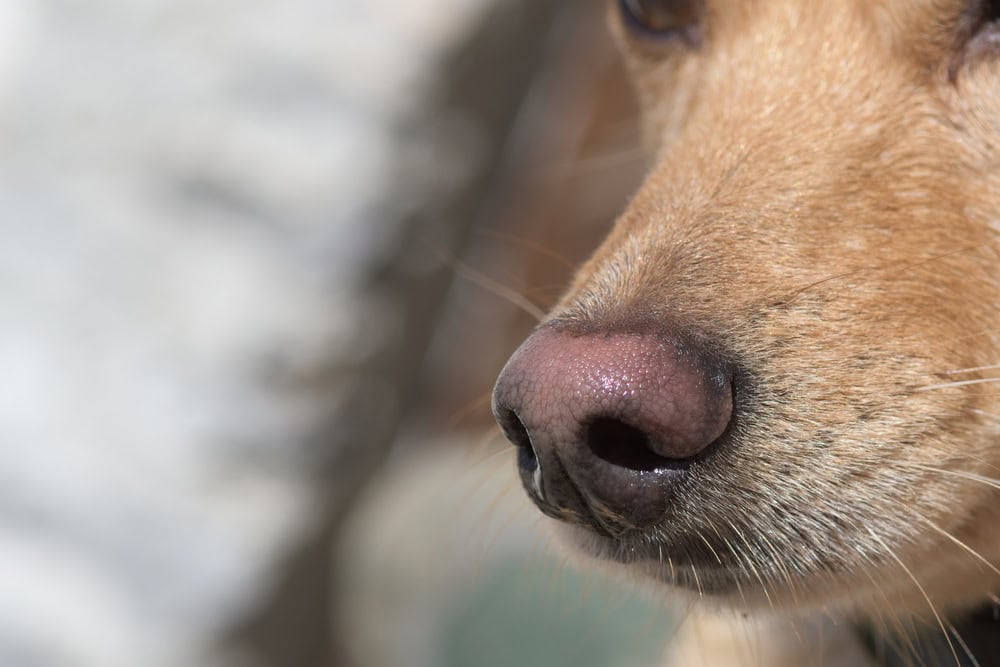
7. Runny Eyes/Nose
While runny eyes and noses are common indications of an upper respiratory tract infection in dogs , they can also be signs of an allergy. If your pup otherwise seems to feel fine and has the general energy levels that they usually do, their signs may be due to allergies. However, we would always advise you to get them checked out by your vet in case of other issues like infections or damage to the eyes.
8. Swelling
If a dog suddenly develops a swollen face or muzzle, it can be a sign of an anaphylactic reaction so you should seek veterinary attention immediately. Other signs of anaphylaxis can include hives, vomiting, diarrhea, excess salivation and difficulty breathing in the most severe cases.

Conclusion
Dogs can develop allergic reactions just like humans can, and the possible causes are many. If you suspect that your dog has allergies of any kind, talk to your veterinarian sooner rather than later so they can help investigate your suspicions. Diagnosing allergies can take time and patience but allow your vet to put together a treatment and management plan to help keep your dog’s signs under control.
Sources
Featured Image Credit: Yekatseryna Netuk, Shutterstock
Get Hepper In Your Inbox


Pet care tips from our vets and experts, straight to your inbox.
You may opt-out at any time. View our Privacy Policy for more information.
Rachael has been a freelance writer since 2000, in which time she has had an opportunity to research and write about many different topics while working to master the art of fusing high-quality content with effective content marketing strategies. She lives off the grid in Hawaii with her husband, her garden, and her rescue animals including 5 dogs, a cat, a goat, and dozens of chickens. She is an artist at heart and loves to read, paint, and make jewelry in her spare time. As a vegan, Rachael is obsessed with helping animals in need both in her community and anywhere in the world where she feels she can make a difference. Animals also happen to be her favorite topic to write about!
Join the conversation
Ask a question, share your story, or send private feedback.