Hepper is reader-supported. When you buy via links on our site, we may earn an affiliate commission at no cost to you. Learn more.
What Are Allergy Detection Service Dogs? How They Work, Training & FAQ
In this article
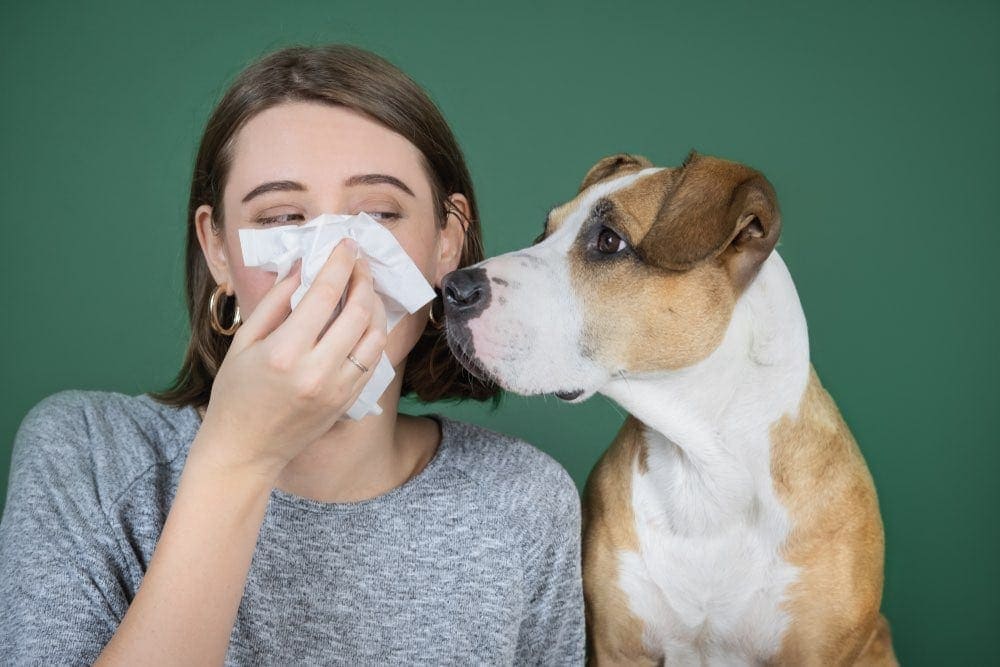
People with allergies have a rough time when exposed to allergy triggers. Sometimes, avoiding allergy triggers is impossible, especially if you're allergic to plants or some other object that you cannot simply move. Others may not be aware of what triggers their allergies, and they suffer in silence and just "deal with it" by masking the symptoms with allergy relief medications. However, some allergies can be life-threatening for some people, such as a latex allergy or eating certain foods like peanuts or gluten, and the danger can lie somewhere that you had no idea of ever being present.
Wouldn't it be nice if you had some type of help that could warn you of potentially dangerous allergens you are unaware of? Most people have heard of service dogs that help people with specific issues and disabilities, but what about an allergy-detection service dog? Do they exist? Yes, they do and they're trained to sniff and detect allergens in the surrounding environment to alert their owners that there are allergens present that can be dangerous to them.
In this post, we will explain what an allergy-detection service dog is and how the process works.

How Does It Work?
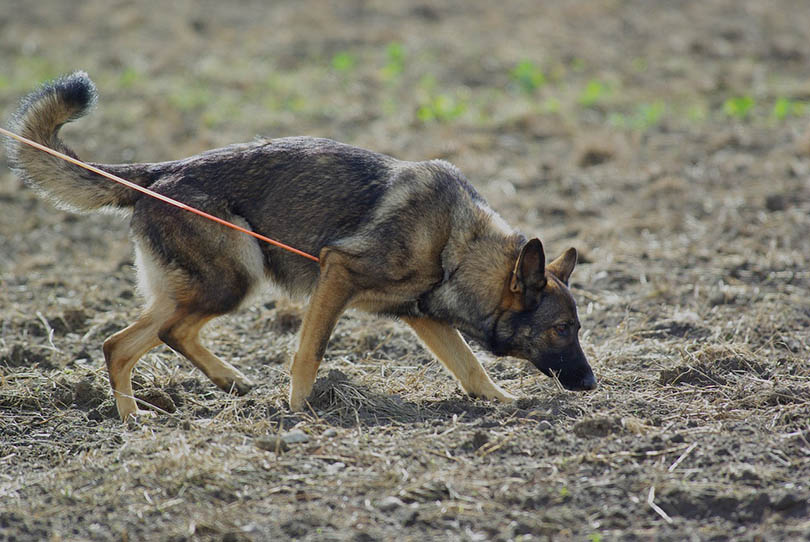
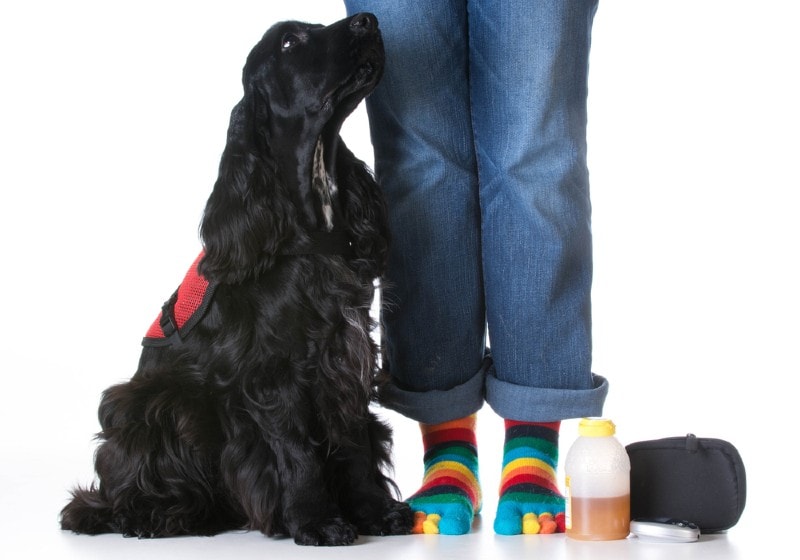
Allergy detection service dogs are specifically trained to sniff out allergens in your surroundings. Allergies are not always a simple nuisance but can also be life-threatening, depending on the allergen and the person’s allergic reaction. For example, someone may have a peanut allergy, which can cause breathing problems or put the person into shock, known as anaphylaxis. If you have an allergy detection service dog, the dog can sniff out the peanuts in certain foods that you may otherwise be oblivious to and prevent you from eating the food, ultimately avoiding disaster.
Allergy detection service dogs can also alert you to allergens in the air that you are allergic to so you can nip your symptoms in the bud before they get out of control. Service dogs are specifically trained to perform tasks and do work for someone with a specific disability, and a service dog will need to be trained to sniff out the allergen you are allergic to to help you.

How Is a Dog Trained to Be an Allergy Detection Service Dog?
As stated, a service detection dog will be trained to sniff out a particular allergen you are allergic to. A dog’s sense of smell is powerful—they have roughly 300 million olfactory receptors in their nose compared to 6 million in humans, which allows a service detection dog to smell a substance a human cannot. However, the process is not perfect, and sometimes, a dog may not be able to smell the substance due to the substance’s age, physical barriers, or environmental issues. In other words, having a service detection dog is not foolproof to protect you from dangerous allergens.
These dogs are trained to detect odors, not substances—to date, there are no known cases in which an allergy detection service dog has successfully detected the onset of an anaphylactic reaction, but an allergy detection service dog can potentially detect an odor associated with an allergen and alert you before an anaphylactic episode can occur.
Peanut allergies are one of the eight food most common allergens, and having an allergy detection service dog can absolutely be beneficial to someone with a potentially deadly food allergy, as the dog will be trained to alert with a particular command, such as a “sit.” However, the dog will use whatever command he was trained to use.
How Are Allergy Detection Service Dogs Trained?
If you choose to go through a professional company to acquire your service dog, the first step is to receive an official diagnosis from a licensed medical professional for you or a family member within the household. Once a diagnosis is made, you are eligible. You can use any service dog-training program in your area, or you can train your dog yourself. Usually, a reward-based technique is used to train an allergy-detection service dog, and it can be looked at as a game of hide-and-seek.
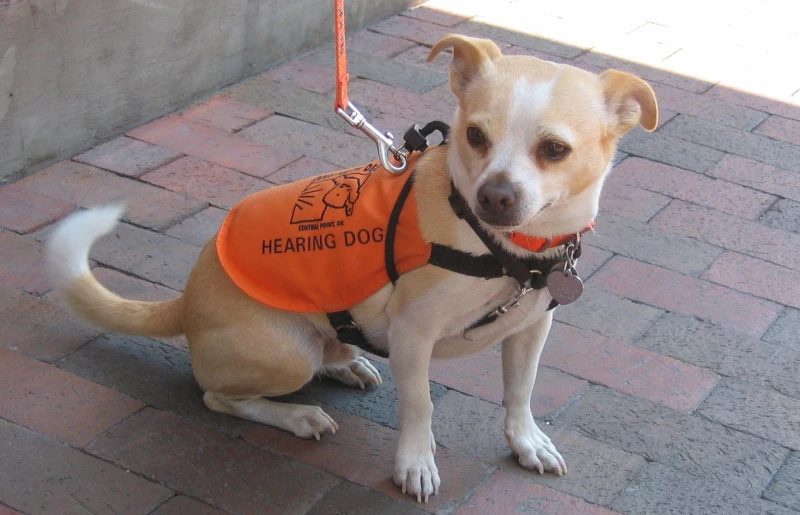
Getting an allergy service detection dog through an agency is expensive, and many people cannot afford the price. Different levels of certification are available, but one piece of valuable information is that a service dog does not have to be officially certified through a program to be classified as a service dog. According to the Americans with Disabilities Act (ADA), any dog can be a service dog, and the dog is not required to wear an ID tag or vest indicating he is a service dog1. People with disabilities have the right to train their dogs themselves—a professional service dog training program is not required.
If you have an allergy-detection service dog, your dog can accompany you to restaurants where dogs are prohibited and other places. Any dog can be a service dog, regardless of breed, eliminating the worry of what breed your service dog is.

Frequently Asked Questions (FAQ)
What’s the Hardest Part of Training a Dog to Detect Allergens?
Now to the scary part. A dog must be exposed to an allergen and become familiar with its odor to have the ability to alert you to danger, which means you’ll need to train with the particular allergen you typically avoid. However, there are safety methods you can practice while training to keep you safe, such as safe storage and handling methods that allow your dog to smell the odor but keep you from being exposed while your dog is in training. You can consult with your doctor on how to train your dog safely.

What Is the Best Dog Breed to Use for Allergy Detection?
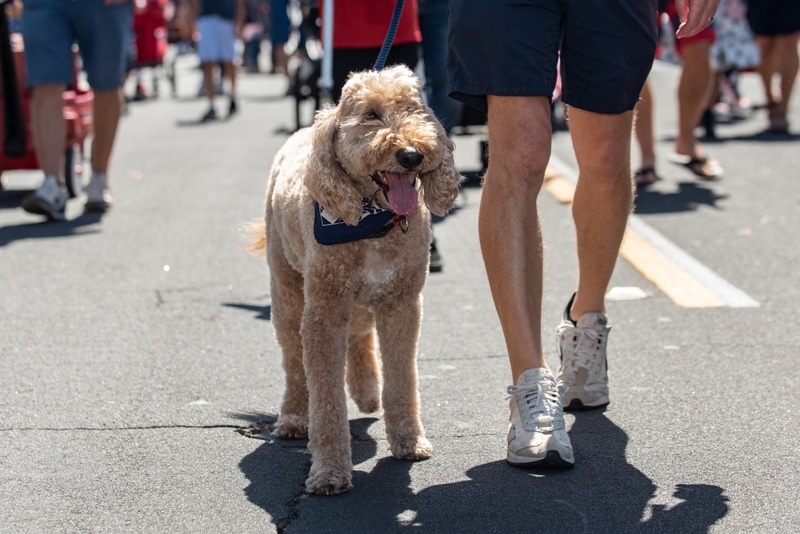
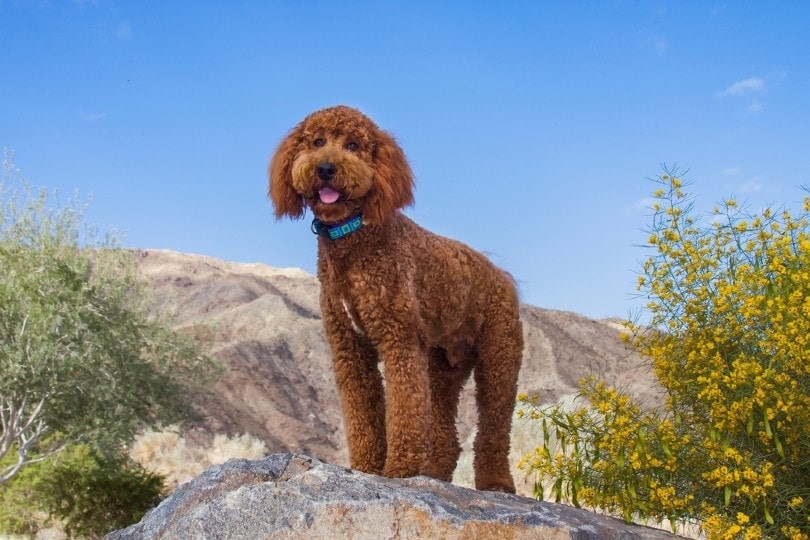
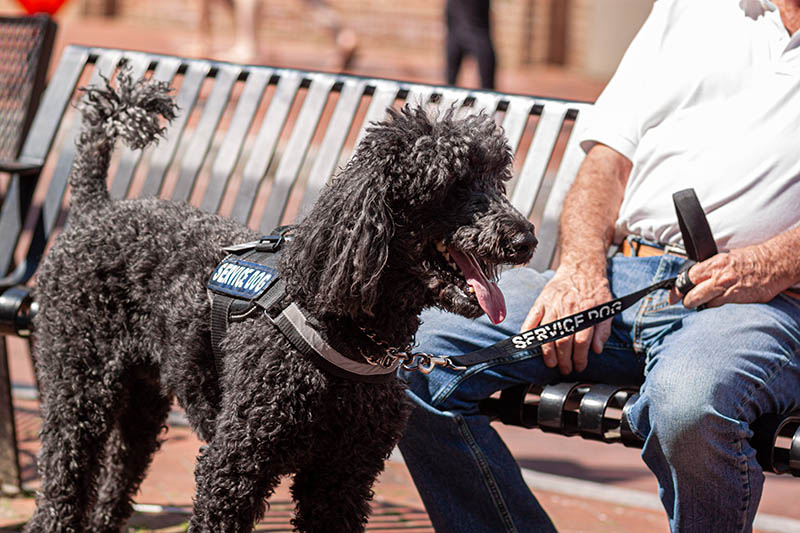
Any dog can be a service dog; however, the most common breeds used for this service are Labradoodles and Poodles, mainly due to their “hypoallergenic” coats. Keep in mind that no dog’s coat is truly hypoallergenic, but some dog coats are easier on people with allergies than others due to low shedding. Pet dander is a common allergy trigger, and a dog that sheds minimally is best for those with allergies.
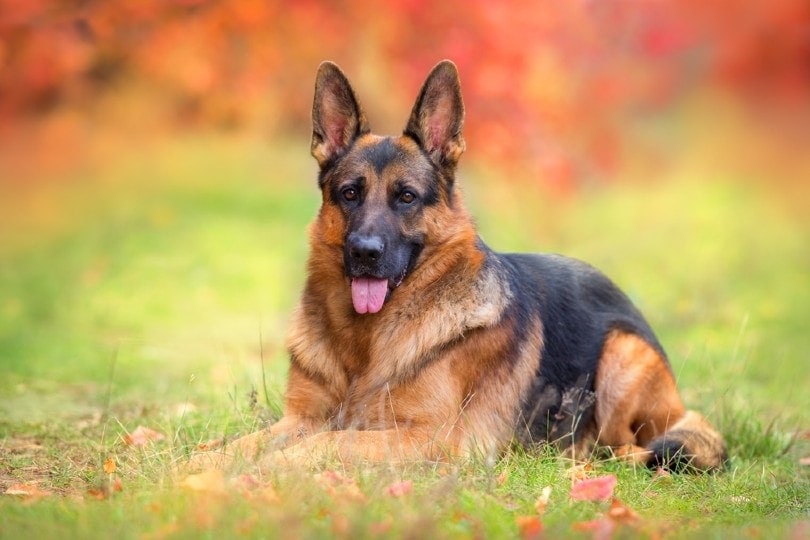
Another beneficial characteristic to look for is an intelligent dog breed that can easily be trained to perform the task. Such dog breeds are the Labrador Retriever, Golden Retriever, German Shepherd, Bernese Mountain Dog, Great Dane, Border Collie, and American Staffordshire Terrier.
Conclusion
People who suffer from potentially deadly allergens can greatly benefit from having an allergy-detection service dog. People with food allergies are constantly on the lookout for these allergens, and sometimes, even a trace of peanut oil on a surface or some similar scenario can be a disaster, but if you have an allergy detection service dog, the dog can alert you to keep you safe.
Remember that you do not need to use a professional service, and you can train your dog yourself to help with the costs.
Sources
Featured Image Credit: grandbrothers, Shutterstock
Get Hepper In Your Inbox


Pet care tips from our vets and experts, straight to your inbox.
You may opt-out at any time. View our Privacy Policy for more information.

Rachel Giordano is a writer and musician out of Pensacola, Florida, living there with her partner and their two dogs, Aero, a Border Collie/Sheltie mix, and Sophie, a Boston Terrier. Rachel has a Bachelor of Arts degree in communication and enjoys writing about all types of animals. When Rachel’s not dedicating her time to writing about animals, she enjoys writing thriller/suspense novels. A writer by day and a musician by night, she's passionate about educating the public about the requirements and needs of all types of animals.
Join the conversation
Ask a question, share your story, or send private feedback.