Hepper is reader-supported. When you buy via links on our site, we may earn an affiliate commission at no cost to you. Learn more.
Grass Allergy in Dogs: Vet-Reviewed Causes & Signs


In this article
Allergies occur when the body’s immune system responds inappropriately to a usually non- harmful substance. Like us, our dogs can suffer from seasonal allergies to grass. Though dogs can suffer from runny eyes and respiratory signs, most commonly grass allergies in dogs affect the skin. Environmental allergies are also known as atopy (or atopic dermatitis). Allergens are inhaled or absorbed through the skin.
There is no way to prevent your dog from developing grass allergies. Airborne triggers or allergens, such as grass pollen, are particularly troublesome since it’s harder to control your pet’s exposure to them. However, there are some excellent treatment options and relief from the signs is possible.

What Is a Grass Allergy?
Pollen is the usual culprit causing an allergic reaction. The signs of grass allergy are generally seasonal, occurring in spring and summer, like when people get allergic rhinitis (hay fever). However in some areas they may cause problems for your dog all year.
Dogs with atopic dermatitis have a weaker skin barrier as well as an immune system that overreacts to certain allergens, leading to itchy inflamed skin. While atopic dermatitis is a complex disease and isn’t fully understood, there is known to be a genetic predisposition with certain breeds of dogs, such as Labradors and West Highland White Terriers, more prone to developing the condition.
If you have allergies, you may recognize the pattern following exposure. They often develop while the pup is younger, with signs in dogs usually starting when they are under 3 years of age. There has been less research into grass pollen allergens in dogs, compared with humans, but studies did show there were some similarities. That can give researchers a better understanding of potential treatments.

What Are the Signs of a Grass Allergy?
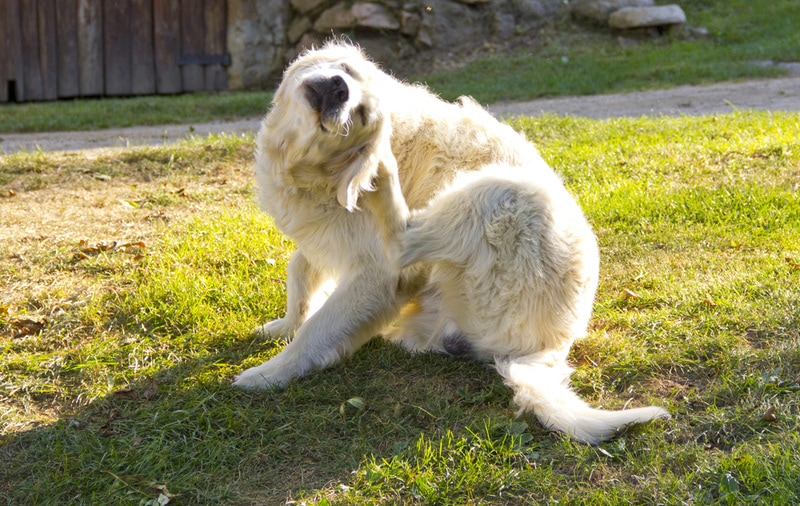
The main signs of a grass allergy in dogs are related to itchy skin. Affected dogs lick, chew and scratch themselves with the itchiest areas usually being the face, ears, paws, groin and armpits.
As the skin becomes inflamed, you might see redness, rashes, a darkening of the skin (pigmentation) and skin or ear infections that keep coming back. As dogs scratch, the barrier of the skin is weakened even more.
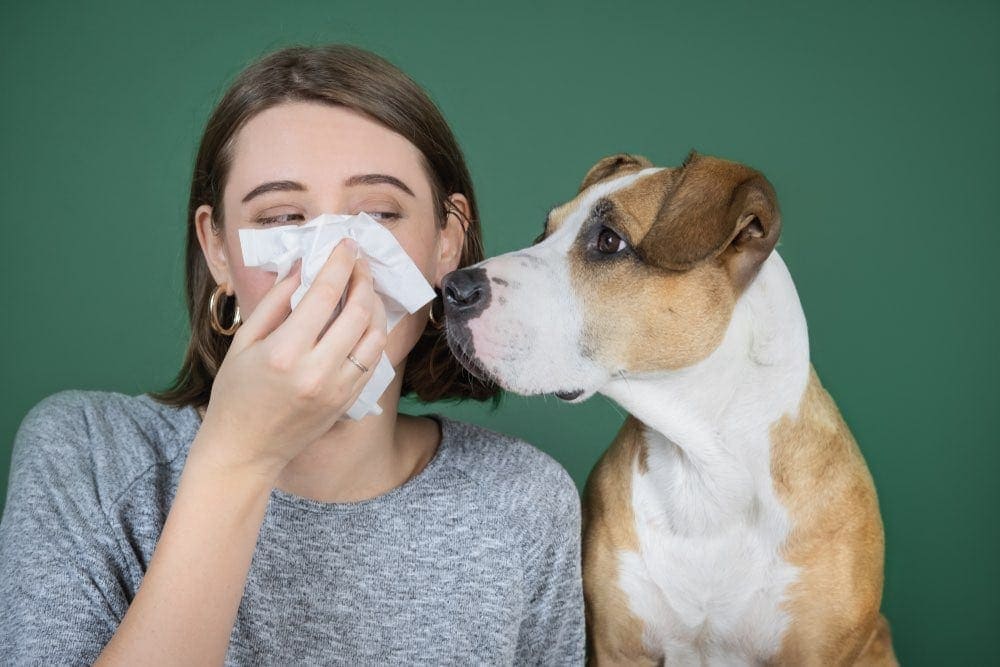
There may also be signs of watery eyes (allergic conjunctivitis) or a runny nose similar to those people often get with hay fever. Grass allergies can also sometimes cause hives, these can be more difficult to see if your dog has a long coat.
If your dog is experiencing acute signs of distress, such as difficulty breathing, facial swelling, and other obvious signs of distress, get them to an emergency vet clinic immediately. These are telltale signs of potentially life-threatening anaphylaxis. Fortunately, severe anaphylactic reactions aren’t common in dogs and generally the signs of grass allergies are irritating but not life-threatening.
What Are the Causes of a Grass Allergy?

An allergy is an exaggerated or inappropriate response to an allergen, in this case, grass. It has a genetic component, but exposure is also a factor. Diagnosing these conditions is like solving a mystery, as many allergies and other conditions present with similar signs. Your vet will likely begin with a life history to rule out possible causes of your pet’s signs. It requires careful observation on your part to discern their cause and effect.
Atopy is a diagnosis of exclusions, definitive tests don’t exist. Once other conditions with similar signs have been ruled out, such as food allergy and parasites, your vet may advise an allergy blood test or an intradermal skin test that can provide more information on specific allergens your dog is sensitive to. This enables more tailored advice and treatment options to be given including Allergen Specific Immunotherapy (ASIT). ASIT is an allergy vaccine made specifically for your dog containing the allergens they are most allergic to.
A proper diagnosis is imperative for your dog’s quality of life. Living with a grass allergy is miserable, especially during the height of the pollen season. We suggest monitoring pollen levels using a mobile app to adjust your pet’s treatment schedule as necessary when readings are high.
How Do I Care for a Dog With a Grass Allergy?
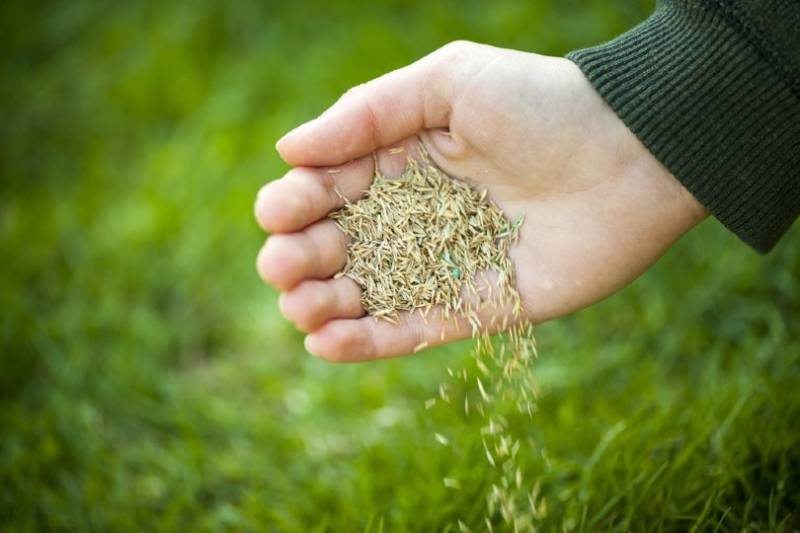
Barring any new scientific breakthroughs, it’s essential to understand that a grass allergy is a lifelong condition without a cure. The best way to care for a pet is to limit exposure to allergens as much as possible. If you are able to identify the specific grass species, you can keep your pup from areas planted in the suspect grass but grass pollen is light and can travel long distances. You can also keep your lawn trim to prevent the plants from going to seed and releasing pollen and avoid letting your dog have contact with freshly cut grass.

Tackling skin allergies from different angles usually gives the best chance of success for long term control. Here are some of the treatment options that your vet may discuss with you:
- Anti-itch medications – these come in the form of tablets, liquid, monthly injections and topical sprays /creams. Your vet may need to try different ones to find the best option for your dog.
- Allergen-specific immunotherapy (allergy shots or vaccine).
- Shampoos, foams, and wipes – Normal bacteria and yeasts that live on your pup’s skin can take advantage of the weaker skin barrier and cause infection so sometimes a medicated antibacterial/antifungal shampoo, foam or wipe will be needed. If no infection is present your vet may recommend over-the -counter (OTC) shampoos such as those containing oatmeal. Regularly bathing allergic dogs can help remove pollens and other allergens from the fur and skin. Colloidal oatmeal is a moisturizer that can enhance the skin barrier.
- Antihistamines – these are only helpful in a small number of cases.
- Essential Fatty acids (EFAs) – improve barrier function to prevent further penetration of the allergens. Containing the right balance of omegas 3 and 6 they can be added to the diet or found in specific skin diets.
- All year-round flea control.
- Regular use of an ear cleaner in dogs prone to ear trouble. Sometimes with steroid drops also.
Frequently Asked Questions
Are Allergy Shots an Option?
Allergy shots, also referred to as an allergy vaccine or ASIT can be formulated for your dog after allergy testing, either from the results of a blood test or intradermal skin testing. The latter is considered ‘gold standard’ and is performed by a veterinary dermatologist.
Allergy shots work by giving slowly increasing amounts of the environmental allergens gradually desensitizing your pup to them. It can take 9 months or longer to have a good effect. Unfortunately, it is not effective in all dogs. Your vet will work with you to develop a plan to suit your dog’s needs.

Why Are Grass Allergies So Difficult to Diagnose?
Grass allergies in dogs most commonly cause skin signs, and many skin conditions can cause the same signs of itchy, inflamed skin. To diagnose grass allergies, first other problems that cause similar signs need to be ruled out such as parasites, skin infections and food allergies. Once a diagnosis of atopic dermatitis has been reached, skin and blood tests are needed to pinpoint whether it is a grass allergy or an allergy to something else in the environment that is causing your dog’s problems. Definitive diagnosis is a time commitment between you, your vet, and your pet.
Final Thoughts
A grass allergy is a vexing problem, particularly during pollen season when avoidance and prevention is challenging. However, you’ll find many excellent options for relieving your pup’s discomfort. It begins with a reliable diagnosis and possible identification of the specific allergens. You may not be able to cure it, but at least your pet can enjoy time outdoors with you when you take the necessary precautions.
Sources
https://www.merckvetmanual.com/dog-owners/skin-disorders-of-dogs/allergies-in-dogs
https://www.vravet.com/site/blog/2021/12/01/what-expect-intradermal-skin-testing
https://vcahospitals.com/know-your-pet/allergy-flea-allergy-dermatitis-in-dogs
https://www.merckvetmanual.com/dog-owners/skin-disorders-of-dogs/allergies-in-dogs?query=allergies
Featured Image Credit: Ingrid Prats, Shutterstock
Get Hepper In Your Inbox


Pet care tips from our vets and experts, straight to your inbox.
You may opt-out at any time. View our Privacy Policy for more information.
Chris is an experienced pet writer specializing in science topics, with a particular passion for health and the environment. She has been a writer for over 15 years and lives with her husband and three cats in Michigan.
Beyond writing about cats and dogs, Chris loves to learn about wine. She has WSET 1 and 2 certifications and is currently pursuing her Certified Wine Specialist Award (CSW).
Join the conversation
Ask a question, share your story, or send private feedback.