Hepper is reader-supported. When you buy via links on our site, we may earn an affiliate commission at no cost to you. Learn more.
Is a Broken Dog Tooth an Emergency? Vet-Reviewed Facts & FAQ



In this article
When you own a dog, it’s helpful to know when a health issue is one you can handle yourself, or one that demands the expert care of your veterinarian. For example, a thorn in your puppy's paw might be something you can handle, but a vet should treat a serious or deep cut. But what about a broken tooth? Is that considered an emergency?
Broken teeth can quickly lead to bigger health issues like infections and pain, so they definitely require a trip to the vet, but in most cases, they are not considered to be an emergency. We have more details below that will help you know what to look out for and help keep your dog’s teeth healthy and strong.

How to Tell if Your Dog Has a Broken Tooth
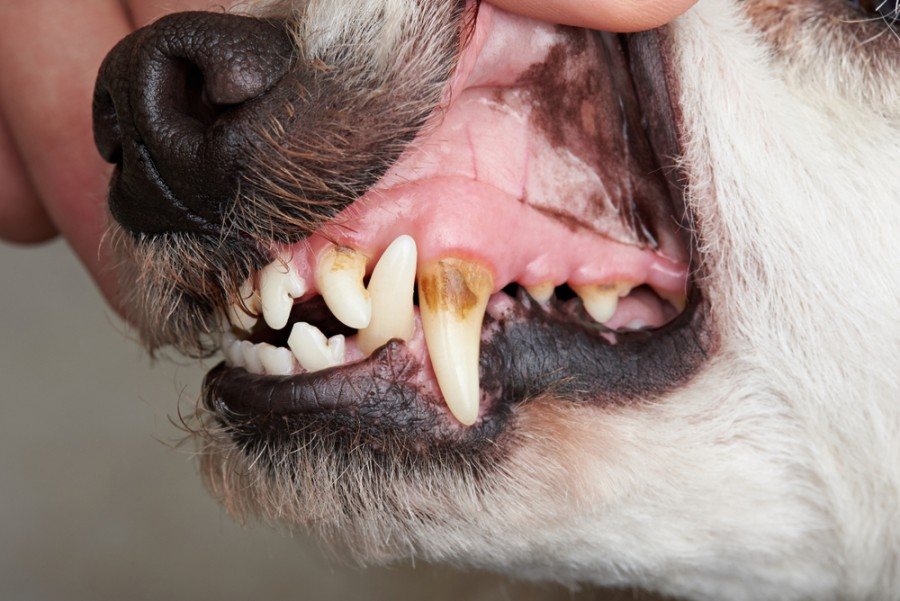
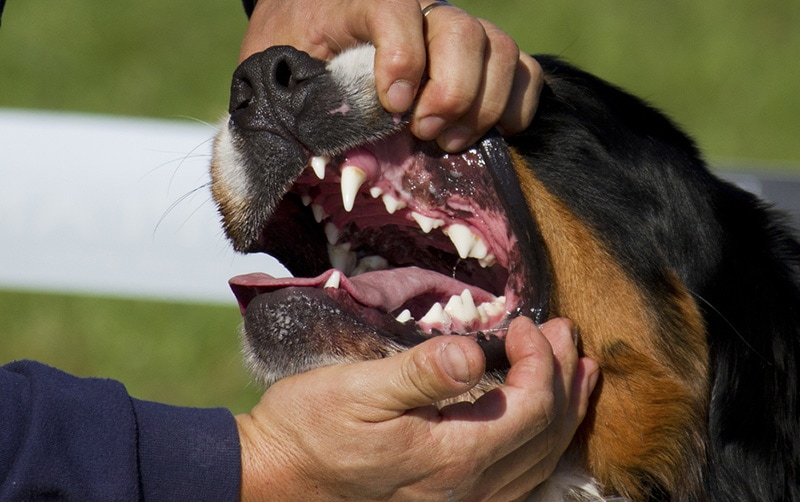
Sometimes it’s easy to tell if your dog has a broken tooth because you can see it when they open their mouth or pant. However, you won’t always be able to see the broken tooth if it’s too far back in your dog’s mouth. In those cases, knowing the signs that your dog’s tooth is damaged can be helpful. We’ve listed the most common signs that your dog may have a broken, painful, or infected tooth below.
- Whining or crying when they eat
- Pulling away from you when you touch or pet their muzzle
- Swelling in and around your dog’s mouth or below their eye
- Drooling more than usual
- Blood in their saliva
- Refusing to eat
- Seeming irritable
- Pawing at their mouth
- Dropping food when eating, or chewing on one side of their mouth only
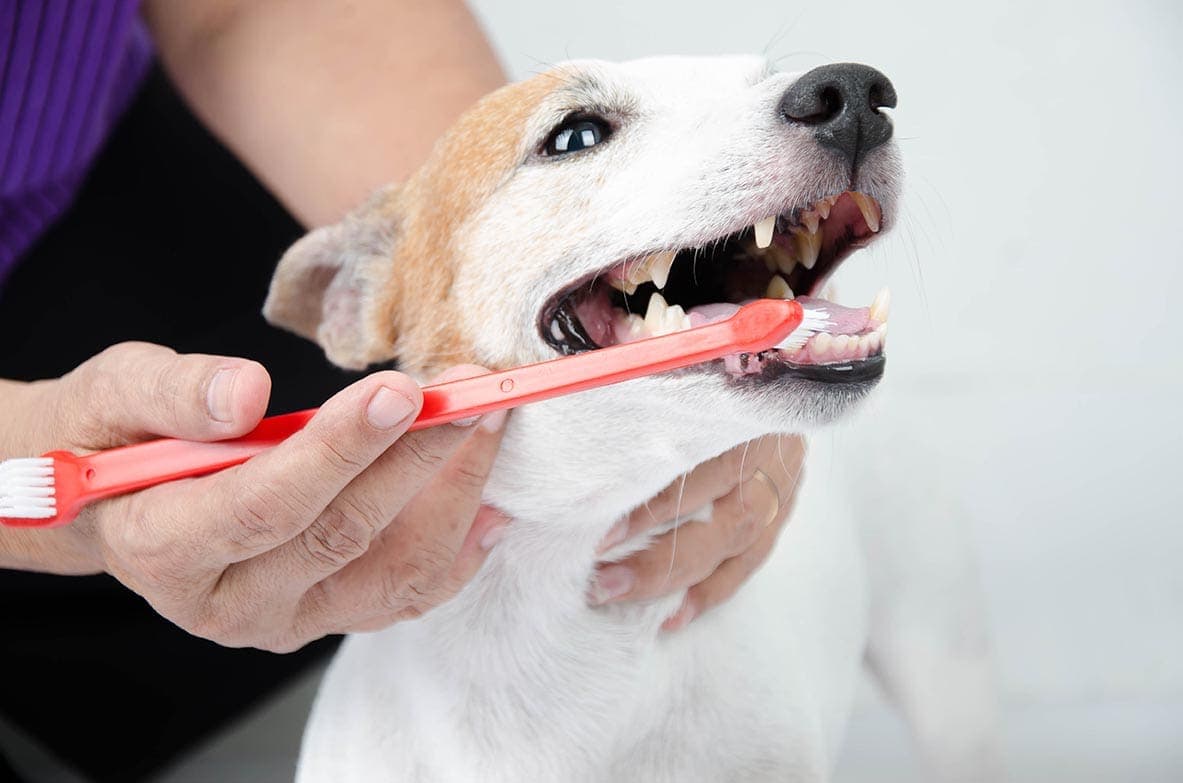
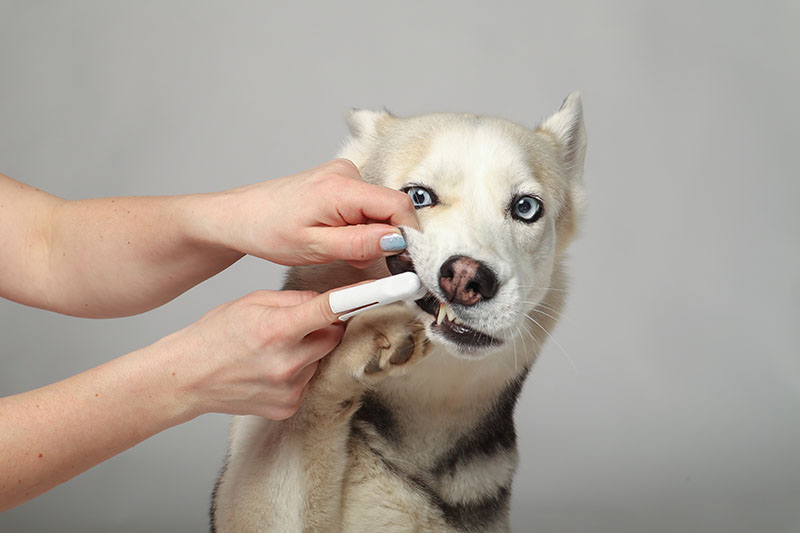
It is important to note that some dogs may not show any signs they have a broken tooth, which makes checking their teeth visually when you brush them a vital habit. It also means you should be brushing your dog’s teeth!
Are there Different Types of Broken (Fractured) Teeth?
The type of break or fracture is one of the main factors in how your veterinarian will treat the issue. There are five main types of tooth fractures in dogs, including uncomplicated fractures and complicated fractures, the difference being whether the fracture involves only the enamel and dentin or the tooth’s enamel, dentin, and pulp. Let’s take a closer look.
- Enamel fracture. A fracture with loss of crown substance confined to the enamel.
- Uncomplicated crown fracture. A fracture of the crown that does not expose the pulp.
- Complicated crown fracture. A fracture of the crown that exposes the pulp.
- Uncomplicated crown-root fracture. A fracture of the crown and root that does not expose the pulp.
- Complicated crown-root fracture. A fracture of the crown and root that exposes the pulp.
- Root fracture. A fracture involving the root of the tooth.

How Do Veterinarians Treat Complicated & Uncomplicated Dog Tooth Fractures?
Veterinarians have several options to treat your dog’s damaged tooth. With uncomplicated fractures, a bonding agent can be placed over the fracture and healthy pulp, sealing the dentin at the same time. This will typically solve the problem and any pain your dog might be experiencing.
For complicated fractures, the treatments depend on whether the root is involved, the overall health of the mouth, and whether or not there is mobility in the tooth. In most cases, extraction of the tooth involved is the quickest, cheapest, and most straightforward approach to dealing with a fractured tooth. While pulp evacuation and root canals are able to be performed in dogs, they are quite costly and often require referral to a specialist veterinary dentist.
It’s worth noting that dogs manage perfectly well following a tooth extraction. In fact, in cases where dogs have severely diseased teeth, they have been known to be much happier and eat better with no teeth at all!
However, when it comes to teeth like the canine teeth (fangs) or the larger molars or premolars (carnassial teeth), it may be worth trying to save the teeth if the roots are healthy, particularly in younger dogs. But rest assured, if your vet recommends extraction, your dog will be able to eat perfectly well afterwards.
Which of Their Teeth Do Dogs Break Most Often?
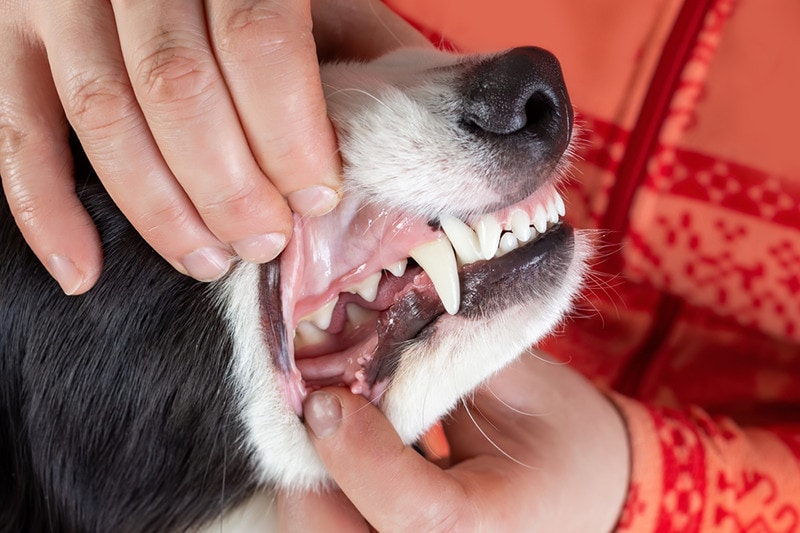
Some teeth in your dog’s mouth are more susceptible to breaking and fracturing than others. The most common teeth dogs break include their canine teeth, and the carnassial teeth they use to chew.
Canines can fracture during vigorous games of tug of war, fighting or a collision with a solid object (often another dog!).
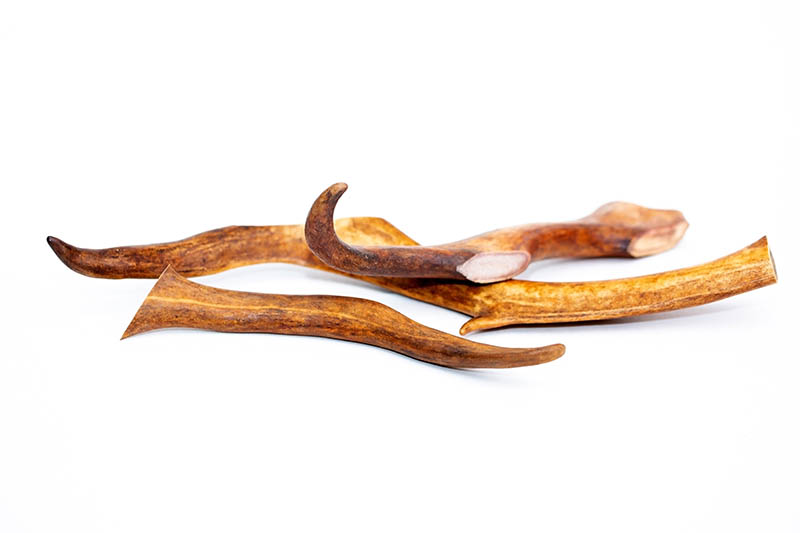
As for the teeth in the back of your dog’s mouth, one of the biggest culprits is chewing on hard objects. Objects like rawhide bones, ice, animal bones, and some chew toys can cause breaks and fractures, so be sure to choose chewable items carefully for your pet.
How to Prevent Dogs from Breaking Their Teeth
You can help your dog avoid broken and fractured teeth in several ways. For example, if your dog roams freely in your yard, you can’t watch them all day to ensure they don’t chew on something too hard. You can, however, police your yard regularly and remove hard objects. Below are several other methods to prevent your dog from breaking any of their teeth.
- Avoid playing fetch and similar games with hard, tough, or heavy objects.
- Don’t purchase chewable treats and toys that are too hard for your dog.
- Purchase toys made for the size of your dog. Toys that are too small or too big can both be a problem.
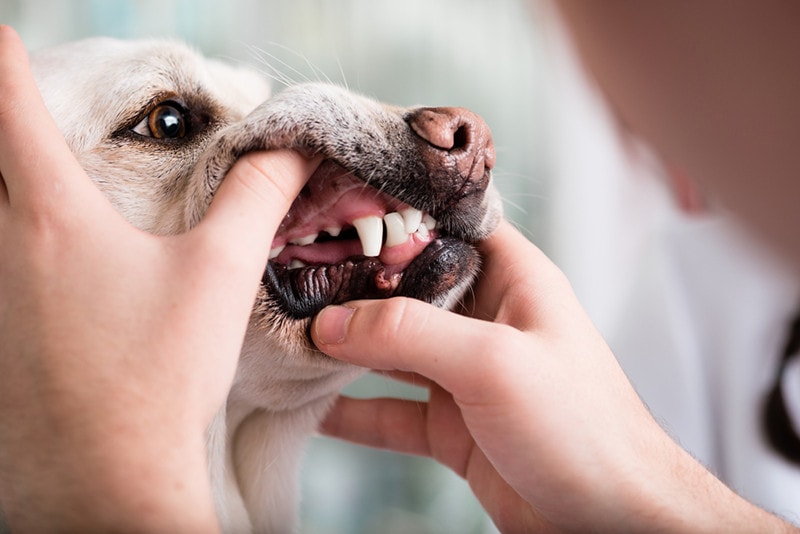
- Ensure your dog has a health check, including a dental exam, with the vet each year.
- Never let your dog chew on ice, especially an older dog.
When Is A Broken Tooth An Emergency?
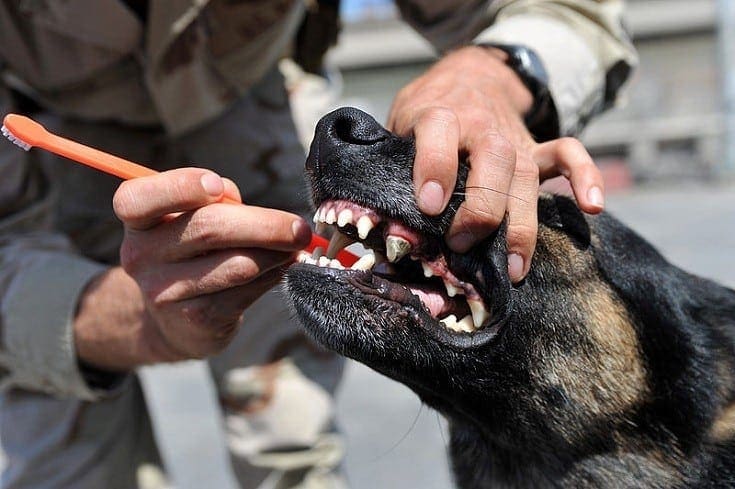
One of the main reasons to bring your dog to the vet right away if they break a tooth is if they are in distress. If the pulp and nerves are exposed, this will be very painful. Equally, if the root has been fractured, this can also result in discomfort and pain, and there could even be damage to the jawbone around the tooth.
Conclusion
When your dog has a broken tooth, you should take them to the vet in order to prevent the problem from becoming more complicated and difficult to treat. Broken teeth that cause pain or distress should be treated as an emergency, in much the same way as we would treat a broken bone. Even if the repair isn’t performed right away, pain relief should be provided quickly.
Preventing broken teeth isn’t always possible, but if you follow our tips, you can keep the risk of dental problems to a minimum. A regular, annual checkup for their teeth and oral health is also highly recommended and will ensure your dog’s chompers stay strong and healthy.
Sources
https://www.eastvalleyanimal.com/is-a-broken-dog-tooth-an-emergency/
https://brannockvets.co.uk/wp-content/uploads/2017/09/dental-disease-in-dogs.pdf
https://www.reedanimalhospital.com/blog/signs-of-a-fractured-tooth-in-your-pet/
https://animalcarectr.com/blog/is-it-an-emergency-if-my-dog-breaks-a-tooth/
https://vcahospitals.com/know-your-pet/fractured-teeth-in-dogs
https://oneallanepethospital.com/tips-to-help-your-pet-avoid-fractured-teeth/
Featured Image Credit: YAKOBCHUK VIACHESLAV, Shutterstock
Get Hepper In Your Inbox


Pet care tips from our vets and experts, straight to your inbox.
You may opt-out at any time. View our Privacy Policy for more information.
Greg Iacono is a self-taught writer and former chiropractor who, ironically, retired early due to back problems. He spends his time writing scintillating content on a wide variety of subjects. Greg is also an accomplished video script writer known for his ability to take a complex subject and make it accessible for the layperson.
Join the conversation
Ask a question, share your story, or send private feedback.