Hepper is reader-supported. When you buy via links on our site, we may earn an affiliate commission at no cost to you. Learn more.
Emergency Dog Food: What to Put in a Survival Kit
In this article
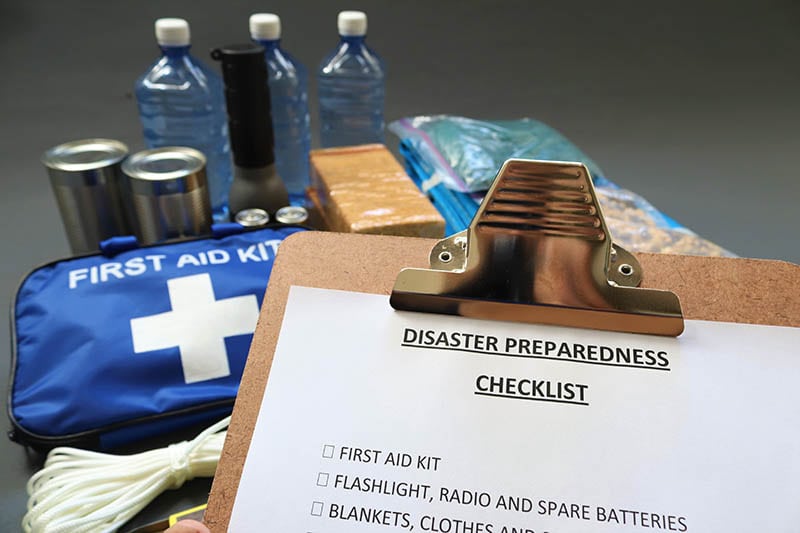
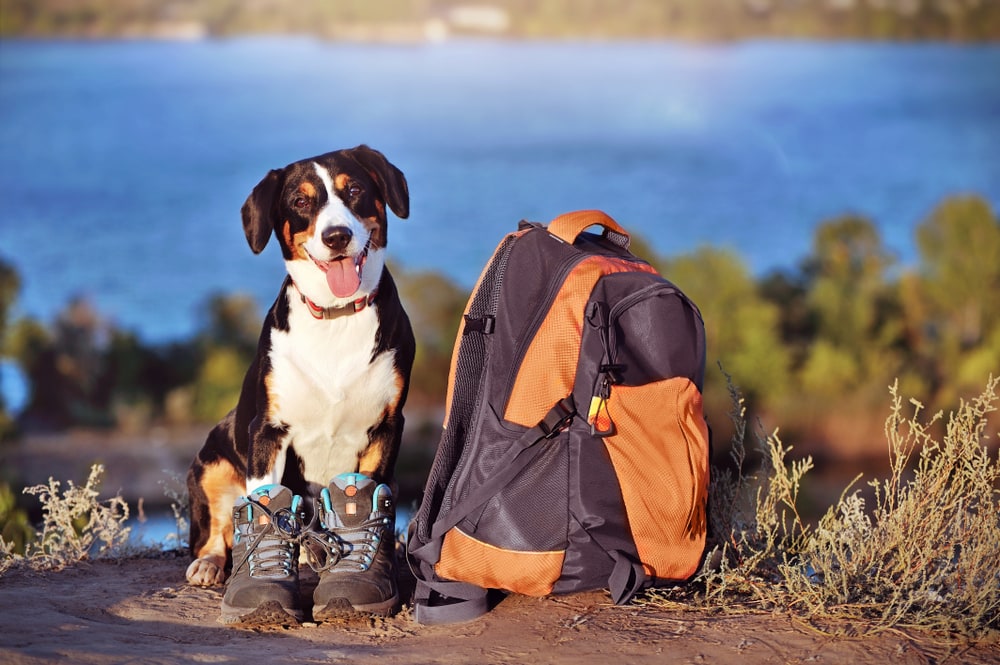
Having a survival kit on hand is a crucial aspect of pet ownership that often goes overlooked. But what should this survival kit contain? We’ve got you covered. Here’s a comprehensive guide on preparing a survival kit for your canine companion, ensuring you are prepared for any emergencies that might come your way.

Tips on What to Put in a Survival Kit
1. High-Quality Canned Dog Food
Canned dog food is a must-have for any emergency dog kit. It has a long shelf life and retains moisture, making it a great hydration source. Choose a variety rich in proteins, fats, and essential vitamins to keep a dog healthy and energetic. Make sure to check expiration dates regularly and replace them as needed.

2. Dry Dog Food
In addition to canned food, a good stock of dry dog food is crucial. It’s lighter, easier to carry, and can also be used as training treats. Opt for a brand that provides balanced nutrition and comes in a resealable bag to maintain freshness.
3. Water and Water Purification Tablets
A dog needs about an ounce of water per pound of body weight each day. Therefore, ensuring a sufficient supply of water is crucial. Include bottled water and water purification tablets in the survival kit. If stuck without access to clean water, these tablets can purify any source, making it safe for a dog to drink.

4. Collapsible Water and Food Bowls
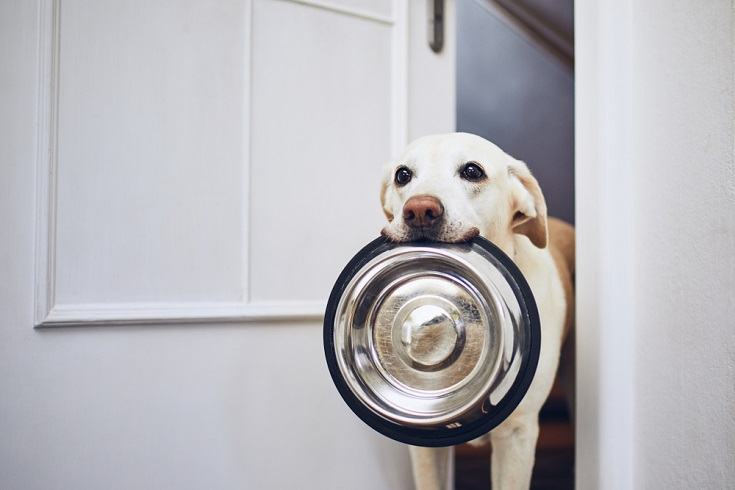
Space is a premium when packing an emergency kit. Collapsible water and food bowls are compact, lightweight, and easy to clean. They offer a practical solution for feeding and hydrating dogs during emergencies.
5. Treats for Training and Comfort
Treats are more than just snacks. In a stressful situation, familiar treats can comfort a dog and reinforce positive behavior. Include a bag of your dog’s favorite goodies. If at all possible, opt for treats that are healthy and full of nutrients. This will help give your dog a boost of energy.

6. Medications and First Aid Supplies
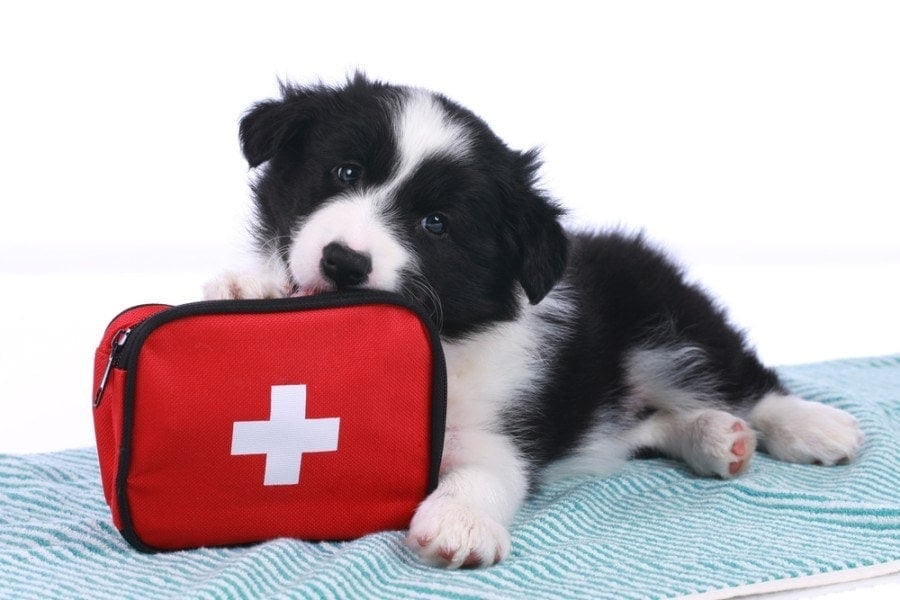
If a dog is on any medication, always have a week’s supply in the emergency kit. Also include a basic pet first aid kit, with essentials like bandages, tweezers, antiseptic wipes, and a pet-friendly thermometer.
7. Durable Chew Toys
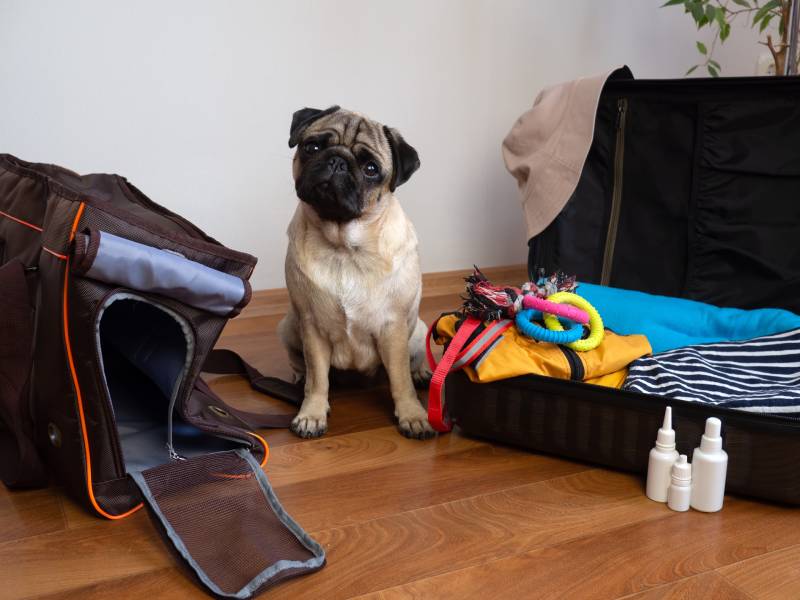
Chew toys can help relieve a dog’s anxiety and keep them occupied during a tense situation. Opt for durable options that can withstand aggressive chewing—you may not have a chance to get new ones depending on the situation you’re in.

8. Copies of Veterinary Records and Photos
In case of displacement, having copies of a dog’s vet records and clear photos can assist in identifying and providing appropriate care. Store these in a waterproof pouch in the emergency kit.
9. Dog Carrier or Portable Shelter
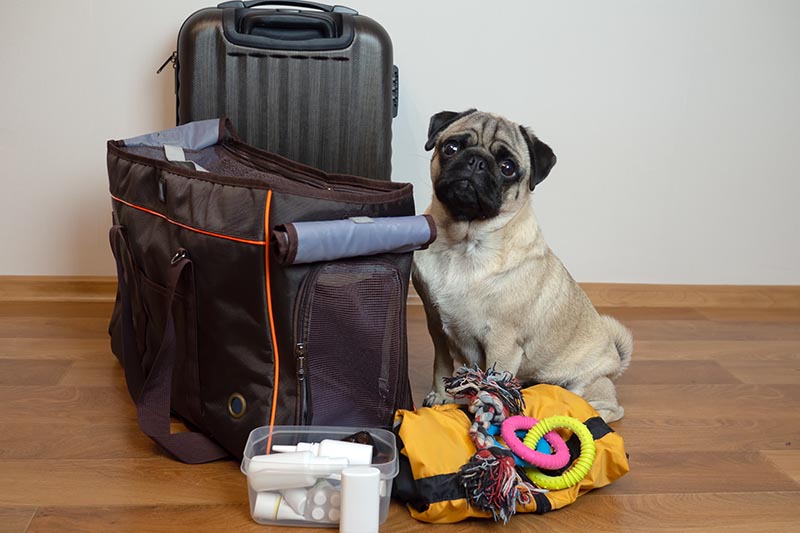
Having a portable, lightweight, and sturdy carrier is important. In a disaster scenario, a dog might need to be confined for safety. The carrier should be well-ventilated and big enough for the dog to turn around and lie down comfortably.

10. Poop Bags and Sanitary Wipes
Maintaining hygiene during emergencies is vital to prevent disease spread. Include a roll of poop bags and pet-friendly sanitary wipes in the kit. These are sure to come in handy, especially if you’re on the move.
Tips for Caring for Dogs in Emergency Situations
Now that the survival kit is sorted, it’s also essential to know how to use these resources and take care of a dog during emergencies. Here are some tips to keep in mind.
1. Maintain Calm
Dogs are incredibly sensitive to human emotions. Staying calm can help keep a dog calm too. Reassure them with gentle petting and speak in a soft, soothing voice.
2. Keep Them Hydrated
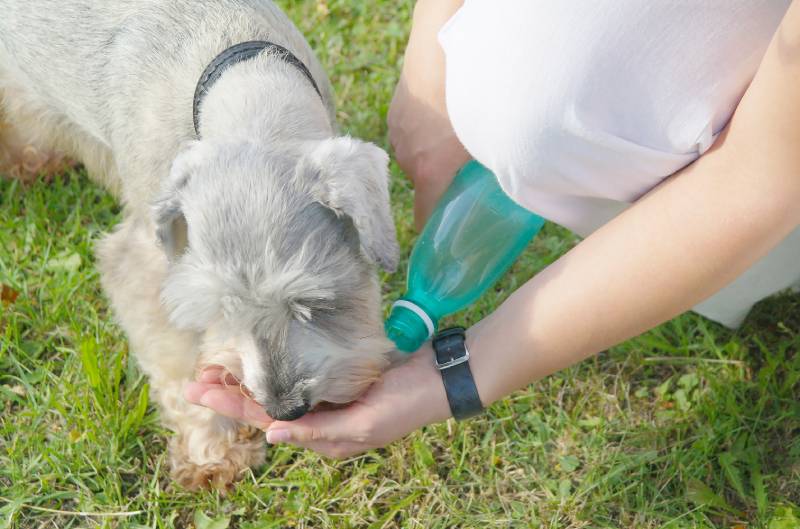
During a crisis, dehydration can be a significant concern. Keep track of a dog’s water intake and make sure they’re adequately hydrated.
3. Regular Feeding
Ensure regular feeding times, even in emergencies. Irregular meals can lead to digestive issues and increased anxiety in dogs.
4. Keep Them Leashed
With all the unfamiliar noises and chaos, a dog might get spooked and run off. Always keep them on a leash when venturing outside.
5. Monitor Health
Keep an eye on a dog’s health. Look for signs of distress or illness and use the first aid kit when needed. Contact a vet as soon as possible if symptoms persist.

Final Thoughts
As responsible pet owners, it’s our duty to ensure our furry friends’ safety during unforeseen situations. An emergency dog food survival kit is one way to prepare for such instances, but it’s equally important to remember the emotional care dogs need during these times.
Stay calm, keep them close, and follow the regular routine as much as possible to help your pet cope. After all, the reassurance that you are there with them can be the most comforting thing for a dog during emergencies.
Featured Image Credit: Yekatseryna Netuk, Shutterstock
Get Hepper In Your Inbox


Pet care tips from our vets and experts, straight to your inbox.
You may opt-out at any time. View our Privacy Policy for more information.

Nicole is a lover of animals of all sizes but is especially fascinated with the feline variety. She’s the proud mom of Baby, a Burmese, and works every day so he can relax in the sunshine or by the fire. She’s always had a cat in her home and has spent countless days with others, observing behaviors and softening up even the grouchiest of the lot. Nicole wants to share her kitty expertise with you so you and your cat can live happy, healthy, and care-free.
Join the conversation
Ask a question, share your story, or send private feedback.