Hepper is reader-supported. When you buy via links on our site, we may earn an affiliate commission at no cost to you. Learn more.
Should Canned Dog Food Be Refrigerated? What You Need to Know


In this article
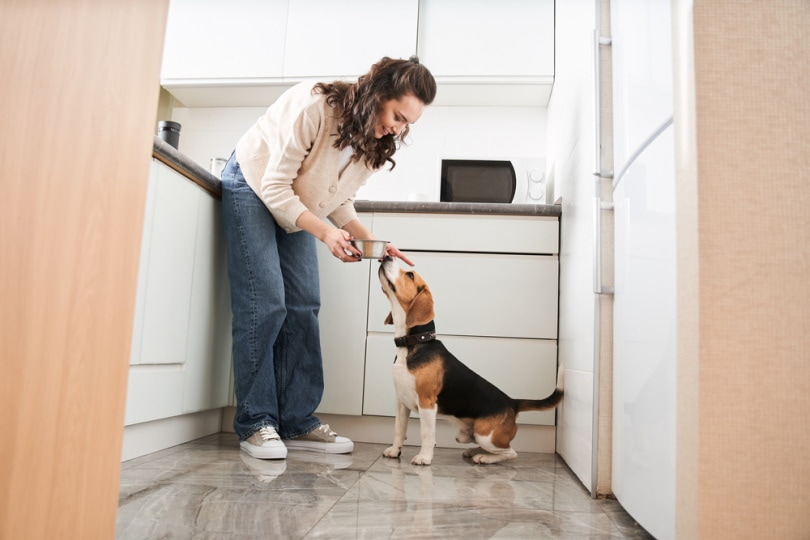
Choosing the right dog food can be a daunting task, but it's important to do your research in order to choose the best food for your pup. Some of the most popular types of dog foods include dry kibble, wet pouches, and canned dog food. There are many different brands and varieties of each type of food, so it's important to understand the differences.
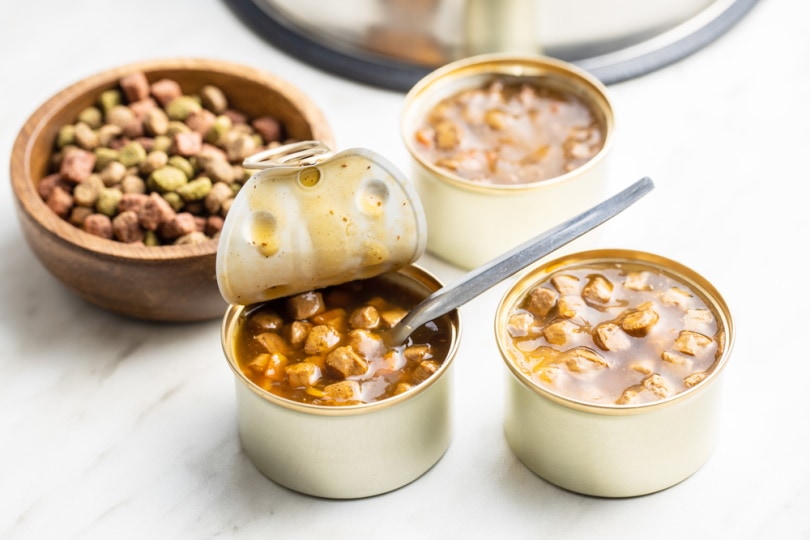
Canned dog food is a popular choice for many pet owners. It is a more affordable option than some other wet foods. Some people believe that canned dog food should be refrigerated to keep it fresh while others say that canned dog food never requires refrigeration. Neither side of the argument is perfectly true. Although canned dog food has a long and stable shelf life there are times when you absolutely must refrigerate canned dog food. Check out the rest of this article to learn more.

What Is in Canned Dog Food?
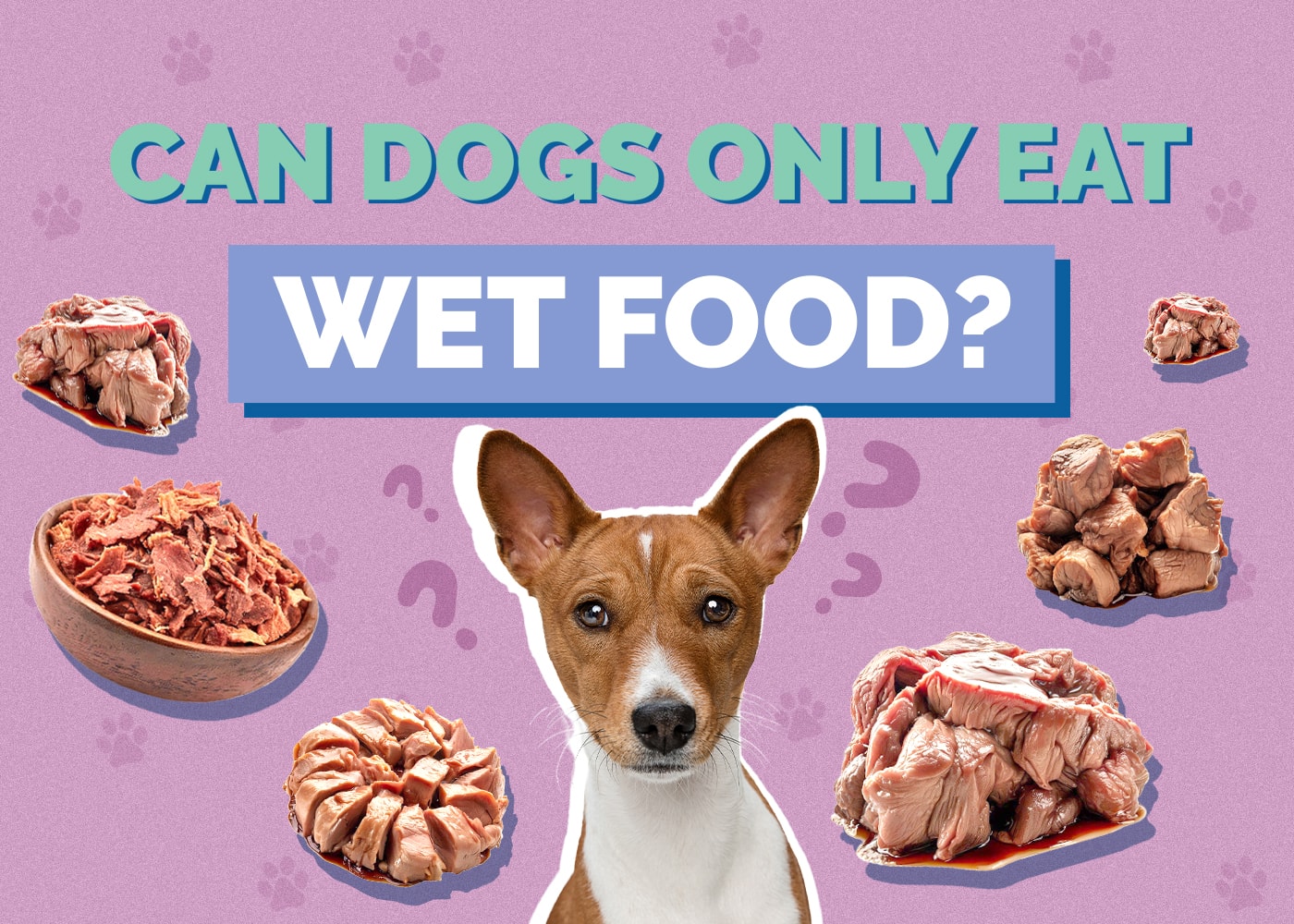
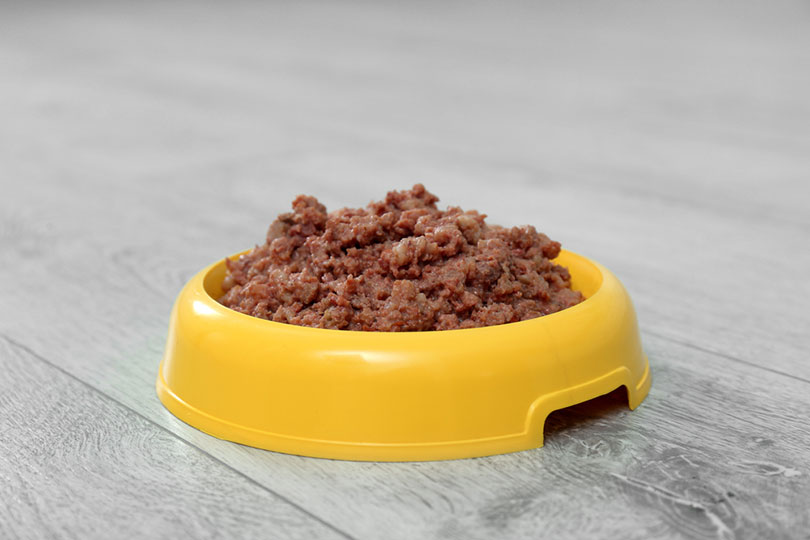
Canned dog food is processed food that is made from various ingredients including meat, grains, and vegetables. The food is cooked and then sealed in a can to preserve it. It is usually a nutritionally complete food that is meant to be a meal for dogs. Canned dog food typically contains a high moisture content, typically in the range of 75%–85%. This is important, as dogs require a high level of moisture in their diets in order to stay healthy. The moisture content helps keep them hydrated and can help with digestion.
Additionally, canned dog food often contains added vitamins and minerals, as well as other nutrients that are beneficial to dogs.
How Long Does Canned Dog Food Last on the Shelf?
Canning preserves food by killing any microorganisms that may be present in the food and sealing the food in an airtight container. The heat from the canning process kills the microorganisms and prevents them from growing. The heat also causes a vacuum which sucks the air out of the container and prevents bacteria from entering.
The shelf life of canned dog food depends on a variety of factors, including the type of food, the packaging, and the storage conditions. Generally speaking, however, unopened canned dog food can last for up to 2 years in a cool, dry place. Once a can is opened, however, it should be refrigerated and used within a few days.
Should Canned Dog Food Be Refrigerated Once It Has Been Opened?
The answer to this question is yes, canned dog food should be refrigerated once it has been opened. This is because the food has a high moisture content, and when left out at room temperature, the moisture in the food will cause it to spoil more quickly. The high moisture content can increases the rate of bacterial growth and reproduction, which can make your dog sick.
Keeping the food in the fridge will help to keep it at a safe temperature and ensure that the food is fresh. The food will also taste better and last longer if it is kept cold. By refrigerating the food, you can help extend its shelf life and keep your dog healthy and happy. When stored in an air-tight container between 40 and 45 degrees Fahrenheit, canned dog food can last up to 7 days.

After Opening a Can of Dog Food, How Long Will it Stay Fresh?
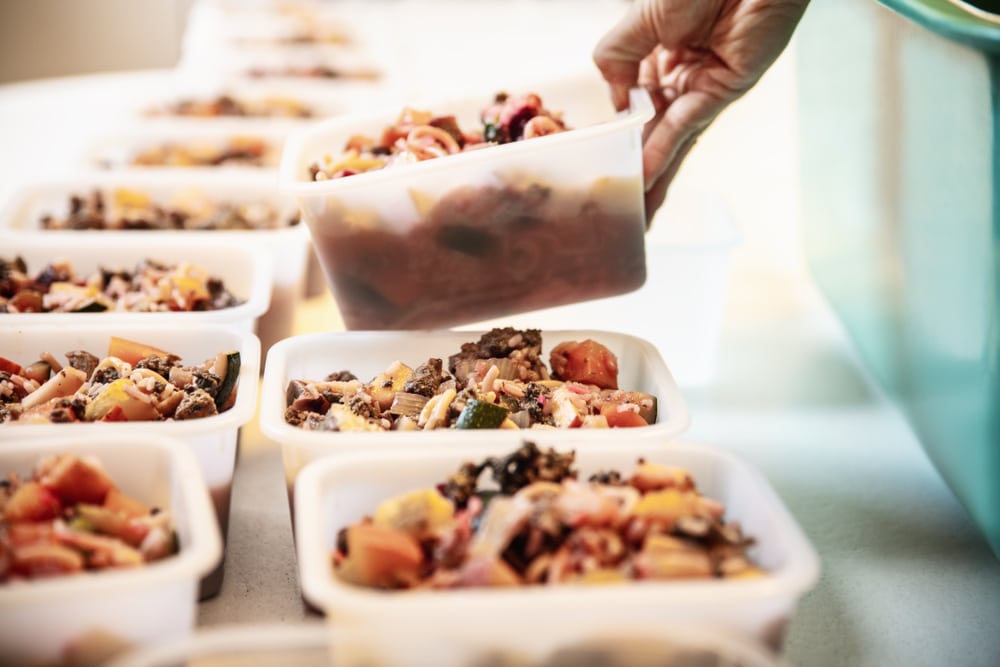
Whenever canned dog food is opened, it must be consumed within 4 hours. When stored properly, it can last up to 7 days, however, it is best to consume it within 3 days. The food must be stored airtight and refrigerated to maintain its quality. A temperature of 40–45 degrees Fahrenheit should be maintained. It is possible to cover the can with a plastic pet food lid to keep it airtight. A plastic container with an air-tight lid can also be used to store the can or its contents. Last but not least, you can store the can inside a Tupperware in your fridge. It is better to use plastic containers or lids since zip-lock bags aren't the best odor and oxygen barriers.
Should Unopened Canned Dog Food Be Refrigerated?
There is no need to refrigerate unopened canned dog food. The food will keep for months or even years at room temperature. The canning process seals in the flavor and nutrients of the food, so it does not require refrigeration. Shelf-stored canned dog food will remain safe to eat as long as the can is not opened, dented, or damaged in any way. Unopened canned dog food will last just as long at room temperature as it would in the fridge.
How to Store Canned Dog Food
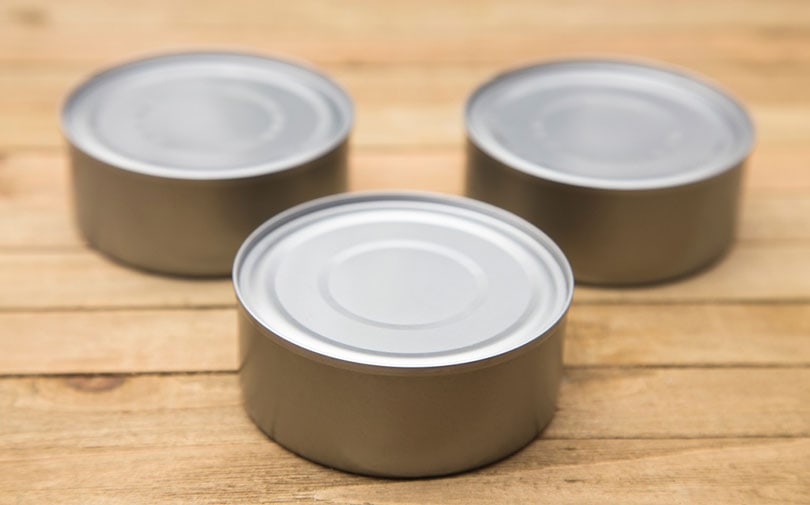
Canned food can be stored in a pantry, cupboard, or garage. The best way to store canned food is in a cool, dark place where the temperature is consistent. Temperature fluctuations can cause the food to spoil.
The Dangers of Leaving Opened Canned Dog Food at Room Temperature
At room temperature, canned food can quickly become contaminated with bacteria or mold, which can cause digestive problems or other health issues in dogs. Leaving opened canned dog food at room temperature for an extended period of time can cause illness in dogs if ingested, leading to vomiting, diarrhea, gastroenteritis, and even death.
The risks posed to dogs by leaving opened canned dog food at room temperature include the pollution and proliferation of dangerous bacteria, such as Salmonella and E. coli, that can cause severe illness. These bacteria can grow rapidly in warm environments and can easily contaminate other food or surfaces in the home.
How Long Can Open Canned Dog Food Sit Out at Room Temperature?
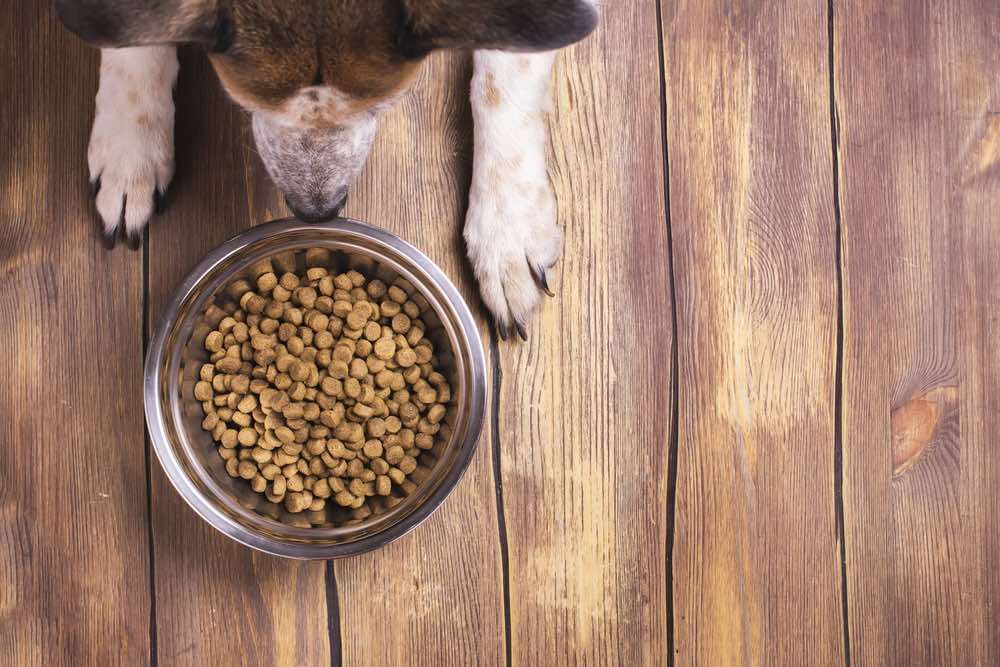
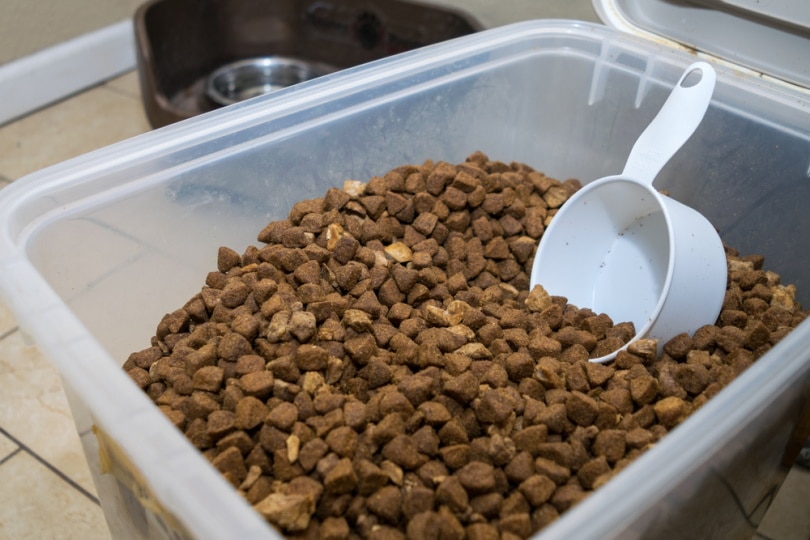
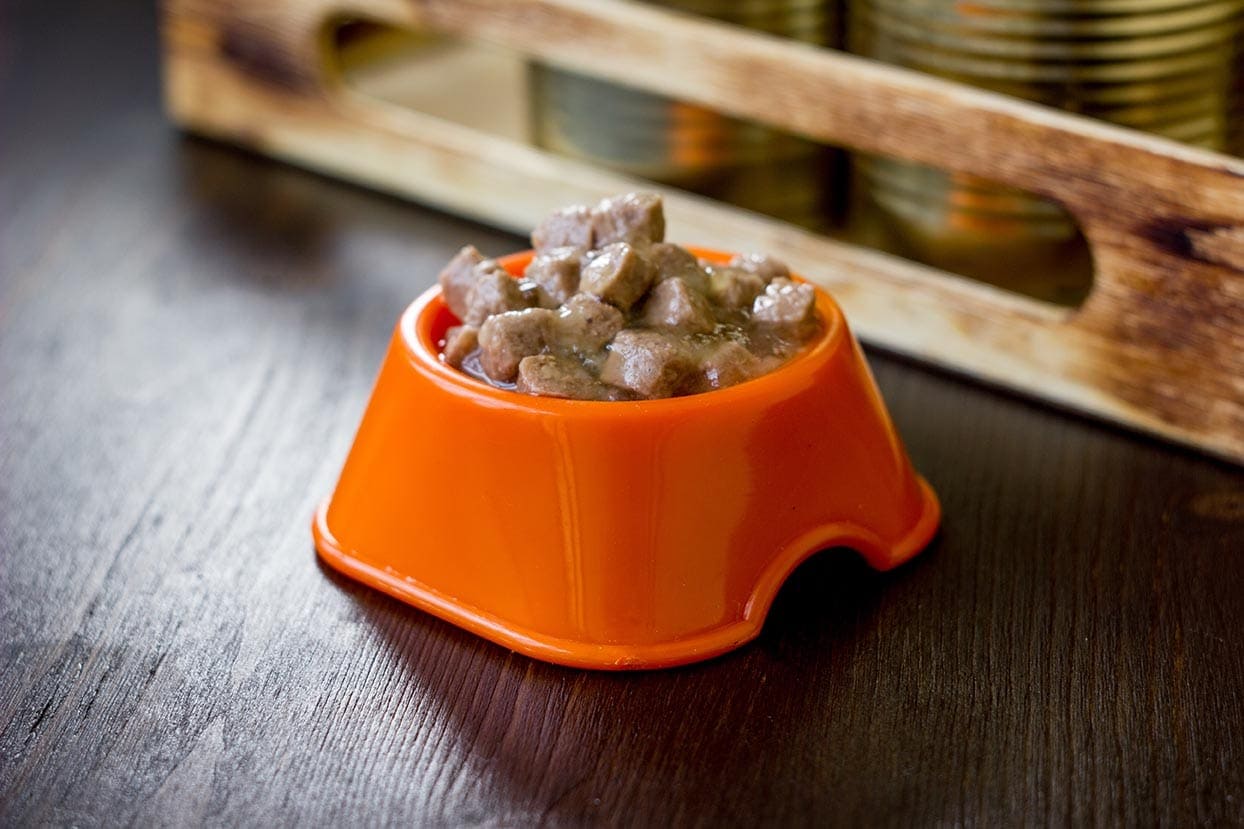
Dry kibble can usually be left in your dog's bowl for most of the day without worrying. Since it does not contain moisture, mold and mildew are much less likely to grow on it. The problem with canned dog food is that it is wet and it can't be left out all day like dry kibble. As a result, it can only be left open for a short period of time before it goes bad. It is important to store opened canned dog food in the refrigerator or freezer and to discard any food that has been left at room temperature for more than 2 hours.
Conclusion
In conclusion, canned dog food is a convenient and affordable way to feed your dog. There are many different brands of canned dog food available, so you can find one that your dog will love. It is best to refrigerate canned dog food after it is opened. This will keep the food fresh and help to prevent spoilage. By following these simple steps, you can ensure that your pet is getting the best possible nutrition without risk to their health.
Featured Image Credit: Jiri Hera, Shutterstock
Get Hepper In Your Inbox


Pet care tips from our vets and experts, straight to your inbox.
You may opt-out at any time. View our Privacy Policy for more information.
Nicole is a lover of animals of all sizes but is especially fascinated with the feline variety. She’s the proud mom of Baby, a Burmese, and works every day so he can relax in the sunshine or by the fire. She’s always had a cat in her home and has spent countless days with others, observing behaviors and softening up even the grouchiest of the lot. Nicole wants to share her kitty expertise with you so you and your cat can live happy, healthy, and care-free.
Join the conversation
Ask a question, share your story, or send private feedback.