Hepper is reader-supported. When you buy via links on our site, we may earn an affiliate commission at no cost to you. Learn more.
Fawn (Isabella) Dachshund: Pictures, Facts, & History

In this article
Breed Overview
Height:
Weight:
Lifespan:
Colors:
Suitable for:
Temperament:
Dachshunds, often affectionately called “sausage dogs”, are not only the ninth most popular dog breed in the U.S. but also have a long and compelling history full of daring and intrigue.
Don’t be fooled by their size and those big, earnest eyes—Dachshunds were bred for a very dangerous purpose that could surprise some who only know them as the happy-go-lucky, affectionate family dogs they are today.
If you’ve recently been chosen by a fawn Dachshund (or a Dachshund in any color, in fact), join us as we venture forth into the breed’s history and dig out some fascinating fast facts about this endearing and rather surprising little canine.
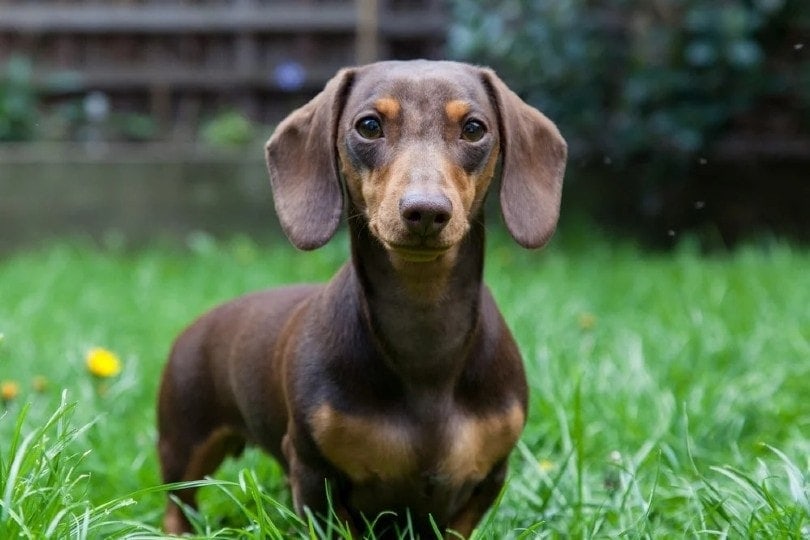
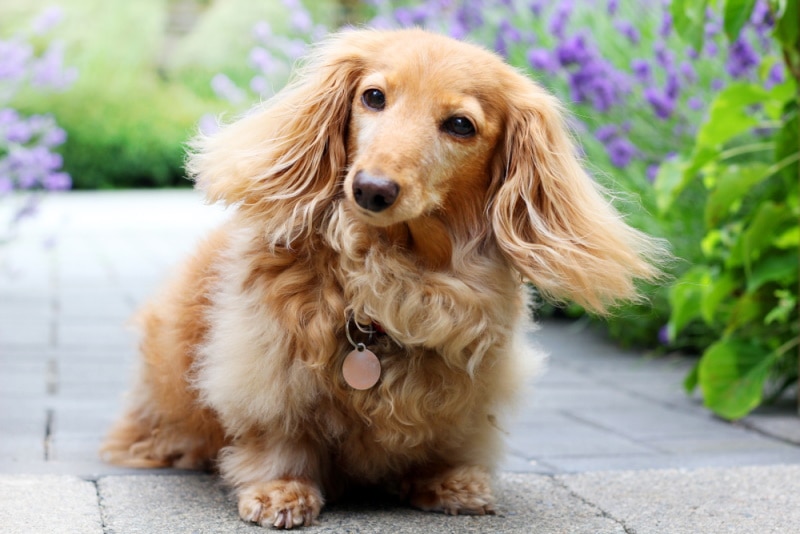
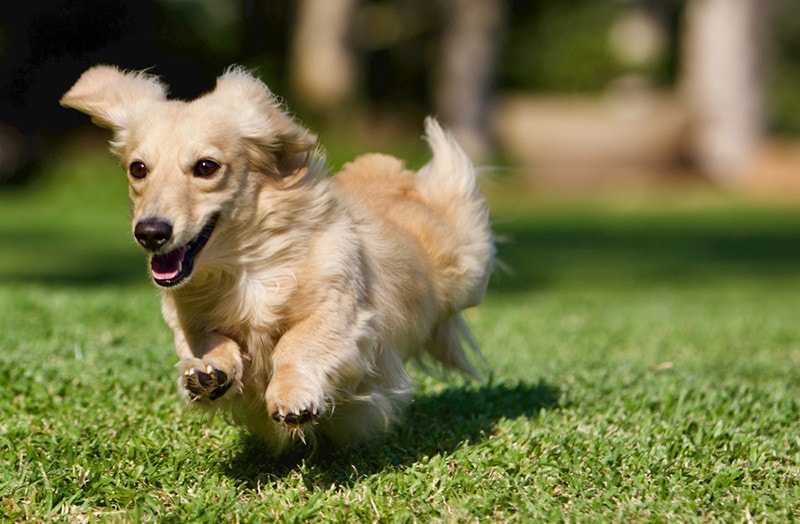
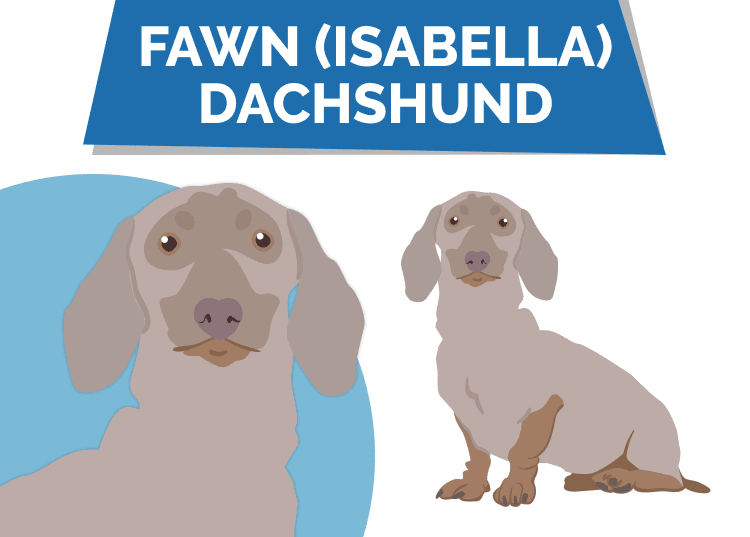
Fawn (also known as “Isabella”) is a non-standard AKC color, though the fawn and cream and fawn and tan color combinations are both AKC-standard. Fawn Dachshunds’ coats are a sort of tan or yellow/brown color that ranges from a light tan shade to a brownish-red shade.
Fawn and cream Dachshunds have a cream color on the chin, chest, legs, feet, muzzle, and above the eyes. Fawn and tan Dachshunds have the same sort of pattern, but tan replaces the cream color. Tan is somewhat brighter and darker-looking than cream.
Dachshund Breed Characteristics

The Earliest Records of Fawn (Isabella) Dachshunds in History
The Dachshund breed is around 600 years old and originated in Germany, where it was developed as a badger-hunting dog. The Dachshund’s body type made it the perfect fit for badger burrows, the long claws made for an outstanding digger, and its courage and hardiness rounded off this excellent little hunter.
You couldn’t take chances with badgers, though—they can be pretty fierce when cornered, so only a highly intelligent and feisty breed could make the cut, and Dachshunds seemed to be simply made for the job. The Dachshund also possesses quite a set of lungs, and their loud barks were useful in helping their humans determine their whereabouts underground.
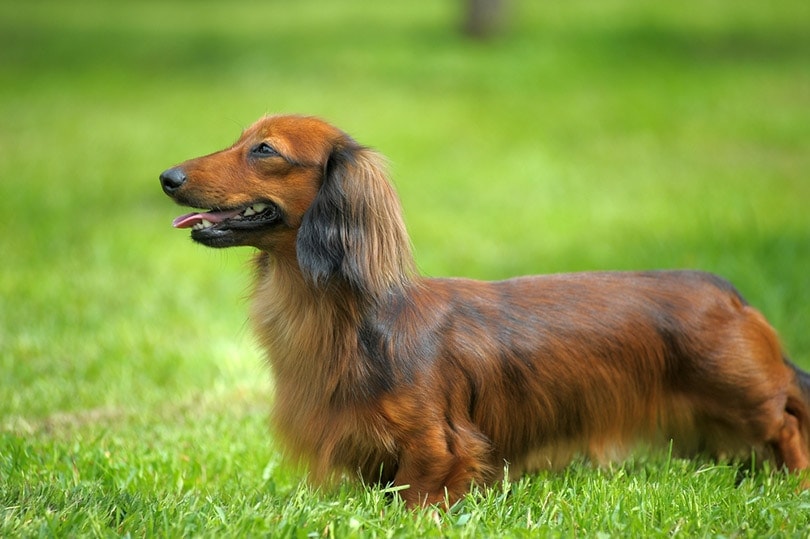
In the 1800s, the breed was developed to create Dachshunds in miniature for the purpose of rabbitting. Further development also resulted in the longhaired and wirehaired Dachshund.
How Fawn Dachshunds Gained Popularity
Dachshunds first set paws on American and British soil in the 19th century. It is thought that sausage-making German immigrants in the U.S. helped bring Dachshunds to public attention by referring to the sausages they sold as “Dachshund sausages”. The breed quickly became popular family pets thanks to their compact size and friendly, intelligent, and merry personalities.
Unfortunately, their popularity dropped during the First World War due to their status as a national symbol of Germany. This was exacerbated by the depiction of Dachshunds in anti-German artwork, posters, cartoons, advertisements, and postcards.
When the war ended, the breeding of Dachshunds in the U.S. was jump started again and, today, the breed sits at number nine on the American Kennel Club’s breed popularity ranking. This is pretty impressive given that there is a total of 284 dogs in the ranking. They have long been popular with celebrities, including Picasso, Elizabeth Taylor, Marlon Brando, and Andy Warhol.
Formal Recognition of Fawn (Isabella) Dachshunds
Fawn by itself is not an AKC-standard color. The AKC accepts fawn and tan and fawn and cream, however. Dachshunds were first recognized as a breed by the AKC in 1885 and by the United Kennel Club in 1919.
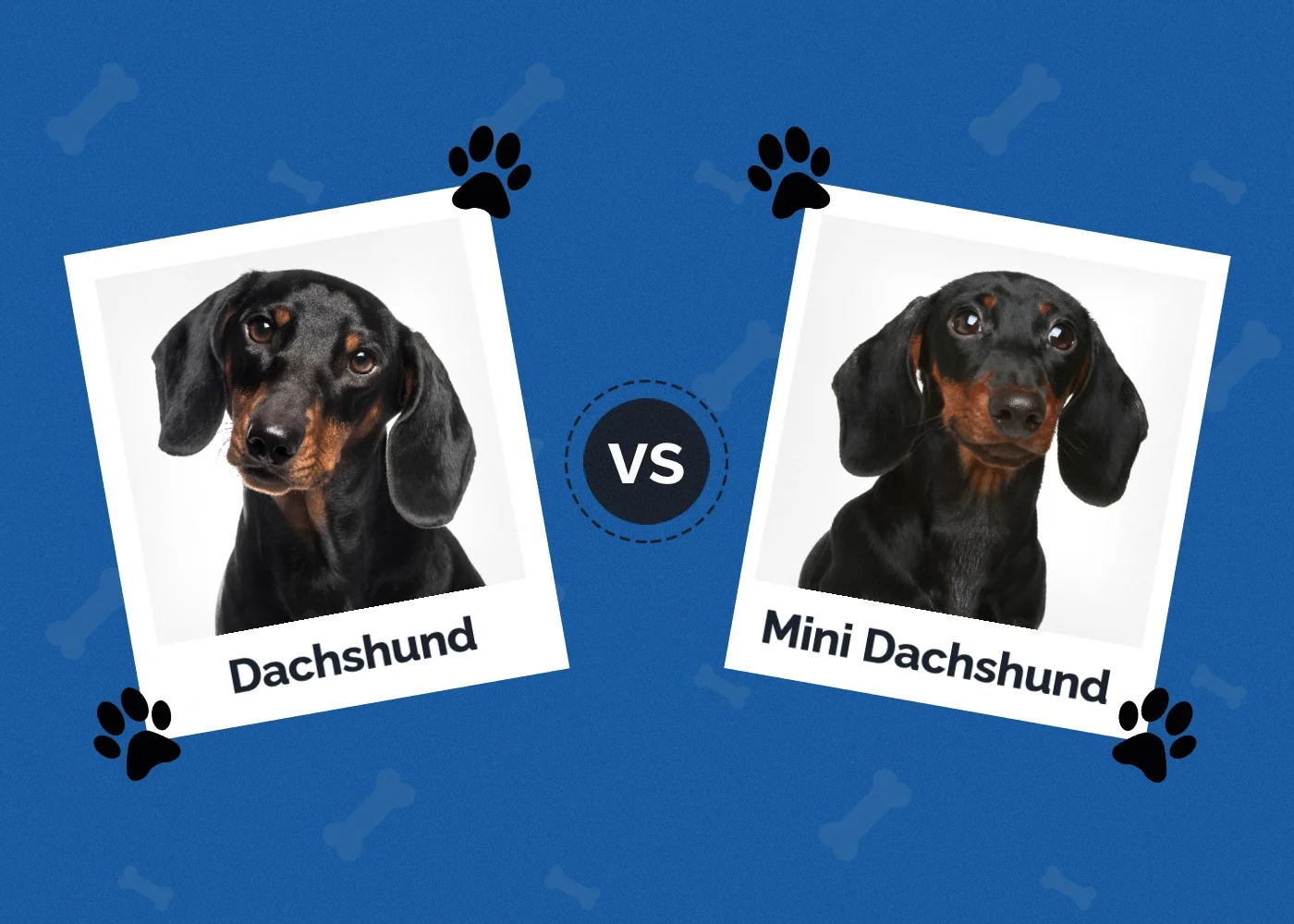
Unlike the AKC, the Federation Cynologique Internationale recognizes a third variety of Dachshund—the “Rabbit Dachshund” or “Teckel”, which is smaller than a Standard Dachshund but bigger than a Miniature.
According to the AKC’s Dachshund breed standard 1, the Dachshund has an “alert facial expression”, a head that “tapers uniformly to the tip of the nose”, medium-sized, very dark, almond-shaped eyes, powerful, close-together teeth, and prominent bridge bones. The body is described as “low to ground, long in body and short of leg, with robust muscular development”.
Top 3 Unique Facts About Fawn (Isabella) Dachshunds
1. The AKC Tried to Change the Breed’s Name During WW1.
There was a push to have the breed renamed in the U.S. during the First World War as “Liberty Hound” or “Badger Dog”. This is because they were so strongly associated with Germany that, in a time of such extreme anti-German sentiment, the AKC was concerned for pet Dachshunds’ safety.
2. The Dachshund Was an Olympic Mascot.
And not just any Olympic mascot—the first in history. Waldi the multicolored Dachshund was the 1972 Munich Olympic Games mascot. Not bad for a dog that was once steeped in such controversy.
3. A Dachshund Was the First British Dog to Be Cloned.
After winning a contest, a British woman’s dog named Winnie became the first cloned British dog. The procedure took place in South Korea and was successful. The result was a healthy puppy named ‘Mini Winnie”, who later went on to have puppies of her own.
Does a Fawn (Isabella) Dachshund Make a Good Pet?
Yes, Dachshunds are wonderful companion dogs that get along well with other pets in the household and children as long as they’ve been properly socialized with them and children are gentle with them. A correctly socialized Dachshund is typically friendly, loveable, and enthusiastic about a number of activities, though personalities vary from dog to dog.
Standard Dachshunds need around an hour of physical exercise per day, and Miniature Dachshunds need around 30 minutes. They’re very intelligent and curious, so will also need a source of mental stimulation every day, like a puzzle feeder or another interactive toy. Your keen-nosed Dachshund is also likely to enjoy activities like scent work.
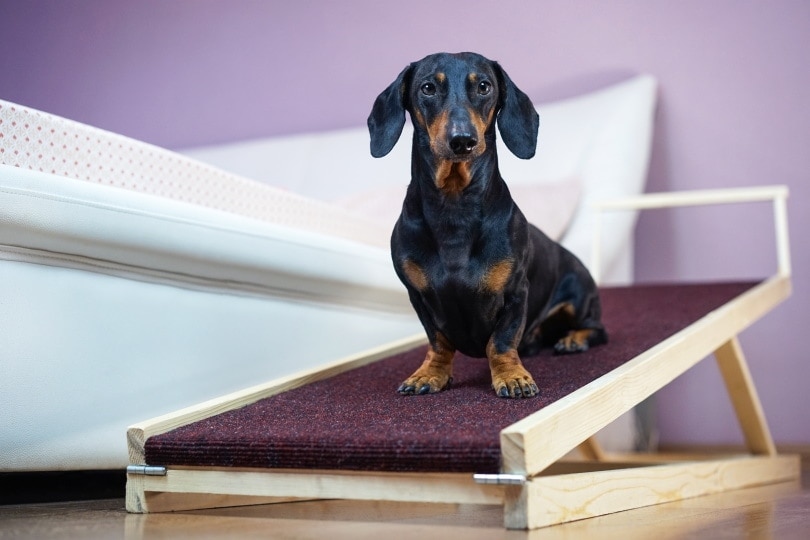
One thing to bear in mind is that, due to their special body type, Dachshunds can hurt their backs and legs if they overexert themselves, especially when their joints and bones are still developing, but also as fully grown adults. Jumping, for example, is not really a Dachshund-safe activity because it can put a strain on their backs.

Conclusion
There’s so much to love and learn about Dachshunds. These dogs were fearless badger hunters in medieval Germany before burrowing their way into dog lovers’ hearts overseas. If you’re considering welcoming a Dachshund into your home, we would encourage you to check out Dachshund rescue organizations to see if someone little and lovely out there would be a good fit for you.
Also see: Best Dog Shampoos - Reviews & Top Picks
Sources
https://blog.maryevans.com/2014/03/sausage-dogs-persecuted-the-fall-of-dachshund-during-ww1.html
https://wagwalking.com/daily/four-awesome-facts-cool-dachshund
https://www.bil-jac.com/the-dog-blog/posts/breed-history-where-did-dachshunds-come-from/
https://companionpetmagazine.com/issues/summer-2021/featured-pet
https://www.akc.org/expert-advice/lifestyle/things-you-didnt-know-about-the-dachshund/
https://www.akc.org/expert-advice/dog-breeds/dachshund-history-badger-dog-breed/
Featured Image: You are free to use this image but we do require you to link back to Hepper.com for credit.
Get Hepper In Your Inbox


Pet care tips from our vets and experts, straight to your inbox.
You may opt-out at any time. View our Privacy Policy for more information.
Kit Copson is a freelance writer and lifelong animal lover with a strong interest in animal care. She has parented various furry beings over the years and is currently a proud cat mom of two—one skittish but adorable Domestic Shorthair and very chilled (unless hungry) Siamese and a —and dog mom of one—an adopted Bichon Poodle cross. When not writing about or spending time with pets, Kit can be found doodling in her sketchpad, reading, or more often than not, drinking tea.
Join the conversation
Ask a question, share your story, or send private feedback.