Hepper is reader-supported. When you buy via links on our site, we may earn an affiliate commission at no cost to you. Learn more.
10 Common First-Time Cat Owner Mistakes & How to Avoid Them

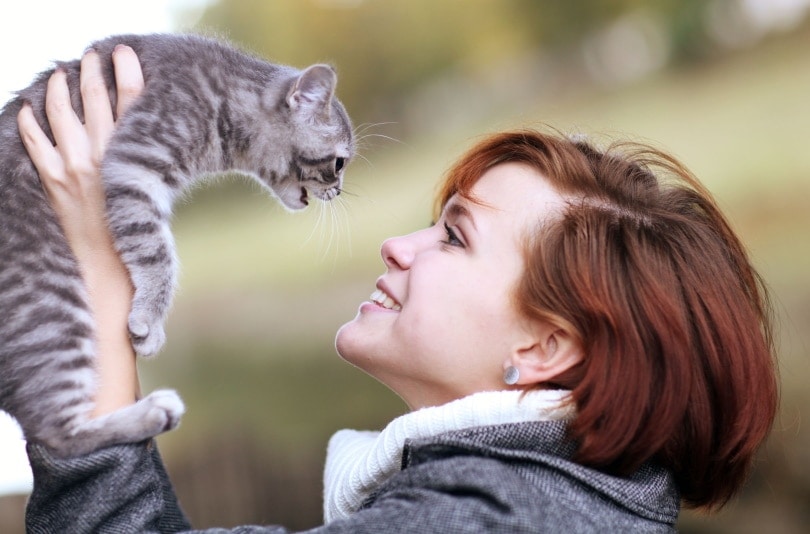
Almost all cat owners set out with good intentions when they get their first cat, but sometimes what we do misses the mark. It can be very easy to make a mistake when dealing with your first cat, whether it is your first pet or your first time owning a feline. Some errors are seemingly minor and easily corrected, but others are more concerning and could impact your pet’s quality of life. We will examine ten common first-time cat owner mistakes and how you can rectify them.

The 10 Common First-Time Cat Owner Mistakes
1. Hands and Feet as Playthings
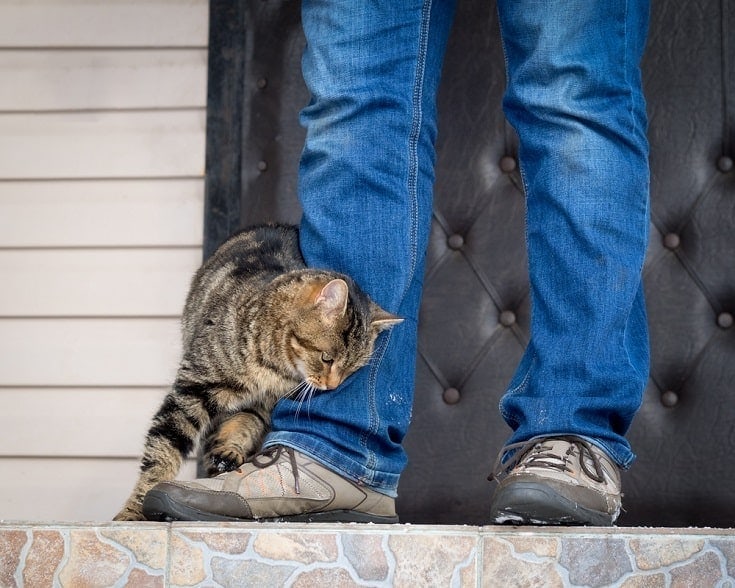
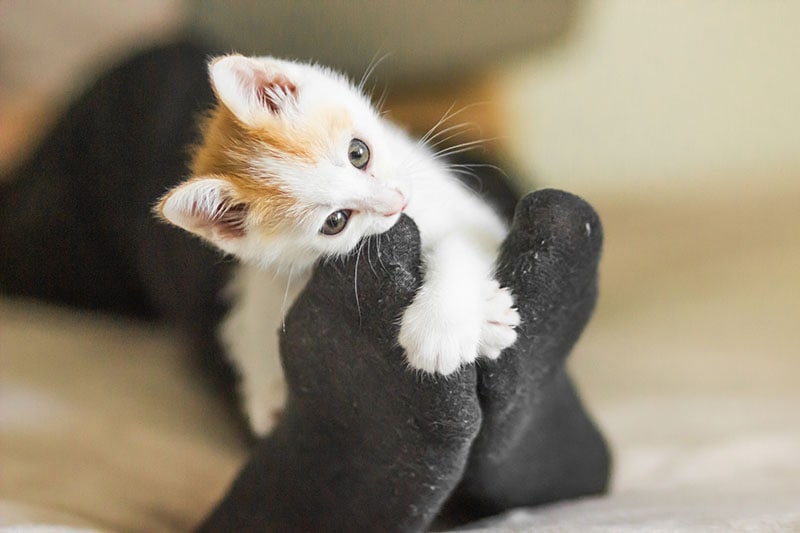
One of the most common mistakes first-time cat owners make is using their hands and feet as playthings to entice their cats to pounce. We can all agree that a tiny kitten wiggling its behind and stalking up to you before pouncing furiously on your foot is adorable and funny, but that is not the case when the cat's a fully-grown hunting machine with sharp claws and teeth.
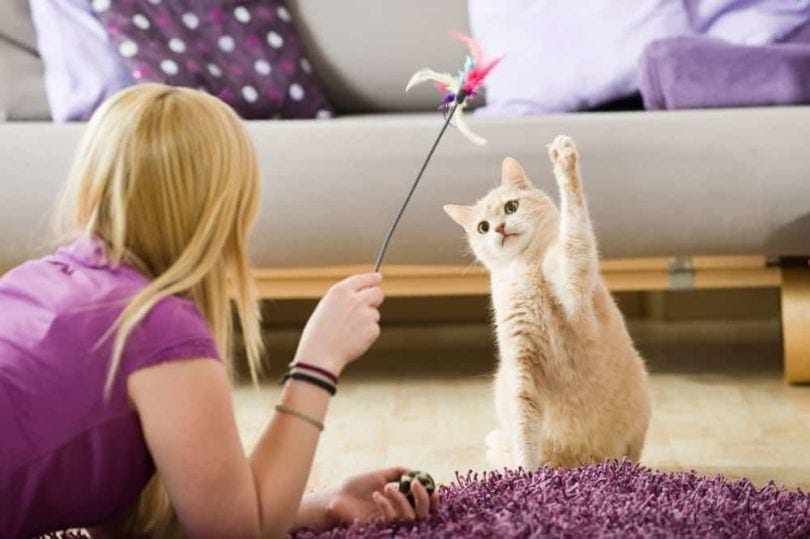
The hunting and pouncing behavior is instinctual, but many owners do not realize that they are teaching their cats that it is okay to pounce and bite at them to satiate their hunting urges. It's always much better to redirect the behavior towards a toy (such as kickers or wands) to protect your feet and hands.
2. Not Enough Resources
Cat owners may not understand how many resources cats need in the home to feel comfortable. Cats need one resource per cat, plus one. What do we mean by that? A resource is something your cat will use or need, such as a litter box, food bowl, water bowl, scratcher, etc. The rule is that one cat requires two of these things (spread out around the home) to keep them happy; two cats would need three in total, etc. Cats need multiple options and should be able to pick which they want to use, which means lots of work for owners! Many behavioral "problems" and even medical issues can be avoided with the proper distribution of resources.
3. The Wrong Scratcher
Cats’ scratching is an innate, natural behavior that must be performed within their home. So, like most owners, you dutifully buy a scratching post to find that they won't even look at it and would prefer to scratch your carpet! This could be because your cat likes horizontal scratchers, such as those made of cardboard. Each cat has preferences, which include how they like to scratch. Older cats with sore joints may also need to scratch horizontally due to necessity, so try out a couple of different scratching items and see which your cat likes. Adding a new scratcher is a small change that can improve the cat-owner bond significantly.
Here at Hepper, we love cardboard as a cat scratcher material. We love it so much that we have designed our very own beautiful, modern-looking, and excitingly functional Hi-Lo Cat Scratcher. Purposefully crafted for feline satisfaction from solid birch plywood with a non-toxic gloss coating, it ensures exceptional sturdiness, making it a long-lasting addition to your home.

- Premium Materials - Hepper's cardboard scratcher is made with dense, B-flute cardboard, and a metal core. Encased in a 1/2" plywood frame with gloss coating. Stable and beautiful, use after use
- High, Low and Lower - A single cat scratch pad won't keep your cat engaged. 3 unique positions keeps them coming back, and back, and back again. Finally, something to get them away from the couch!
- Activates Muscles - The Hi Lo isn't just a cat nail file to stop the chief cat couch scratcher. The deep cat scratcher wave encourages maximum musculoskeletal activation for a healthier workout
With three positions, dense B-flute cardboard, and replacement options for even the wildest of scratchers, this scratcher offers style, engagement, and durability in one standout piece. Click here to learn more about our Hepper Hi-Lo Scratcher.
4. Misunderstanding Feline Stress
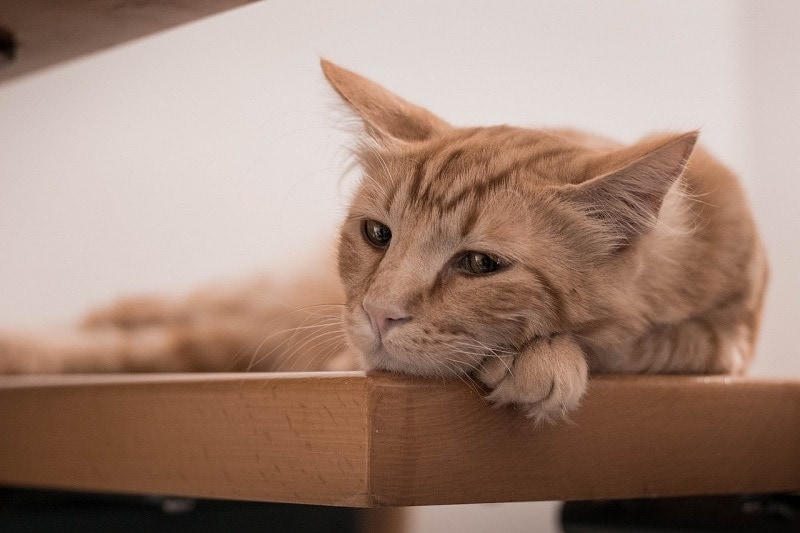
Cats experience acute stress, and the smallest changes can trigger stress responses with significant consequences. They are creatures of habit and routine, they like their territory and are protective of it, and they are always looking for prey or predators within their space. All this amounts to a stress response that is subtle but constant; many cats are perfectly relaxed in their homes, but some are more nervous than others and react to seemingly minor things in a big way.
Everyday stressors in the home for cats include:
Because stress affects cats so acutely, medical issues such as cystitis (bladder inflammation), overgrooming, and behavioral changes can arise. By reducing stress and using stress control techniques, you can help your cat feel much happier and help reduce fear and anxiety in the home.

5. Dehydration
Many owners worry that their cats don't drink much, and some cats don't. There are many preferences cats have when it comes to water, particularly the "water source" they drink from. If a cat is on a wet food diet, they will get some water from their food. However, cats eating dry food need to drink more water to compensate, which can worry an owner when they seemingly refuse. Cats usually like water in a wide, shallow bowl (so their whiskers don't touch the sides) or from a flowing "fountain.”
The reasons for these preferences seem to stem from instinct and finding safe, clean water in the wild; some cats even love to drink from dripping faucets! Finding out what your cat likes and providing fresh water daily can greatly improve the amount of water they drink, staving off problems such as bladder stones.
6. Training and Punishment
Understanding how cats see the world can be challenging for first-time owners, as cats have a unique outlook. Cats that perform problem behaviors such as scratching, inappropriate toileting, yowling, etc., have reasons for doing it and will not understand they are doing something wrong. A solution is usually a small change away, such as giving your cat a scratching post to express natural behavior, using positive training methods, and not shouting at your cat. Cats are intelligent and can be trained, so refraining from shouting and using other positive methods can help your cat behave.
7. Declawing
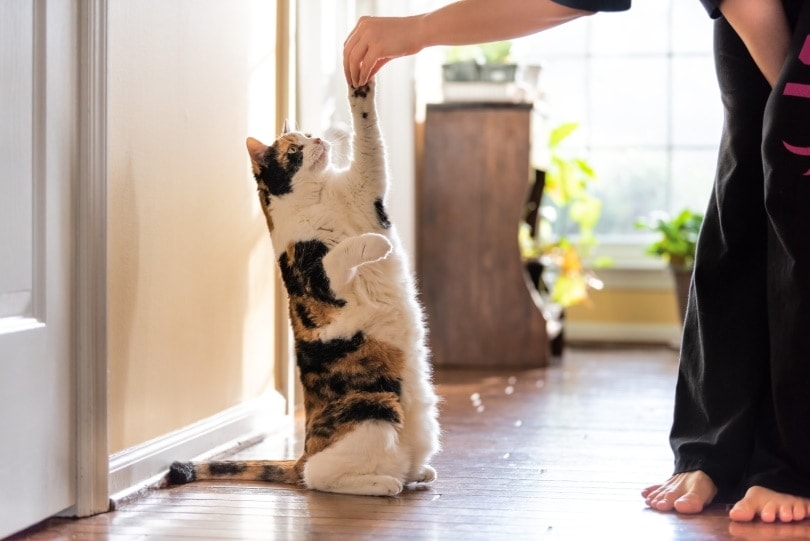
Declawing is a brutal and inhumane procedure that severs a cat’s claws and the last phalanx bone in the paws. It is the same as humans chopping off the tip of their fingers and toes up to the first knuckle; it's unnecessary unless a veterinarian has advised it for medical reasons. Declawing is painful and causes lifelong stress and long-lasting pain.
Declawing is often performed because cats scratch where they shouldn't, but providing your cat with enough surfaces to scratch on will prevent them from scratching furniture or other items. Understanding cats' instinctual need to scratch and why they do it (to sharpen claws and communicate) can help owners decide not to declaw their cats.
8. Underestimating Commitment
Many cat owners may think owning a cat is easy and does not require much beyond feeding and veterinary checkups. That is not the case, and cats are now routinely living for 15 years or more; owning a cat is a long-term commitment. In addition, cats can be costly to keep due to food and medical prices. They need entertainment, health care, food, affection, attention, and grooming.
Knowing your responsibilities as an owner to ensure they're safe and happy is important to understanding and committing to your cat. Once you commit, however, your cat will love you back with all they have and bring joy into your life!
9. No Parasite Control
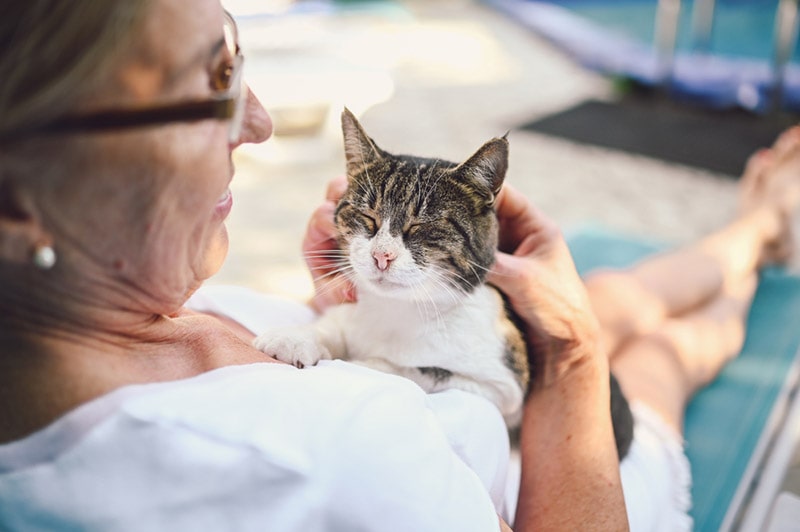
This next mistake is becoming less common (thankfully) now with advancements in veterinary care, but many owners thought their cats didn't need parasite treatment if they were indoors only. The two most common parasites (fleas and worms) can be brought into your home on your clothes, shoes, bag, etc.
Any human or pet who goes outside and touches another animal or the ground can potentially bring in unwanted guests. A female flea can lay eggs in your home, and a full-blown infestation can occur. Worm larvae are transmitted through the fleas to the cat when swallowed, meaning your cat gets fleas and worms because they're not protected. Indoor cats will likely need to be treated for parasites less often than outdoor cats do, so make sure you speak to your vet about the best treatment and schedule for your cats and keep them (and your home) parasite-free.
10. Not Building a Bond
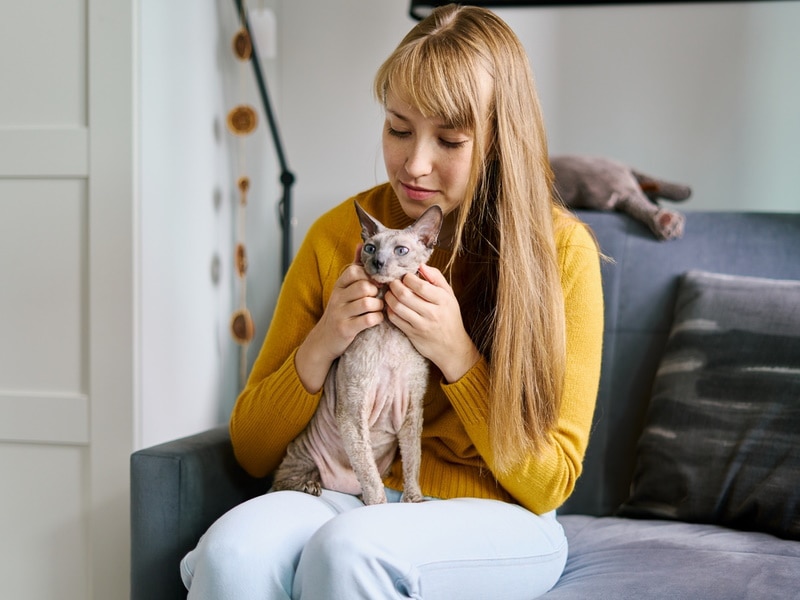
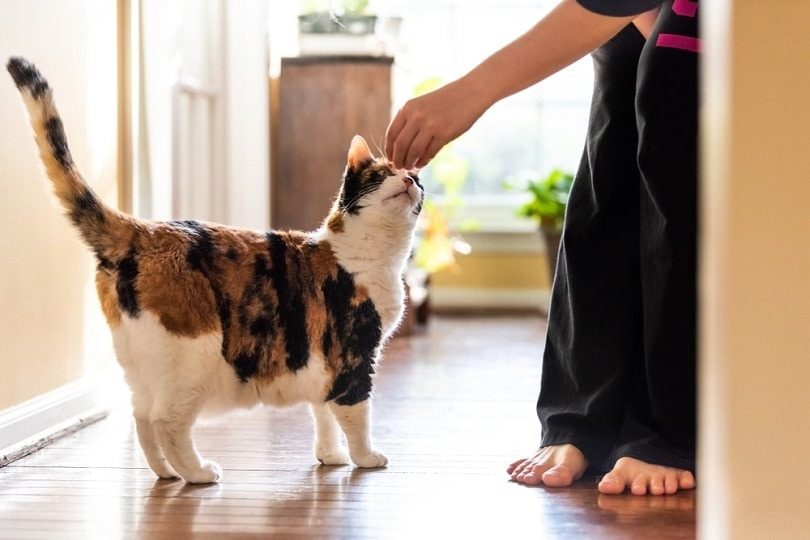
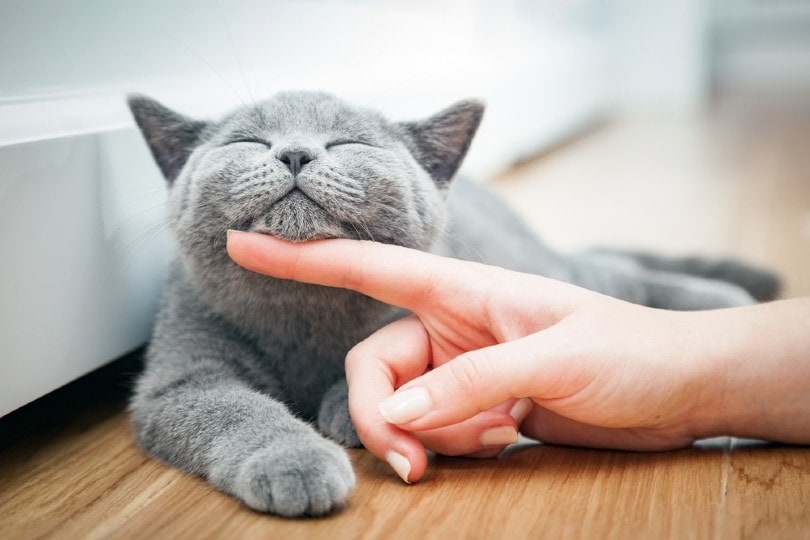
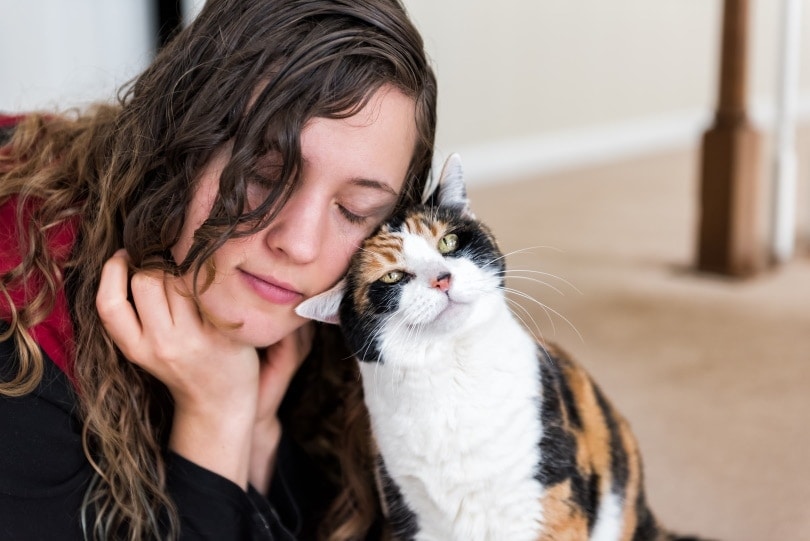
Lastly, a sad assumption some people used to make about cats is that they're not bothered by their owners; they're only there for the food and don't love us. This is the opposite of the truth, and cats need to bond with their owners so they can feel love, joy, companionship, and a whole range of emotions that help them enjoy life.
Some cats are perfectly happy being fed and then left alone, but the vast majority will need affection and to build a bond with their owners for their mental well-being. Stress from loneliness, boredom, or fear can manifest in serious physical problems such as blocked bladders, so bonding with your cat and being able to comfort them is very important. They're also very sensitive to their owner’s emotions, so don't be surprised if your cat comes to comfort you, too.
How Long Does It Take for a Cat to Get Used to Its New Owner?
If you have adopted a cat from a shelter, you might worry about how they will adjust. Typically, most healthy cats will quickly adjust to their new lives, only taking around a week or two to fully settle into their new homes. Some factors can affect this, such as previous experience with owners, previous homes, poor health, etc. Talk to your veterinarian if you notice any behaviors that worry you, such as hiding away or aggression after a week of owning your new cat. Some cats that are ill or in pain are very good at hiding it.
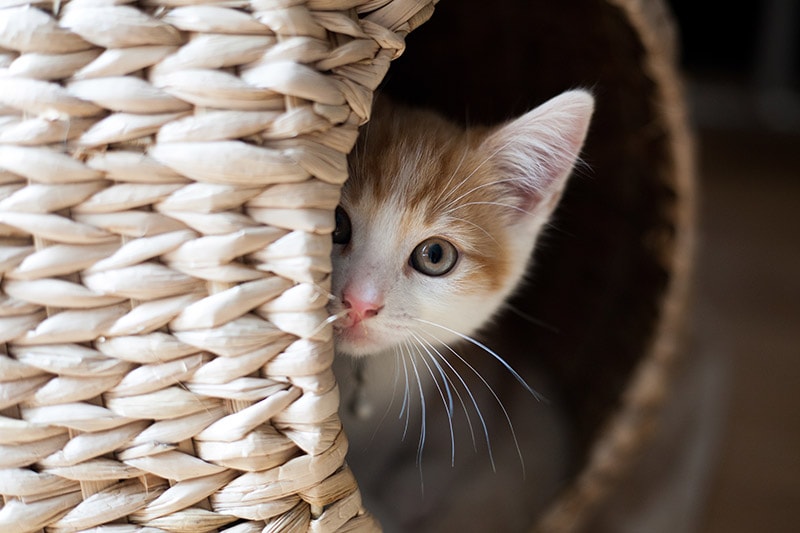
Kittens are another thing entirely; most well-socialized kittens will be confident and bold within their new home, exploring and having fun within a week. However, some kittens will be more reserved. There are things you can do to help your new cat become accustomed to you, such as using cat-appeasing pheromones (like Feliway) in the home to help them feel comfortable, providing hiding places such as igloos or cardboard boxes, and keeping noise to a minimum.
It is important to note that cats going outdoors should be kept inside for at least a month before being them out of their new home so they can adjust, scent mark, and know the smell of their home. This can reduce the likelihood of them getting lost!
Conclusion
Cats are fascinating pets that form deep bonds with their owners. Looking out for the common mistakes you can make and rectifying them can make first-time cat ownership much more enjoyable for you and your cat. Providing resources, toys, hiding places, and scratchers can remedy many of the perceived "bad behaviors" of cats, and creating a calm and happy home can set the scene for bond building between you that can last a lifetime.
Related Reads:
Sources
Why you shouldn't declaw a cat | The Humane Society of the United States
Attachment bonds between domestic cats and humans: Current Biology
Keeping Kitty Safe: The Need for Indoor Cat Parasite Prevention Berkeley Veterinary Center
https://www.humanesociety.org/resources/teach-your-kitten-how-play-nice
https://www.cats.org.uk/cats-blog/8-tips-get-your-cat-to-drink-more-water
Featured Image Credit: Kichigin, Shutterstock
Get Hepper In Your Inbox


Pet care tips from our vets and experts, straight to your inbox.
You may opt-out at any time. View our Privacy Policy for more information.
Beth is a mom to two babies: one with four legs, and one with two. Beth has years of practical experience as a veterinary care assistant, working in both the operating room and in consult, expanding her knowledge to gain certification in her favorite subject: feline behavior and well-being! When she's not writing about her favorite topics (cats, dogs, and creature comforts), she's looking after her two-year-old daughter and her energetic eight-year-old Nebelung, Kiba. When she gets a moment's respite, Beth loves to read fiction books. Horror is her number one genre, with fantasy and rich history being her second option.
Join the conversation
Ask a question, share your story, or send private feedback.