Hepper is reader-supported. When you buy via links on our site, we may earn an affiliate commission at no cost to you. Learn more.
How to Get a Cat to Trust You: 10 Vet-Reviewed Steps



In this article
Do you ever wish that your new cat was more friendly and trusting of you? Probably so because cats are independent creatures who barely ever depend on their owner's friendship. They also take longer to trust strangers and respond less enthusiastically to bribery offered as treats.
But no matter what cat breed or personality traits the cat may have, you must create mutual trust between you and your furry friend to enjoy a healthy and happy relationship.
This article will outline simple steps to build trust with your cat and signs that your cat trusts you. Read on to learn more.

The 10 Steps to Get Your Cat to Trust You
1. Provide a Safe Space for Your Cat
All cats require a safe place they can call their own and retreat to whenever they feel uncomfortable or need some time alone. Usually, even the well-adjusted ones tend to hide as a coping mechanism whenever they feel stressed or threatened. Providing a safe space is a crucial pillar of building trust.
However, cats are very good at hiding when they are sick. If your cat hides more than usual, has a loss of appetite, is lethargic, or is sleeping more than usual, consult your vet promptly.

2. Respect Your Cat's Space
When a cat is new to a home, they often need some time to settle in. However, some cats take longer to get acclimated to their new surroundings. Therefore, it’s best to let them choose their own possible hangout spots in the house and not rush them during the acclimation period.
If your cat is particularly timid, this rule should continue even after they cat gets comfortable in their new environment.
3. Observe and Respect Their Body Language
Observing your cat's body language can provide a good indication of their mood and approachability. So, you should pay close attention to what the cat's body is telling you and respect it.
For instance, the cat's body could be oriented towards you or crouched away from you. The body could also be relaxed, or the cat could flick away their tail as a sign of annoyance. Also, pay close attention to the wideness of the eyes, ear positions, and overall body position to get a sense of their temperament and adjust accordingly.
4. Allow Your Cat to Come to You
Just like in humans, never force friendship on a cat. Instead, let them decide how comfortable they are with you and when to interact with you, even though there are some things you can do to encourage interactions.
Cats are masters of observation. Even though you may not be interacting with your cat directly, they will be learning a lot about your mannerisms by simply watching you. So, it's best to let them watch and learn your smells, movements and sounds to determine if you are trustworthy.
5. Know Your Cat’s Physical Contact Limits
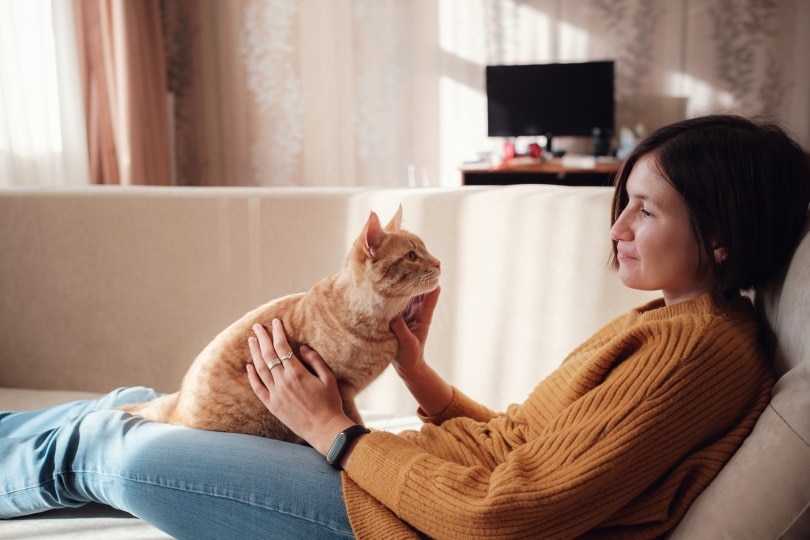
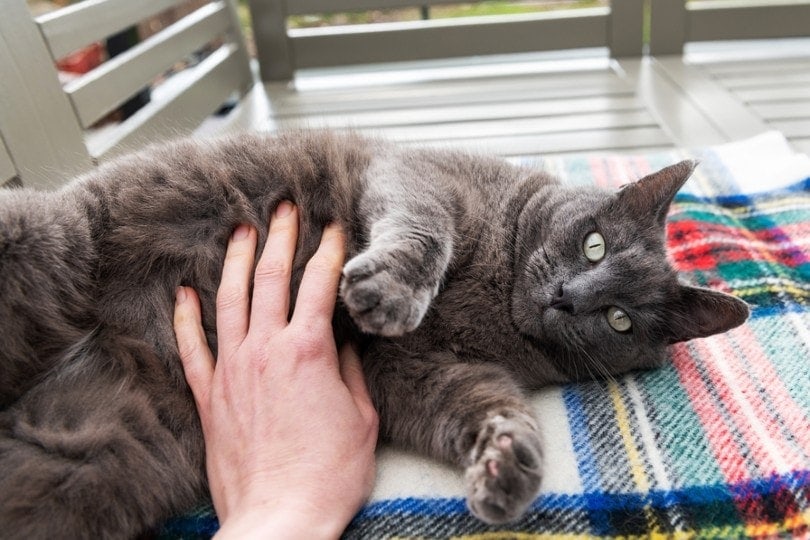
A gradual approach is best when learning where and how your cat prefers being touched. Feline experts recommend that you never attempt to tease or poke when trying to touch a cat. Instead, use predictable movements. If your cat displays petting aggression, you should pay close attention to their body language during a petting session. Signs that your cat is about to reach their limit include flattened ears, tail twitching, rippling skin, and low growling.
6. Allow Your Cat to Make Choices and Respect Them
Cats enjoy having the freedom to choose what, when, how, where, and who to interact with. Whether it is an opportunity to play or a place to perch or nap, allowing your cat to decide what tickles their fancy will help them build confidence.
Not only that, but it will also help them learn that you will never force them to do anything they don’t want to do. When cats lose control over their immediate environment, they tend to get stressed.
7. Be Predictable in Your Behavior
This simply means you shouldn’t speak or move in ways that may startle or surprise your cat. Don’t suddenly stomp on the floor or suddenly lunge at them. Also, keep a calm steady voice around the house, not just when interacting with your cat.
Unfortunately, this can be quite difficult if you have other pets or children in the house. But if your cat is overly shy, being predictable is vital. While some cats are easygoing and are never bothered by what’s happening around them, others are more sensitive and squeamish and are easily startled by sudden movements or sounds.
8. Establish a Reliable Routine
Cats love routines, and if you provide them with an activity that they enjoy consistently, it will help them feel secure in their homes and build trust with you. Set a routine schedule for feeding, playtime, grooming, and cuddling every day. If a regular schedule is not feasible, you can opt to hire a pet sitter to help out.
9. Reward Positive Interactions With Positive Reinforcements
You can use a soothing voice, treats, playtime, or even petting (if your cat enjoys it) to reward positive interactions with your cat. Furthermore, you can use these positive reinforcements to encourage your cat to do something like crawling out of a hiding spot.
When positive reinforcement is given consistently, it can help build your cat's trust. It is also an excellent way to train a cat to do almost anything, including tricks. Moreover, your cat will enjoy the mental stimulation.
Remember to respect their decision even when they refuse to do something and never reward negative interactions.

10. Use Calming Pheromones
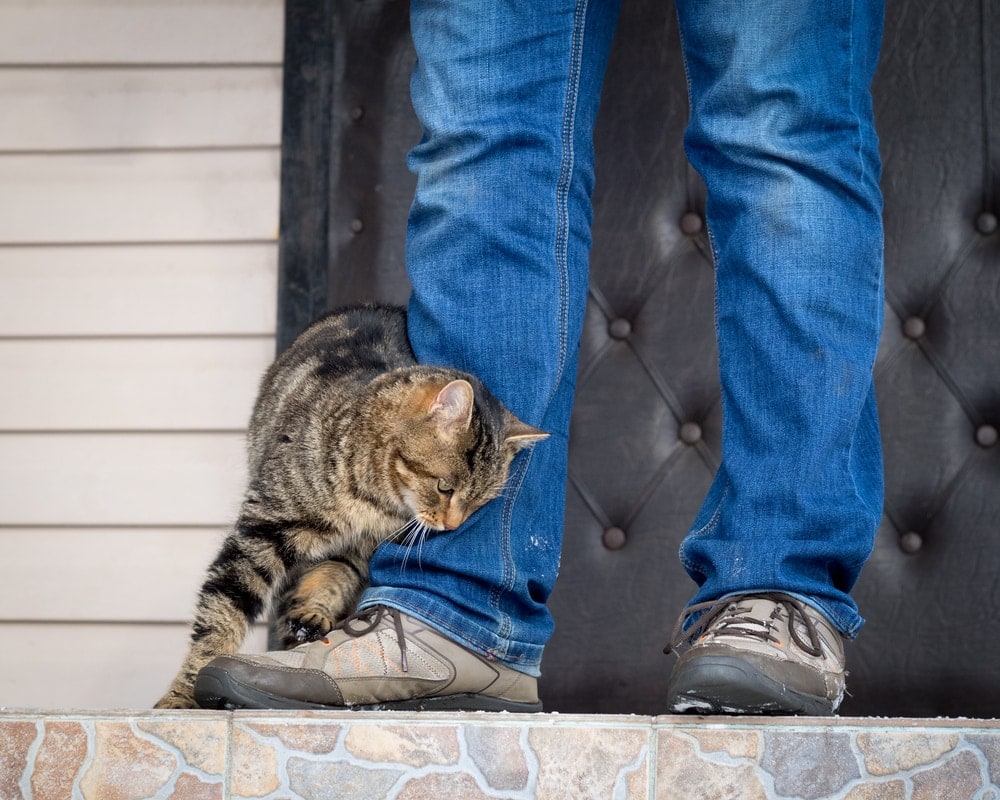
Pheromones are basically chemical signals naturally produced by cats to help them communicate. Usually, when cats rub their faces and coats against you, they release pheromones that indicate that you are trustworthy and safe to be around.
However, experts do not recommend using pheromones on new kittens because they are easier to assimilate and moldable. Either way, if you are hoping to build trust and become part of the cat's social structure, simply turn on your pheromone diffuser or spray some calming pheromones directly on your skin. They will work just like a cat’s natural pheromones.
How Long Would It Take for Cats to Trust You?
According to experts, the best time to start socializing and building trust with a kitten is between 3-4 weeks of age. During this period, your kitten should be socialized with humans and littermates. This way, kittens will learn not to panic when they’re picked up properly. They will also get an opportunity to experience stimuli that spark curiosity instead of fear.
Whether a cat is born in a feral colony or a shelter system, the experiences in this socialization stage will determine how long it takes to trust new environments and humans. Depending on their upbringing, it may take days, weeks, or even months for a new cat to trust you fully.

How Do Cats Show They Trust You?
After following the tips outlined above, you should be able to detect some changes in your cat's behavior. However, if you are still wondering whether you have earned your cat's unconditional trust, do not fret. The signs of a cat's trust and love tend to be subtle and quite surprising.
Here are some common signs:
Conclusion
Cats are often portrayed as some of the most strong-willed and independent pets that you can keep in your home. They can also be shy and skittish and do not easily trust humans and other animals. Fortunately, with early socialization, you can build trust and create a powerful bond that lasts a lifetime.
Respecting your cat's boundaries, understanding their body language, and letting the cat set the pace for befriending you are some of the vital steps to gaining your cat's trust. Also, create a safe space for them and reward positive interactions.
Just keep in mind that, as habitual creatures, cats prefer consistency in their lives. Therefore, ensure that you create a proper routine, whether it's playtime, mealtime, or socialization.
See Also:
Sources
Featured Image Credit: Viktor Sergeevich, Shutterstock
Get Hepper In Your Inbox


Pet care tips from our vets and experts, straight to your inbox.
You may opt-out at any time. View our Privacy Policy for more information.
Nicole is a lover of animals of all sizes but is especially fascinated with the feline variety. She’s the proud mom of Baby, a Burmese, and works every day so he can relax in the sunshine or by the fire. She’s always had a cat in her home and has spent countless days with others, observing behaviors and softening up even the grouchiest of the lot. Nicole wants to share her kitty expertise with you so you and your cat can live happy, healthy, and care-free.
Join the conversation
Ask a question, share your story, or send private feedback.