Hepper is reader-supported. When you buy via links on our site, we may earn an affiliate commission at no cost to you. Learn more.
My New Cat Is Hiding and Not Eating: Vet-Verified Explanation & Tips


In this article
Bringing home a new cat is such an exciting and scary time! When you adopt a new kitty, particularly if they are a rescue, you don’t know exactly what to expect. If the day finally arrives and your cat immediately goes into hiding and doesn’t seem to be eating or drinking, how worried should you be?
It is common for new cats to hide for a bit after moving to a new home. They may also have less of an appetite in the first few days.
We understand how scary this situation can be; after all, you want your new cat to be healthy and happy. So, we’re here to provide a few tips on monitoring the situation and determining when to check in with your vet so that you and your cat can enjoy your time together.

Why Do New Cats Hide and Not Eat?
Most of us know what to expect when bringing home a kitten. An adult cat with an unknown background can lead to an even more uncertain situation. Most rescue cats typically come from a shelter or a foster home, where they have gotten accustomed to their environment.
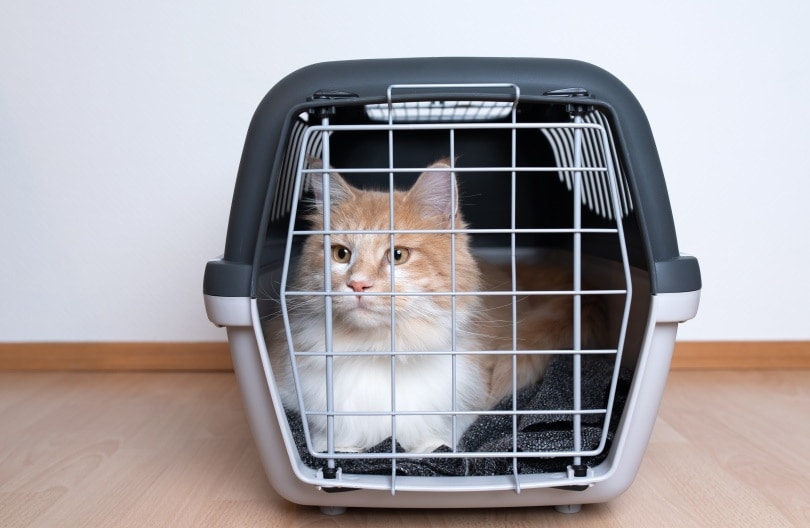
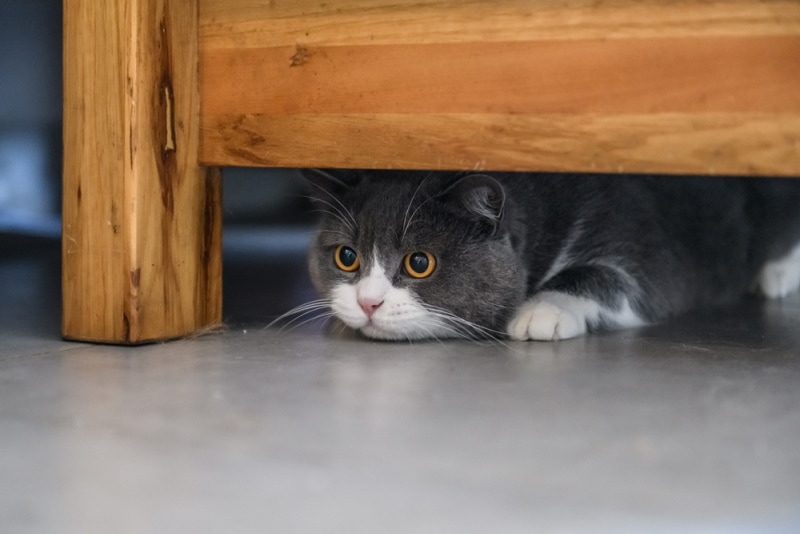
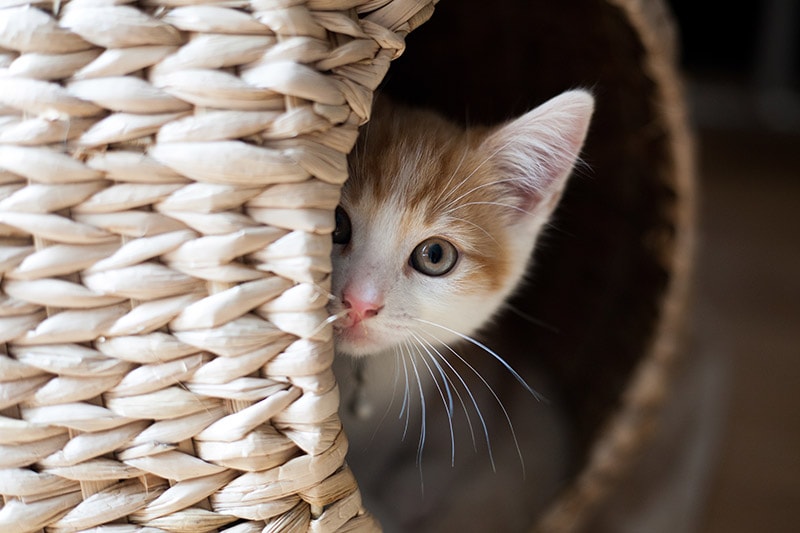
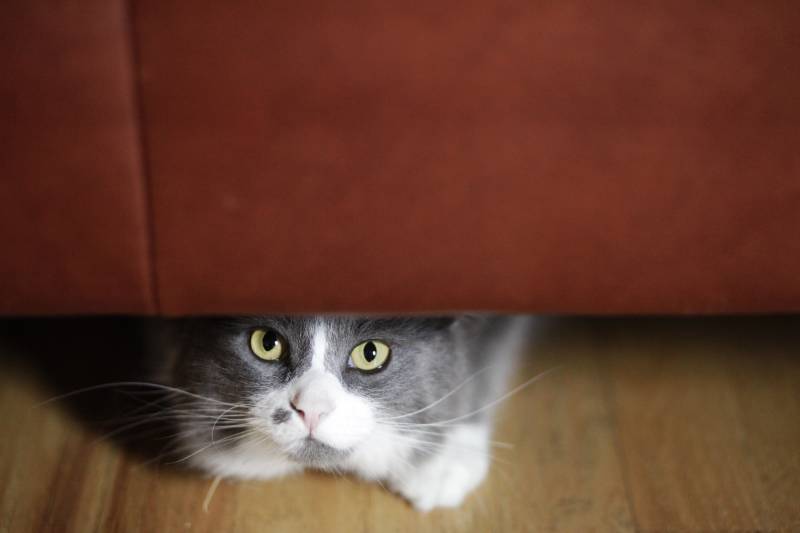
They are then transported by car (which most cats aren’t fans of) and brought to a new place with unfamiliar smells, sounds, and faces. When cats find themselves in an unknown place, they will likely hide, which is perfectly normal!
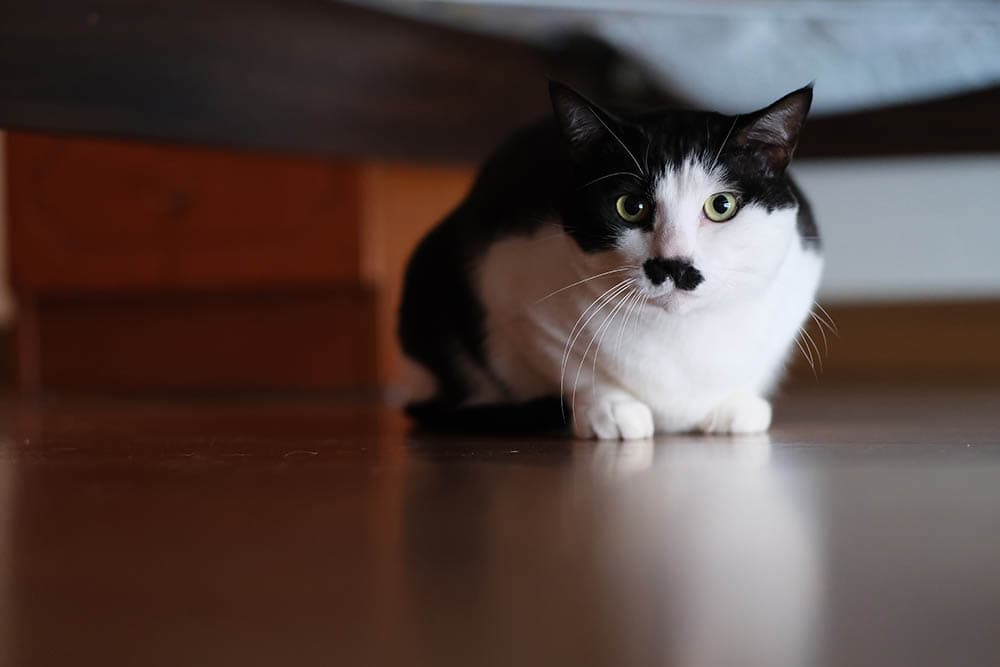
For some cats, this will only last a few hours, while others will be more nervous and may hide for several days. Stress and anxiety can also reduce their appetite, and self-preservation keeps them rooted in a space that they feel safe in.
Signs of stress can include:
- Reduced appetite
- Quieter than usual
- No interest in seeking attention
- Hiding
The 8 Tips for When Your New Cat Is Hiding and Not Eating
Fortunately, there are a few steps that you can take to help your new cat acclimate to their new home and owner.
1. Monitor but Have Patience
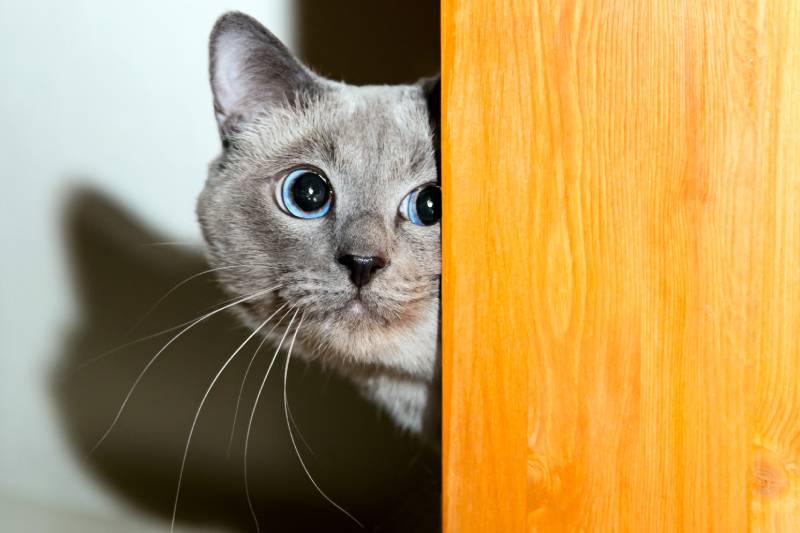
It's best not to force your cat to leave their hiding spot or interact with you. If you reach your hand toward the cat and they hurry away, they aren’t ready to come out or get to know you.
It’s best if you don’t even attempt to touch them. Let them hide. Your home doesn’t smell like your cat’s territory yet. They haven’t had a chance to mark it with their scent, which will help them feel more comfortable.
Allowing your cat to come out of hiding when they’re ready gives them control of this new environment, which will also provide them with confidence.
2. Encourage Them to Mark Their Territory
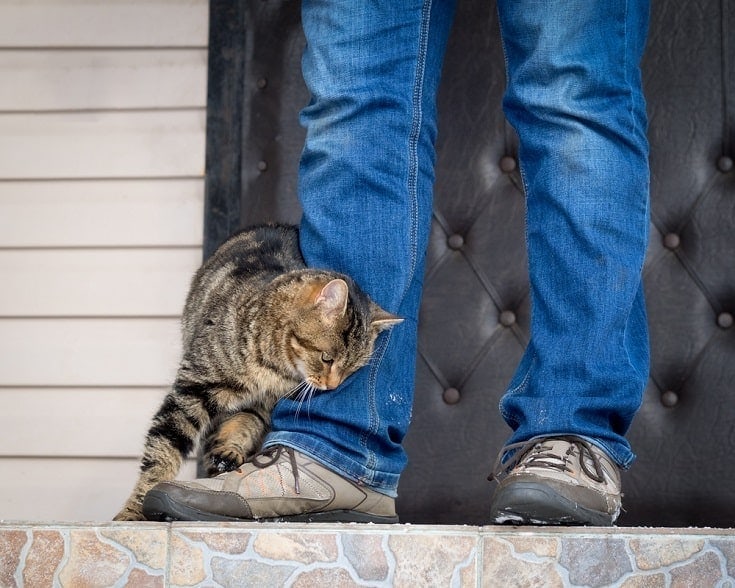
Cats have scent glands on their forehead, cheeks, chin, base of the tail, and paw pads. When you see your cat rubbing on a wall, your furniture, or you, they spread their scent around and essentially mark everything as their territory.
When your new cat realizes that they are safe, they will start to come out of hiding and likely mark everything. This is when your cat will claim you and your home as their own.
Providing a scratcher is a great way to encourage your cat to start marking their territory. It will allow them to stretch and claw, giving them additional opportunities to become more familiar and comfortable with their new surroundings.
Here at Hepper, we love cardboard as a cat scratcher material. We love it so much that we have designed our very own beautiful, modern-looking, and excitingly functional Hi-Lo Cat Scratcher. Purposefully crafted for feline satisfaction from solid birch plywood with a non-toxic gloss coating, it ensures exceptional sturdiness, making it a long-lasting addition to your home.

- Premium Materials - Hepper's cardboard scratcher is made with dense, B-flute cardboard, and a metal core. Encased in a 1/2" plywood frame with gloss coating. Stable and beautiful, use after use
- High, Low and Lower - A single cat scratch pad won't keep your cat engaged. 3 unique positions keeps them coming back, and back, and back again. Finally, something to get them away from the couch!
- Activates Muscles - The Hi Lo isn't just a cat nail file to stop the chief cat couch scratcher. The deep cat scratcher wave encourages maximum musculoskeletal activation for a healthier workout
With three positions, dense B-flute cardboard, and replacement options for even the wildest of scratchers, this scratcher offers style, engagement, and durability in one standout piece. Click here to learn more about our Hepper Hi-Lo Scratcher.
3. Put Things Close to the Hiding Spot
Your cat will become accustomed to you and slowly begin to trust you when you don’t force any interactions. Sit on the floor close to them and speak calmly and soothingly. Try reading a book or magazine out loud, but keep these interactions brief. For the most part, it’s best to leave them alone as much as possible. You should also place their food and water bowls and litter box close to the hiding place.
It’s possible that your cat will come out of hiding when you’re not around, usually at night, often when they eat and use the litter box. With litter, food, and water close to the place where your cat feels safe, they will be more inclined to use them.
4. Give Them Treats
Putting high-value treats close to the hiding spot can motivate your cat. Try putting lickable treats on a plate or even a tiny amount of tuna.
If the treat is smelly, your cat might have a harder time resisting it. But a truly stressed cat won’t come out even for a tasty treat. Either way, this might take a few days.
5. Set Up a Room for Your New Cat
If your cat is hiding in a chaotic or noisy space, such as the living room or bathroom, you should set up a quieter room that can be considered the cat’s temporary room. You shouldn’t attempt to pick up the cat to move them, but instead, place everything for your cat, such as food, water, litter box, and scratching post, in this room.
It should also have great hiding spots—a cardboard box with a hole cut out of the side is perfect. They want to hide but also have an easy escape route.
Hopefully, when you brought home your cat, the rescue or foster home gave you a few things that your cat used there, like a blanket or toys. Place these items in the room and add a smelly treat. Your cat might make a beeline for this space when no one is around.
If you have family members or other pets, the room must be off-limits to everyone but the primary caregiver.

6. Use Toys
If your cat is hiding but doesn’t seem severely stressed, you can spend time near the hiding spot, talking or reading to them. You can also use interactive toys to entice your cat to play—wand toys are great options!
If you’re new to cat ownership or aren’t sure about the best ways to play with your cat, you’ll need to try various toys and methods of play to find out what your cat likes.
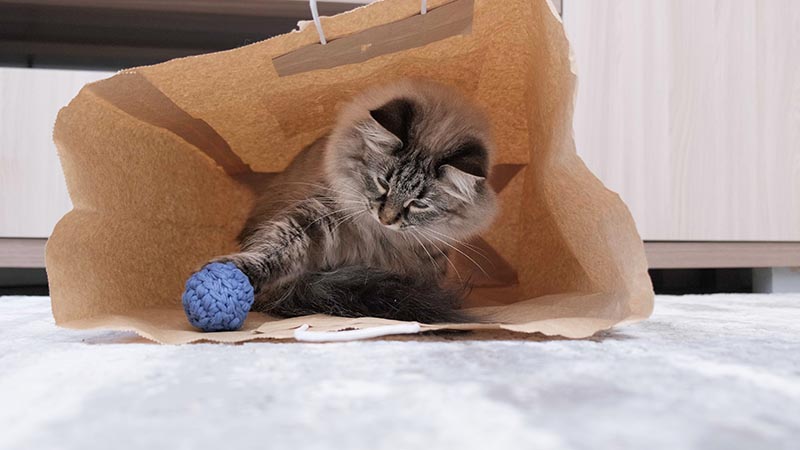
Cats generally respond well if the toy that you’re using acts like prey. Feather or worm toys are ideal in this regard. Having it make darting movements and hide under blankets can get cats excited!
Remember that your cat might still be too scared to play, so don’t place the toy too close to them, particularly if they shrink away. Monitor their body language, and over time, your cat may no longer be able to resist.
Give your cat a treat when they play with the toy, even just a little, as this is positive reinforcement. They'll start associating playing near and with you as a good thing.
7. Have Even More Patience
If you’re sitting near your cat’s hiding spot or somewhere else in your home, and you see your cat tentatively coming out to explore, don’t approach them, and keep noise to a minimum. The slightest bang or sudden noise will likely send your cat back into hiding. Don’t move: Just watch and see.
If your cat approaches you and even rubs against your leg, congrats! Your cat is starting to view you as family! But always let your cat approach.
Cats are sensitive creatures, and the slightest noise and movement will startle them, particularly when they are already on high alert.
8. Speak to Your Vet
If you’re concerned about your cat not using the litter box or eating and drinking, speak to your vet. Most cats will likely be sneaking food and water when their owners aren’t looking and should be using the litter box after a day. However, if they have not eaten in over 24 hours, it’s best to contact your vet, who will advise you on the next steps.
If you’ve adopted a traumatized or particularly nervous cat, this entire process might go on for a while, but you can try measuring the amount of food and water you’re putting out, which can help you see what your cat is eating and drinking. Ensure that the food you leave out is either the same food the shelter used or something with a strong aroma. This can help draw your cat to eat.

Conclusion
Cats are creatures of habit and not keen on change! Rescue cats might take a while to warm up to you and their new home, but hopefully, these tips will help things proceed a little faster.
All cats have unique personalities: Some love cuddling, while others dole out their snuggles sparingly. But if you have patience and give your cat the time and space that they need to feel comfortable, once they have, you’ll find yourself with a lifelong and loving companion.
Featured Image Credit: Alex King Pics, Shutterstock
Get Hepper In Your Inbox


Pet care tips from our vets and experts, straight to your inbox.
You may opt-out at any time. View our Privacy Policy for more information.
Kathryn was a librarian in a previous lifetime and is currently a writer about all things animals. When she was a child, she hoped to work in zoos or with wildlife in some way, thanks to her strong love for animals. Unfortunately, she's not strong in the sciences, so she fills her days with researching and writing about all kinds of animals and spends time playing with her adorable but terribly mischievous tabby cat, Bella. Kathryn is hoping to add to her family in the near future – maybe another cat and a dog.
Join the conversation
Ask a question, share your story, or send private feedback.