Hepper is reader-supported. When you buy via links on our site, we may earn an affiliate commission at no cost to you. Learn more.
10 Vet-Verified Household Items That Are Toxic to Cats


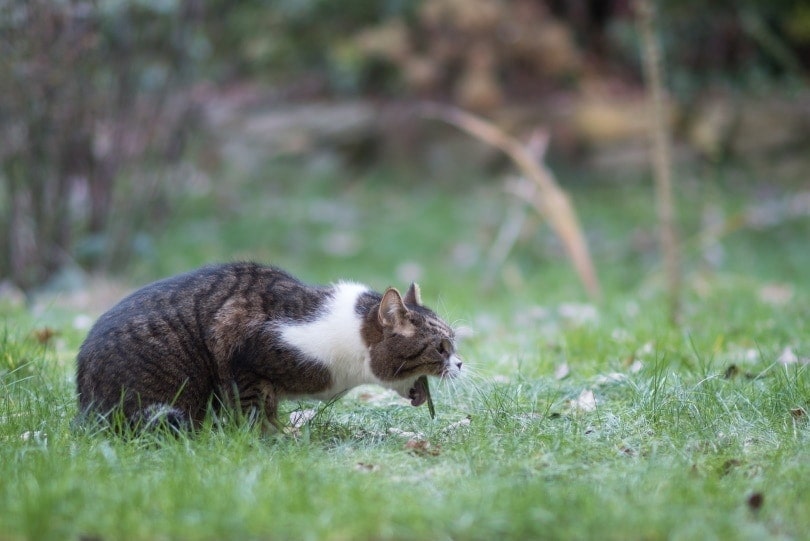
Keeping your cat safe is one of your primary responsibilities as a cat owner. Cats are very curious animals, and in some instances, their curiosity can be dangerous for them, for example, when cats sniff, chew, or even eat items that can potentially hurt them. These situations may occur with many household items that you probably didn't even know are toxic for your feline companion.
Here we will give you a list of all the household items that are potentially toxic to your feline family member, so you can make sure that curiosity doesn’t kill your cat.

The 10 Household Items That Are Toxic to Cats
1. Houseplants
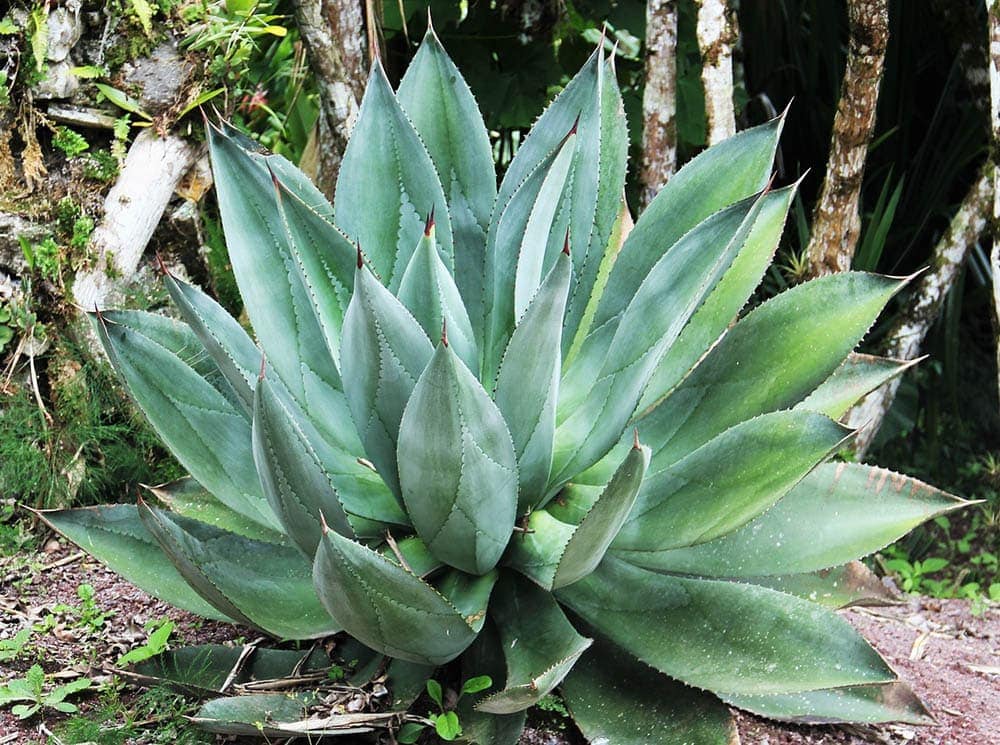
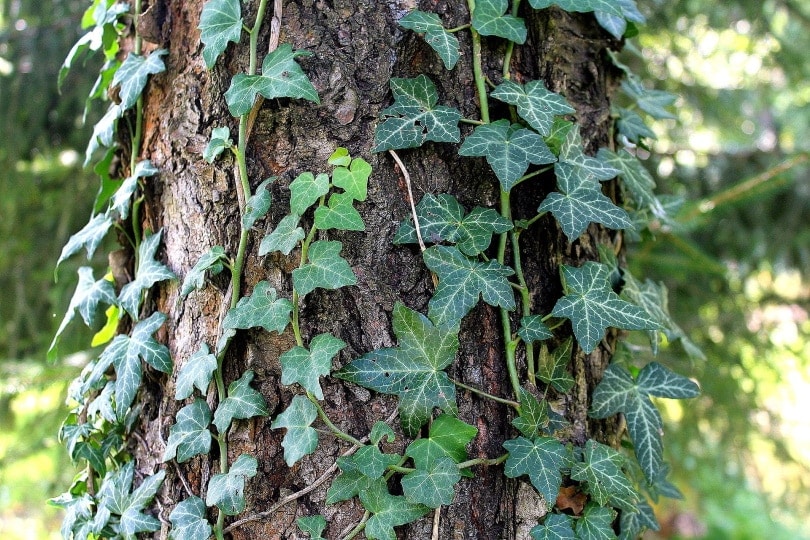
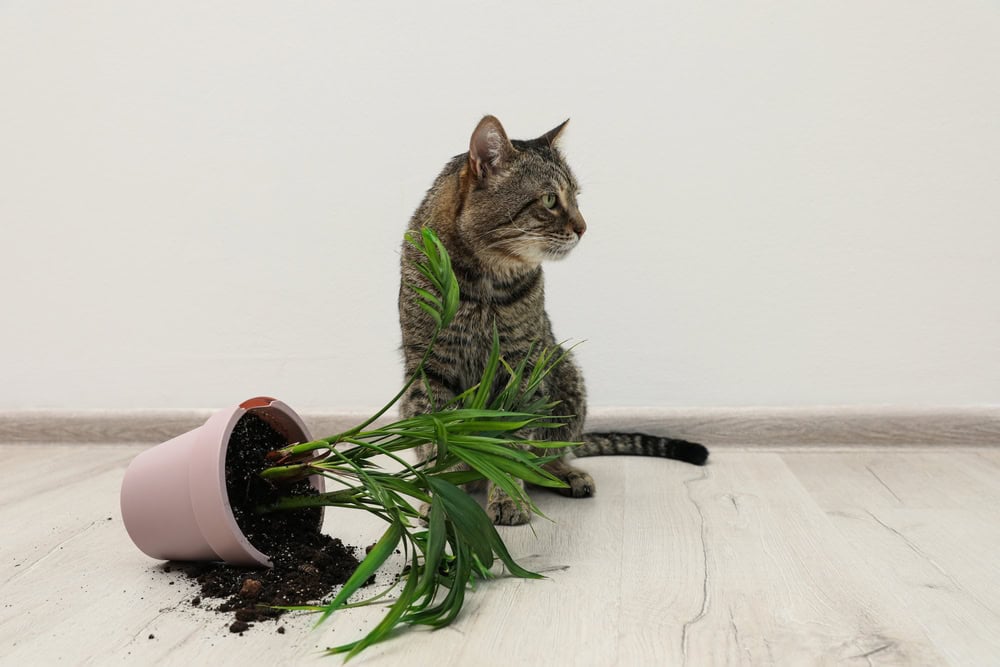
As all cat parents know, our lovely feline friends often adore chewing and biting on houseplants. While this is not a problem in some circumstances, many houseplants can be incredibly toxic for our cats. For this reason, it is essential to keep pet-safe houseplants in our homes that our cats can safely chew on without any side effects. Learning which houseplants are safe and which are toxic for our cats is essential to being a devoted cat parent, so study the list below carefully.
Be aware that if your cat enjoys munching on your plants a lot, they can still end up with an upset stomach, even if the plant isn’t toxic, so it’s still a good idea to keep them somewhere out of reach.

2. Antifreeze
Antifreeze toxicity is one of the most common types of poisoning seen in cats. This is because it is common for it to be splashed around, and it tastes good. If you are using antifreeze, always keep your cat well away, and thoroughly wash down any surfaces and the ground when you are done. If you see your cat lick even a tiny amount of antifreeze, contact your vet immediately.
3. Human Foods
As you probably know, various foods found in the kitchen are toxic for our pets and can cause severe health issues when ingested. Chocolate is the most famous human food that can be dangerous for cats and other pets. Two of the toxic compounds found in chocolate are caffeine and theobromine. When cats ingest chocolate and, with it, high amounts of theobromine, they are at high risk of elevated blood pressure, elevated heart rate, trembling, and even seizures.
Other human foods that you should avoid giving your cats include:
- Grapes and raisins
- Onion, garlic, chives
- Alcohol
- Caffeine
- Raw eggs
- Raw meat and fish
- Yeast
The effects of these foods range from mild gastrointestinal distress to severe toxicity, so it’s best to avoid the risk.
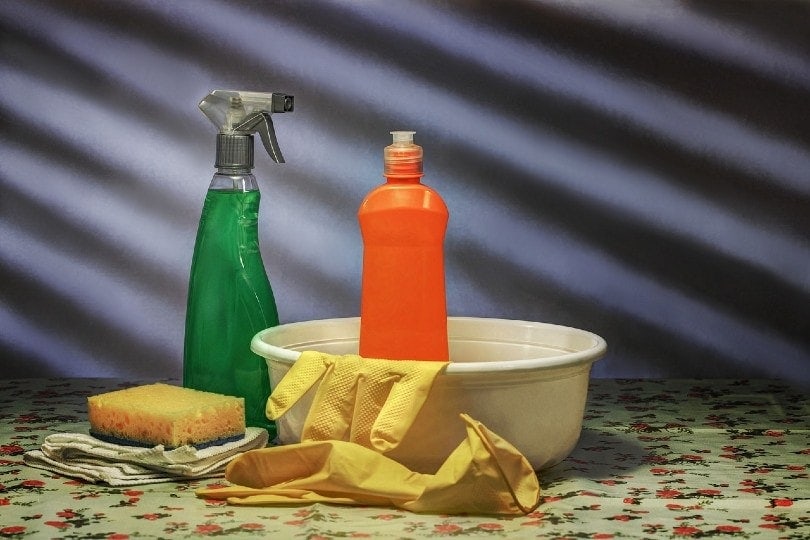
4. Household Cleaners
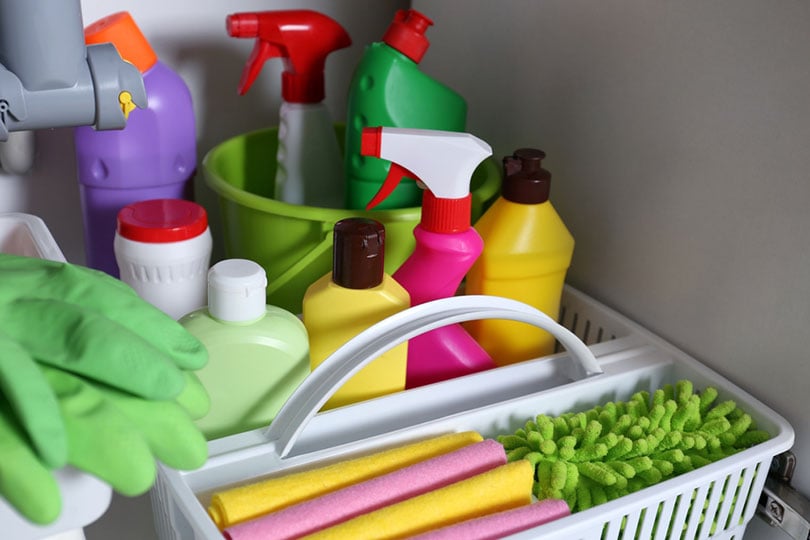
Many pet parents don't realize the dangers of using household cleaners near cats and other pets. Household cleaners can be incredibly toxic when inhaled or ingested by our pets. Make sure to keep kitchen, bath, and toilet bowl cleaners far away from your pets so they can never accidentally reach them.
You must be extra careful about this, especially after cleaning your home—remove any excess fluids from the utilities and wipe away any residue from the floors. After all the cleaners have dried entirely, you can let your cat back in the room.
Cleaners that contain chlorine, like bleach, often smell appealing to cats, so be particularly careful when using them.
5. Dog Flea and Tick Treatments
Pyrethrins are a common ingredient in many flea and tick preventions for dogs, but these chemicals are incredibly dangerous for cats. Even if only applied to the skin, they can cause tremors, seizures, even death in cats. It is important to never use products for dogs on your cat.
6. Batteries
Batteries are another common dangerous household item for cats. Batteries contain some highly harmful chemicals that, when ingested, can lead to severe health issues. Batteries are especially hazardous for cats because when chewed and punctured, toxic chemicals can leak out and cause mouth, throat, and stomach burns. It is vital to keep spare batteries away from your cat's reach to ensure your pet's safety.
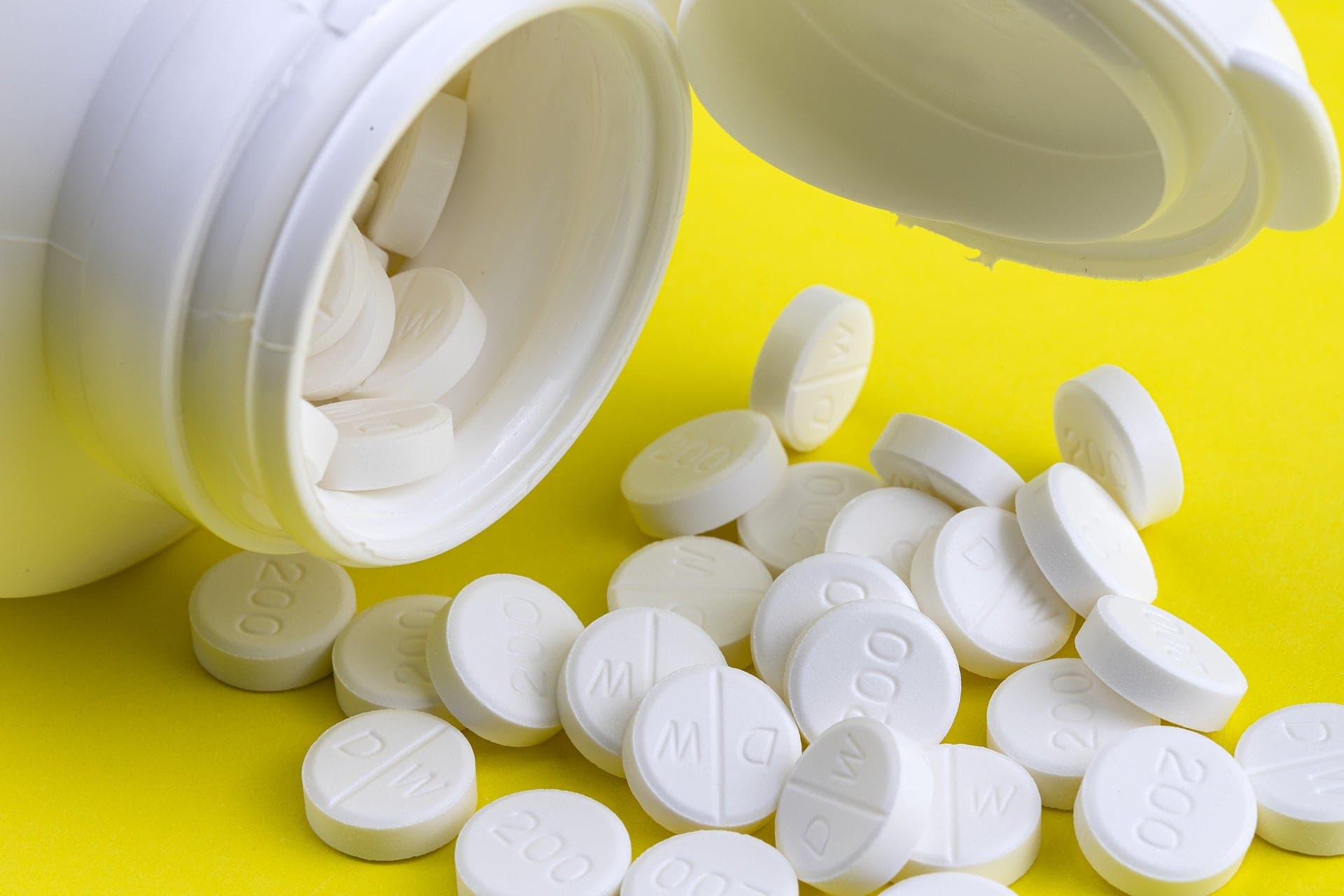
7. Human Medicines
If you've ever been tempted to give your cat human medicines in an attempt to help them or cure them, this can be a terrible idea. Certain prescription medications can severely harm your cat's health. Keep all antidepressants, cold medicines, supplements, and pain relievers away from your cat. Keep them in a tightly secured bottle and in a pantry or drawer where your cat can't reach them.
8. Insecticides and Chemicals
Certain chemicals and insecticides you may use around your house or garden can be highly hazardous for your cat to ingest. Keeping chemicals such as fertilizers or herbicides away from your cat and all other pets is imperative. Another thing to remember is that insect and rodent bait is highly hazardous for our children and pets, so keep them out of your cat's reach as well.
9. Essential Oils
Essential oils are known to have a soothing and healing effect on us and our pets; however, they can become quite toxic if applied directly and used in large amounts. Cats have difficulty metabolizing essential oils, so it is important to handle them with caution around cats. Also, while some essential oils may be safe for our cats, others can be very toxic, leading to respiratory and neurological problems. Some oils to keep away from your cat are peppermint oil, eucalyptus, and tea tree oil.
Any concentrated essential oils can be harmful, so always keep them safely locked away.
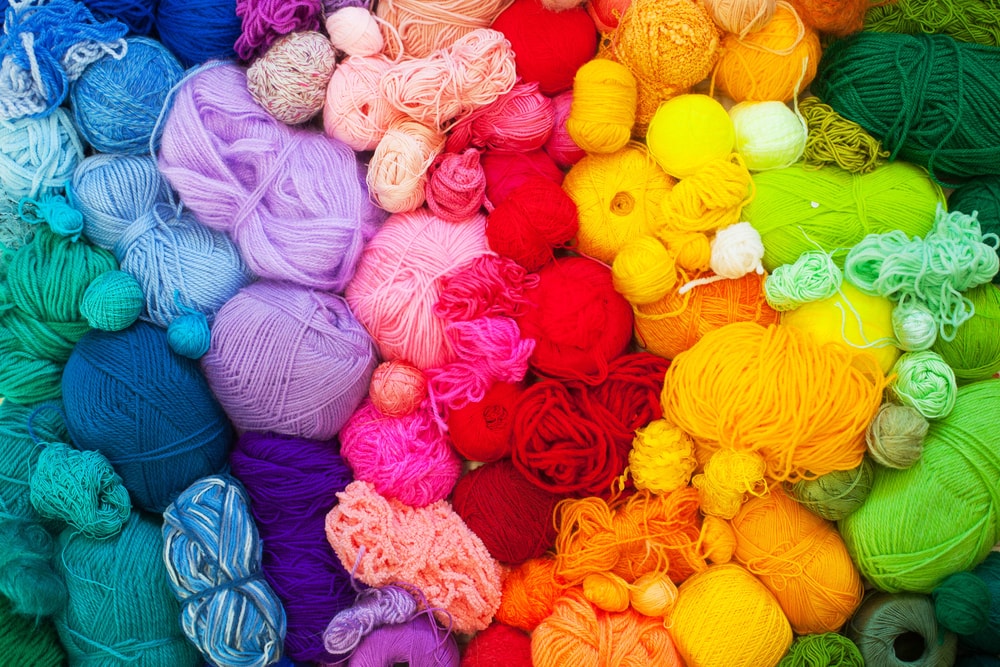
10. String, Wool and Small Items
Small items found around the house can be just as harmful to your cat as chemical toxins. Any rubber bands, small children's toys, or any other stringy items can cause severe problems. Children's toys that are small enough to swallow can lead to choking, while rubber bands can become lodged in the digestive system, leading to gastrointestinal blockages.
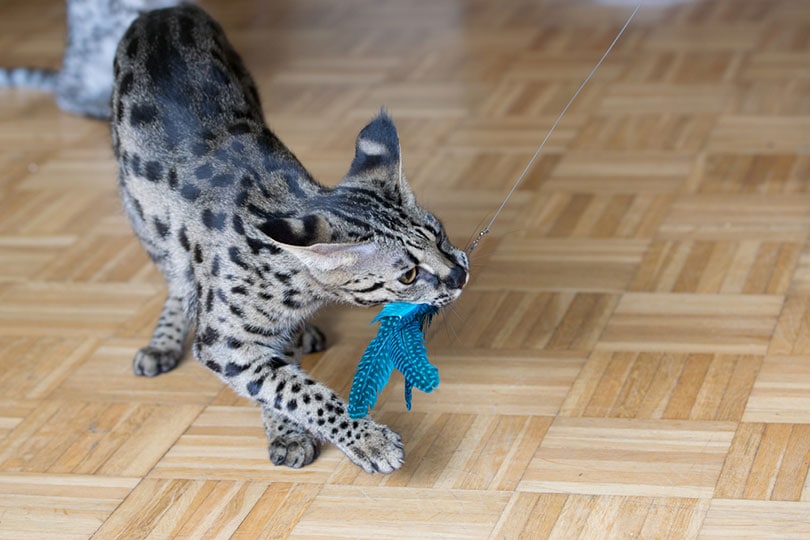
Cats don’t often get into trouble with eating solid objects, but items like string, wool, or fishing line are fun to chase. If swallowed, they can cause the intestines to bunch up, and there have been many cats hospitalized with a fish hook in their mouth or gastrointestinal tract.
Signs of Toxicity in Cats
If you suspect that your cat has accidentally ingested some harmful substance or item found around the household, it is crucial to contact your vet immediately. Every moment is essential, and fast action can help in treating your pet. For many items, once clinical signs appear, it can already be too late.
If you don’t know if your cat has eaten something they shouldn’t have, these are some common signs of toxication.
- Diarrhea
- Vomiting
- Excessive drooling
- Difficulty breathing
- Coughing
- Dilated pupils
- Stomach pain
- Shivering
- Lethargy
- Pale gums
- Ulcers
- Seizures
If you notice ANY of these signs, contact your vet for advice right away.
Conclusion
Once you learn about the seriousness and severity of keeping toxic items around the household, you will hopefully be more vigilant and keep them out of your pet's reach. Some items, such as essential oils or children's toys, might not seem as harmful, but when ingested, these can cause some severe health problems in your cat.
Lastly, if you happen to notice any signs of toxicity, make sure to take your cat to the vet without hesitation.
Sources
Household Hazards - Toxic Hazards for Cats | VCA Animal Hospital
Top Cat Poisons: Plants, Medications, Insecticides, and More
https://www.petmd.com/cat/emergency/poisoning-toxicity/e_ct_poisonous_plants
https://vcahospitals.com/know-your-pet/pyrethrinpyrethroid-poisoning-in-cats
https://www.petmd.com/cat/emergency/poisoning-toxicity/e_ct_poisonous_plants
Featured Image Credit: megaflopp, Shutterstock
Get Hepper In Your Inbox


Pet care tips from our vets and experts, straight to your inbox.
You may opt-out at any time. View our Privacy Policy for more information.
I am a freelance writer with a restless and adventurous spirit. After graduating from the College of Fine Arts, I began searching for a medium to express my imagination. Content writing is a passion that took me by storm. When I am away from my peaceful writing nook, I work as a sculptor, painter, and woodworker in my workshop. I plan to continue nurturing my passion for writing and use it as a vessel for my neverending creativity.
Join the conversation
Ask a question, share your story, or send private feedback.