Hepper is reader-supported. When you buy via links on our site, we may earn an affiliate commission at no cost to you. Learn more.
German Angora Rabbit: Breed Info, Care, Traits & Pictures
In this article
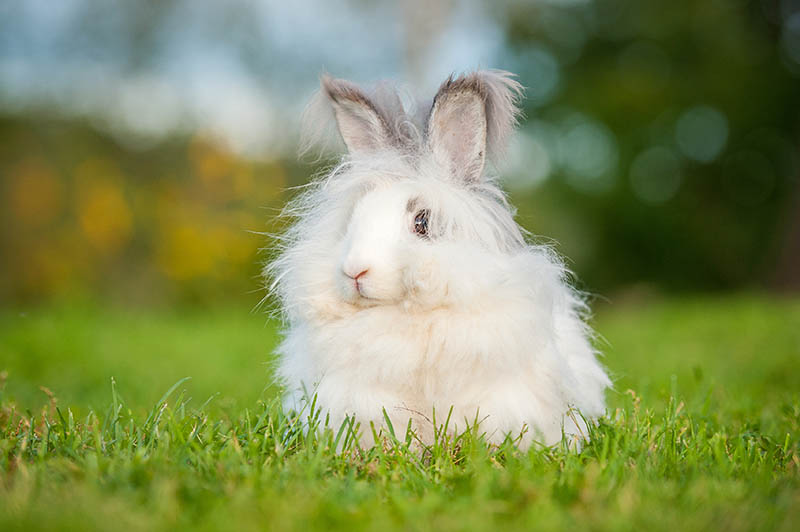
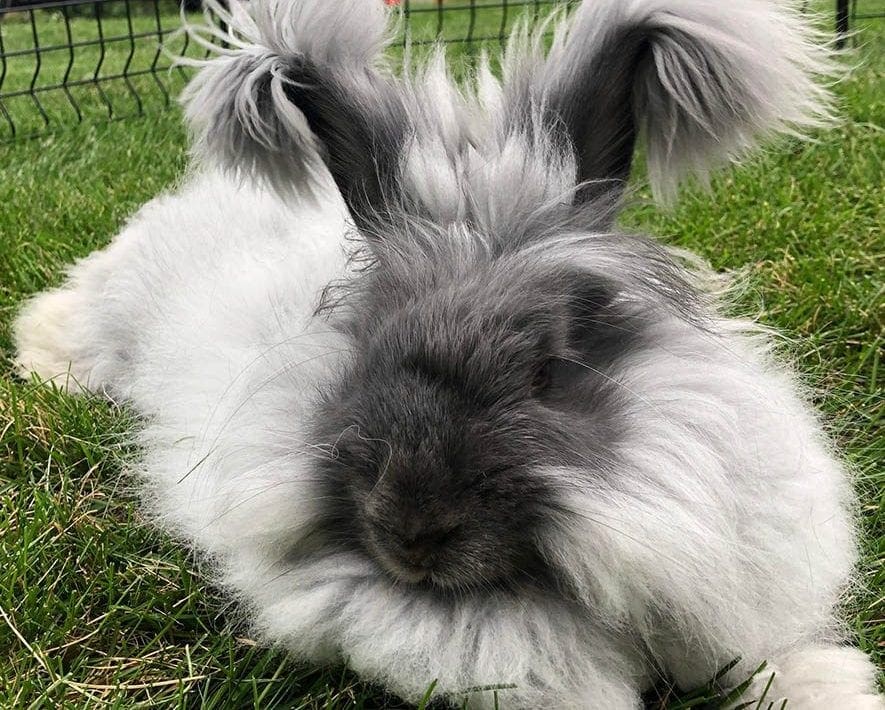
Behold the German Angora Rabbit, an exquisite rabbit breed known for its lush, dense fur and charming demeanor. This unique breed boasts an alluring history and some of the finest qualities you would ever find in the rabbit kingdom. Are you intrigued to discover more? Keep reading for some fascinating insights into this furry wonder.
| Size: | Large |
| Weight: | 10–11 pounds |
| Lifespan: | 5–8 years |
| Similar Breeds: | English, Giant, German, French, Satin |
| Suitable For: | Families with allergies, anyone looking for a loving companion |
| Temperament: | Loving, gentle, docile, intelligent |
The German Angora Rabbit is indeed a standout. Not a mix of other breeds, it's renowned for its pure lineage, originating from the Angora region in Turkey. People will adore its vibrant, outgoing personality, as well as its adaptability, making it a delightful companion.
German Angora Rabbit Characteristics

How Much Do These Rabbits Cost?
German Angora Rabbits are not exactly common finds in pet stores or rabbitries. Its rarity, combined with its unique wool-producing capabilities, can lead to higher costs compared to more common rabbit breeds.
Potential owners should anticipate spending anywhere from $50 to $120 for a German Angora Rabbit. While this is significantly more than, say, an American Rabbit, you have to remember its lineage. German Angora Rabbits are native to the United States. Thus, they carry a higher price tag.
Temperament & Intelligence of the German Angora Rabbit
German Angora Rabbits are not only visually appealing but they are also blessed with a friendly and adaptable temperament. They’re known to be fairly intelligent creatures, capable of learning commands and routines quickly, like using a litter box. Their playful and engaging character makes them wonderful pets for experienced rabbit owners and committed newcomers alike.
Do These Rabbits Make Good Pets?
They sure do! German Angora Rabbits make great pets for those who can dedicate the time and resources to their care. Their energetic nature and adaptability make them an enjoyable addition to many homes. What’s more, their grooming requirements are not nearly as demanding as you might think.
German Angora Rabbits groom themselves, which helps cut back on maintenance. Still, owners should make sure their rabbit’s fur is kept in check due to safety concerns (more on this in a moment).
Does This Rabbit Get Along With Other Pets?
In general, German Angora Rabbits can get along well with other pets. However, like any animal, much depends on the individual personality and socialization of the rabbit and the other pet. If you want to make sure your rabbit doesn’t run away from you or other pets, start training and socialization as early as possible.
Things to Know When Owning a German Angora Rabbit:
Food & Diet Requirements
German Angora Rabbits thrive on a balanced diet rich in fiber. The foundation of their diet should be high-quality rabbit pellets, which offer a concentrated source of nutrients. Additionally, fresh hay, particularly timothy or oat hay, is vital as it provides the necessary fiber for a healthy digestive system and helps grind down their continuously growing teeth.
Access to clean, fresh water is paramount and should be available at all times. Occasionally, you can supplement their diet with fresh vegetables such as carrots, broccoli, or bell peppers. Treats like fruits should be given sparingly due to their high sugar content. Remember, sudden changes in diet can upset their digestive system, so introduce new foods gradually and in small amounts.
Habitat & Hutch Requirements
Considering their active nature, German Angora Rabbits require spacious enclosures to hop around and explore. A rabbit hutch should be well-ventilated to ensure good airflow and prevent overheating, particularly during the warmer months. Moreover, the hutch should be secure to protect your pet from potential predators.
The enclosure should be large enough to accommodate separate areas for sleeping, eating, and using a litter box. A place to hide would also be appreciated, as rabbits, by nature, are prey animals and like having a safe space to retreat to.
The flooring should be solid and covered with comfortable bedding to protect their hocks (back feet) from sores. At a minimum, your German Angora Rabbit’s enclosure should measure 30 x 36 x 24 inches. But again, the more room for movement and respite, the better.
Exercise & Sleeping Needs
Exercise is crucial to maintain the health and well-being of your German Angora Rabbit. They require daily out-of-cage time in a secure outdoor run or a rabbit-proofed indoor space for hopping, exploring, and burning off energy.
To meet their sleeping needs, they require a quiet and comfortable space. Rabbits typically sleep during the day and are most active during dawn and dusk. Make sure their sleeping area is away from noise and disruptions, providing a peaceful environment for rest.
Training
While they may not fetch a ball or roll over on command, German Angora Rabbits are quite intelligent and can be trained to follow basic routines. Litter box training can be achieved with a bit of patience and consistency, making clean-up much easier. They can also learn to respond to their names and may even perform simple tricks like coming when called if motivated by a small treat.
Positive reinforcement is key when training these rabbits. Always reward good behavior with a treat or petting to encourage repetition. Never punish or shout at your rabbit; it can be detrimental to your relationship and may cause unnecessary stress.
Grooming ✂️
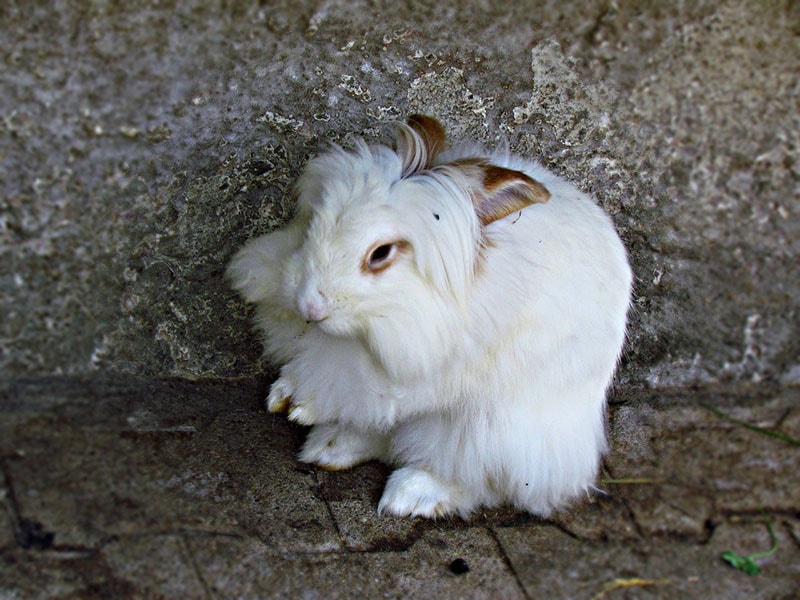
With a dense, luxurious coat, German Angora Rabbits require regular grooming to prevent matting and hairballs. While daily grooming isn’t necessary, a good shearing every three months is advised. Doing this helps prevent your rabbit from ingesting too much of its own fur when it grooms itself.
Fur that’s too long poses a risk to rabbits and can cause GI Stasis. But by staying on top of your pet’s grooming needs, you can help your German Angora live a long and healthy life.
Be gentle when brushing to avoid causing discomfort or injury. In addition to brushing, check their ears for mites or dirt regularly, trim their nails as needed, and monitor their dental health closely, as overgrown teeth can cause serious health issues.
Lifespan and Health Conditions
As with all pets, you want to be aware of certain conditions that could affect your companion. Here are some things that could happen to your German Angora Rabbit:
Male vs Female
Differences between male and female German Angora Rabbits are subtle and mostly revolve around behavioral tendencies related to mating. Both are quite docile and loving, but training and socialization are still advised to ensure your rabbit behaves well around strangers and other animals.
The 3 Little-Known Facts About the German Angora Rabbit
1. These rabbits are known as excellent wool producers.
German Angora Rabbits aren’t just pets; they’re impressive wool producers, too. They’re known for producing more wool than any other rabbit breed, yielding a substantial amount of fiber up to four times a year. This wool, often referred to as angora fur, is highly prized for its softness and warmth and is often used in high-quality clothing and textiles.
2. They are not German but of Turkish origin.
The name might throw you off, but German Angora Rabbits actually trace their roots back to Ankara (historically known as Angora), Turkey. It was from this region that these rabbits first captivated the world with their luscious wool.
Despite being bred and refined in Germany for higher wool yield and larger size, the core lineage of these rabbits is intertwined with the ancient history of Turkey, making them a fascinating blend of Eastern origins and Western cultivation.
3. The German Angora Rabbit is the largest Angora breed.
When it comes to size, the German Angora Rabbit reigns supreme among its Angora peers. Out of all the Angora breeds, including the English, French, and Satin Angora, the German Angora Rabbit is the largest.
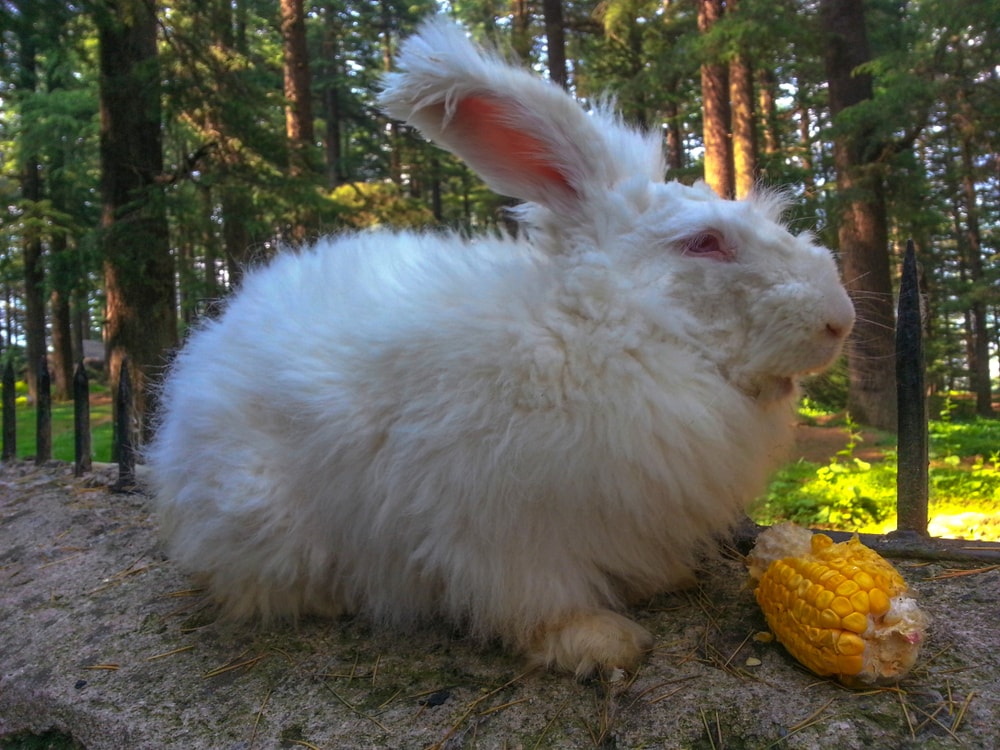
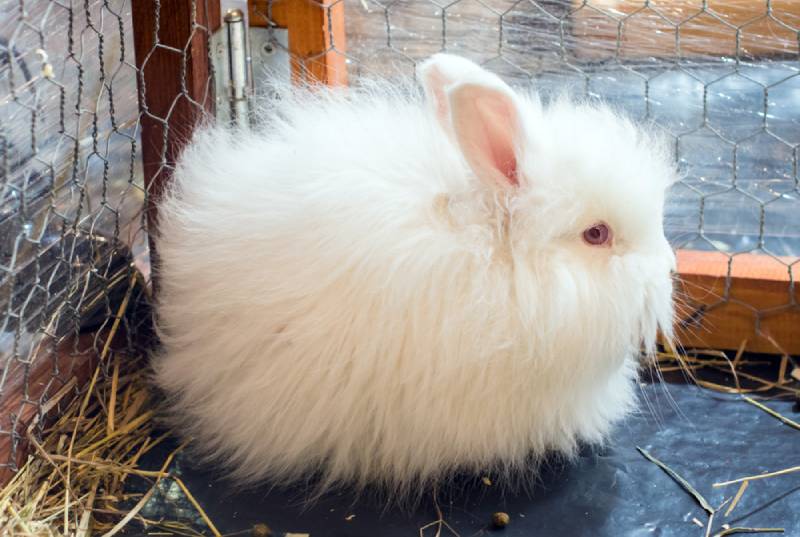
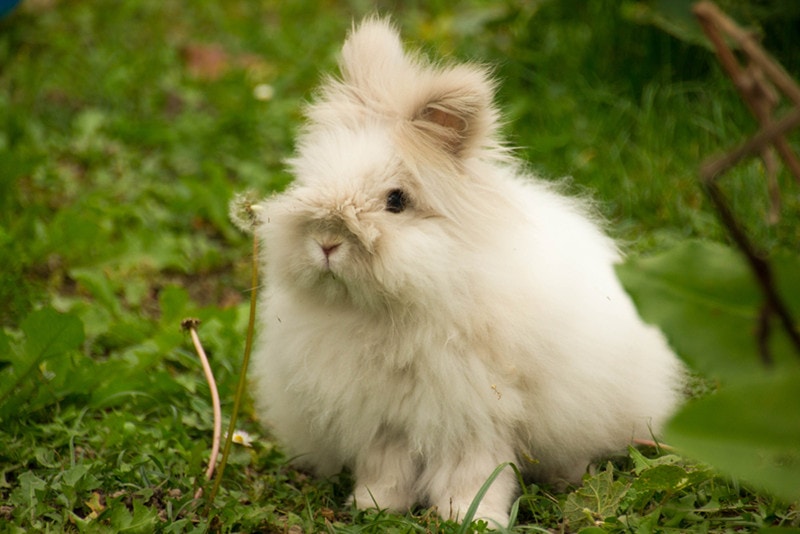
Their substantial size, combined with their dense, plush wool, gives them a delightful teddy bear-like appearance that can be quite endearing. This size also contributes to their substantial wool production, reinforcing their standing as a true gem among wool-bearing animals.
Final Thoughts
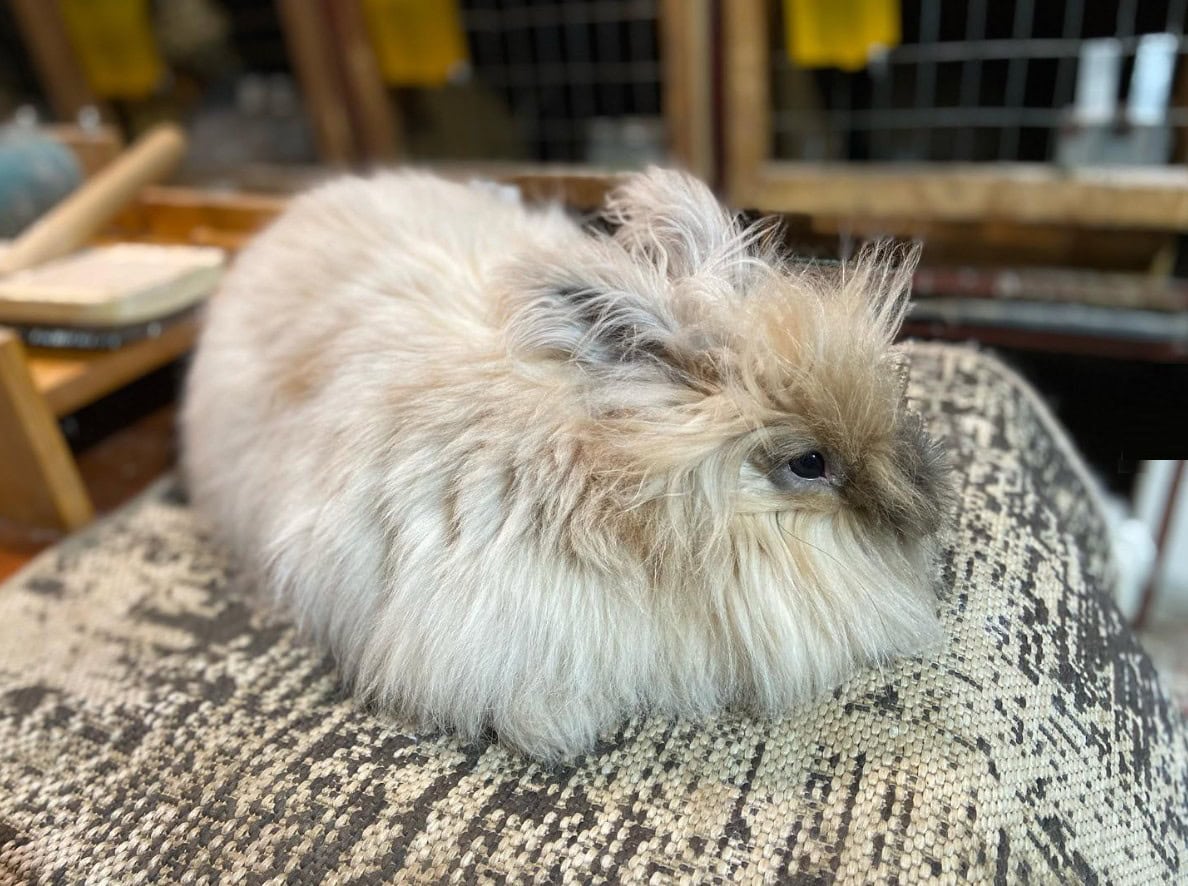
Choosing to bring a German Angora Rabbit into your home is a delightful decision. These charismatic fluff balls bring joy, companionship, and a touch of elegance with their lustrous fur. Remember, they require a significant amount of grooming and attention to their diet to stay healthy.
With the right care, this breed can make a wonderful, loving pet that is sure to bring endless entertainment and affection. Be ready to fall in love with their friendly personalities and unique traits!
Sources
Featured Image Credit By: Hidden Springs Farm, Shutterstock
Get Hepper In Your Inbox


Pet care tips from our vets and experts, straight to your inbox.
You may opt-out at any time. View our Privacy Policy for more information.

Nicole is a lover of animals of all sizes but is especially fascinated with the feline variety. She’s the proud mom of Baby, a Burmese, and works every day so he can relax in the sunshine or by the fire. She’s always had a cat in her home and has spent countless days with others, observing behaviors and softening up even the grouchiest of the lot. Nicole wants to share her kitty expertise with you so you and your cat can live happy, healthy, and care-free.
Join the conversation
Ask a question, share your story, or send private feedback.