Hepper is reader-supported. When you buy via links on our site, we may earn an affiliate commission at no cost to you. Learn more.
What Fruits & Vegetables Can Pet Rabbits Eat? 11 Vet-Approved Options


In this article
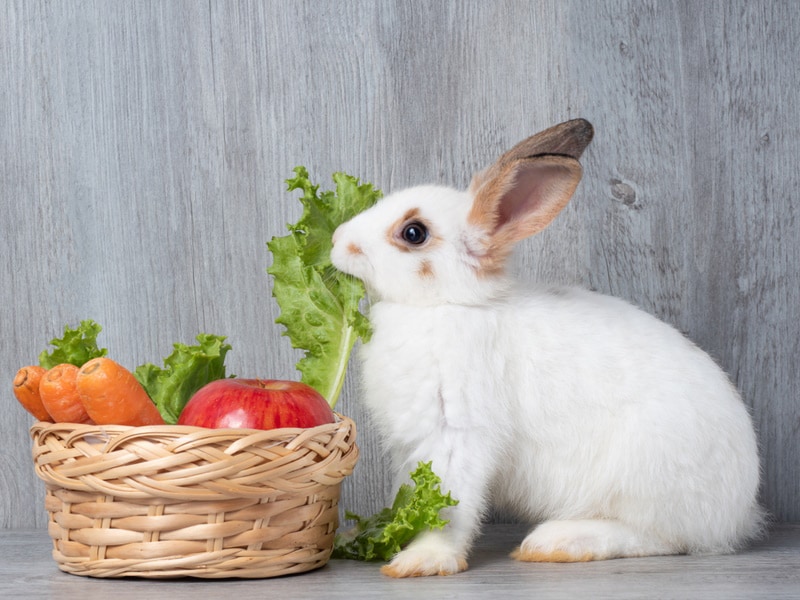
Unlike other herbivores, pet rabbits aren’t picky. They can survive on a variety of food sources. The majority of their diet should come from grass hay and leaves. But rabbits naturally graze on fruits, flowers, and vegetables in the wild. Why not offer a taste of the wild at home?
In this post, we cover what fruits and vegetables to offer your pet rabbit, but some bonus tips on how to offer these tasty treats. Let’s dive in.

The 11 Best Fruits & Vegetables that Rabbits Can Eat
Vegetables
1. Lettuce
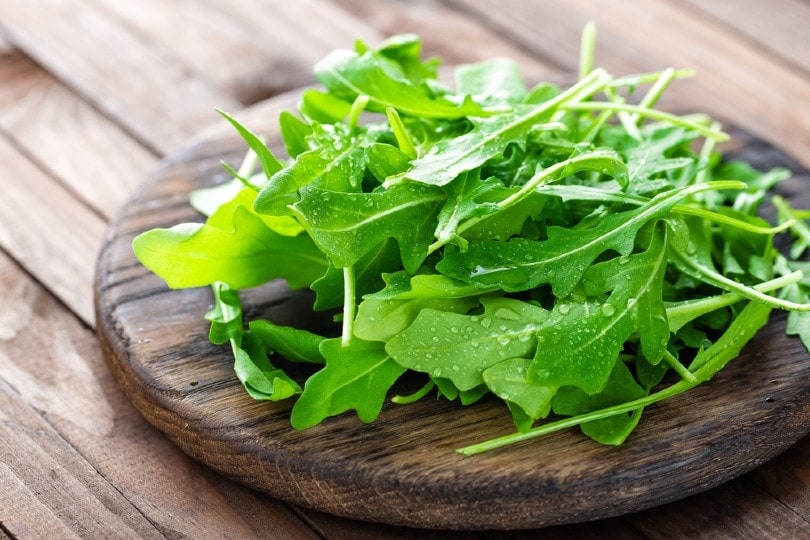
Rabbits like a nice crunch, and a healthy salad can accomplish the goal. The best leafy green options are:
- Romaine
- Bok Choy
- Watercress
- Kohlrabi
- Endive
- Arugula
A good rule of thumb is to think greener. The darker the green, the more nutritionally dense the leafy food. We recommend avoiding iceberg lettuce since it contains little nutritional value for rabbits.
2. Grasses & Leafy Herbs
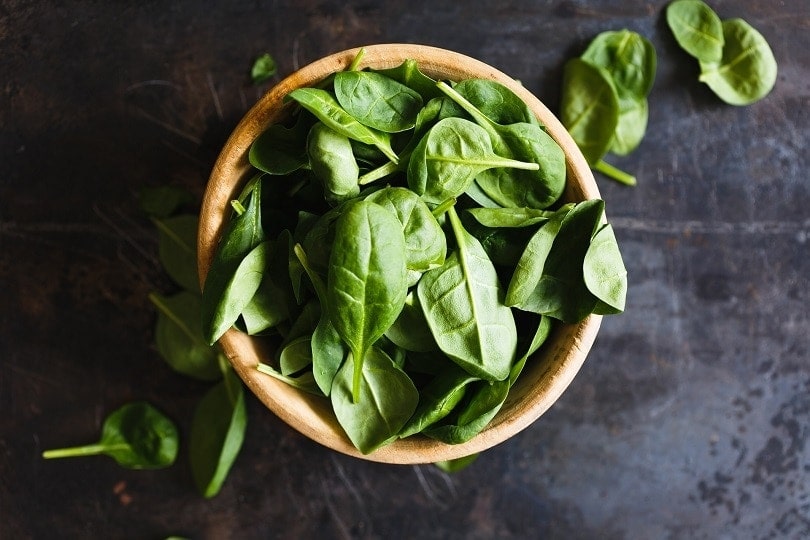
Lettuce and cabbage aren’t the only leafy greens you can offer. Rabbits love wheat grass, parsley, cilantro, dandelion, mint, and basil.
3. Green Tops & Sprouts
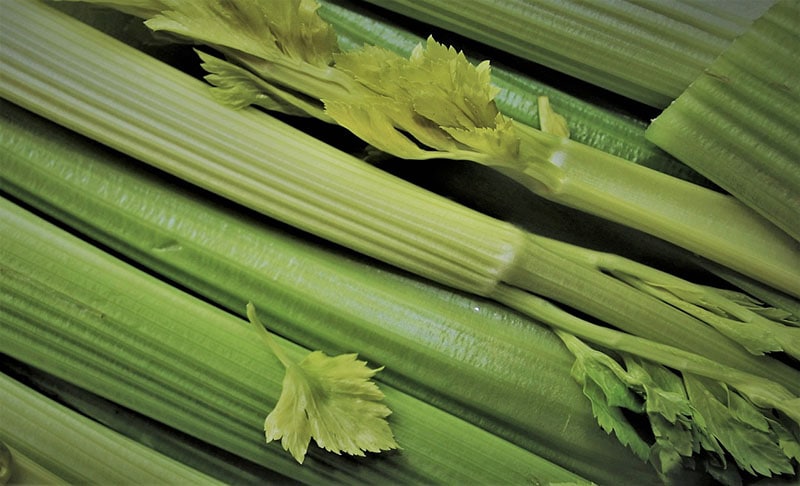
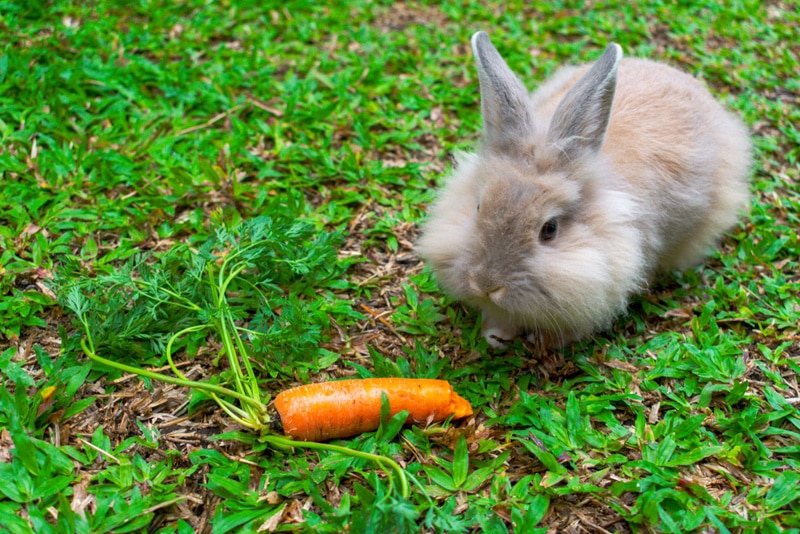
Staying true to the classic rabbit cartoons, rabbits love carrot tops, dandelion greens, celery, and radish and turnip greens. They prefer the leaves and stems of these plants far more than the actual root, so next time you’re chopping your veggies, don’t toss the leaves. Instead, feed them to your hungry bunny.
4. Brassicas
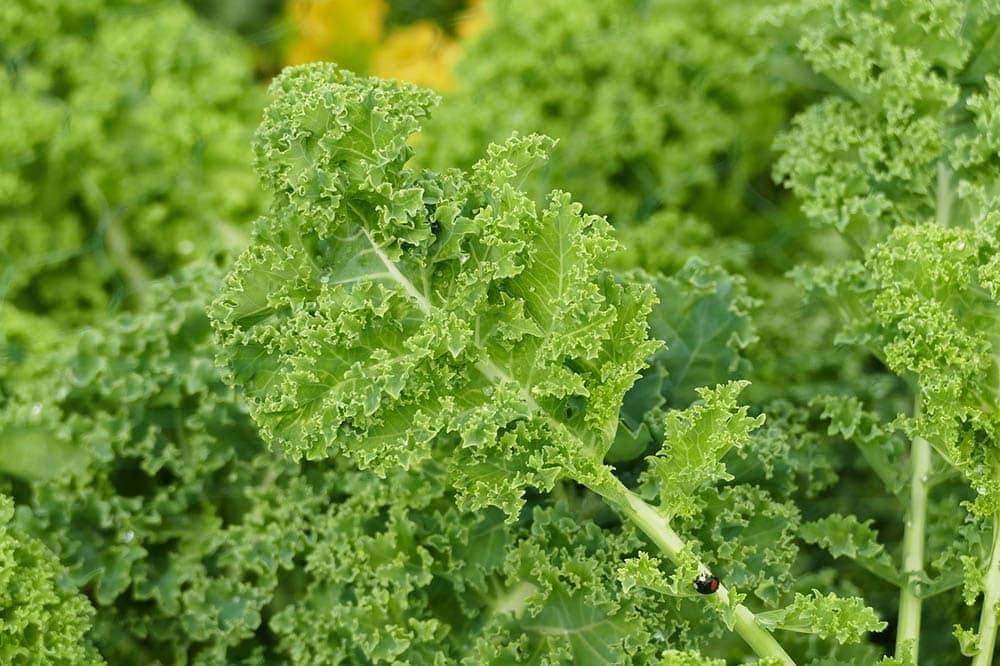
Brassicas are part of the cabbage family. These plants are cool-loving crops, meaning they taste sweet in cold weather and bitter in hot weather. They’re full of vitamins and minerals and offer more crunch than lettuce.
Some rabbit brassica favorites include:
- Kale
- Brussel sprouts
- Broccoli and broccoli greens
- Mustard greens
- Collard greens
- Cabbage
When it comes to brassicas, avoid feeding too much. These plants can contain high amounts of vitamin C, an unnecessary vitamin for rabbits that can cause kidney problems. Brassicas can also cause gas. Rabbits don’t have a GI tract that passes gas well, which can become a serious problem.
5. Squash
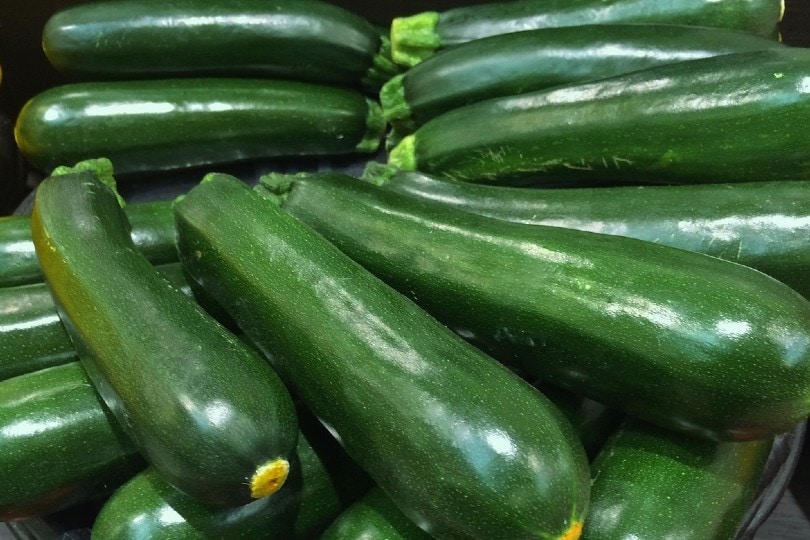
All squash checks out for rabbits. Like other plants, squash is most nutritionally dense when in season. Squashes like zucchini and eggplant are in season during the summer, whereas butternut, acorn, and pumpkin squashes are in season during the fall.
6. Bell Peppers
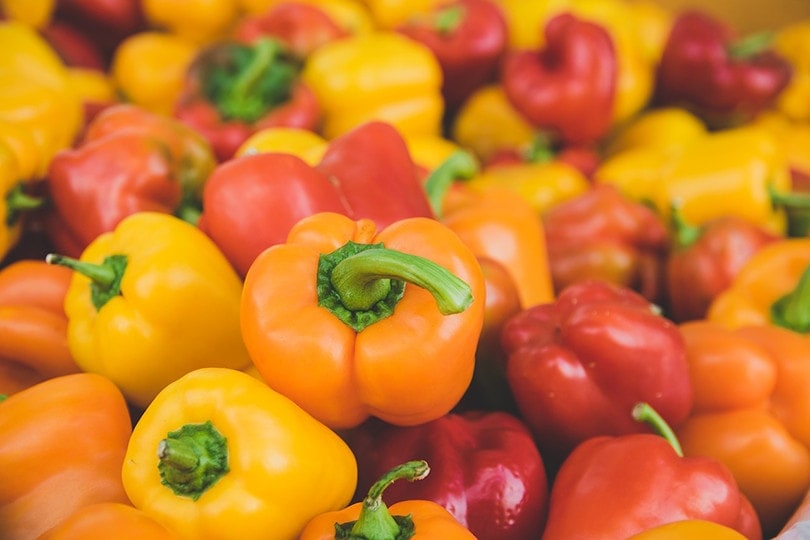
Nothing rings true to summer like juicy, fresh bell pepper, and you can bet that your rabbit will want some. Rabbits love bell peppers of all colors, especially the small, sweet ones.
The best part is that bell peppers are high in vitamins A, B6, and C, with red bell peppers being the most nutritionally dense. Next time you’re at the store, pick up some bell peppers for your rabbit.
Fruits
7. Berries & Cherries
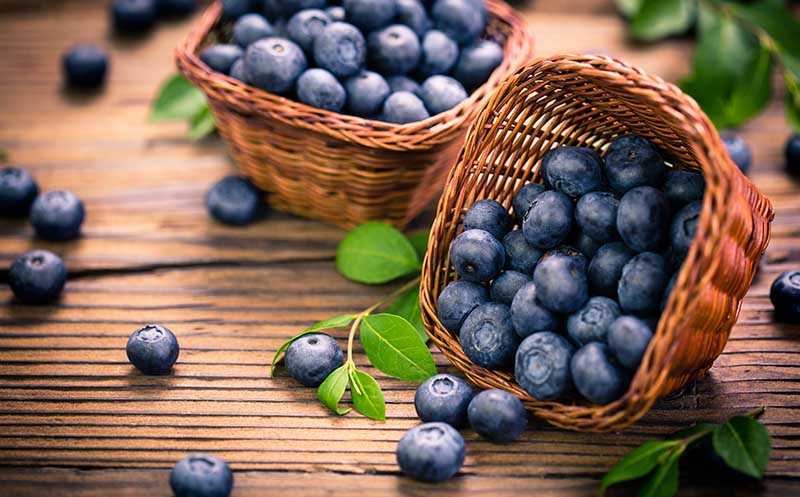
Is there a berry a rabbit doesn’t love? Probably not. Blueberries, raspberries, blackberries, mulberries, strawberries, and even cherries are all great options to feed your rabbit. They’re juicy, sweet, and full of beneficial vitamins and minerals.
As with any treat, don’t overfeed the berries and cherries to your rabbit. Many are high in vitamin C, which can cause kidney damage if consumed excessively.
8. Melon
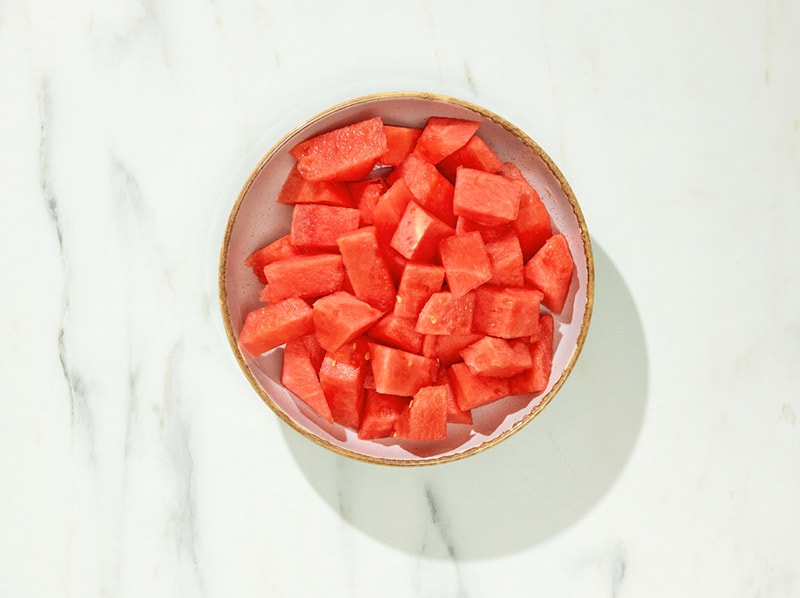
Watermelon and cantaloupe are great sugary treats with a reasonable amount of vitamins A, B, and C. Because they’re so sugary and full of vitamin C, you need to offer these treats sparingly. You can also feed them the rind (although some rabbits don’t care for the rind).
9. Papaya & Pineapple
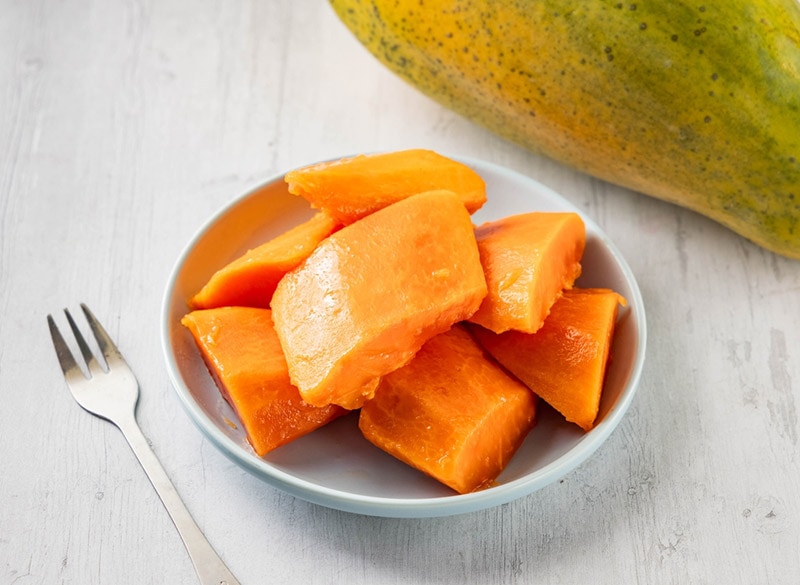
The tropical fruits papaya and pineapple are delicious and high in fiber, making them great for your rabbit's digestion.
10. Apples, Pears, & Peaches
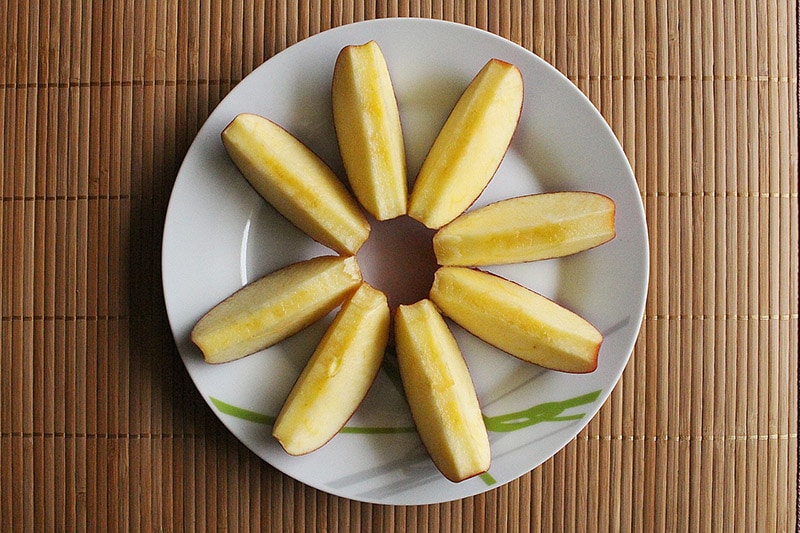
Apples, pears, and peaches are all great sweet-treat options for your rabbit. However, never feed the seeds or pits to your rabbit. The seeds in these fruits contain cyanide, a fast-acting chemical that can kill your rabbit in certain doses.
Cyanide poisoning won’t be a problem if you remove the seeds and pit. Also, offer the fruits in chunks instead of large slices.
11. Bananas & Grapes
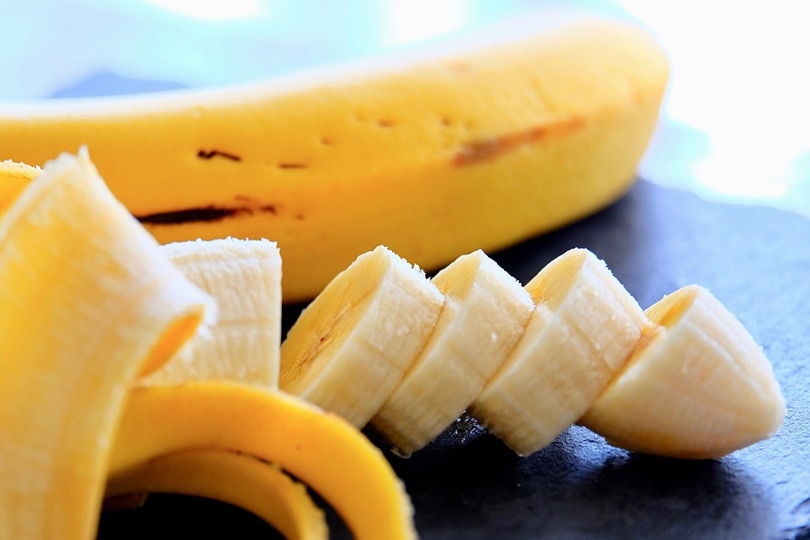
Interestingly, many pets can’t have grapes, but rabbits are the exception. The sugar levels in these fruits are higher than other fruits, more so than those we’ve mentioned, so these treats are only occasional options.
How to Offer Green Foods to Your Rabbit
Let’s cover some dos and don'ts of offering fresh produce to ensure your rabbit stays slim and sleek.
When selecting green foods, you should:
How Much Produce Can I Feed My Rabbit?
Rabbits like fruits and vegetables so much that they can become easily addicted, so ensure you feed only the recommended amount of produce.
Rabbits should be fed a maximum of 1 packed cup of green foods per 2 pounds of body weight daily.
For other fruits and vegetables, feed no more than 1 tablespoon per 2 pounds of body weight daily.
Don’t fret if you accidentally overfeed. Hold off on treats for a while, and your rabbit will be fine.
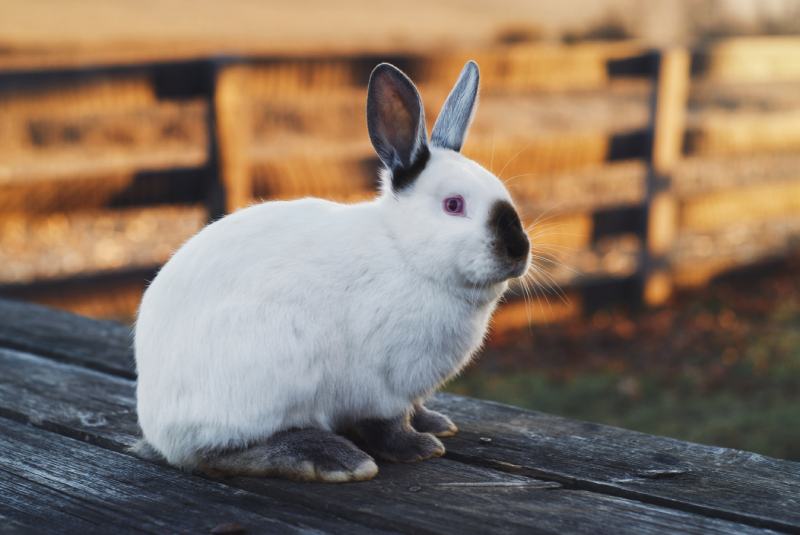
Foods to NEVER Feed Your Rabbit
Rabbits have unique digestive tracts designed to process certain foods and avoid others.
Here are foods you should never feed your rabbit:
Never feed your rabbit something you’re unsure is safe. When in doubt, leave it out!
Can Bunnies Have Treats?
Bunnies require different diets than adult rabbits since their bodies are growing, and they should be fed a strict diet of alfalfa hay and pellets. However, rabbits can start eating other foods once they reach 7 to 8 months old.
The best way to introduce your bunny to new foods is to implement the new foods slowly. Adding some leafy greens mixed with the hay will help your bunny’s digestive tract adjust to the change.

Conclusion
Of all the pets you can have, rabbits are the least picky of them all. They enjoy variety in their diet and absolutely love fruits and vegetables.
As much as we love treating our pets, we must consider their health, so only feed them the recommended amount of fruits and vegetables. The rest of your rabbit’s diet should consist of quality hay.
See Also:
Sources
Featured Image Credit: Arlee.P, Shutterstock
Get Hepper In Your Inbox


Pet care tips from our vets and experts, straight to your inbox.
You may opt-out at any time. View our Privacy Policy for more information.
Cassidy is a vet tech and pet sitter who has more recently become a pet writer. She loves cats and dogs and has had dozens of pets over the years. Her specialty is the human-animal bond.
Cassidy and her husband currently live in Kansas with a German Shepherd named Raven, two cats named Lucy and Streudel, and several backyard chickens.
Join the conversation
Ask a question, share your story, or send private feedback.