Hepper is reader-supported. When you buy via links on our site, we may earn an affiliate commission at no cost to you. Learn more.
Giant Papillon Rabbit: Breed Info, Pictures, Care Guide, Lifespan & Traits
In this article
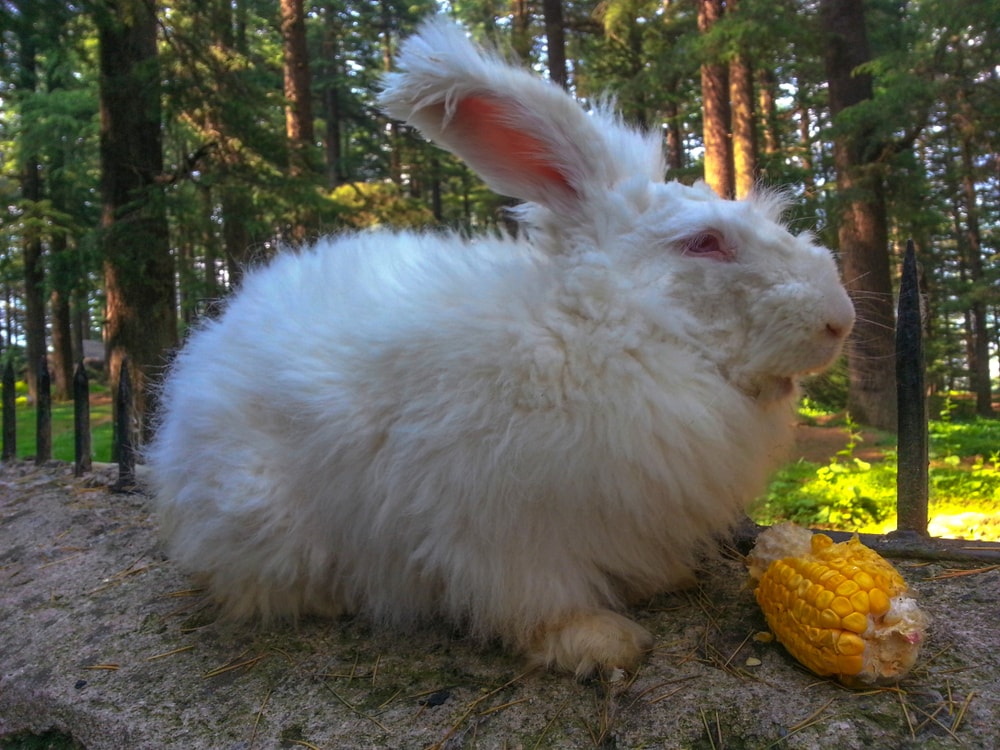
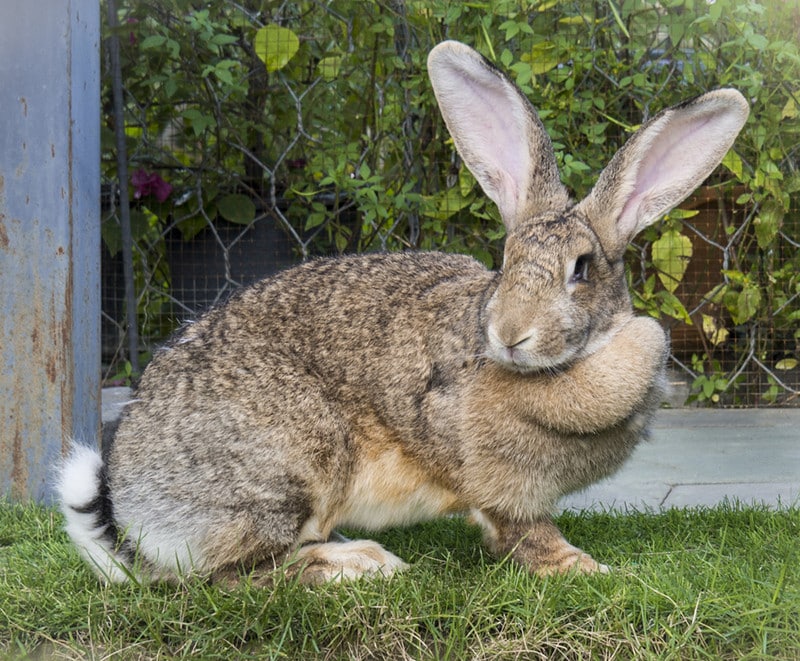
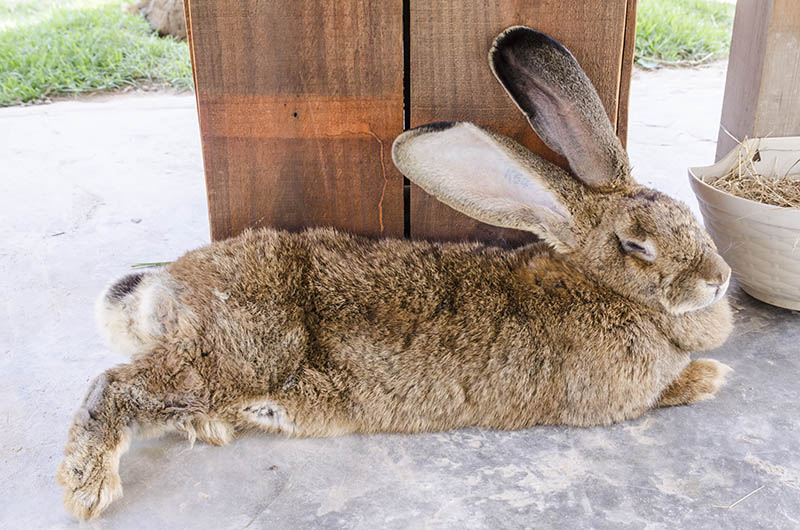
The Giant Papillon rabbit is a cross between a New Zealand White Rabbit and a French Angora Rabbit. These giant beauties are very closely related to the Checkered Rabbit. The Giant Papillon is the perfect breed for someone who is looking for a friendly, active rabbit that doesn’t have to be groomed often. It is best if they are cared for by experienced pet owners.
| Size: | Giant |
| Weight: | 10+ pounds |
| Lifespan: | 4 to 7 years |
| Similar Breeds: | Checkered Giant, Flemish Giant |
| Suitable for: | Experienced rabbit owners, families with older children |
| Temperament: | Friendly, active, curious |
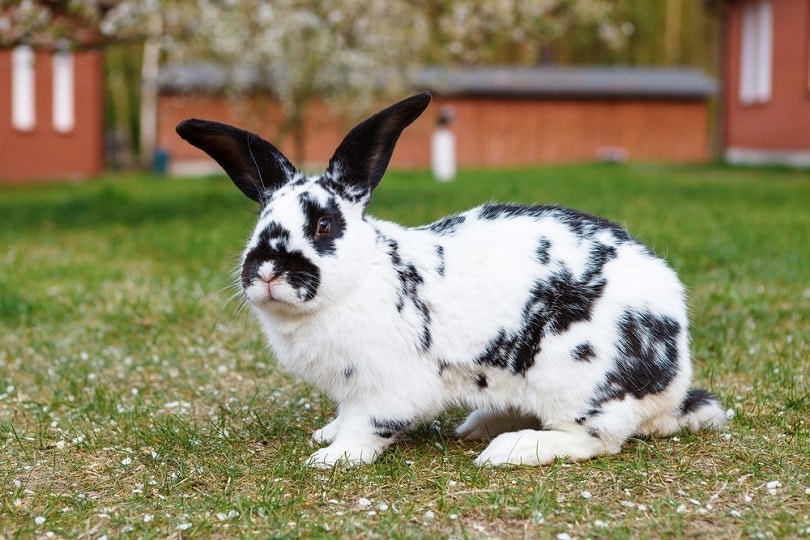
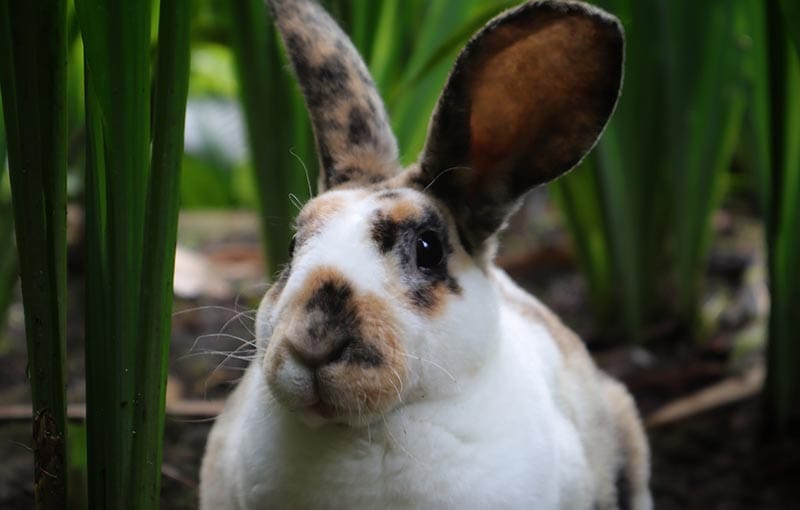
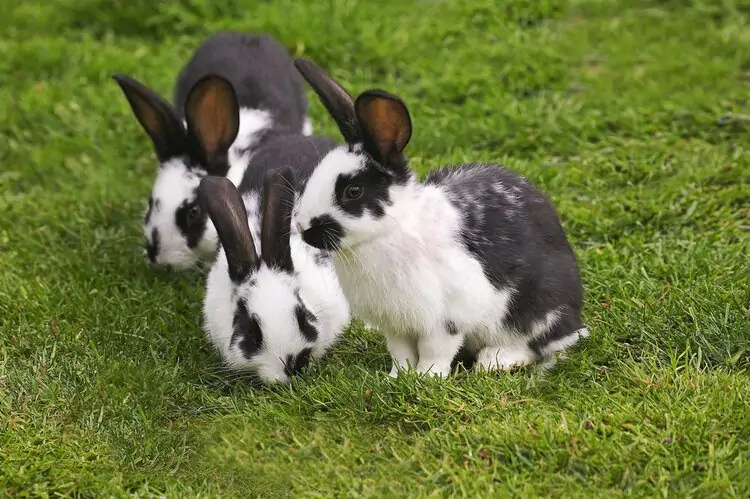
The Giant Papillon Rabbit is also called the Giant French Butterfly Rabbit because of the distinctive butterfly markings that pepper their body. If you are considering giving a giant rabbit like this one a forever home, there are a few things you need to know first. Join us as we tell you everything you need to know about the Giant Papillon breed.
Giant Papillon Breed Characteristics

How Much Do These Rabbits Cost?
As previously mentioned, the Giant Papillon Rabbit is a cross between a New Zealand White Rabbit and a French Angora Rabbit. Unfortunately, the Giant Papillon is a rare rabbit and might be hard for you to get your hands on.
When you find a reputable breeder, you can expect to pay $50 to $100 depending on the breeder, location, availability, and age of the rabbit. However, it's important to note that the initial price you’ll pay isn’t the only cost you’ll incur. You’ll also have to buy supplies, such as food bowls, a water bottle, food, veggies, and a hutch to keep your rabbit in.
All-in-all, you should expect to spend anywhere from $200 to $350 on the initial setup for a Giant Papillon and spend $50 to $75 a month on continued care and upkeep for your new furry pet.
Temperament & Intelligence of the Giant Papillon
The Giant Papillon Rabbit isn’t alone; it is part of a family of giant rabbits. All of the rabbits in this family have quite a few curious traits regarding their temperament. The large bunnies tend to be lazy, relaxed, and have a gentle nature. However, they're known to be quite territorial at times as well.
They will use their teeth and claws if they feel that they are being crowded or don’t want to have company. That’s why this rabbit should go to an experienced rabbit owner.
Do These Rabbits Make Good Pets? 👪
Yes, Giant Papillons make good pets for experienced rabbit owners who have older kids. Having this rabbit around younger children is not recommended as they tend to bite and scratch if they feel threatened or want to be alone.
Because of their size, you need to provide the Giant Papillon with ample room to run and explore. That’s why they aren’t recommended for first-time rabbit owners who have small spaces and aren’t equipped to handle this breed's activity levels and temperament. If you are considering adopting one of these rabbits, make sure you have the time and patience to deal with the big bunny before you make a final decision.
Does This Rabbit Get Along with Other Pets?
The Giant Papillon Rabbit can get along with other pets if they are socialized and trained to do so from an early age. However, with the rabbit’s energy and large size, an adult Giant Papillon may have problems getting along with dogs and cats. Some breeds of canine were trained to hunt rabbits, and if training and socializing your pets is unsuccessful, one of them could attack your Giant Papillon. Generally, a Giant Papillon will be more content if they have another rabbit to keep them company rather than a dog or cat.

Things to Know When Owning a Giant Papillon:
Now that you know the temperament and how much you can expect to pay for this large rabbit, you’ll need to know how to care for them once you get home. In the sections below, we’ll give you everything you need to know about caring for the Giant Papillon.
Food & Diet Requirements 🥕
You’ll want to ensure that your giant rabbit has all their nutrition needs met to keep them healthy and happy. A diet for a Giant Papillon usually consists of the following:
The rabbit’s diet should consist primarily of hay, with pellets and leafy greens throughout. The hay is for the rabbit’s continued good digestion and helps promote dental health. The pellets should be given in moderation to prevent your rabbit from becoming obese, and the fresh veggies keep your furry friend hydrated and provide nutrients essential for good health. When giving your rabbit leafy veggies, it’s important to ensure they are safe for your furry friend.
Some of the safest and healthiest options include kale, collard greens, romaine lettuce, turnips, and carrots, which are root veggies. Veggies that are high in sugar and starch should not be given to your furry pal. These include corn and peas because they can cause your rabbit to have problems with their digestive system.
Always keep fresh water in your rabbit’s hutch, and make sure that you clean the bottle regularly to prevent germs and bacteria from forming.
Hutch and Enclosure Requirements 🏠
Whether you have a giant rabbit or a small rabbit, the hutch and enclosure your rabbit lives in should be clean, safe, and secure from predators. Giant Papillon Rabbits grow to be quite large, so you’ll need a hutch and exercise run that’s big enough for the rabbit to be comfortable and move around easily.
The hutch should be 6 feet long and 2 feet wide to accommodate your large friend. The hutch needs to be ventilated well and protected from predators trying to break into the hutch to eat your rabbit, direct sunlight, and extreme weather.
Once you have the hutch in place, you’ll need an outdoor exercise area called a run. It will need to be spacious so that your Giant Papillon Rabbit can run freely and get the exercise they need. You should include hiding spots, logs, tunnels, chew toys, and other toys to keep your rabbit mentally and physically active.
Keeping your rabbit physically and mentally stimulated will prevent them from becoming bored. A bored rabbit can become destructive and might gain weight to the point of obesity. If you can’t build a run for your rabbit, make sure to have a large, enclosed area where they can exercise daily.
Exercise & Sleeping Needs 🐇
Papillon Rabbits are large and will need plenty of exercise during the day. Lack of exercise can cause health issues with your rabbit, and they will quickly become bored. While it’s recommended that you keep a Giant Papillon Rabbit outdoors, if you don’t have the space, you need to create a safe, secure indoor area for your rabbit to roam freely and exercise in. Make sure to fill the area with toys and tunnels to keep your rabbit mentally and physically occupied.
It’s also essential that your Giant Papillon has a secure sleeping area that is comfortable, spacious, and quiet. Provide a soft, cozy nesting box within the rabbit’s hutch where it can go when they need to relax or sleep. A rabbit needs to get sleep at least 8 hours to keep it from becoming anxious and fearful, which could affect your rabbit’s overall health.
Training 🥎
The Giant Papillon is an intelligent rabbit that can be taught simple tricks. Teaching the rabbit to use a litter box is possible but will require time and patience. Make sure you use positive reinforcement to train the rabbit, and never yell at or hit your bunny; that will make them scared of you and unwilling to learn anything.
Keeping training sessions brief and rewarding your rabbit with treats and praise for good behavior is essential. You’ll have to be consistent in your training if you want results. For example, you can’t train your rabbit one day, then not train them again for a month, and expect the rabbit to pick up where you left off. Consistency and patience are critical if you want your rabbit to do what you ask. You can train your rabbit to come when you call them and even use the litter box if you do it correctly.
Grooming ✂
Grooming is essential to keep your pet’s fur and overall health in good condition. Brush your rabbit at least once a week to remove dead fur and prevent your rabbit from developing hairballs. Shedding occurs at certain times of the year. You might need to brush your rabbit more often during the spring and summer.
You should also regularly clean and check your pet’s ears, cut their nails, and keep a close eye on their dental health since their teeth can easily become overgrown, which will affect their ability and desire to eat. Not only does grooming your Giant Papillon Rabbit weekly keep the rabbit healthy and happy, but it’s also the perfect time for you to spend time and bond with your furry friend.
Lifespan and Health Conditions 🏥
You can expect your Giant Papillon Rabbit to live 4 to 7 years, maybe longer, if they are cared for properly and you follow the tips above for keeping your rabbit healthy and fit. However, they are vulnerable to a few health conditions that you need to be on the lookout for.
It’s best to have your rabbit regularly checked out by your vet once a year so that any health issues can be caught early and treated before they become any worse.
Male vs. Female
There are no major differences between the males and females of the Giant Papillon Rabbit breed. They are about the same in appearance and temperament and are both intelligent, docile, and sociable. The male is a bit bigger than the female, and the female is more territorial.
Males can also be aggressive when it is their mating season. Other than that, there aren’t that many differences between the two sexes to speak of. The male or the female rabbit will make a great pet for a family, especially one with older children.
3 Little-Known Facts About the Giant Papillon Rabbit
Now that you know everything we know about the Giant Papillon Rabbit breed, we’ll give you a few little-known facts about them.
1. The Giant Papillon Are Known as Checkered Rabbits in Some Regions
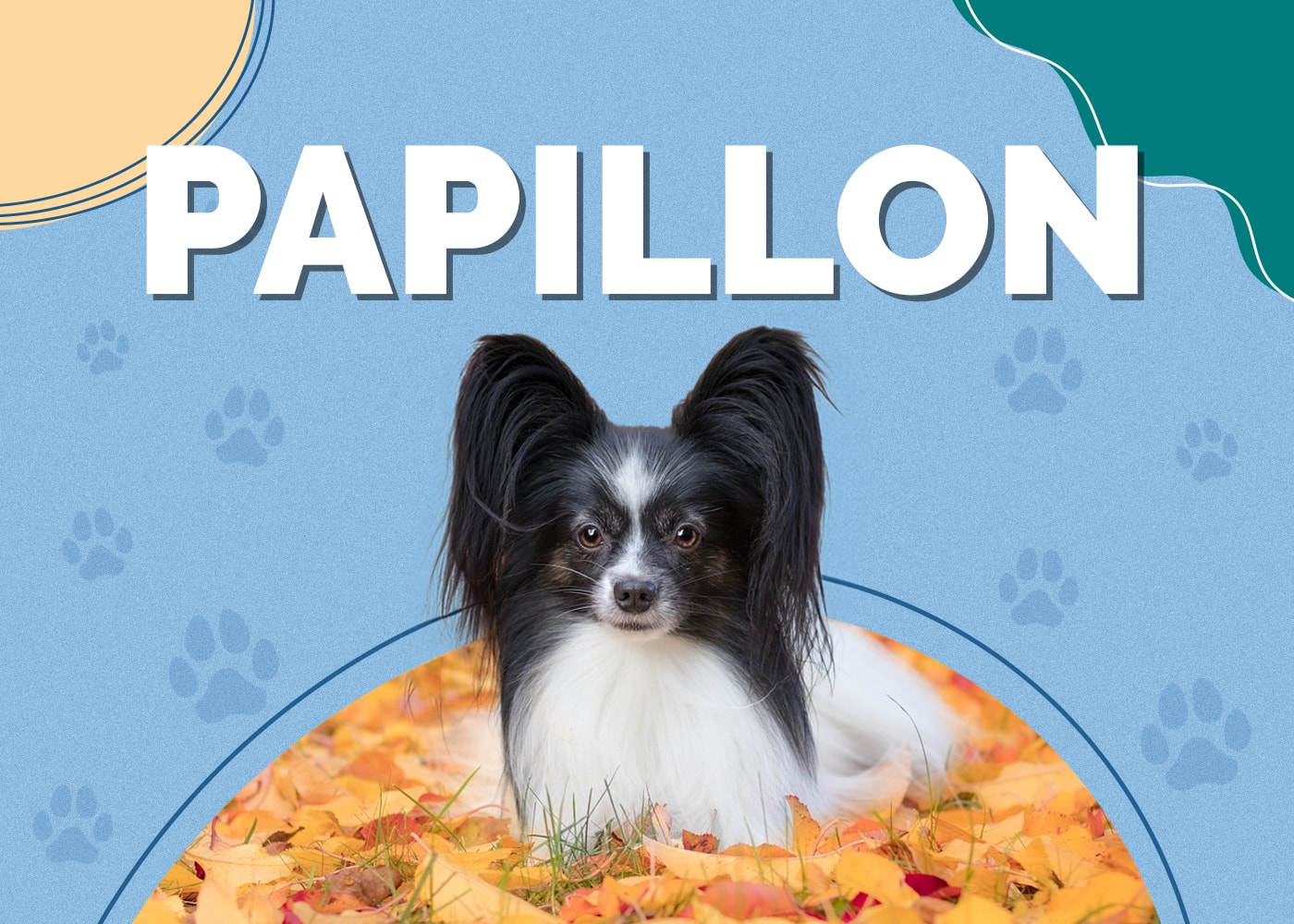
Due to their size, they are, of course, considered to be part of the giant rabbit family. However, in some regions, the Giant Papillon is known as the Checkered Rabbit because they resemble the Papillon dog breed.
2. The Giant Papillon Was Bred for Meat Production
Unsurprisingly, the Giant Papillon Rabbit was initially bred for meat production since they are so large. Today, however, they’re bred to be pets for loving families.
3. The Giant Papillon Comes in a Variety of Colors
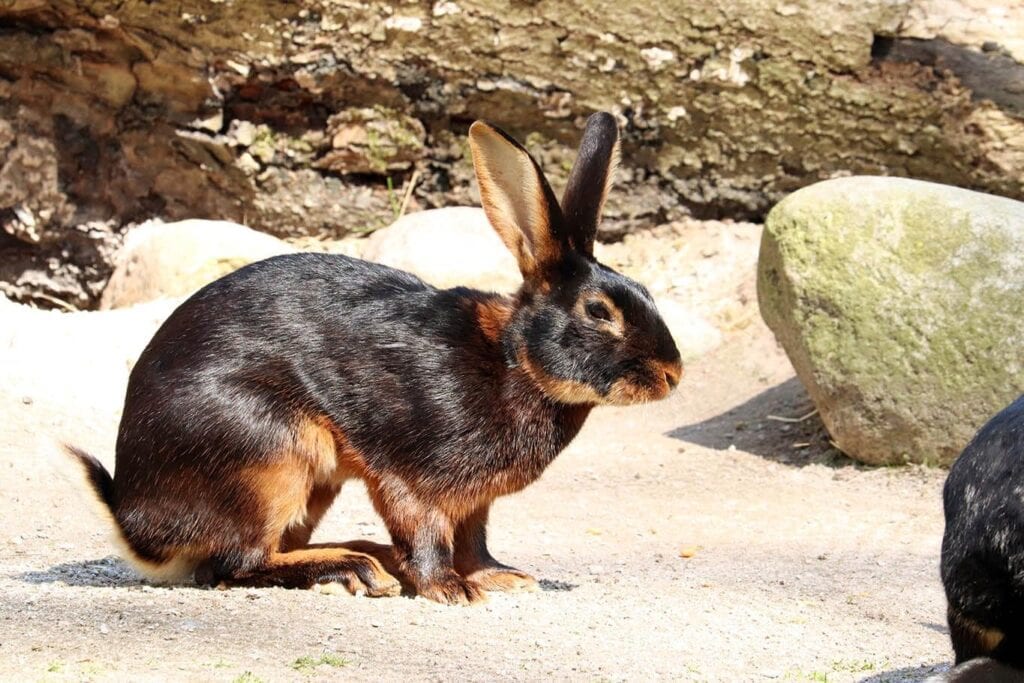
The Giant Papillon is available in several colors. If you’re looking to adopt one of these gentle giants, you can choose from chocolate, gray, tricolor, blue, black, tortoiseshell, and white, to name a few. Of course, they’re rare, so you’ll probably have to take the color you get if you want one of these adorable, furry creatures.
Conclusion
Giant Papillons make excellent pets, but they’re suited for experienced owners rather than beginners. Because of their size, it is best for older children to play with them. It would be easy for a small child to drop and injure your pet, and the rabbit could bite and scratch if they feel threatened.
This rare rabbit is often compared to and called the Checkered Giant Rabbit in some areas of the world. If you’re lucky enough to give one of these rabbits a forever home, keep their environment clean and maintain regular veterinary appointments. When cared for properly, they should live for quite a few years as a loyal, loving companion to you and your family.
Featured Image Credit: slowmotiongli, Shutterstock
Get Hepper In Your Inbox


Pet care tips from our vets and experts, straight to your inbox.
You may opt-out at any time. View our Privacy Policy for more information.

Patricia is a pet and coffee writer and a published author under the pen name Skylar McKinzie. When she isn’t writing, Patricia enjoys spending time with her two cats and dog. Since she was a young child, she has been a pet lover and enjoys nothing more than cuddling with her pets, Mystery, and her two cats, Binx and Link. Mystery has been with her family since the day she was born, as has Link. Binx was found under the house as a kitten, taken inside, and has been a part of the family ever since. Patricia loves sharing her knowledge of animals and finds joy in helping out at the local rescue shelter whenever she can.
Join the conversation
Ask a question, share your story, or send private feedback.