Hepper is reader-supported. When you buy via links on our site, we may earn an affiliate commission at no cost to you. Learn more.
How to Keep Rabbit Teeth Short: 7 Vet-Approved Tips & Tricks


In this article
Are you a proud rabbit parent, always seeking ways to keep your furry friend healthy and happy? While providing a healthy diet, a clean space, and good hygiene are important, one crucial aspect of rabbit care is maintaining their dental health.
Have you ever wondered how to keep your rabbit's teeth short? Well, you're in luck! In this article, we will explore the fascinating world of rabbit teeth and provide you with seven easy steps to ensure your bunny's pearly whites stay short and in top shape!

Rabbit Teeth Explained
Before we dive into the steps, let's take a moment to understand the uniqueness of rabbit teeth. Rabbits are herbivores, and their teeth have evolved to handle a diet consisting mainly of fibrous vegetation.
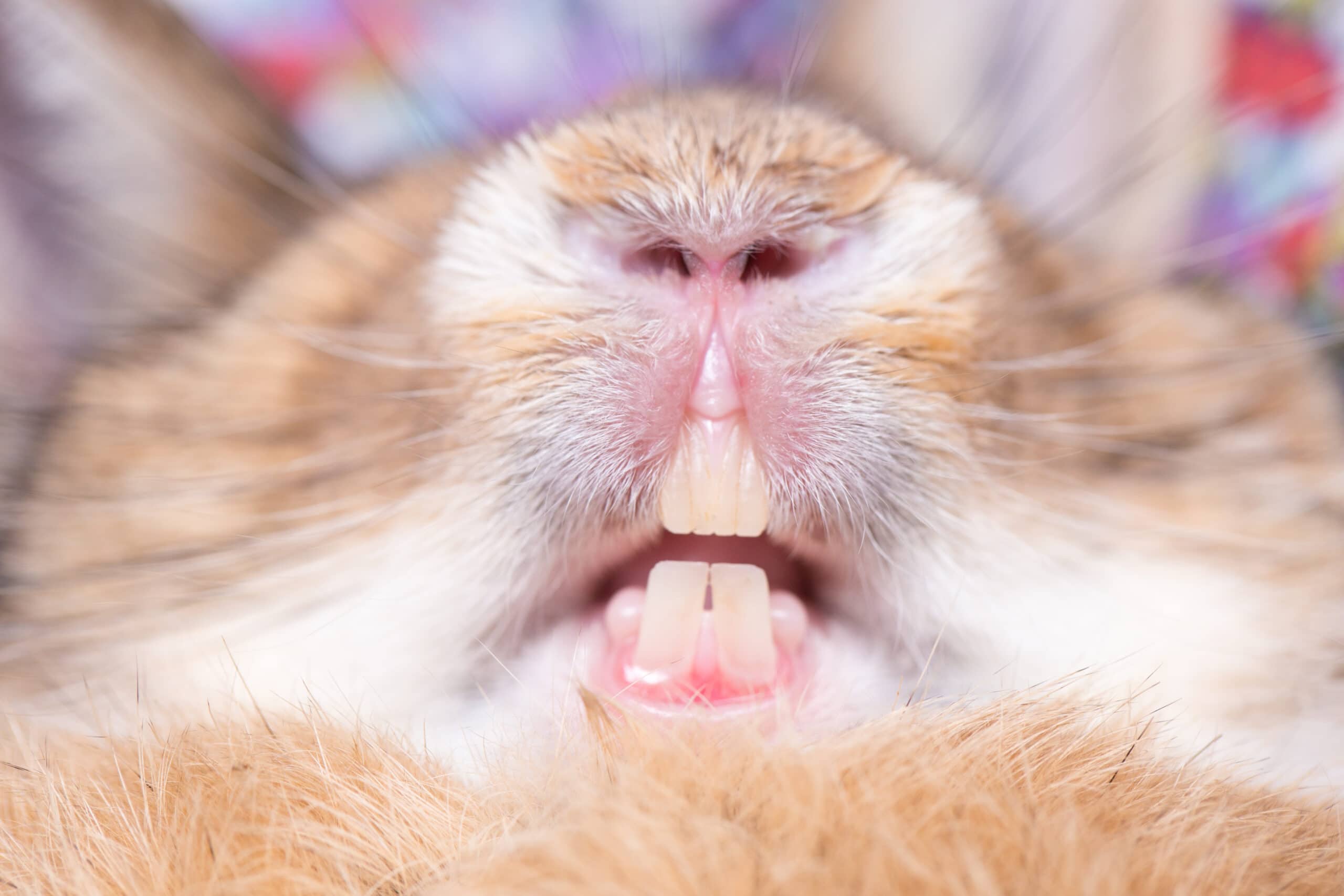
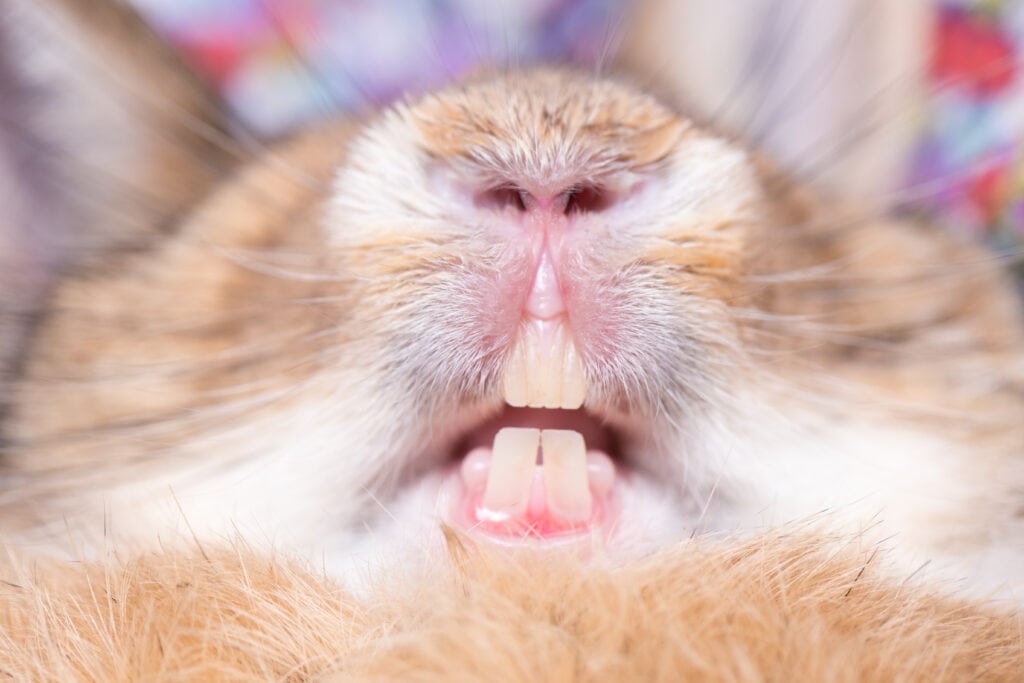
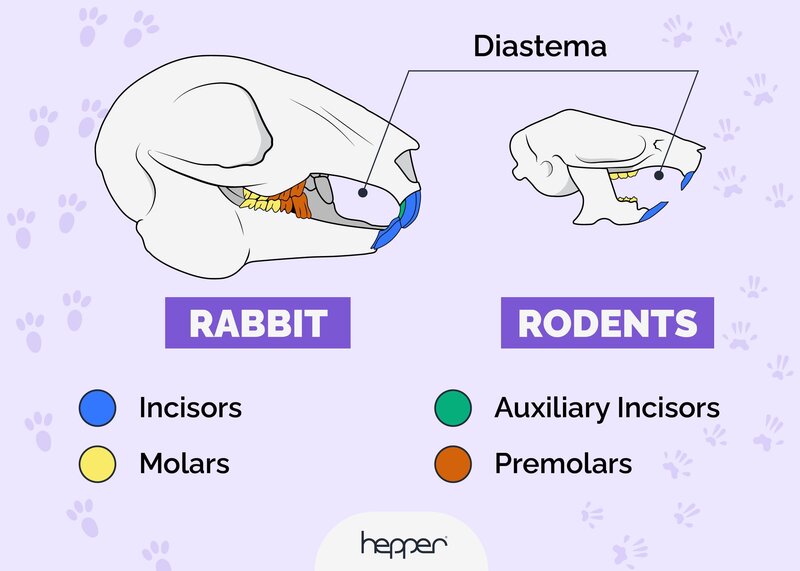
Unlike humans, rabbits have continuously growing teeth. They possess four large incisors at the front of their mouths, followed by smaller incisors, premolars and molars. These teeth have an open-rooted design, allowing them to grow throughout the rabbit's life.
Do Rabbit Teeth Grow Long?
Yes, rabbit teeth can grow long if not properly cared for. Due to their continuous growth, rabbit teeth require regular maintenance to prevent overgrowth.
In the wild, rabbits naturally wear down their teeth through constant chewing on tough fibrous plants. However, domesticated rabbits may not have the same opportunities for natural wear, making dental care an essential part of their well-being.
Why Should You Keep Your Rabbit’s Teeth Short?
Maintaining proper dental health in rabbits is crucial for several reasons. Overgrown teeth can cause a variety of problems, including pain, difficulty eating, and malnutrition.
If a rabbit's teeth become too long, it can result in dental and oral issues such as oral sores, abscesses, or even damage to the jawbone. Additionally, untreated dental issues may lead to other health complications such as difficulty grooming, negatively impacting your bunny's overall quality of life. By keeping your rabbit's teeth short, you help ensure their comfort, well-being, and longevity.

The 7 Easy Tips for Keeping Rabbit Teeth Short
Now that you understand the importance of properly maintaining your rabbit’s teeth, let's explore 7 easy steps to help keep your rabbit's teeth short and healthy!
1. Provide Sufficient Hay
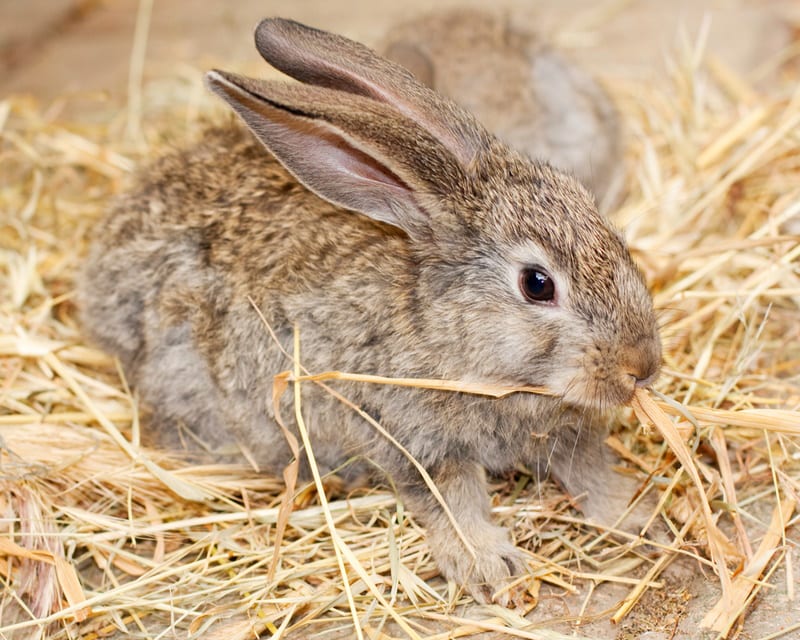
As herbivores, hay is a staple in a rabbit's diet (85%) and serves as a vital tool in maintaining proper dental health. The fibrous texture of hay requires extensive chewing, which helps wear down the teeth.
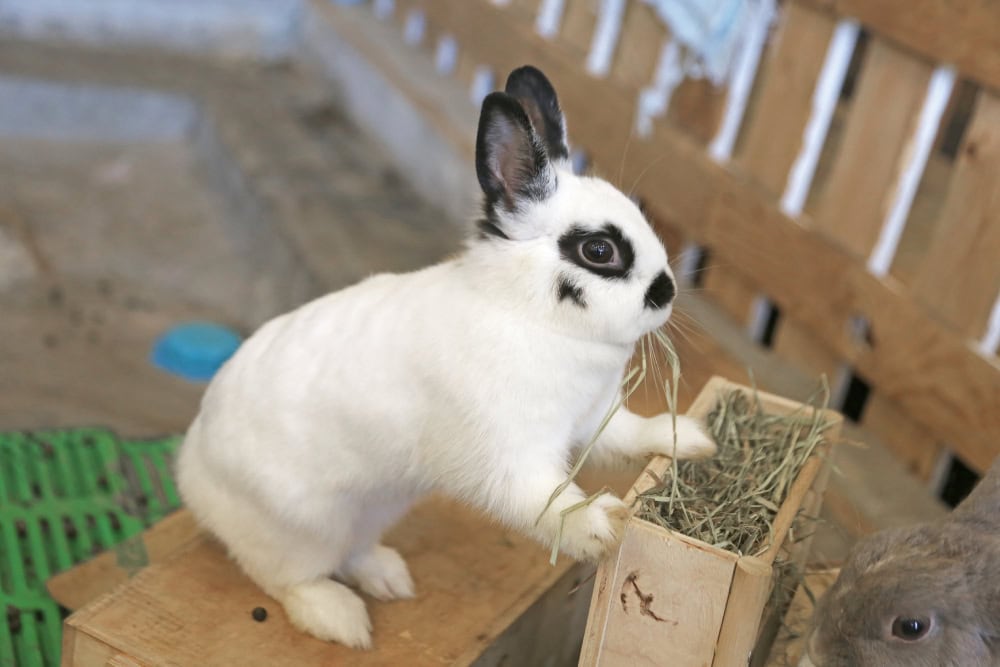
Ensure your rabbit has access to high-quality hay, such as timothy, orchard grass, or oat hay. Place hay in their living space and consider using hay racks or hay balls to make it easily accessible. Remember, rabbits can munch on hay, and it can be easy to overlook how quickly they can run out. Be sure to replenish the hay regularly to encourage consistent chewing!
2. Provide Chew Toys
Rabbits have a natural instinct to chew, which is beneficial for their dental health. Provide your bunny with a variety of safe chew toys to satisfy their chewing needs. Wooden toys, untreated wicker baskets, apple or pear tree twigs, and cardboard tubes make excellent choices.
Ensure the toys are free of any coatings or dyes that could be harmful to your rabbit. By providing appropriate chew toys, you offer an alternative to destructive chewing while promoting dental wear.
3. Regular Dental Check Ups
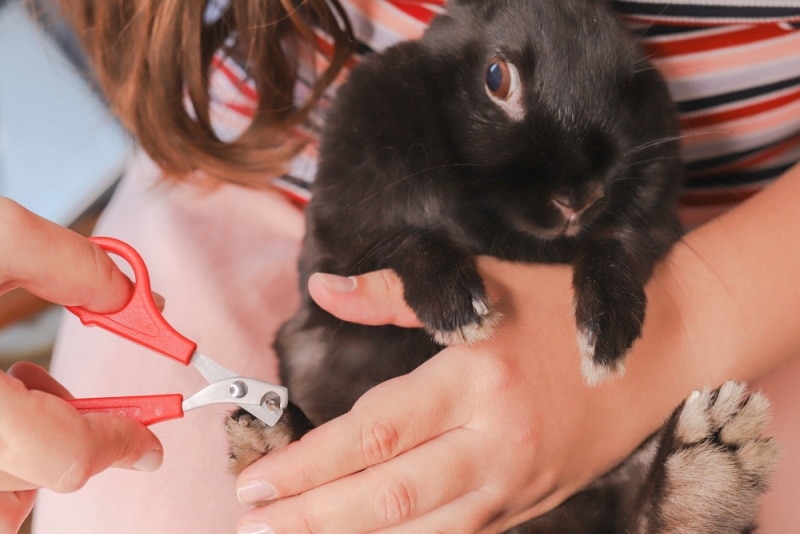
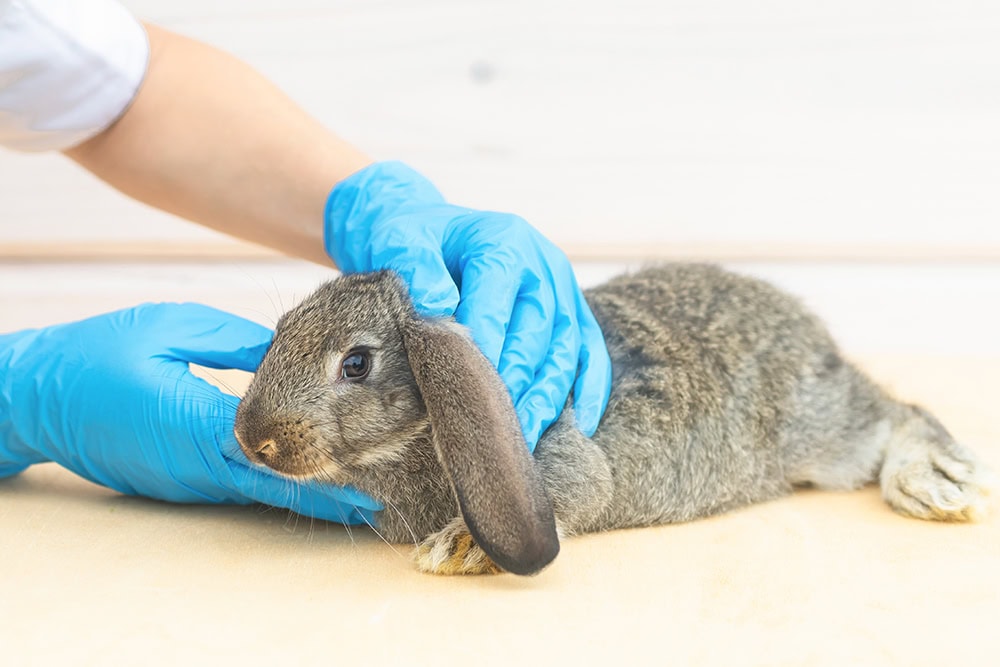
Just like humans, rabbits benefit from regular dental check-ups. Schedule routine examinations with a veterinarian experienced in rabbit care. These professionals can assess your rabbit's dental health, identify any potential issues, and perform necessary tooth trimmings if required.
Regular check-ups ensure early detection and prevention of severe dental complications, giving your rabbit the best chance at maintaining optimal oral health.
4. Maintain a Healthy and Balanced Diet
A well-balanced diet is key to overall health, including dental well-being. Provide your rabbit with a diet consisting of hay, high-quality pellets, fresh vegetables, and a limited amount of fruit.
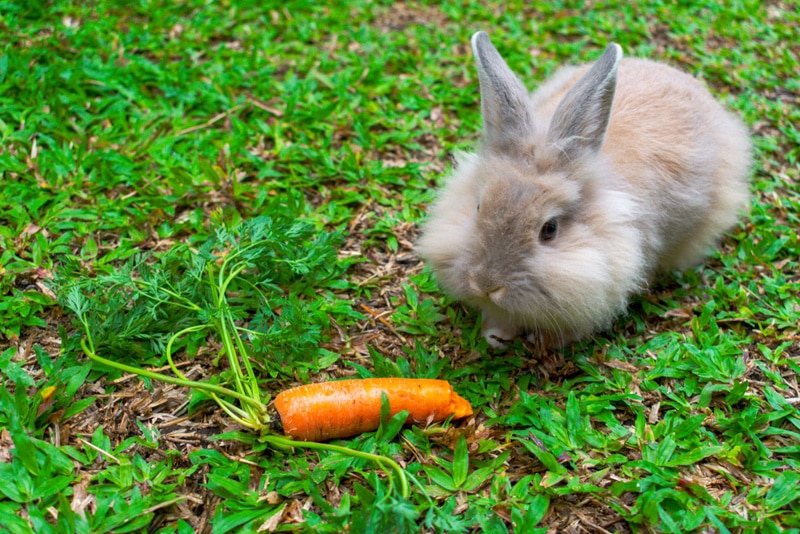
Pellets should be specifically formulated for rabbits and contain the necessary nutrients. Fresh vegetables, such as leafy greens, provide additional chewing opportunities while offering essential vitamins and minerals. To prevent any digestive issues, be sure to introduce new foods gradually while also observing for any negative signs.
5. Limit Treats
Who can resist spoiling their adorable bunny with treats? However, it's crucial to limit sugary or starchy treats as they can contribute to dental problems.
Instead, opt for healthier alternatives like small pieces of fresh vegetables or aromatic herbs, which offer both nutritional value and an enjoyable chewing experience. Treats should make up only a small portion of your rabbit's overall diet to prevent dental issues and maintain a healthy weight.
6. Monitor Dental Health
As a vigilant and responsible rabbit owner, it's essential to monitor your pet's dental health regularly. Keep an eye out for signs of dental problems, including reduced appetite, drooling, difficulty eating, weight loss, or excessively long front teeth.
If you notice any of these signs or abnormalities, consult your veterinarian promptly. Early intervention can prevent further complications and help maintain your rabbit's dental well-being.
7. Environmental Enrichment
Creating an enriching environment for your rabbit offers more than just mental stimulation—it also promotes dental health.
Provide plenty of opportunities for exploration, exercise, and playtime. Include tunnels, hiding spots, toys, and interactive games to keep your bunny active and engaged. An active rabbit engages in more chewing and gnawing, naturally aiding in dental wear!

When Should I Call a Vet?
While implementing the above steps should help keep your rabbit's teeth short and in good shape, certain situations require immediate veterinary attention. If you notice signs of dental issues, such as protruding teeth, reduced appetite, small droppings, lumpy jaw, loose teeth, watery eyes, or significant weight loss, contact a veterinarian experienced in rabbit care right away. Professional intervention may be necessary to address underlying dental problems and ensure your rabbit receives appropriate treatment.
Final Thoughts
Taking care of your rabbit's dental health is essential for their overall well-being. By following these seven easy steps, you can help keep your rabbit's teeth short and prevent potential dental complications.
Rabbits are herbivores who love to explore, and chewing is one way to stimulate them and maintain their dental health. By providing them with opportunities to do so, you will ensure your bunny enjoys a healthy and happy life with a dazzling smile!
Sources
Featured Image Credit: Roselynne, Shutterstock
Get Hepper In Your Inbox


Pet care tips from our vets and experts, straight to your inbox.
You may opt-out at any time. View our Privacy Policy for more information.
Nicole is a lover of animals of all sizes but is especially fascinated with the feline variety. She’s the proud mom of Baby, a Burmese, and works every day so he can relax in the sunshine or by the fire. She’s always had a cat in her home and has spent countless days with others, observing behaviors and softening up even the grouchiest of the lot. Nicole wants to share her kitty expertise with you so you and your cat can live happy, healthy, and care-free.
Join the conversation
Ask a question, share your story, or send private feedback.