Hepper blog

Search our database of over 9,984 posts with up-to-date information from our experts and veterinarians.

Hepper is reader-supported. When you buy via links on our site, we may earn an affiliate commission at no cost to you. Learn more.

Why is My Goldfish Losing Scales? Reasons, Factors, & FAQ
By Lindsey Stanton
Share
Ask us a question in the comments
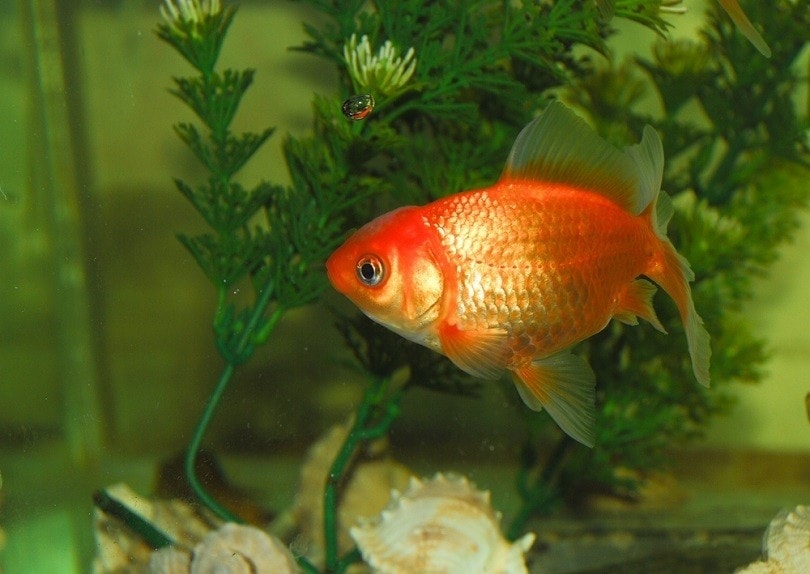
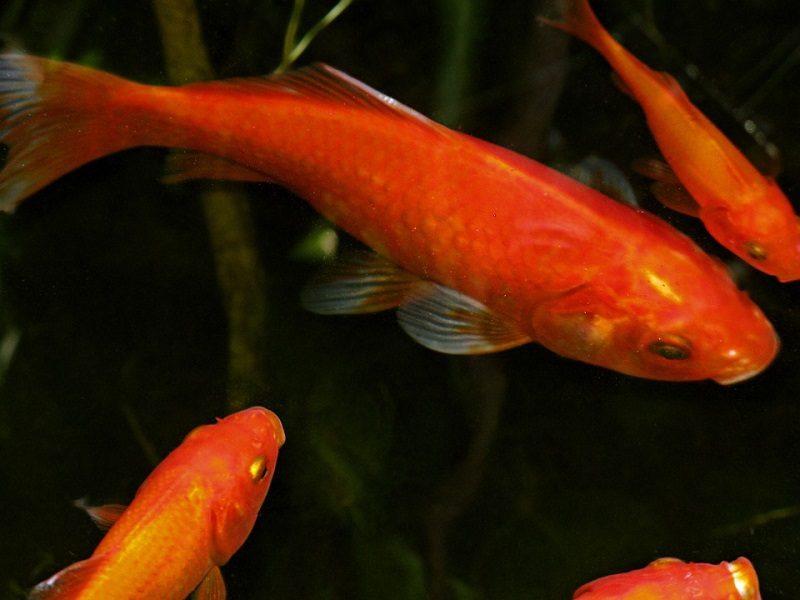
goldfish-pixabay

Have you noticed that your goldfish seems to have lost some of its scales? Goldfish do not shed or molt their scales under normal circumstances, so a goldfish losing scales is cause for further investigation. While goldfish are exceptionally hardy fish, they are still susceptible to the effects of poor water quality and disease, both of which can be caused by multiple things. If you’ve noticed that your goldfish appears to have lost some scales, read on for more information!

How can I tell if my goldfish is losing scales?
Brooke B_PGF_Why is My Goldfish Losing Scales - Copy
Image By: Brooke Billingsley

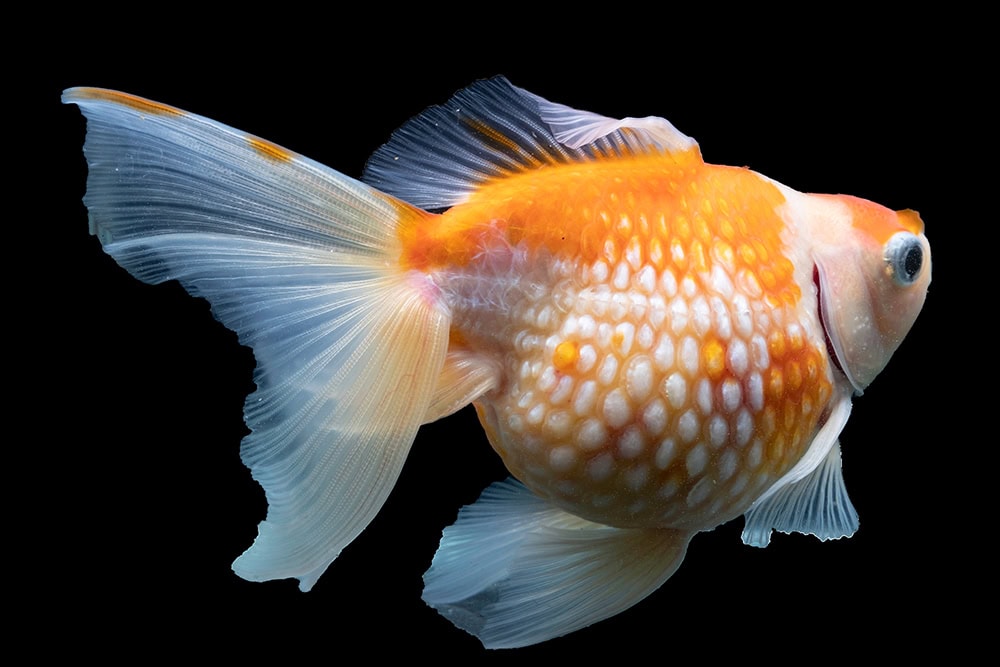
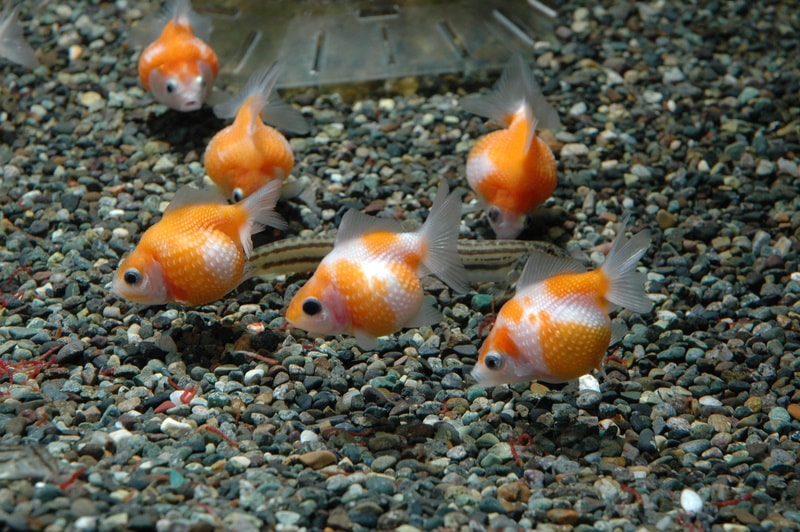
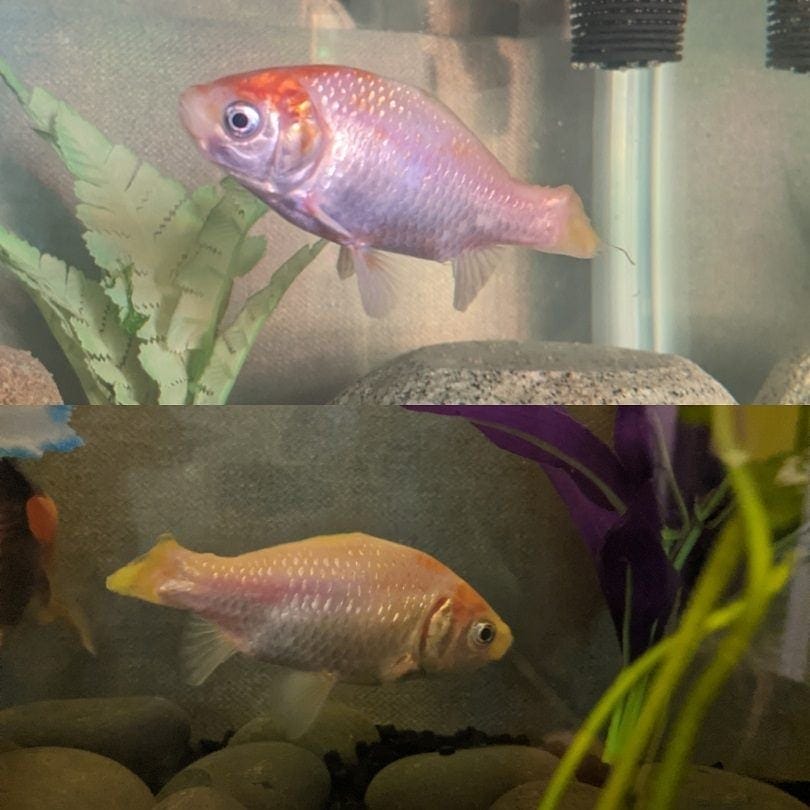
Sometimes it’s obvious when you look at your goldfish and they have scales missing, especially if you have a goldfish like a Pearlscale or another ornate variety of goldfish. If you have a particularly active goldfish, it can be more difficult to spot missing scales. It's easiest to spot missing scales in good lighting, so having a tank light or good natural or room lighting will help. Watch your fish as it swims and keep an eye out for the normal shimmer of their scales under lighting.

If you notice dull spots, these may be areas where your fish is missing scales. Goldfish can be missing one or many scales and they may be missing them in one area or multiple areas, so do your best to give your fish a good check. It is not advised to handle the fish to check for missing scales, though, as this can cause unnecessary stress.

aquarium plant divider

What causes scale loss in goldfish?

Physical Damage from Environment

  • Goldfish are susceptible to injury within their environment if there is sharp décor or substrate in the tank. This is especially prevalent in ornamental goldfish or goldfish during the breeding season when males may aggressively pursue females.
  • Solution: Remove all sharp objects that goldfish may scrape against while swimming and ensure the tank has adequate, uninterrupted swimming space. It’s also wise to provide safe spaces, like smooth hides and plants, for females to escape from males during the breeding season.

Physical Damage from Tankmates

  • Goldfish can lose scales due to bullying or nipping from other fish. There have been reports of Plecostomus sucking the slime coat from goldfish, damaging or removing scales in the process
  • Solution: Remove all aggressive fish from the tank and keep them alone or with fish they get along with. Sometimes they will only need short-term separation, but this also may need to be a permanent change. If you notice any aggressive behavior from a Plecostomus toward your goldfish, it’s best to permanently separate the fish.
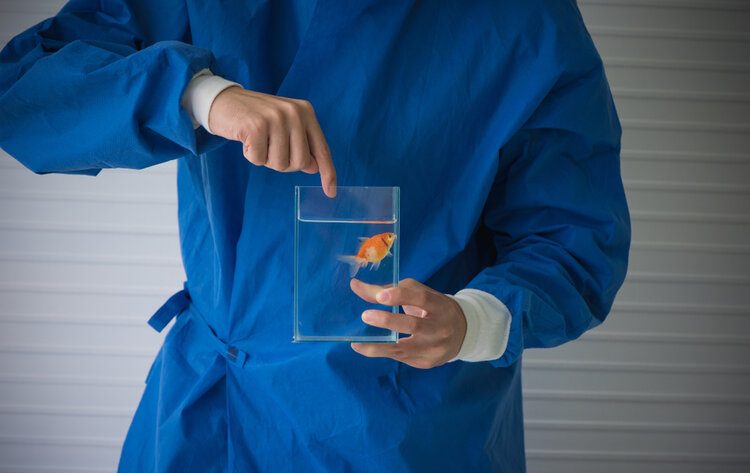
goldfish-pixabay2
Image Credit: LoggaWiggler, Pixabay

Flashing

  • Flashing can be caused by various bacterial, fungal, and parasitic infections. Flashing is a behavior seen in fish who are itchy and involves them swimming quickly and often erratically as well as scraping against or bumping into items within the tank.
  • Solution: Identifying the cause of the flashing is necessary. Fish with ich or anchor worms may require treatments for parasites and fish with fuzzy fungal spots may require antifungal treatments. Seachem ParaGuard can treat parasites as well as bacterial and fungal infections. If you are unsure, consulting with a fish veterinarian will help you determine the best course of treatment.

Dropsy

  • Dropsy can be caused by internal dysfunction as well as poor water quality. It involves small fluid-filled pockets forming underneath the fish’s scales, causing the scales to lift and the fish to take on a “pinecone” appearance. The raised scales are easily injured and may fall off or be knocked off, even without rough behavior.
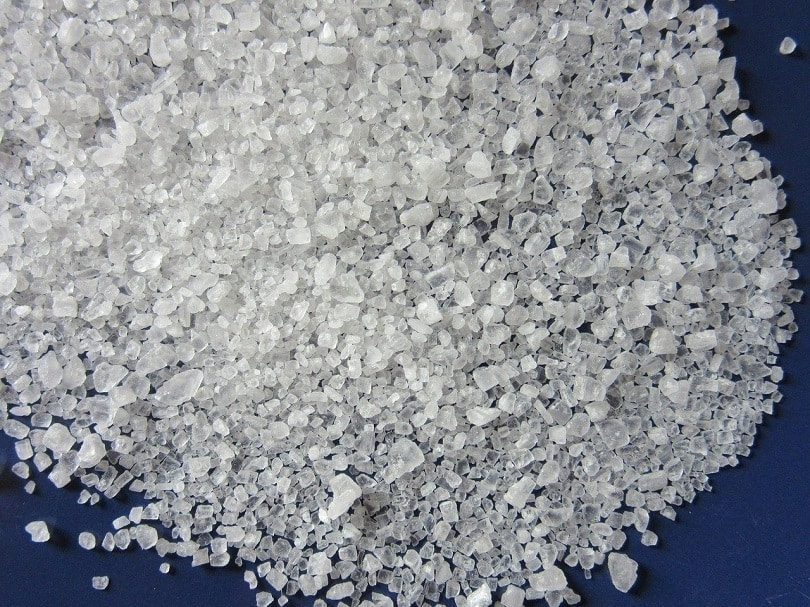
  • Solution: Place the fish into a hospital tank with aquarium salt or unscented Epsom salt, as well as treating it with antibacterial treatments like API Melafix. Follow all directions on the antibiotic package and ensure you are using an appropriate dose of salt. Do not use table salt! Monitor the water parameters throughout the treatment to ensure poor water quality is not slowing the course of care. Dropsy can be caused by kidney dysfunction or failure, in which case it may require the intervention of a veterinarian to treat.
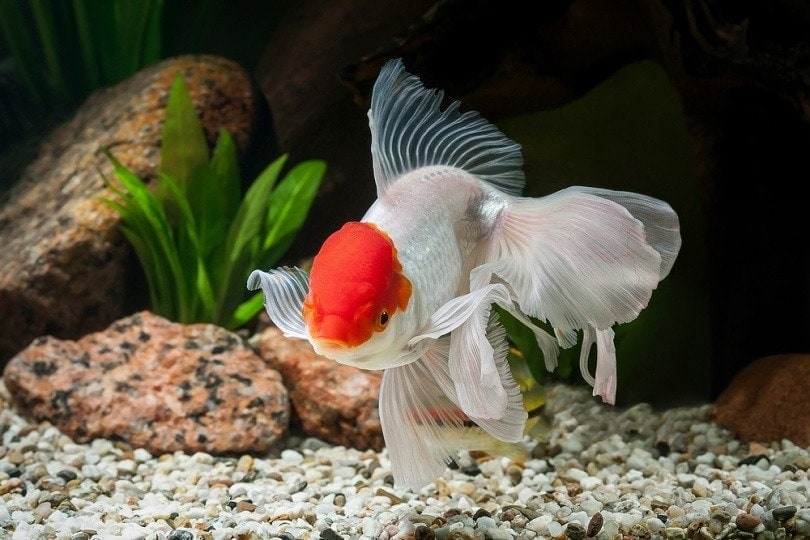
aquariums-goldfish-pixabay
Image Credit: Pexels, Pixabay

Ammonia Poisoning

  • Ammonia poisoning occurs when ammonia levels build up in the tank. This can be caused by new tank syndrome, removal of beneficial bacteria, infrequent water changes, or overstocked tanks. High ammonia levels can burn the fish, causing scale loss, fin rot, and skin scalding.
  • Solution: In new tanks, it’s ideal to run a fishless cycle to level out all water parameters before the addition of fish. If this is not possible, daily water parameter checks with a kit like the API Freshwater Master Test Kit will help guide you in addressing water quality issues. Seachem Prime is a favorite in fish-keeping circles for treating high ammonia in water. Many products, like API Stress Coat+, can be added to the water to help restore the fish’s slime coat during healing to prevent infection.

If you suspect your fish is sick and want to ensure you provide the right treatment, we recommend that you check out our best-selling and comprehensive book The Truth About Goldfish on Amazon today.
The Truth About Goldfish New Edition

It has entire chapters dedicated to in-depth diagnoses, treatment options, a treatment index, and a list of everything in our fishkeeping medicine cabinet, natural and commercial (and more!)

Hemorrhagic Septicemia

  • Hemorrhagic septicemia is an infection, usually caused by bacteria, that affects the fish’s entire body and if left untreated will lead to death. This disease usually manifests itself as a large, red ulcer that will cause scales, skin, and muscles to deteriorate.
  • Solution: Hemorrhagic septicemia is usually treatable with a broad-spectrum antibiotic, like API E.M. Erythromycin, added to the fish’s water or food as long as the disease is caught early enough. Consult with a fish veterinarian if possible. Otherwise, follow the directions on the antibiotic’s package closely.
aquarium plant divider

Will my goldfish’s scales grow back?

Yes! Goldfish can regrow lost scales, although this process can be slow. It is important to be aware that new scales may be a different color than before and that in Pearlscales, the pearl-like deposits on the scale will usually not grow back, instead being replaced by regular scales. During the regrowth process, it will be important to keep your fish safe and healthy to prevent infection in unprotected areas without scales.

aquarium plant divider

In Conclusion

Scale loss in goldfish can be scary when you realize it is happening to your scaly friend. With the number of possibilities causing the scale loss, it may seem overwhelming. Getting a close look at your goldfish will help you determine the cause. There are many resources available for identifying the cause and treating scale loss in goldfish, including the Pure Goldfish Community Facebook page and forum. With knowledge, time, and love, your goldfish will be back to its old, shiny self in no time.


Featured Image Credit By: epicioci, Pixabay

Get Hepper In Your Inbox

Pet care tips from our vets and experts, straight to your inbox.

List

Select all that apply.

You may opt-out at any time. View our Privacy Policy for more information.

Lindsey Stanton
Authored by

Lindsey Stanton

Join the conversation

Ask a question, share your story, or send private feedback.
Rate this post
Required to post. Only our editors see your rating.
Who should see this?

A human reviews every comment before it appears. Your email is never published.

Picked to go with this article

Why Is My Goldfish Turning Red? Reasons & FAQs

Why Is My Goldfish Turning Red? Reasons & FAQs

When a goldfish turns red, it isn’t usually a good thing. While some species are reddish, no goldfish should suddenly turn red. This is almost always a sign of…

Lindsey Stanton
By Lindsey Stanton ·
Fin Rot in Aquarium Fish: Our Vet Explains

Fin Rot in Aquarium Fish: Our Vet Explains

We all want to see our beloved fish happy and healthy in their aquarium. If you peer into the aquarium to admire your fish, only to find out your fish has ragg…

Dr. Luqman Javed
By Dr. Luqman Javed ·
Goldfish Fungus Diseases: Symptoms & Treatment (with Pictures)

Goldfish Fungus Diseases: Symptoms & Treatment (with Pictures)

Fungal diseases are one of the most common health issues for goldfish. Fungal spores are found almost everywhere and can easily make their way into the tank of…

Lindsey Stanton
By Lindsey Stanton ·
Do Betta Fins Grow Back? Vet-Verified Causes, Care & Prevention Tips

Do Betta Fins Grow Back? Vet-Verified Causes, Care & Prevention Tips

The Betta or Siamese fighting fish is a popular aquarium species. These small-sized fish are known for their vibrant colors and long fins. Before adding this s…

Lindsey Stanton
By Lindsey Stanton ·

Keep reading

More stories you might like

What to Do in Case of a Goldfish Emergency? How to Save Your Pet

You look in your tank one morning and realize (with horror) that something is really wrong with your fish. For a second, you think it is dead. Running up to th…

Lindsey Stanton
By Lindsey Stanton ·
What to Do in Case of a Goldfish Emergency? How to Save Your Pet

7 Causes of Aggressive Goldfish Behavior & Vet Approved Tips to Stop It

Goldfish are usually known as very docile and social fish, but some goldfish break the mold. Aggressive and bullying behaviors can be stressful for all of the…

Brooke Billingsley
By Brooke Billingsley ·
7 Causes of Aggressive Goldfish Behavior & Vet Approved Tips to Stop It

Goldfish Dropsy: Treatment, Causes, Identification & Prevention

Dropsy is a dreaded word among goldfish keepers, and for good reason. It's one of the most dangerous killers of our fish that can come on suddenly without warn…

Lindsey Stanton
By Lindsey Stanton ·
Goldfish Dropsy: Treatment, Causes, Identification & Prevention

Goldfish Swimming Erratically? 6 Vet-Approved Reasons & What They Mean

Fish are seemingly simple and straightforward creatures—they only have a small environment to spend their entire lives in. Goldfish will randomly dart around t…

Lindsey Stanton
By Lindsey Stanton ·
Goldfish Swimming Erratically? 6 Vet-Approved Reasons & What They Mean

Pearlscale Goldfish: Pictures, Size, Care, Tank Setup, & More

At first glance, you might mistake a Pearlscale for a goldfish with dropsy. Pearlscale Goldfish can be distinguished by their unusual appearance with protrudin…

Sarah Psaradelis
By Sarah Psaradelis ·
Pearlscale Goldfish: Pictures, Size, Care, Tank Setup, & More

Aquarium Salt for Sick Goldfish: Benefits & Proper Use

You’ve probably discovered that there are several methods for helping cure your sick goldfish—powdered or liquid medications and water treatments. However, aqu…

Lindsey Stanton
By Lindsey Stanton ·
Aquarium Salt for Sick Goldfish: Benefits & Proper Use

Is Your Goldfish Turning White? 8 Reasons Why & What to Do

It can be alarming to notice that your goldfish has suddenly begun to change colors. It isn’t completely uncommon for goldfish to shift to a white coloration,…

Brooke Billingsley
By Brooke Billingsley ·
Is Your Goldfish Turning White? 8 Reasons Why & What to Do

How to Treat Goldfish Ich (White Spot Disease) in 7 Simple Steps

It sounds like what it is. A tiny little parasite that gradually covers the body and fins of your precious goldfish...until they look like they've just come ou…

Lindsey Stanton
By Lindsey Stanton ·
How to Treat Goldfish Ich (White Spot Disease) in 7 Simple Steps