Hepper is reader-supported. When you buy via links on our site, we may earn an affiliate commission at no cost to you. Learn more.
Great Pyrenees vs Newfoundland: Key Differences (With Pictures)

In this article
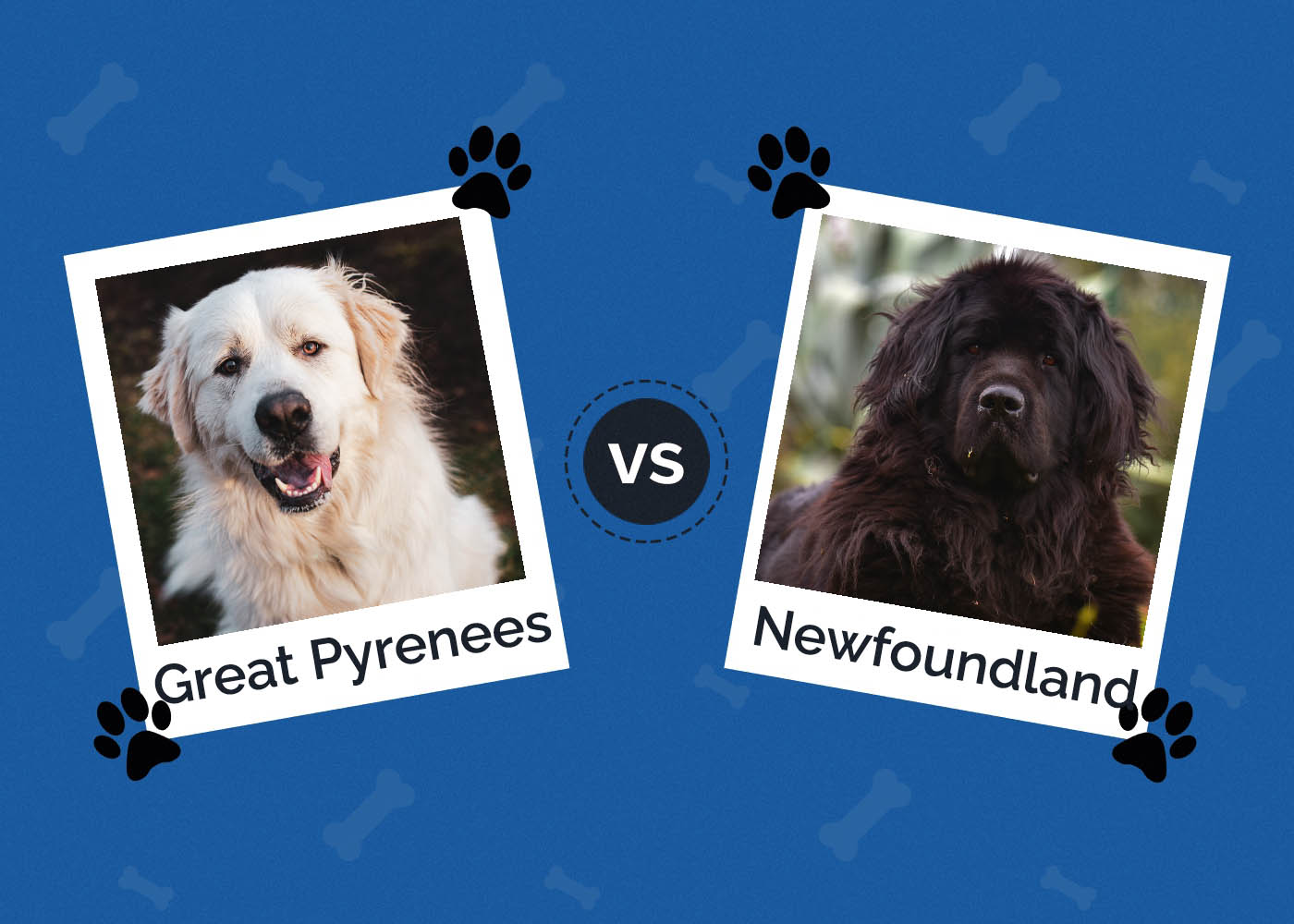
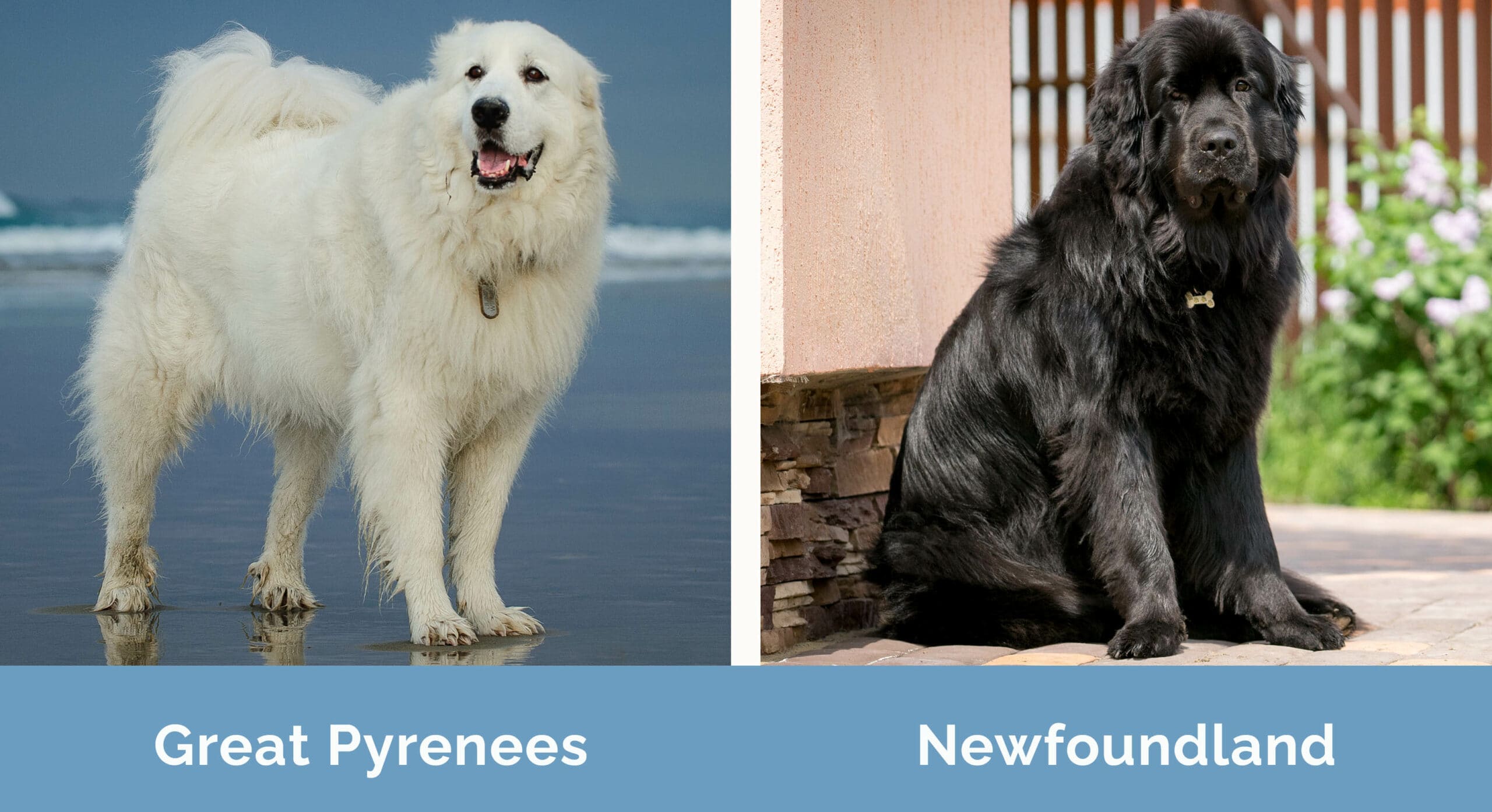
Are you trying to decide between the Great Pyrenees and Newfoundland as your next furry companion? Both breeds have unique characteristics and personality traits that make them great pets, but choosing the right one depends on your lifestyle and preferences. Keep reading while we compare the Great Pyrenees and Newfoundland breeds to help you decide which is best for you based on factors like temperament, grooming needs, exercise requirements, and more.

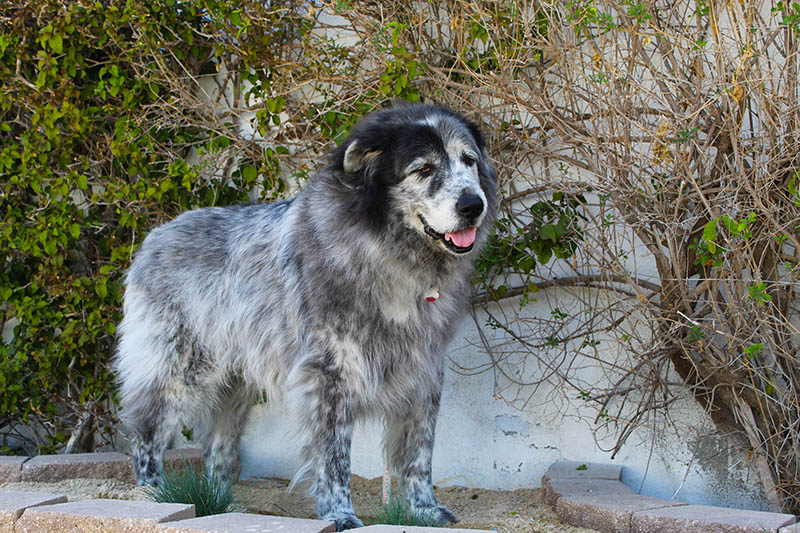
Visual Differences
At a Glance

Great Pyrenees
Personality / Character
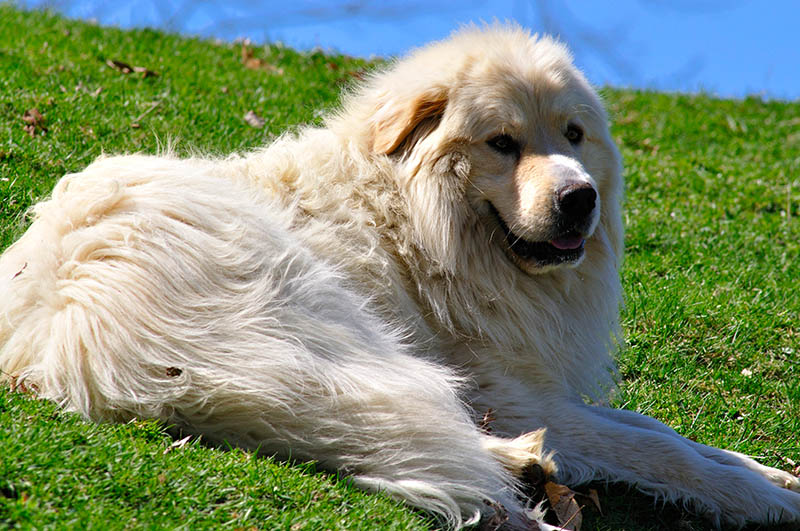
The Great Pyrenees is a gentle giant known for its calm and patient temperament. They are affectionate, loyal, and protective of their family, making them excellent watchdogs. They are intelligent and independent, sometimes making them stubborn and difficult to train, but they can learn to be well-behaved and obedient if you start at an early age with consistent training and positive reinforcement. Great Pyrenees also have a strong prey drive, which means they may chase small animals, so early socialization is crucial to teach them appropriate behavior around other animals. Overall, the Great Pyrenees is a loving and devoted companion who thrives on spending time with its family.
Health & Care
The Great Pyrenees is generally a healthy breed, but they are susceptible to certain health conditions. One of this breed’s most common health issues is hip dysplasia, a genetic condition where the hip joint does not develop correctly and can cause pain and mobility problems that worsen as the dog ages. Other health issues affecting the Great Pyrenees breed include bloat, ear infections, and skin allergies.
To keep your Great Pyrenees healthy, provide regular exercise to keep them physically fit, a healthy diet that meets their nutritional needs, and regular grooming to maintain their coat and prevent matting. Great Pyrenees have a thick double coat that sheds seasonally, so they require regular brushing to keep their coat healthy and free of tangles. Regular visits to the veterinarian are also important to keep up with your Great Pyrenees’ vaccinations and routine check-ups and monitor for potential health concerns.
Suitable For:
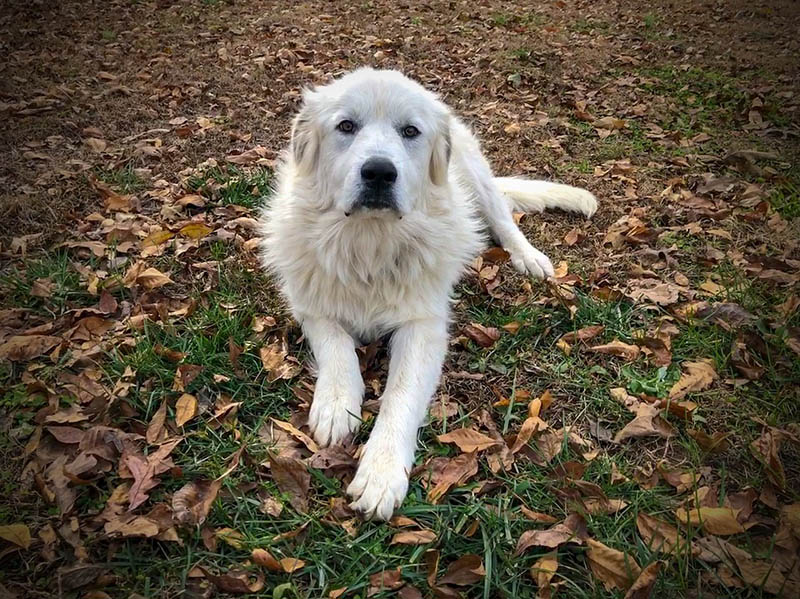
Overall, the Great Pyrenees is best suited for families with experience owning large breed dogs with the time and resources to provide the proper care and attention. These dogs thrive in a loving and supportive environment and will reward their owners with loyalty and affection for many years. They are loyal, protective, and affectionate, making them great companions for families with children or elderly individuals. They are also good with other pets if socialized properly from a young age. However, they need a large living space and plenty of daily exercise to keep them physically and mentally healthy. They can also be stubborn, and their large size can intimidate new pet owners.

Newfoundland
Personality / Character
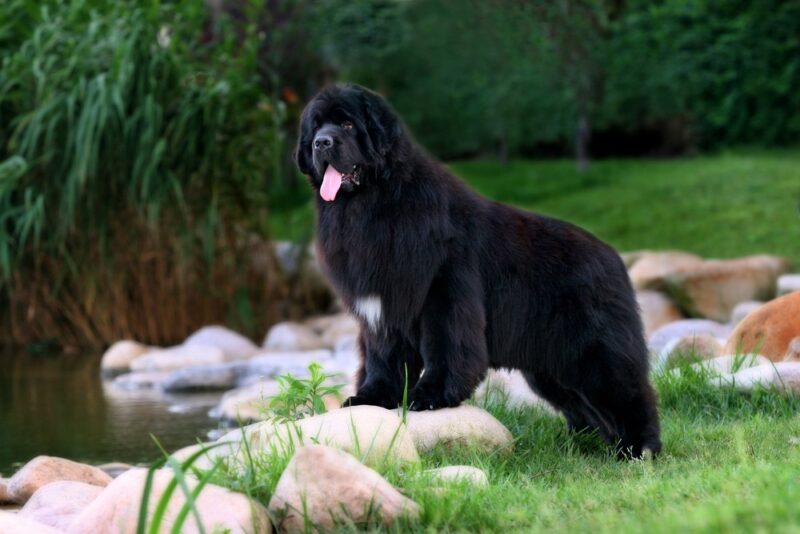
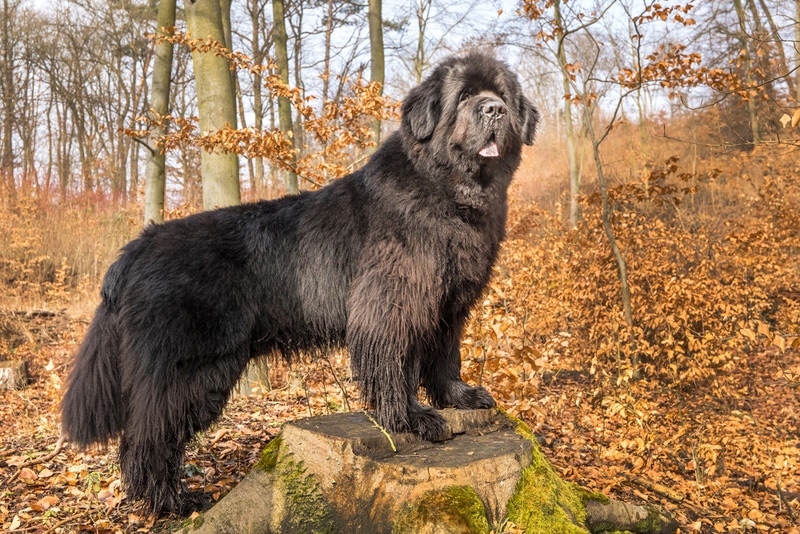
The Newfoundland is a sweet-natured and gentle giant with a calm and patient temperament. They are loyal, affectionate, and love to be around people, making them excellent companion dogs. They are also intelligent and eager to please, which makes them easy to train, but they have a stubborn streak that can make it hard to keep them focused. Newfoundland's have a strong protective instinct and will do whatever it takes to keep their family safe, making them great watchdogs. They love water, are great swimmers, and are great with children and other pets.
Health & Care
The Newfoundland breed is susceptible to many health issues like the Great Pyrenees, including hip dysplasia, bloat, and ear infections. Obesity is another problem for these large dogs, especially if they don’t get enough exercise, which can lead to several health issues, including diabetes, cardiovascular issues, and even cancer. Another issue that affects Newfoundland dogs and many others is dental disease, which some experts suggest affects more than 80% of dogs over age 3. These dogs also shed heavily and require frequent brushing to prevent knots and tangles.
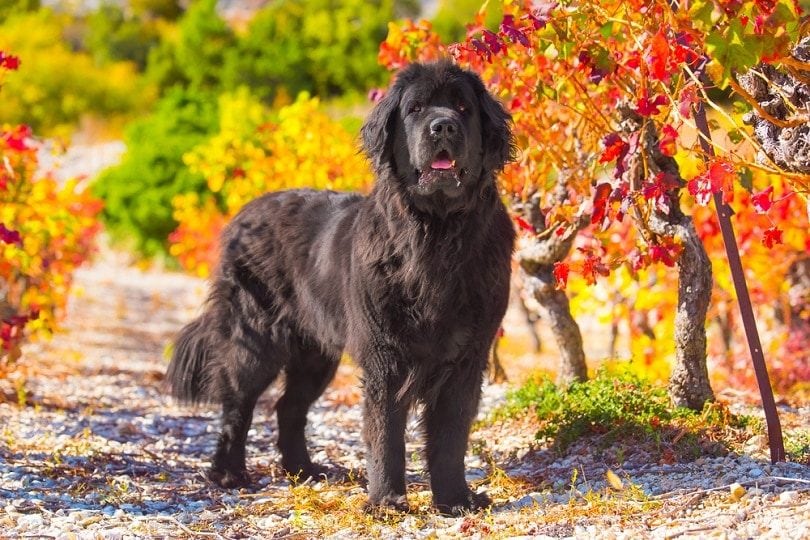
Suitable For:
The Newfoundland breed is best suited for families with experience owning large-breed dogs. They are loyal, affectionate, and great with children and other pets. They are also intelligent and easy to train. However, their large size can intimidate many inexperienced owners, and they shed quite a bit, so they require lots of vacuuming and cleaning up after.

Which Breed Is Right for You?
The Great Pyrenees and Newfoundland are wonderful pets that keep your family safe. However, choosing the right breed for you will depend on your lifestyle and the time you can devote to training and exercise. The Great Pyrenees will need more training because it can be harder to keep them focused, while the Newfoundland is usually eager to please. The Newfoundland breed also enjoys water and swimming, so they are a great choice for a family that spends time at the beach. However, these dogs need constant attention, making the Great Pyrenees a better choice for someone that likes a calmer, more independent dog.
Related Reads:
Male vs Female Newfoundland Dog: Key Differences (With Pictures)
Great Pyrenees vs Samoyed: Differences Explained (With Pictures)
Sources
Featured Image Credit By: (L) Beatrice Foord-St-Laurent, Shutterstock | (R) Pandas, Shutterstock
Get Hepper In Your Inbox


Pet care tips from our vets and experts, straight to your inbox.
You may opt-out at any time. View our Privacy Policy for more information.
Ed Malaker is a veteran writer who has contributed to a wide range of blogs that cover pets, tools, guitars, fitness, and computer programming. When he’s not writing, Ed is usually performing DIY projects around the house or working in the garden. He’s also a musician and spends a lot of time helping people fix their guitars and composing music for independent films.
Join the conversation
Ask a question, share your story, or send private feedback.