Hepper is reader-supported. When you buy via links on our site, we may earn an affiliate commission at no cost to you. Learn more.
Pyrenean Mastiff vs Great Pyrenees: The Differences (With Pictures)
In this article
So, you’re in the market for a fluffy, four-legged companion that could easily double as a small bear. You’ve narrowed it down to two majestic breeds: the Pyrenean Mastiff and the Great Pyrenees.
Both share some uncanny similarities and they both even hail from the same neck of the woods. But beneath their fluffy exteriors lie unique characteristics that could make one a better match for your lifestyle over the other. Ready to make an educated choice? Stick around as we share essential insights into these magnificent breeds.

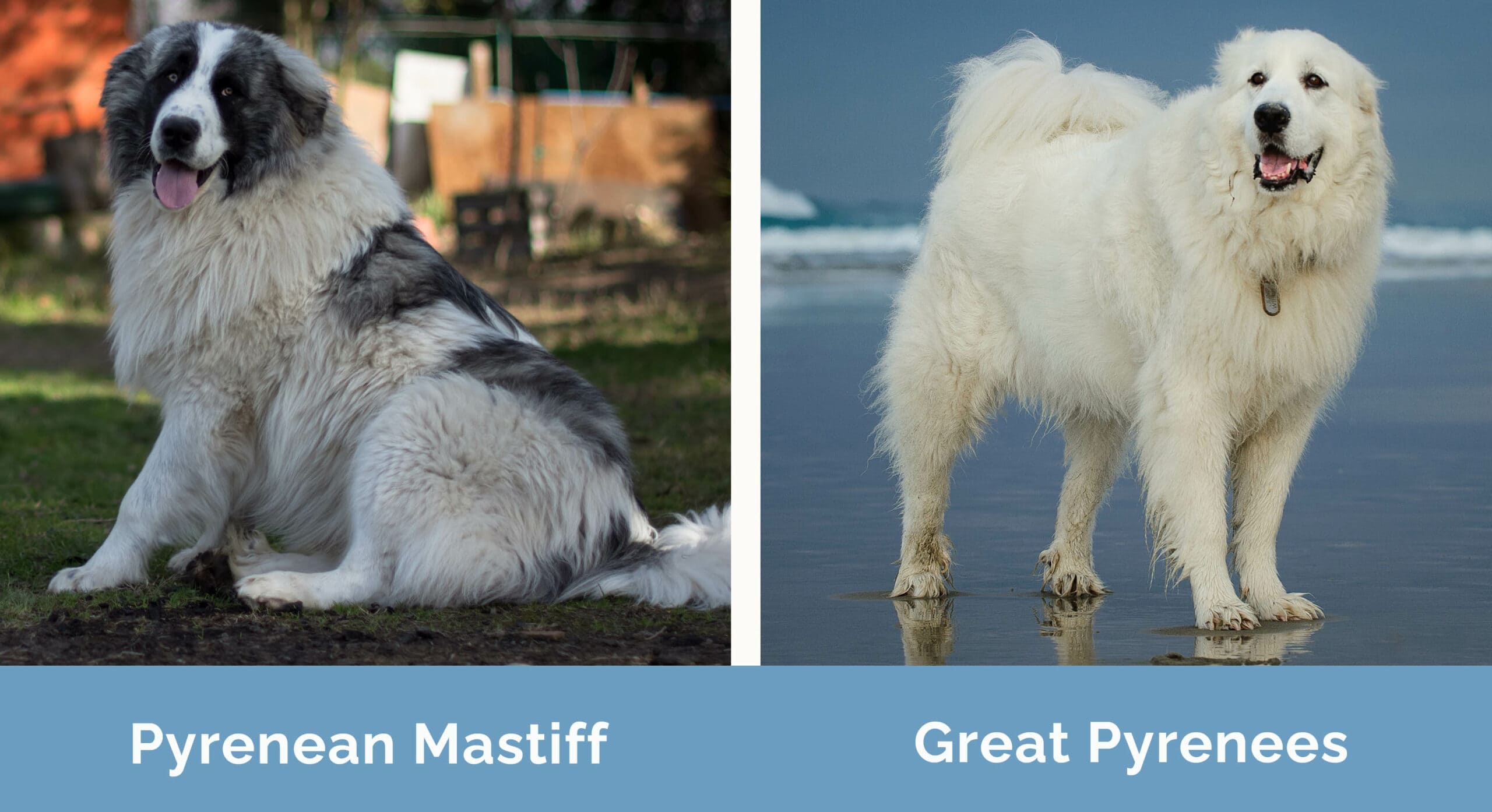
Visual Differences
At a Glance

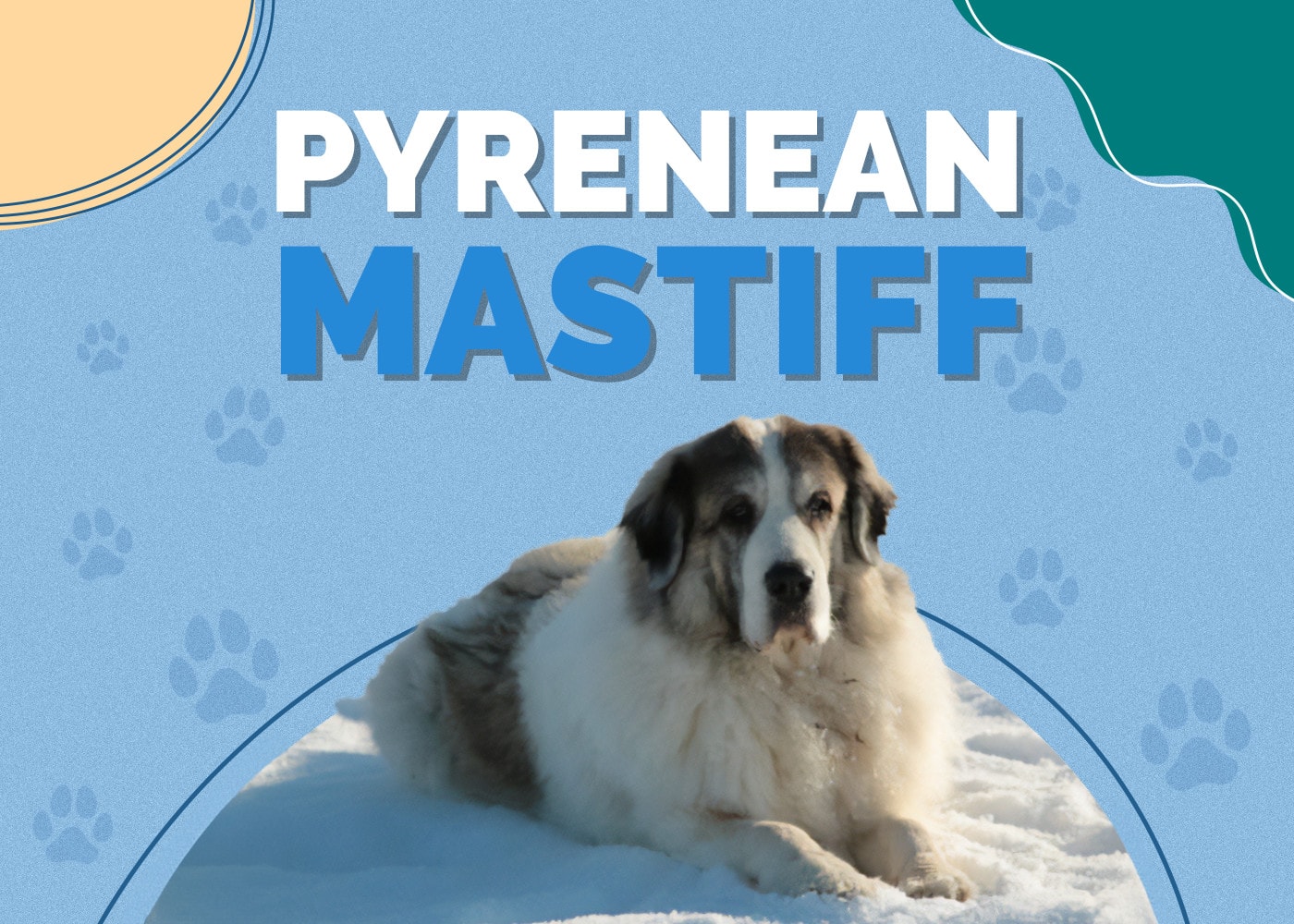
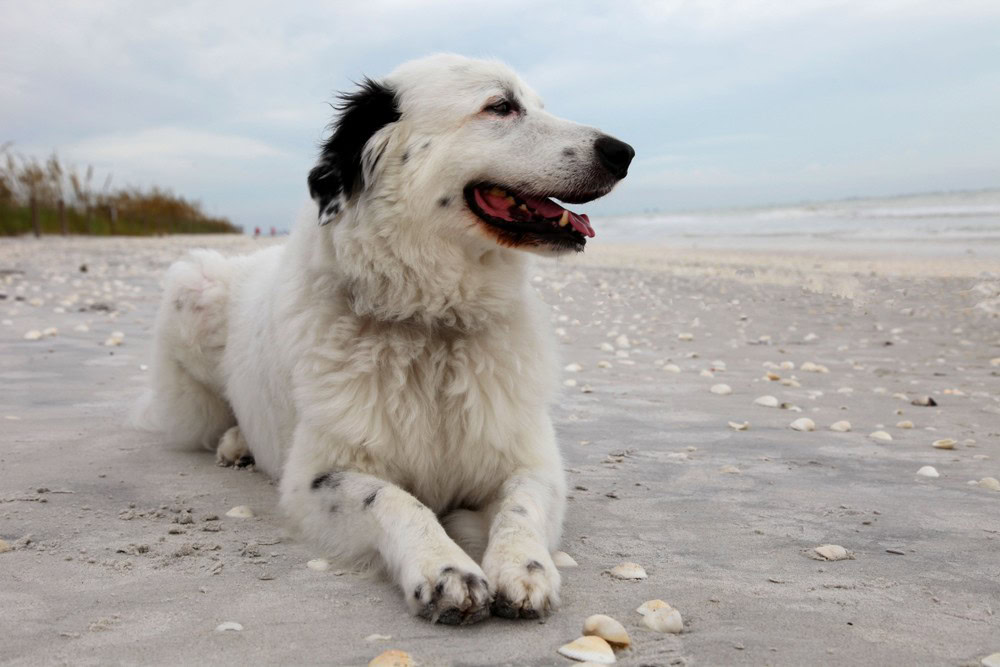
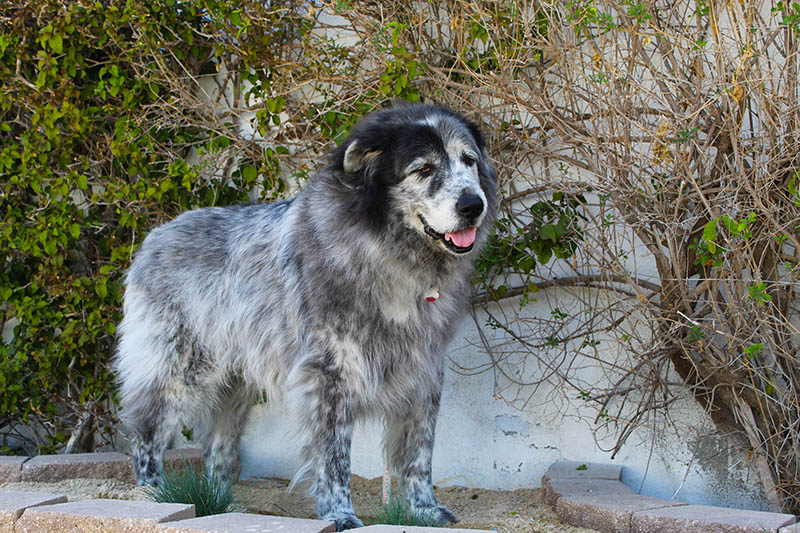
Pyrenean Mastiff Overview
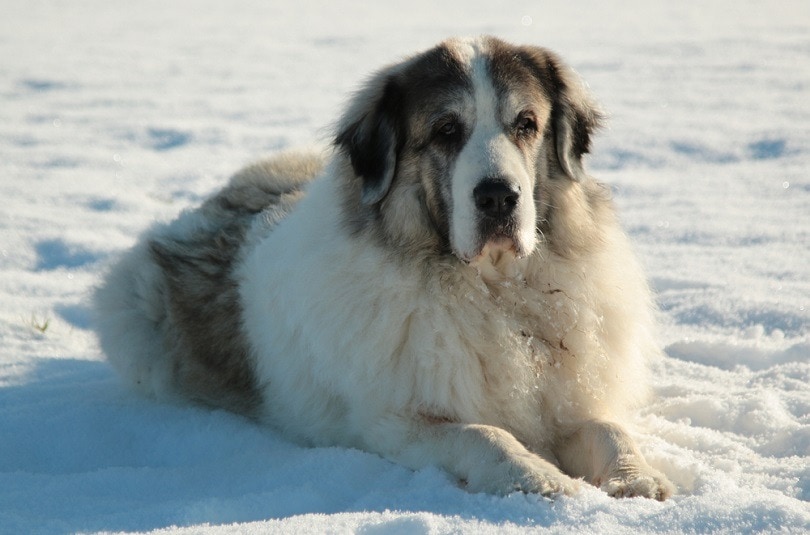
Personality / Character
The Pyrenean Mastiff is what we call a “people person” but in dog form. Highly loyal to their owners, they bring a sense of security wherever they roam. Now, don’t go thinking they’re all stern, guarding the backyard like a canine security officer.
These guys are family pets through and through—known for their intelligence and keen ability to understand human emotions. If you’re in search of a dog that’s a bit more flexible in this regard, the Pyrenean Mastiff might be the breed for you.
Training
When it comes to training your Pyrenean Mastiff, think of it less as a boot camp and more as a lifelong dialogue. This breed is brimming with intelligence, but they aren’t exactly the “Yes, sir!” type.
Initiating positive communication early in your pup’s life will solidify your bond and make future training a breeze. As your Pyrenean Mastiff ages, you’ll notice them passing through the canine equivalent of puberty. They’ll start questioning your authority. It’s crucial at this point to keep training engaging but not overwhelming.
You’re essentially aiming for a fun yet educational approach. You can’t afford to dawdle because this phase has its own timer. Miss it, and you’re in for a harder journey to canine excellence.
Health & Care
How do you keep this massive furball running in tip-top shape? Regular vet checks and a balanced diet are good starters. Pyrenean Mastiffs can sometimes face joint problems, especially when they start hitting their golden years. It’s not senior-citizen yoga, but joint supplements and regular low-impact exercises can go a long way.
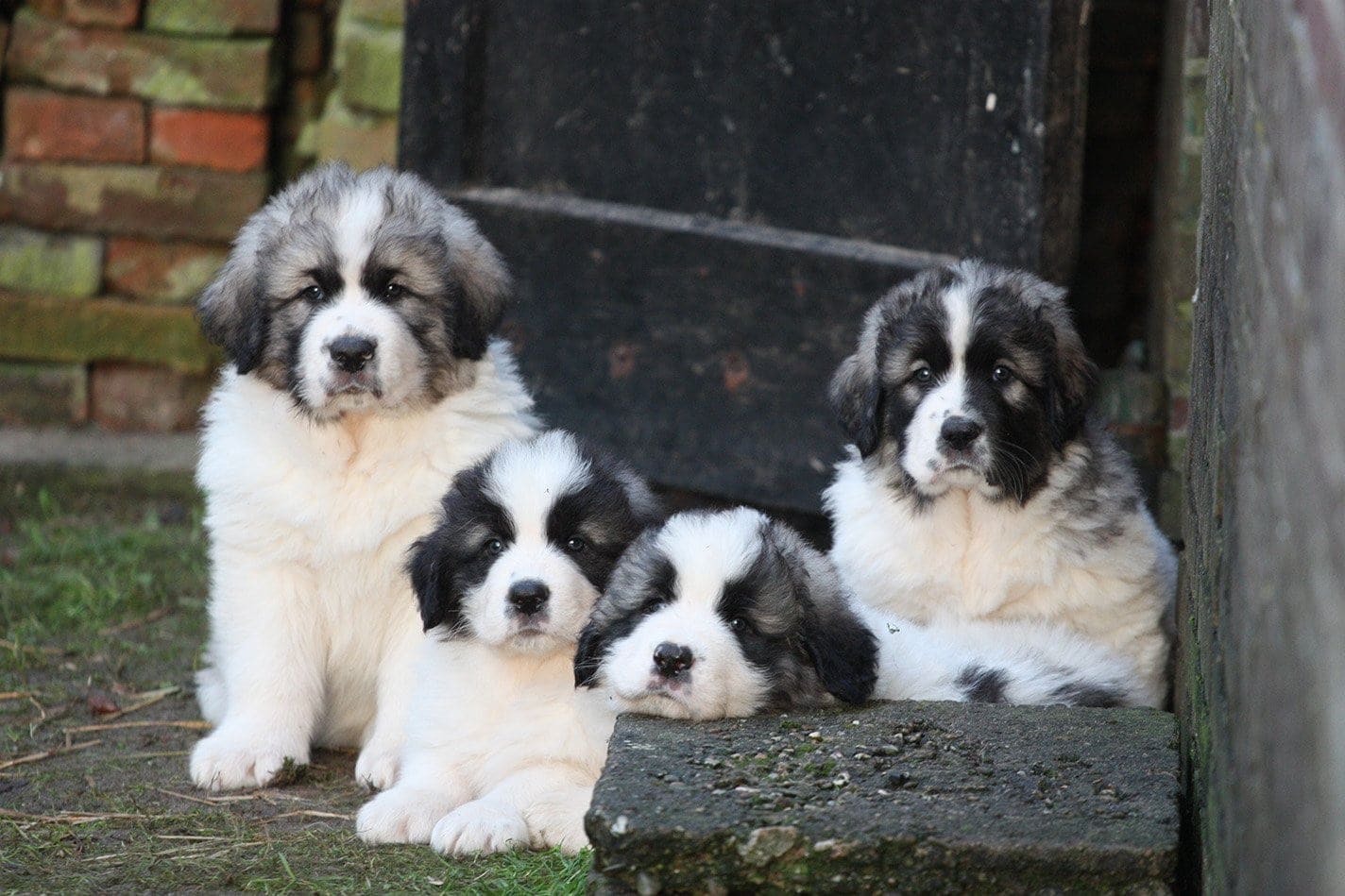
Breeding
Choosing to breed your Pyrenean Mastiff isn’t something to be taken lightly. You’re not just making puppies; you’re responsible for a new generation of a majestic breed. And like any responsible “parent”, you need to do your homework.
You should familiarize yourself with the genetic health issues that are often associated with this breed, such as hip dysplasia. It’s the responsible thing to do and could save you and your dog from future heartache. And if you’re adopting, inquire about the lineage. Get to know if there are any health issues you should be aware of.
Suitable For:
If you have a suburban or rural home with plenty of space for this big fella to stretch its legs, you’ll have one happy dog on your hands. Even better, they love kids and are generally well-behaved with other pets.
But as with most breeds, early socialization is necessary to ensure everyone—and everything—thrives in harmony. If the sheer size of this breed is too much for you, don’t hesitate to enroll your dog in obedience training.
Pros
- Extremely loyal guardian
- Low grooming needs
- Great with families
Cons
- Not ideal for apartments

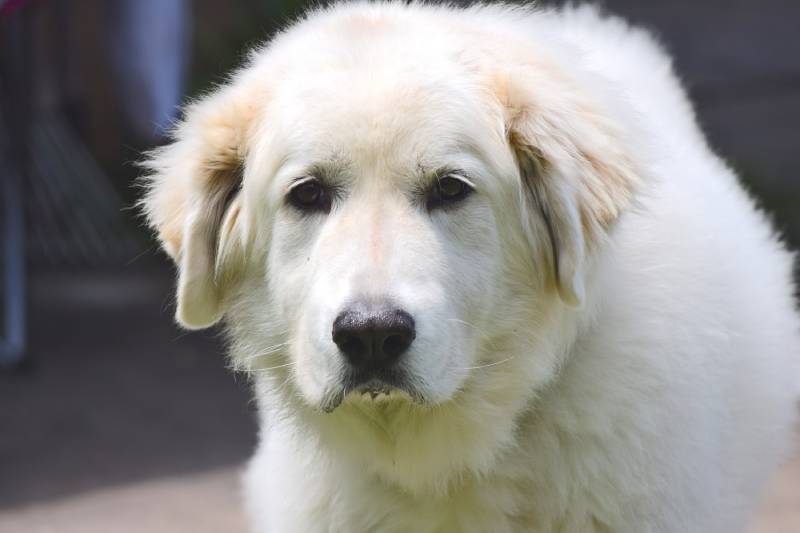
Great Pyrenees Overview
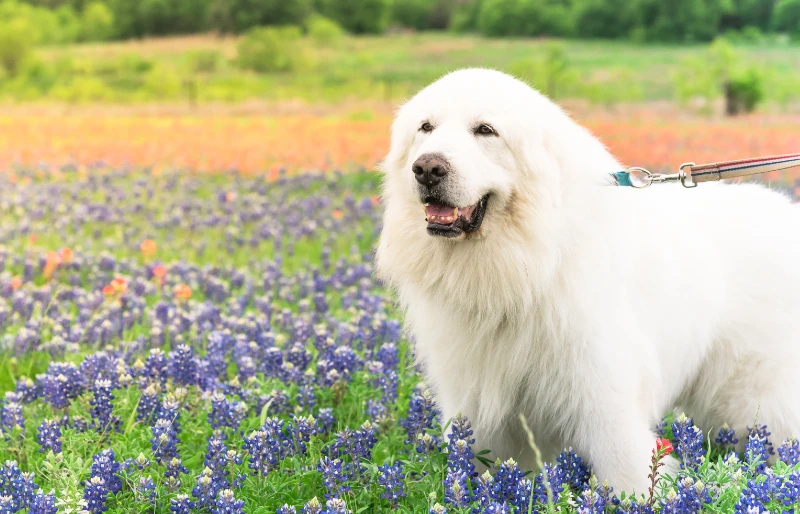
Personality / Character
The Great Pyrenees: grand in name and grand in nature. They’re the kind of dogs that turn heads when they walk into a room—or a park, more likely. But behind that imposing figure and luxurious coat, there’s a unique temperament and a set of care requirements that shouldn’t be ignored.
Training
Say goodbye to the instant compliance you might expect from other breeds. Training a Great Pyrenees isn’t a one-and-done activity; think of it more like a continuous dialogue. These dogs are more like consultants than subordinates, reviewing and weighing your commands rather than instantly obeying them.
When you tell a Pyrenees to sit, don’t expect immediate action. Your furry friend will ponder your request, process the existential implications, and then—maybe—comply. If you’re expecting a rapid response, you’re in the wrong business.
Patience is less of an asset and more of a primary requirement. And while it’s crucial to be assertive, it’s equally important to avoid any aggressive behavior. Yelling and physical punishment are non-starters for this breed.
Health & Care
The Great Pyrenees enjoy a lifespan that’s surprisingly robust for a large breed, often reaching up to 10 to 12 years. Still, the ride isn’t always smooth. They’re prone to a range of health issues, including hip and elbow dysplasia, eye problems, and neurological disorders. Cancer can also make an unwelcome appearance.
Then there’s bloat, a particularly pernicious issue also known as GDV (gastric dilatation-volvulus) complex. This occurs when the stomach fills with air, getting it twisted up, which is as alarming as it sounds. While mitigative steps can be taken, the bad news is that this condition often has a genetic link.
Great Pyrenees aren't one to lounge on the couch all day (though they may be tempted). A moderate exercise regimen involving walks and potentially some cart-pulling is essential for their well-being. These tasks offer not just physical benefits but mental stimulation, as well.
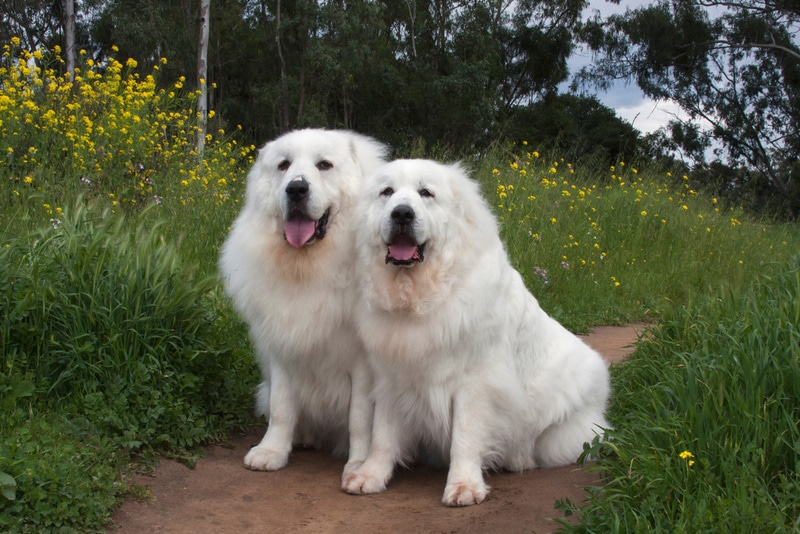
Breeding
If you think breeding these magnificent canines is a simple venture, think again. The endeavor requires dedication, deep-rooted knowledge of the breed, and yes, a level of commitment that borders on the maternal.
First, get to know the breed inside and out. Your commitment will require a significant time investment. Breeding isn’t a case of playing matchmaker; it involves meticulous planning, medical screenings, and sometimes even stepping in as a nurse or midwife.
You can read all the books and consult all the experts, but nature has its own set of rules. From unforeseen medical conditions during pregnancy to a mother who struggles with her new role, challenges are inevitable. Being prepared to adapt is part and parcel of the breeding journey.
Suitable For
Like the Pyrenean Mastiff, this breed prefers large and open to small and cramped. Have a big family? Maybe a farmhouse? The Great Pyrenees will feel right at home. While this is a flexible dog, it has its limits.
They’ll always love lots of room to roam and run. Being great with kids and often friendly toward other pets, they’re the epitome of a family dog. Just remember to ensure you’re satisfying their need to stretch their legs and explore.
Pros
- Majestic appearance
- Excellent watchdog
- Adaptable to climates
Cons
- Stubborn in training

Comparing the Pyrenean Mastiff and Great Pyrenees
If you’ve got your eye on a majestic, large breed, you’ve likely crossed paths with both the Pyrenean Mastiff and the Great Pyrenees. Although they come from opposite sides of the Pyrenees Mountains, they share the limelight in the arena of awe-inspiring dogs.
While both breeds have origins in livestock guarding, they’ve gracefully transitioned to being the gentle giants of modern households. Size-wise, the Pyrenean Mastiff takes the cake, usually weighing between 140 and 200 pounds, whereas the Great Pyrenees range from 86 to 160 pounds.
Yet, both boast a muscular and robust build, tailor-made for their protective duties. When it comes to coat care, the Great Pyrenees demands a bit more labor with its double coat, needing weekly grooming sessions. The Mastiff, however, gets off a bit easier with its less fussy fur.
Temperamentally, each breed holds its own idiosyncrasies. The Great Pyrenees tend to be more analytical and reserved, evaluating situations before taking action. The Pyrenean Mastiff is generally more social and up for immediate interaction. Training either of these independent spirits? Stick to positive reinforcement.
Whether you’re leaning toward the Pyrenean Mastiff’s sociability or the Great Pyrenees’ reserved demeanor, choosing either will give you a grand and loyal companion. Just be sure to match the breed with your lifestyle, as both come with their own set of needs and joys.
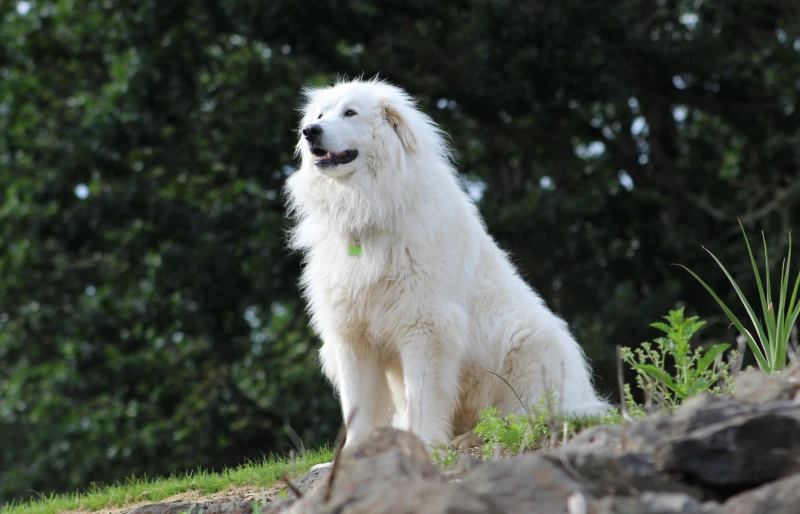
Which Breed Is Right for You?
In the world of mountainous marvels like the Pyrenean Mastiff and the Great Pyrenees, you’ve got options that are both grand and gratifying. Each breed offers its own set of quirks and qualifications, be it in size, temperament, or grooming needs.
Do your homework, consider your lifestyle, and get ready for an incredible journey with a four-legged giant. The end result? A lovable, loyal companion who’s a spectacle in their own right.
Featured Image Credit: (L) AnjavdR, Shutterstock | (R) Susie Prentice, Shutterstock
Get Hepper In Your Inbox


Pet care tips from our vets and experts, straight to your inbox.
You may opt-out at any time. View our Privacy Policy for more information.

Nicole is a lover of animals of all sizes but is especially fascinated with the feline variety. She’s the proud mom of Baby, a Burmese, and works every day so he can relax in the sunshine or by the fire. She’s always had a cat in her home and has spent countless days with others, observing behaviors and softening up even the grouchiest of the lot. Nicole wants to share her kitty expertise with you so you and your cat can live happy, healthy, and care-free.
Join the conversation
Ask a question, share your story, or send private feedback.