Hepper is reader-supported. When you buy via links on our site, we may earn an affiliate commission at no cost to you. Learn more.
Herding Dog Commands: 15 Key Words They Should Know

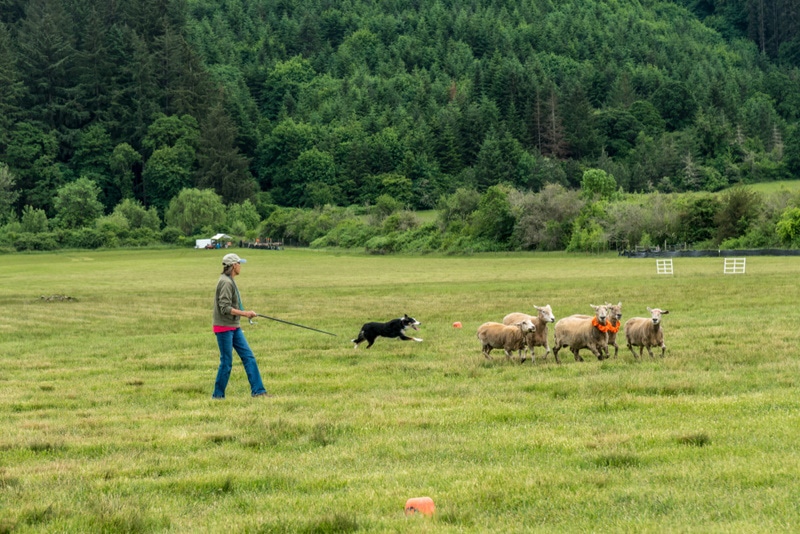
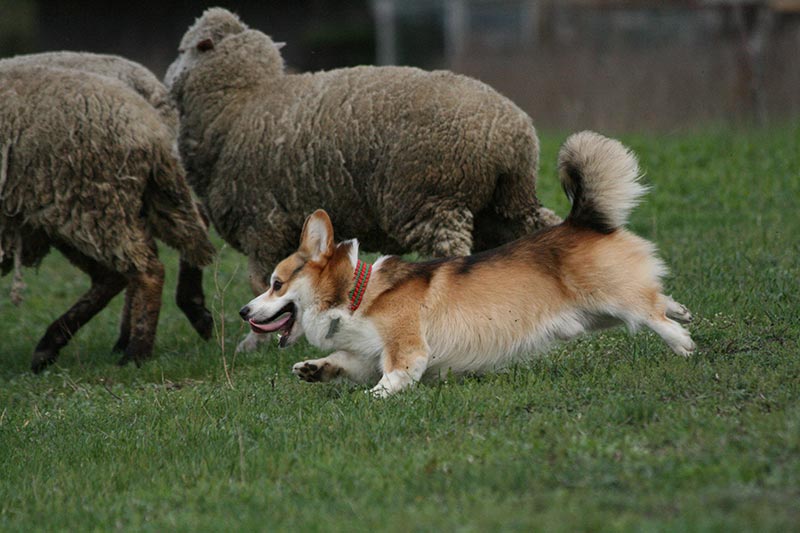
Herding dogs have been bred throughout the years to be working dogs with excellent instinctive herding abilities. Those instinctive herding abilities make them fantastic at their job, but they still require training to learn exactly what you need them to do. (Luckily, those instincts tend to make them simpler to train, though!)
And when it comes to commands for herding dogs, there are a handful of key words that these dogs should know. From “come-bye” to “that’ll do”, you’ll find the most vital words a herding dog should know below, along with their meanings. Keep reading to learn these key words so you can teach them to your herding dog!

The 15 Key Herding Dog Commands
1. Away to me
When you use this command with your herding dog, you’re telling it to circle stock in a counterclockwise (or anti-clockwise) direction. This one is easy to remember because A is for “away” as well as “anti-clockwise”. So, when your herding dog is facing the stock, it should then turn squarely, keeping a consistent distance from the stock as it flanks them. You’ll use further commands on this list when you’re ready for your dog to stop what it’s doing.
2. Bark/Speak up
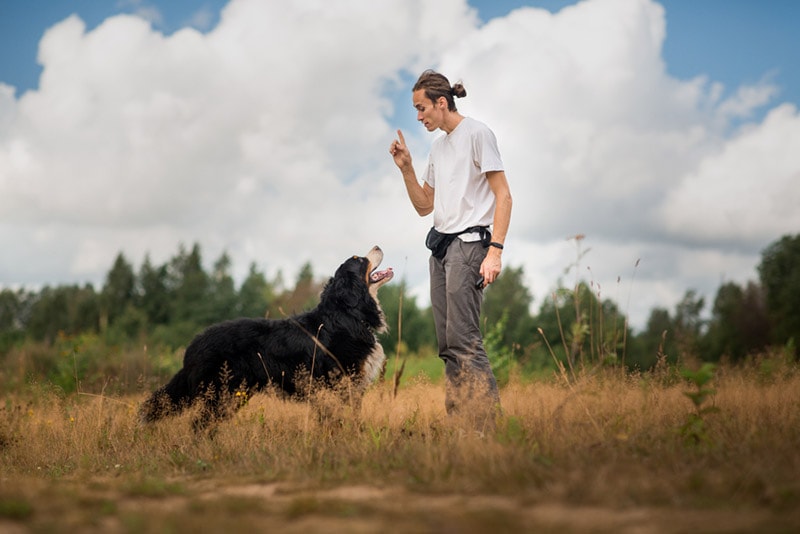
This command is useful for any kind of stock, but it’s vital for herding dogs that work sheep and cattle! You’ll use this command when a little more force than usual is needed to get your stock moving where you want. And, as the command suggests, when you use this word with your herding dog, you’re simply telling it to bark at the stock. You can use either “bark” or “speak up” for this command.
3. Cast
When you need all your stock gathered together into a group, this is the command you want to give your herding dog. Casting, or flanking, consists of a dog moving around the stock in a circular motion while staying a consistent distance away in order to move them closer together. Excellent herding dogs will be able to cast even over larger areas.
4. Come-bye
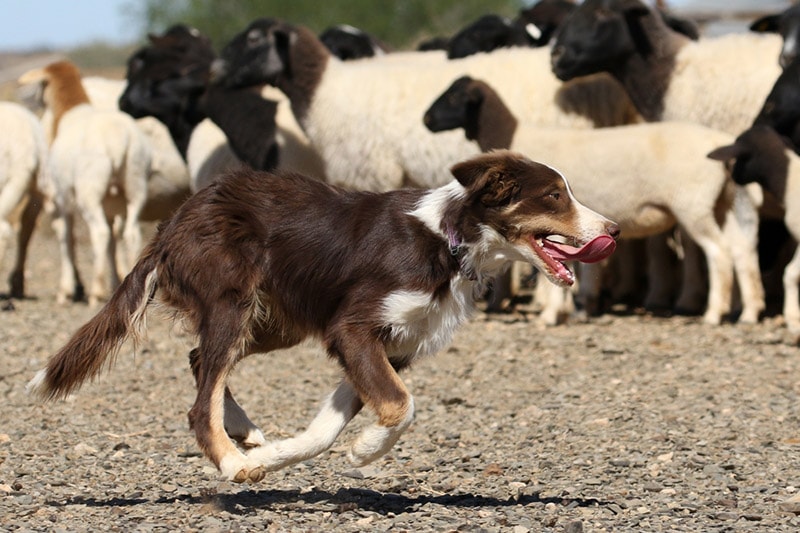
“Come-bye” is the opposite of “away to me”; rather than having your herding dog moving in an anti-clockwise or counterclockwise direction, with this command, you’re telling it to move clockwise. (You can remember this key word by remembering that C is for “come-bye” and “clockwise”). Just like with “away to me”, your dog will cast by keeping a constant distance from stock while turning in a clockwise circle around them.
5. Find
Unfortunately, sometimes you’ll find yourself with a missing member of your stock. When that occurs, you’ll want your herding dog’s help finding it, so you’ll use this command to tell your dog to search. Herding dogs that are good at their job will keep the missing stock where it is after they locate it and wait until you arrive. Some herding dogs will also bark to inform you that they’ve found the absent member.
6. Get out/Get back
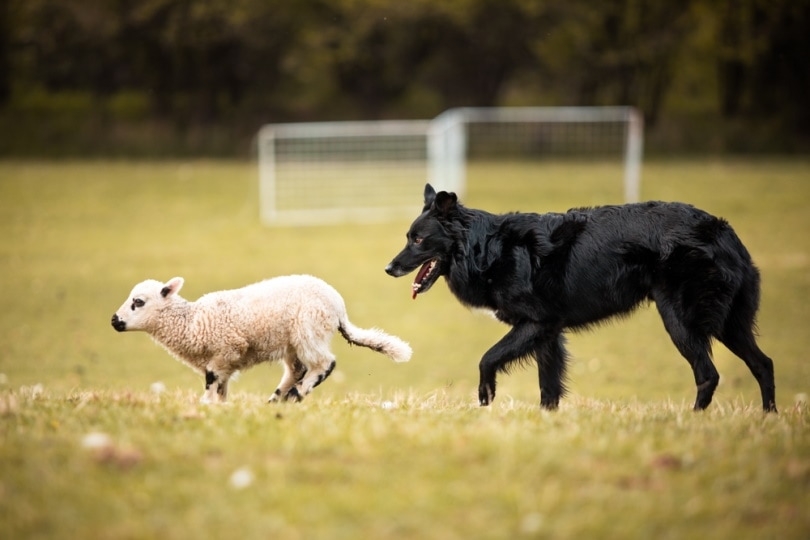
If you find that your herding dog is working just a bit too close to your stock, possibly stressing the stock out, this is the command you’ll use. This key phrase tells your dog to move further away from the animals so they have more room and are less likely to become stressed. This command is sometimes also used in reprimand.
7. Hold
This command is fairly self-explanatory. When you tell your herding dog to “hold”, you’re telling it to keep stock where it currently is. You’ll pair this with other commands on the list to let your dog know when stock can move again and which way it should be moved.
8. In here
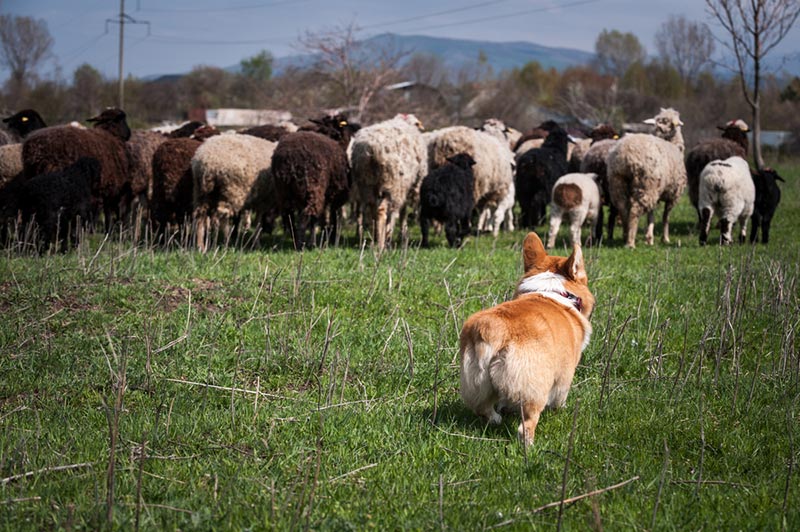
Need to separate a few animals away from the group? Then, you’ll be using this command (this one is most often used when it comes to sheep). When a gap has been achieved between the main stock and the animals you want separate, you’ll tell your herding dog “in here”. This tells it to move through that gap in order to fully separate the animals. Once separated, you can expect your dog to keep those few animals away from the main stock.
9. Look back
This command is a bit underrated and often considered an advanced one, but it’s a beneficial one to teach your herding dog. What does it mean? It lets your dog know it needs to leave the stock it’s with to look around for other stock so it can collect any animals that have been left behind. Teach this one during training, and eventually, your dog will learn that gathering and bringing all animals at once is simpler than having to go back to find more.
10. Stand
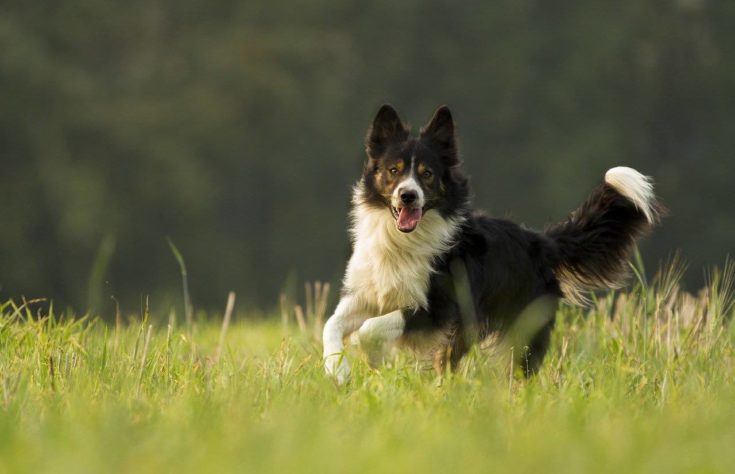
Ready to have your herding dog stop what it’s doing? Then this is one of a few key words you can say to tell it that. However, this command can also tell your dog to slow down rather than stop; it’s all in how you say it. What does that mean? Well, if you say the command sharply, it will mean to stop and stop now. But if said gently and softly, it should tell your dog to slow down some to let the stock get further ahead.
11. Steady/Take time
You don’t have to use “stand” to tell your dog to slow down, though. If your dog is having difficulty parsing the difference between a sharp and gentle command, you can simply use either “steady” or “take time” to tell it to slow down and allow more room between it and stock.
12. That’ll do
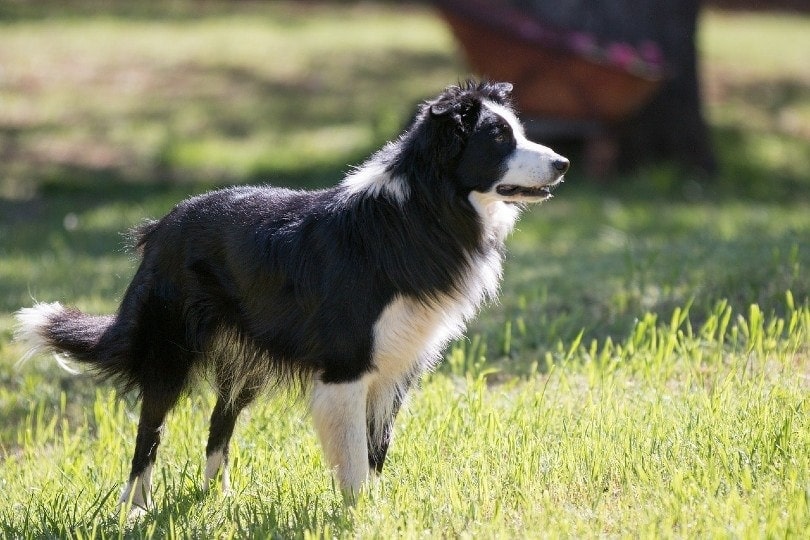
Need your dog to stop whatever it’s doing immediately and come back to you? Then this is the command for that! And it’s a great command to use when a dog is learning to drive because dogs in training might veer off line trying to get stock back to where you are, meaning the dog itself is getting further away. And a dog is more likely to obey this command than a command to flank to bring it back. Think of this command as a sort of “cheat code”!
13. There
This command isn’t used by all, but it’s an easy way to let your dog know it’s done with a flanking maneuver. Using this key word also lets your herding dog know that it needs to turn back squarely to the stock.
14. Wait/Down/Sit
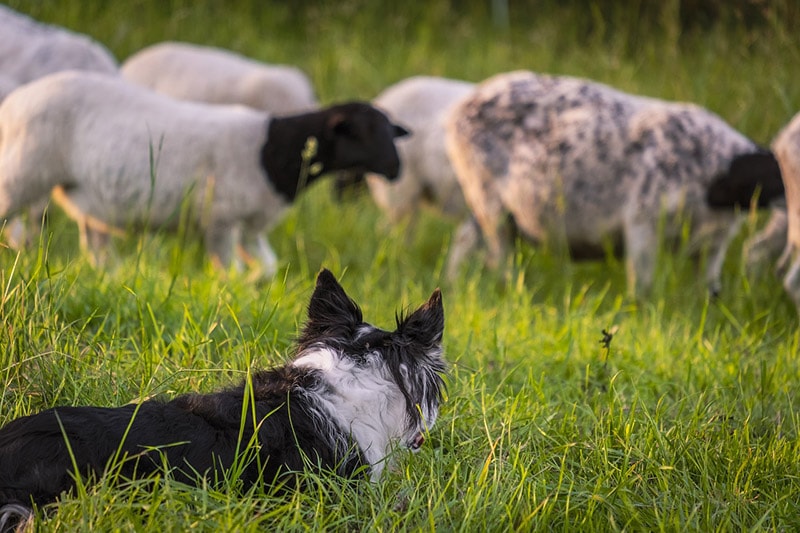
If you don’t want to use the word “stand” to tell your herding dog when to stop what it’s doing, then you have options! “Wait”, “down”, and “sit” are all also ways to tell your dog that it’s time to stop. Teach your herding dog whichever word best gets it to stop.
15. Walk/Walk up/Walk on
Sometimes you need your herding dog to get closer to stock, but you don’t want the animals to spook while it does so. That’s where this command comes in. All of these words will let your dog know to go right toward stock calmly and steadily. By staying calm, your stock is less likely to be spooked or stressed.

Conclusion
When training a new herding dog, you’ll be teaching them several commands, and these are just a few of the key words the dog will need to know. Each word or phrase conveys important instructions to your herding dog (and the shortness of each saves time in a pinch). Herding dogs are usually relatively easy to train due to their excellent instincts, but you might find your dog needs a few tries to pick up on each command. Do not worry, though; they will get it!
Sources
Featured Image Credit: Cynthia Liang, Shutterstock
Get Hepper In Your Inbox


Pet care tips from our vets and experts, straight to your inbox.
You may opt-out at any time. View our Privacy Policy for more information.
Misty Layne lives out in the woods in small-town Alabama with her two Siamese—Serafina and Jasper. She also has an array of stray cats, raccoons, and possums who like to call her front porch home. When she’s not writing about animals, you’ll find her writing poetry, stories, and film reviews (the animals are, by far, her favorite writing topic, though!). In her free time, Misty enjoys chilling with her cats, playing piano, watching indie and foreign films, photographing abandoned places, and catching up on her never-ending TBR list.
Join the conversation
Ask a question, share your story, or send private feedback.