Hepper is reader-supported. When you buy via links on our site, we may earn an affiliate commission at no cost to you. Learn more.
Himalayan vs. Ragdoll Cat: Main Differences (With Pictures)
In this article
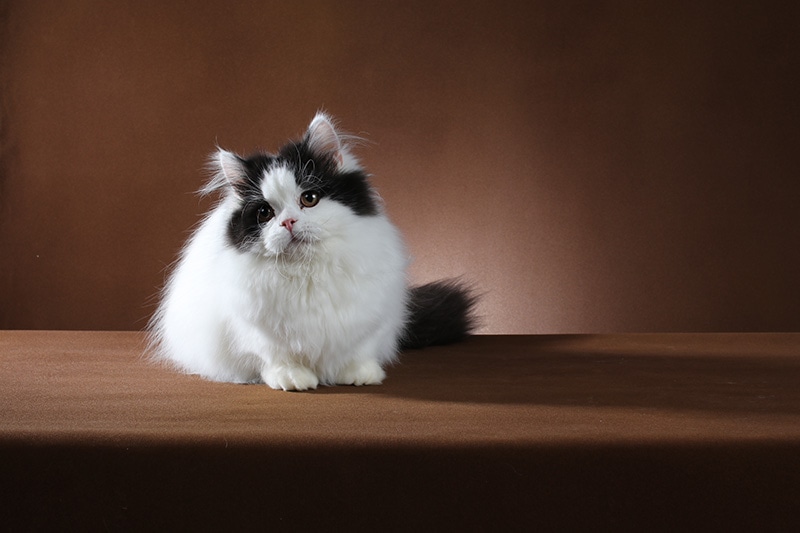
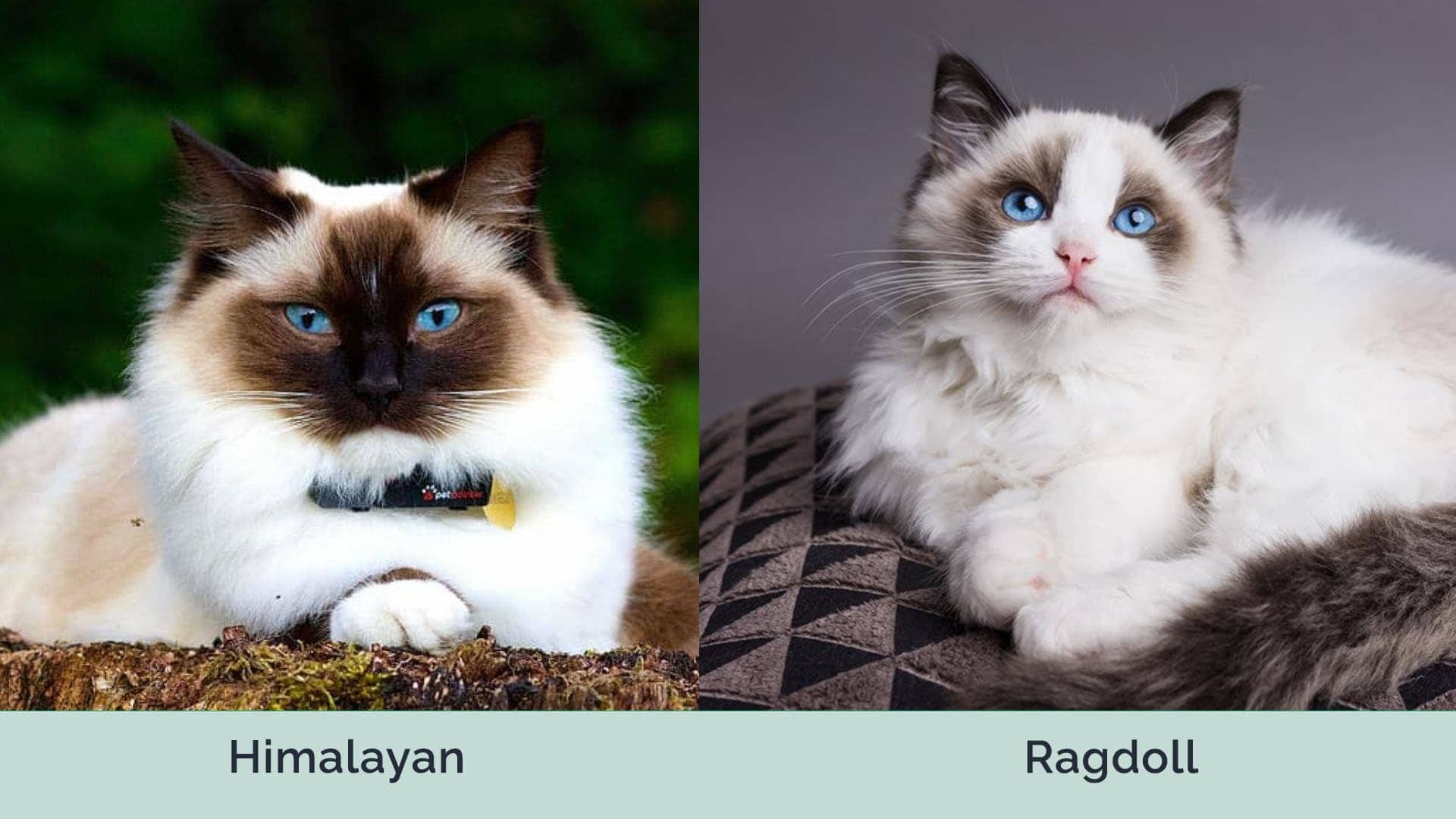
If you’re a cat enthusiast, you’ve probably come across Himalayan and Ragdoll cat breeds. Both of these purebred kitties have big bones, blue eyes, and luxurious fur. But for all of their similarities, there are major differences between these two breeds.
So, which one is right for you? To answer that tough question, we have compiled an in-depth article that thoroughly compares these two amazing cats. Let’s take a closer look at the Himalayan and Ragdoll cats to find out which one is the purr-fect feline friend for you.

Visual Differences
At a Glance
Himalayan Cat Breed Overview
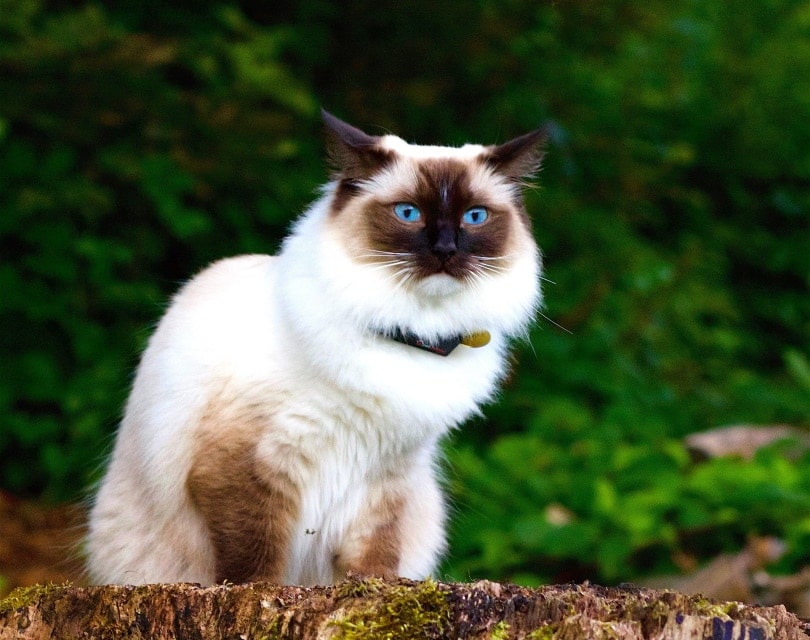
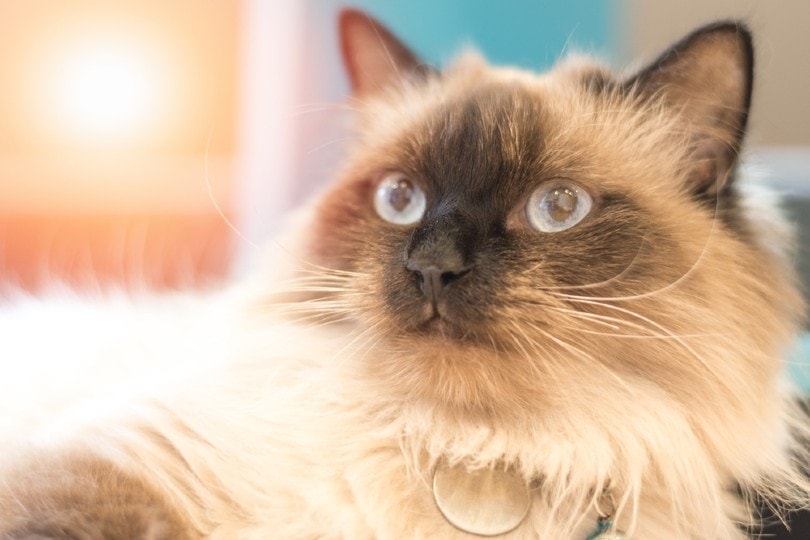
Also known as Himmies, Himalayan cats are amazing indoor companions. Affectionate, gentle, and calm, Himalayan cats are great for families with children, couples, and singles. This smart, sweet, and sassy cat will even play fetch with you! This purebred cat desires attention and constantly wants to cuddle with you. A low-energy kitty, the Himalayan can thrive just as well in an apartment setting as she can in a large suburban house.
Himalayan cats come in a variety of gorgeous colors, including seal, chocolate, lilac, and red. One of the most striking features of this cat is her large, ice-blue eyes. If you’re on the prowl for a truly stunning feline, the Himalayan is definitely the right breed for you.
Personality / Character
The Himalayan is a docile and gentle breed. She is not your quintessential cat. Instead of being aloof and independent, the Himalayan cat adores affection and needs a ton of attention. This kitty loves interacting with both people and pets and gets along with young children, other cats, and even dogs.
While Himalayans can seem lazy at first glance, these cats are actually interactive and playful. Your Himalayan will need about an hour of exercise each day to remain happy and healthy. She loves playing fetch or stalking fun cat toys. After her spurts of energy, the Himalayan will gladly cuddle up with you for a nice long nap.
Health & Care
Himalayan cats live for about 15 years or more. A large feline with a long, silky coat, the Himalayan cat needs daily brushing to prevent tangles and matting. You should always groom this cat with a wide-toothed comb to remove dirt, debris, and dust from her fur. Take your cat to a groomer every few months to maintain the health of her coat. Trim her nails as needed, though this is easier said than done.
Feed your cat high-quality food that caters to her weight, age, and activity level. It’s recommended to feed this breed food that can prevent hairballs. Due to her thick fur, the Himalayan is prone to shedding and hairballs. Don’t overfeed your Himalayan as she is prone to obesity.
Though a hardy breed, Himalayan cats are prone to certain health issues such as ringworm, respiratory problems, and polycystic kidney disease. Schedule biyearly wellness visits to ensure your Himalayan stays in tip-top shape.
Suitable for
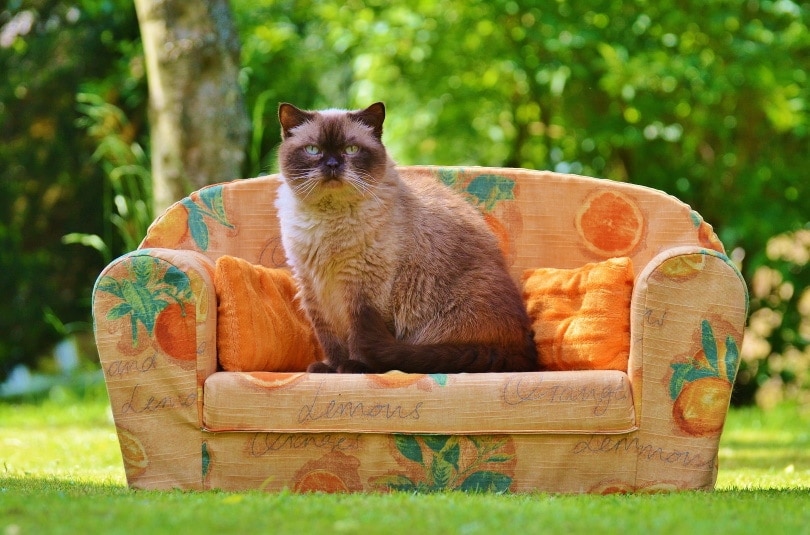
Himalayan cats are great for people who are seeking an affectionate and docile cat. They make great pets for families with or without kids, singles, couples, and seniors. Himalayans make great additions to multi-pet households.
Ragdoll Cat Breed Overview
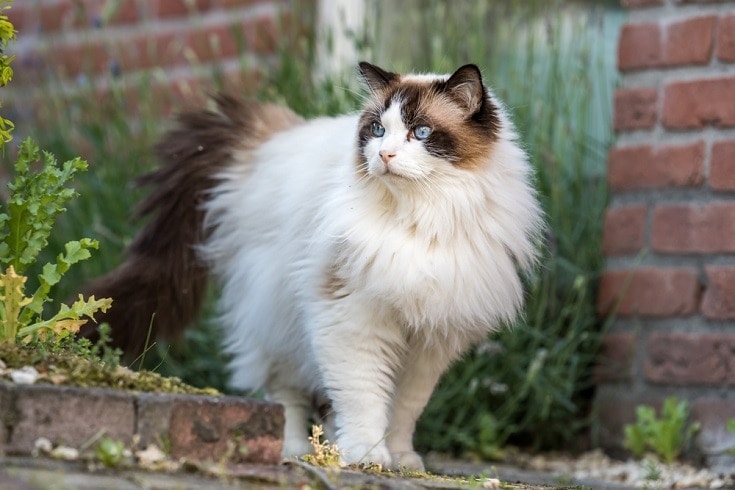
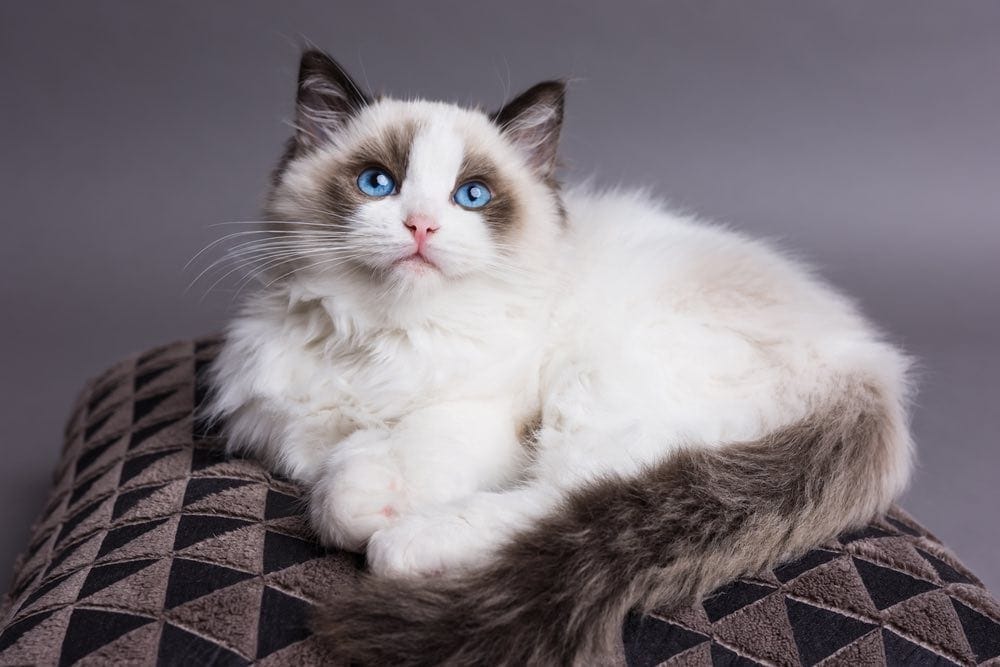
A relatively new cat breed, the Ragdoll was first introduced in the 1960s. Known for her color point coat and distinctive blue eyes, the Ragdoll got her name from going into a relaxed and limp position when handled. This dog-like cat can develop deep bonds with her owners and loves to be groomed, cuddled, and petted. With large, round eyes, thick limbs, and a massive body, the Ragdoll cat tips the scale at nearly 20 pounds.
For people who want a cat with a dog’s personality, the Ragdoll is the perfect feline friend. Loyal, loving, and extremely mild-mannered, the Ragdoll is a gentle giant.
Personality / Character
Ragdolls are floppy and fun-loving. A gentle, calm, and patient cat, the Ragdoll makes a great pet for families with children or other animals. This breed thrives on companionship and often develops close attachments to one member of the household. Because of her devoted nature, the Ragdoll can often come off as clingy or needy. She’ll follow you from room to room and constantly be by your side.
Ragdolls are super easy to handle and have little to no aggression toward other pets.
Health & Care
The Ragdoll can live to be 20+ years old. Typically, a very healthy breed, Ragdolls are still prone to certain health conditions, including urinary problems and hypertrophic cardiomyopathy. Biannual vet checkups, a high-quality diet, and strict vaccinations are all needed to maintain your cat’s health.
The Ragdoll loves to lounge around and doesn’t need that much exercise. This makes her well-suited for apartment living. Keep your Ragdoll mentally stimulated with enrichment toys and lots of love and affection.
A Ragdoll cat’s thick fur doesn’t need as much grooming as the Himalayan’s does. Brush your Ragdoll about three times per week and clip her nails as needed.
Feed your Ragdoll a protein-packed, high-quality cat food that caters to her age, weight, and exercise levels.
Suitable for:
Ragdolls are best suited for people who can shower them with love and attention. A Ragdoll makes a great pet for apartment dwellers, families with kids, singles, and seniors.

Which Breed is Right for You?
Both the Himalayan and the Ragdoll are wonderful pets. Beautiful and kind, these two breeds are both people-oriented. If you want a less clingy cat, the Himalayan may be ideal for you. However, if you are looking for a feline with a dog-like personality that loves to cuddle and nap, the Ragdoll would be the perfect fit.
Whichever breed you choose, both of these cats make amazing pets!
Related Reads:
Featured Image Credit: Himalayan (Rob Hainer), Ragdoll (Luxurious Ragdoll), Shutterstock
Get Hepper In Your Inbox


Pet care tips from our vets and experts, straight to your inbox.
You may opt-out at any time. View our Privacy Policy for more information.

Nicole is a lover of animals of all sizes but is especially fascinated with the feline variety. She’s the proud mom of Baby, a Burmese, and works every day so he can relax in the sunshine or by the fire. She’s always had a cat in her home and has spent countless days with others, observing behaviors and softening up even the grouchiest of the lot. Nicole wants to share her kitty expertise with you so you and your cat can live happy, healthy, and care-free.
Join the conversation
Ask a question, share your story, or send private feedback.