Hepper is reader-supported. When you buy via links on our site, we may earn an affiliate commission at no cost to you. Learn more.
Hip Dysplasia in German Shepherds: Signs, Causes & Treatments


In this article
Hip dysplasia is a painful condition that is common in many large dog breeds, including German Shepherds. Although small dogs can get hip dysplasia too, the condition is more prevalent in large dogs simply because of the rapid growth rate of their bones.
Most German Shepherd owners dread hearing that their beloved dog has hip dysplasia because of how painful the condition is for the dog and to watch. However, with the right treatment, your dog can live a long and comfortable life after a hip dysplasia diagnosis.
Learn all you need to know about hip dysplasia as a German Shepherd owner by reading below.

What Is Hip Dysplasia?
Hip dysplasia is a painful condition that can affect dogs of any size, but it is especially an issue for large dogs. Canine hip dysplasia is common for German Shepherds especially because of their active nature and large stature. To understand the condition, let’s talk about your dog’s hip.
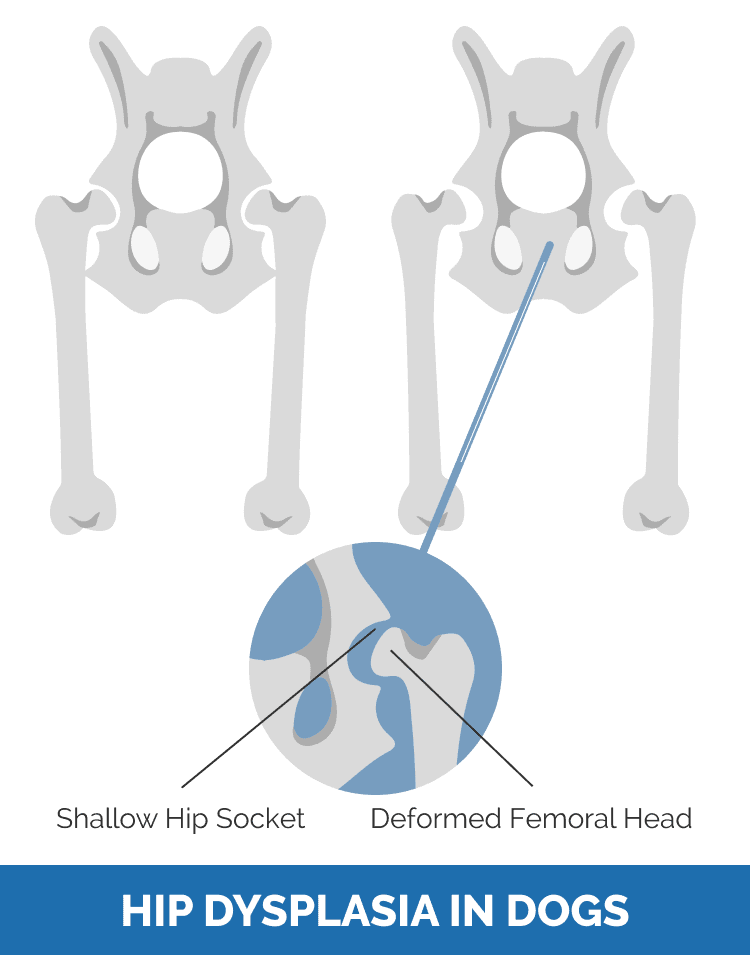
Your German Shepherd’s hip has a joint that works like a ball and socket. In healthy dogs, the ball and socket fit properly together, allowing the dog to move happily and without pain. Whenever a dog experiences hip dysplasia, the ball and socket don’t fit together properly. As a result, they grind against one another.
Over time, this grinding motion causes the hip socket to deteriorate, which can cause the dog to lose entire function of the joint if left untreated.
Causes of Hip Dysplasia in German Shepherds
Unfortunately, this breed is at particular risk for hip dysplasia because the condition is hereditary. German Shepherds are predisposed to hip dysplasia as a result.
Just because your dog has a predisposition does not mean they are guaranteed to get hip dysplasia, though. Factors such as your dog’s growth rate, exercise, weight, and nutrition can either magnify or reduce the risk of hip dysplasia.
On the one hand, obesity, poor nutrition, and poor exercise can all lead to hip dysplasia. On the other hand, lack of nutrition, anorexia, and excessive exercise can lead to hip dysplasia too.
Signs Your German Shepherd Has Hip Dysplasia
Signs that your German Shepherd has hip dysplasia can start whenever your dog is as young as 4 months old. In contrast, some German Shepherds don’t show any signs until they’re older, as it develops alongside canine osteoarthritis.
In either case, there are a few signs that are common among all dogs with hip dysplasia, regardless of age, sex, or breed.
Here are the most common signs to look out for:
How to Diagnose a German Shepherd with Hip Dysplasia
If you see any of the above signs in your German Shepherd, it is important to take your dog to the vet right away. You cannot get a formal diagnosis without consulting your veterinarian first.
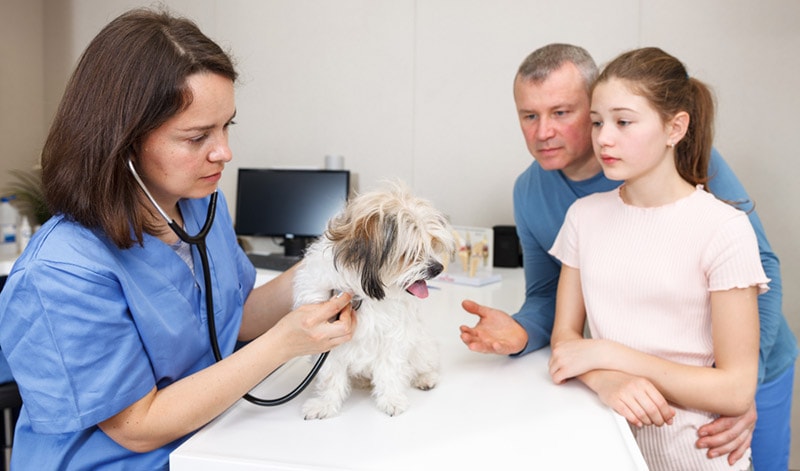
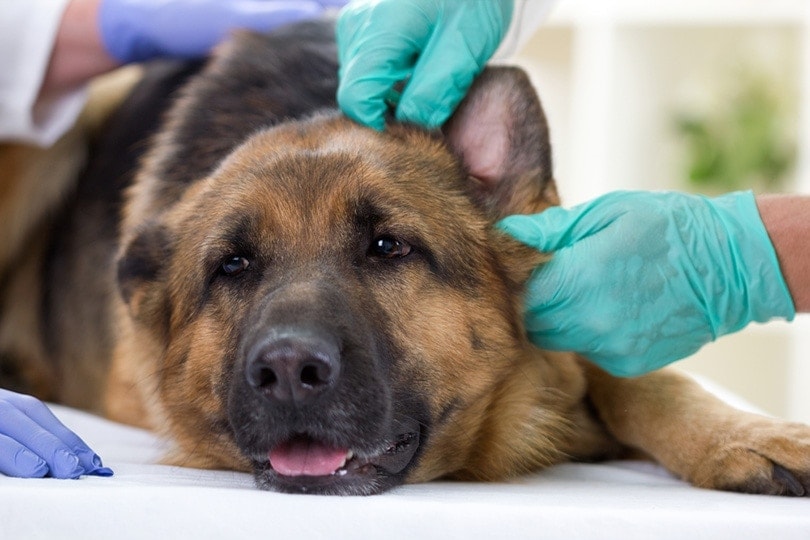
Whenever you take your German Shepherd to the vet, they will perform a physical examination to determine if hip dysplasia is an issue. The vet will first ask you about your dog and if there has been any possible injury and many other health-related questions to create their clinical history.
During this physical examination, the vet will likely move around the dog’s hind leg to check for any pain, grinding, or issues with motion. They may choose to have some blood work done too.
Often, the vet will confirm hip dysplasia by taking an X-ray. The vet will be able to see your dog’s hips and determine the severity of the hip dysplasia. Although this may seem like an unnecessary step, the X-ray is crucial for creating the best treatment method for your dog specifically.
Treatments for German Shepherds With Hip Dysplasia
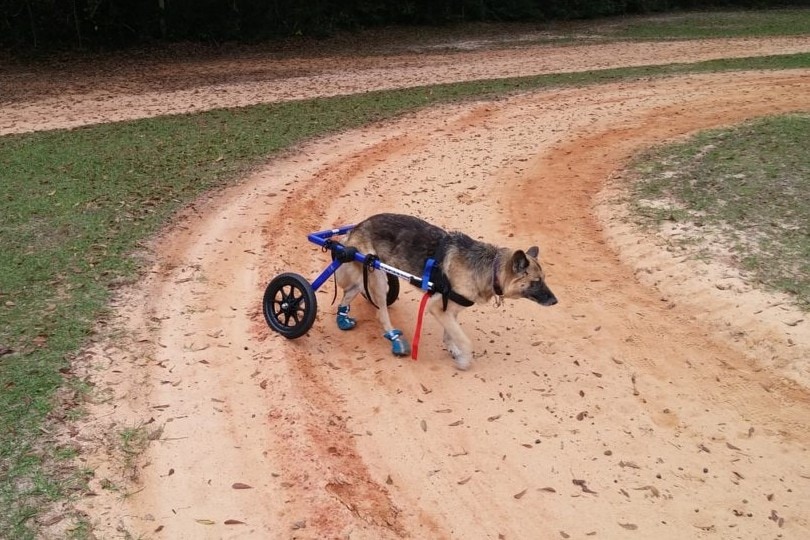
Even though hip dysplasia is a frightening diagnosis, your German Shepherd can live a happy and pain-free life with the right care and treatment. There are several treatment options that your vet can pick according to the specifics and severity of your dog’s case.
Examples of hip dysplasia treatments include:
If your dog qualifies for surgeries, you have even more options.
Here are surgical procedures that your vet might consider:
Your vet will recommend the best treatment for your specific German Shepherd and the disease’s level of severity.

Tips for Preventing Hip Dysplasia in German Shepherds
Although not all cases of hip dysplasia can be prevented, a good majority can. Even if hip dysplasia is not preventable in your dog, you can use these tips to minimize pain caused by the condition.
Reputable Breeders
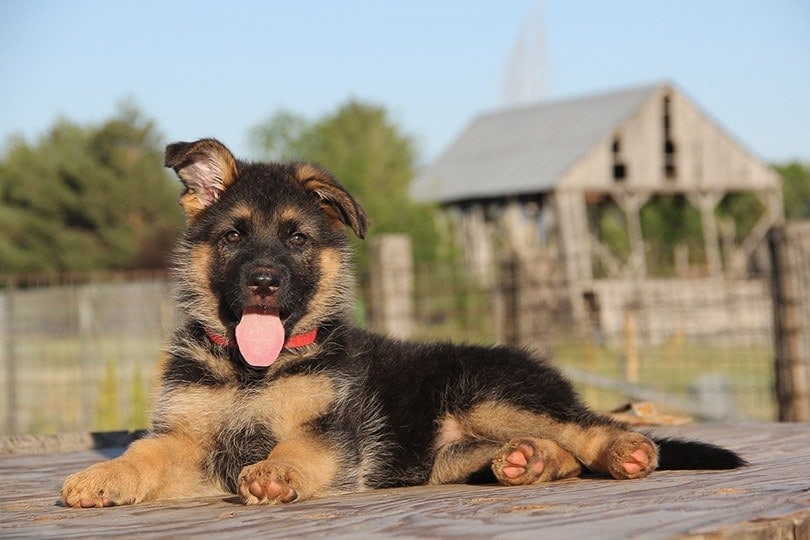
If you are getting your German Shepherd from a breeder, make sure they are trustworthy, ethical, and reputable. This can make a huge difference in whether your dog develops hip dysplasia.
Since the condition is hereditary, you can talk to the breeder about the parents’ conditions and likelihood of developing hip dysplasia.
The best reputable breeders will even provide a screening for their puppies. After the screening, which can only be done after 16 weeks of age, you can know if a puppy is predisposed to hip dysplasia.
Right Diet

Diet plays a large part in a German Shepherd getting hip dysplasia. From an early age, make sure to provide your dog with high-quality puppy food specific for large breeds. Large breed dog food is specifically formulated with ingredients to help nourish your dog’s joints.
Also, select a dog food suitable for your dog’s life stage. For example, get a large-breed puppy-specific dog food when your dog is young, and switch to an adult dog food once the dog ages. Life-stage-specific dog foods have key nutrients based on the dog’s specific needs. Note that most senior dog foods are not generic, so your vet will be the best person to help you choose which product is best for your older German Shepherd.
Only provide your dog as much food as they need, never under or over. Both malnutrition and obesity increase the risk for hip dysplasia development. If you are unsure how much to feed your dog, talk to your vet for recommendations.
Right Exercise
Exercise is another factor you need to consider carefully if you want to prevent hip dysplasia in your German Shepherd. You want the dog to exercise enough so they are healthy and happy but don't overwork the dog.
Preventative Supplements

You can begin giving preventative supplements to your dog to nourish their joints. One of the most popular is glucosamine. This supplement is prescribed to dogs with arthritis and hip dysplasia, but you can use it for preventative measures too. Of course, preventative supplements will have a lower glucosamine count than prescribed medications.

Final Thoughts
If you suspect that your German Shepherd is experiencing hip dysplasia, please visit the vet right away. They can perform a thorough evaluation and create a treatment plan to manage your best friend’s mobility and pain.
Luckily, most German Shepherds with hip dysplasia live long and robust lives. If they get a great treatment, you can expect your dog to be happy and carefree. By starting a well-rounded prevention plan from an early age, you can help your dog grow with minimal issues.
Featured Image Credit: makeitclear, Pixabay
Get Hepper In Your Inbox


Pet care tips from our vets and experts, straight to your inbox.
You may opt-out at any time. View our Privacy Policy for more information.
Nicole is a lover of animals of all sizes but is especially fascinated with the feline variety. She’s the proud mom of Baby, a Burmese, and works every day so he can relax in the sunshine or by the fire. She’s always had a cat in her home and has spent countless days with others, observing behaviors and softening up even the grouchiest of the lot. Nicole wants to share her kitty expertise with you so you and your cat can live happy, healthy, and care-free.
Join the conversation
Ask a question, share your story, or send private feedback.