Hepper is reader-supported. When you buy via links on our site, we may earn an affiliate commission at no cost to you. Learn more.
Spider Bites on Dogs: 7 Home Remedies


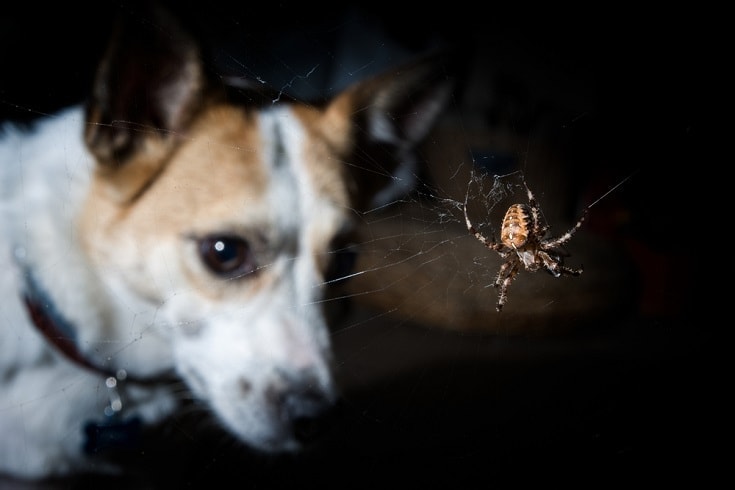
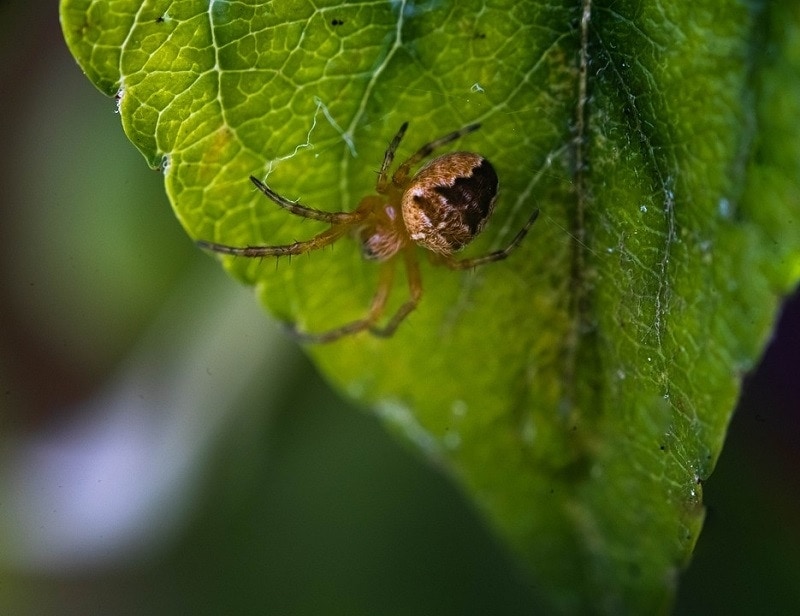
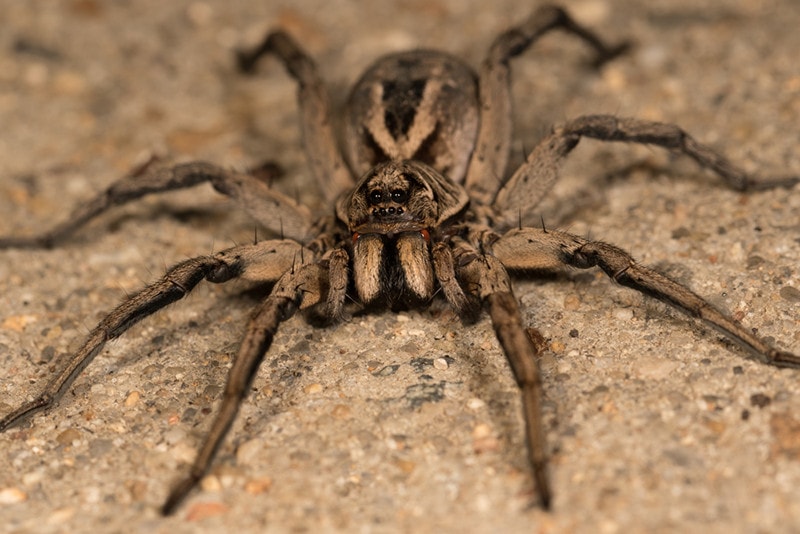
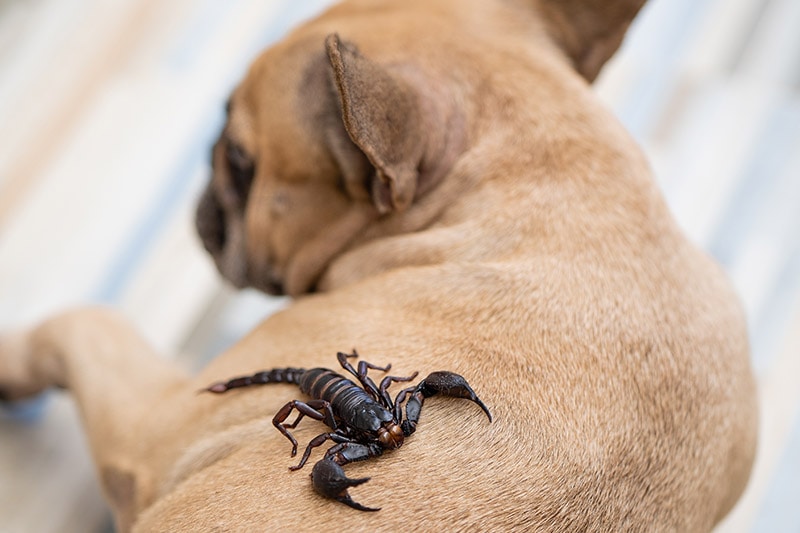
Fortunately, spider bites are a rare event for people and dogs. There are about 40,000 species of these eight-legged creepy crawlies across the globe.1 Only 12 are of significant concern. Of that number, two groups live in the United States, the recluse and widow types. Both live primarily in the Southeast, including the states of Ohio, Illinois, and Nebraska.2
The chances of you or your pup getting bit are small. There are typically only a couple of thousand cases a year.3 The fact remains that it’s usually something else, such as bed bugs, poison ivy, or an allergic reaction. Part of the problem with diagnosing a spider bite is that the perpetrator is long gone before the symptoms start.4 That makes identification difficult.
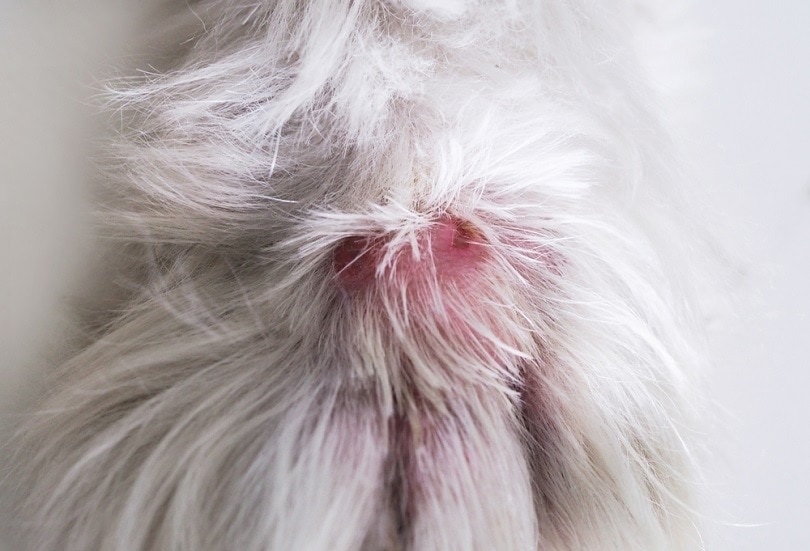
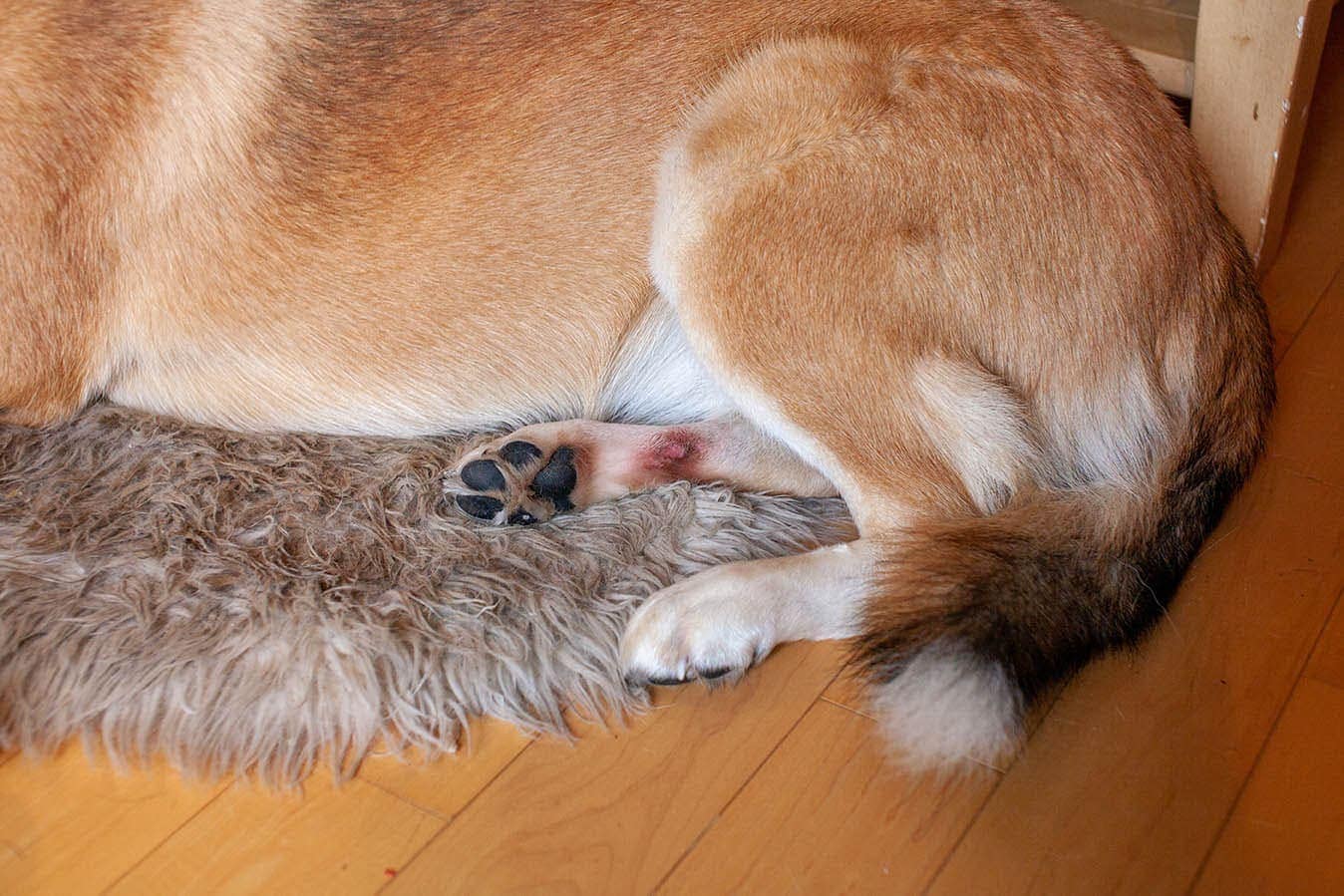
Your vet also can’t tell what caused the wound just by looking at it. Their so-called fangs won’t leave puncture marks, as many may believe. The accompanying symptoms can lead to the correct treatment. However, many are not diagnostic on their own. The sure sign that something is wrong is at the wound. You may see swelling with your pet experiencing pain on the spot. Other symptoms of a bite include:
Important Information
We must preface our discussion of home remedies for spider bites with this caveat. Bites from poisonous spiders require urgent veterinary care. If you suspect your dog has been bitten by a black widow or brown recluse spider, seek immediate veterinary attention. A dog will need to be administered antivenom by your veterinarian. When possible, take a picture of the spider and contact your veterinarian immediately. They will let you know if the case is an emergency.

The 7 Home Remedies for Spider Bites on Dogs
1. Wound Care
While you may not see the wound itself, you’ll likely notice the effects. The skin acts as a protective barrier against bacteria and other pathogens. The risk of an infection increases when something breaks through it. That makes proper wound care essential. You can clip the hair around the site to help keep it clean. Begin by washing it with warm water and soap. Then, apply an antimicrobial spray.

2. Ice
Ice is a great healer. It will reduce swelling and the redness that can accompany a spider bite or other wounds. Be sure to wrap the pack in a towel. Apply it for no more than 15 minutes at a time to prevent frostbite and more pain for your poor pup.
3. Pain Meds
Spider bites are often painful. Your veterinarian may suggest giving your pup an OTC non-steroidal anti-inflammatory drug like aspirin. It can provide temporary relief from the symptoms that are making your pooch uncomfortable. Consult your vet for the correct dosage for your pet and any other precautions you should know. However, do not give your pet acetaminophen or ibuprofen.

4. Baking Soda
If you can see an apparent spot of irritation on your dog, you can apply a paste of baking soda and water to the wound—after you’ve cleaned it. It is somewhat abrasive, so don’t rub in on the site. Pat it gently with a damp paper towel, instead. Apply only the smallest amount necessary to avoid toxicity.
5. Antihistamine
Even if the spider bite isn’t poisonous, it can cause an inflammatory or even an allergic reaction in your pet. Classic symptoms include redness, itchiness, and swelling. Your veterinarian may suggest giving your pup an antihistamine to quell the symptoms. Dosages vary with the type of active ingredient. Consult your vet before giving anything to your dog.
6. Canine-Safe Corticosteroid Ointment
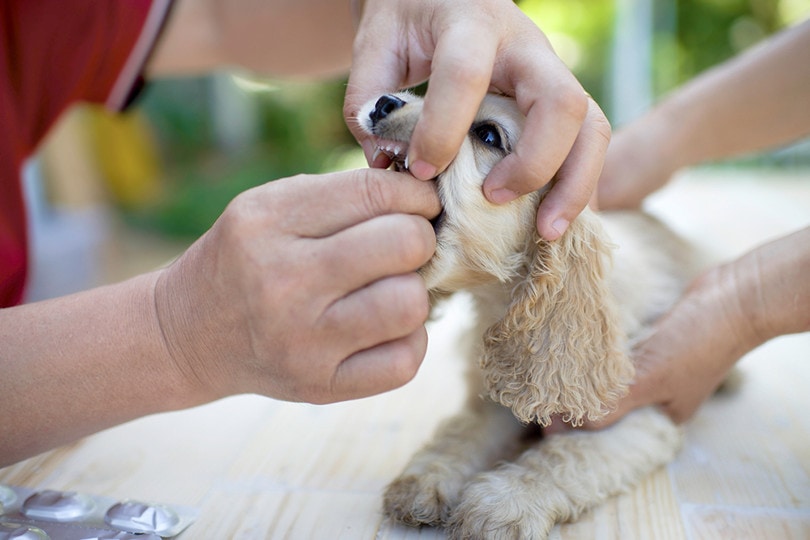
Corticosteroid ointments are topical ointments you can apply to your pet’s skin to provide relief from itchiness. Vets often prescribe these meds if a pup needs treatment for several days. The benefit of using these products is that they can help to prevent secondary infections caused by your dog scratching the bite site. Keep your pet from licking the wound for at least 20 minutes after applying.
7. Veterinary Care Follow-Up
It’s always a wise plan to follow up on any injury with a visit to the vet for any follow-up treatment. It’s imperative in the case of poisonous spider bites where the recovery time is often lengthy. The main concerns are infections, which can slow the healing process. Remember that many suspected spider bite cases are often something different. That means the treatment options may also vary.

What Not to Do For Spider Bites on Dogs
Many home remedies are not cures at all. Contrary to popular belief, remedies you use for yourself may not be effective for your pet. Some, such as essential oils, are even toxic and can worsen the signs, which can pose additional health risks to your dog.

Conclusion
It makes sense that some people fear spiders. They can pose a threat. However, like many phobias, the fact remains that you and your pet have little to fear from spiders. Common sense measures, such as shaking out your shoes or vacuuming webs, are excellent ways to avoid a nasty encounter and keep your pet safe.
The most helpful advice we can give you is to call your vet if you suspect the worst. Prompt medical attention is the single best home remedy.
See also:
Featured Image By: Rimma Bondarenko, Shutterstock
Get Hepper In Your Inbox


Pet care tips from our vets and experts, straight to your inbox.
You may opt-out at any time. View our Privacy Policy for more information.
Nicole is a lover of animals of all sizes but is especially fascinated with the feline variety. She’s the proud mom of Baby, a Burmese, and works every day so he can relax in the sunshine or by the fire. She’s always had a cat in her home and has spent countless days with others, observing behaviors and softening up even the grouchiest of the lot. Nicole wants to share her kitty expertise with you so you and your cat can live happy, healthy, and care-free.
Join the conversation
Ask a question, share your story, or send private feedback.