Hepper is reader-supported. When you buy via links on our site, we may earn an affiliate commission at no cost to you. Learn more.
My Dog Ate a Spider! Will They Get Sick? Vet Approved Advice


In this article
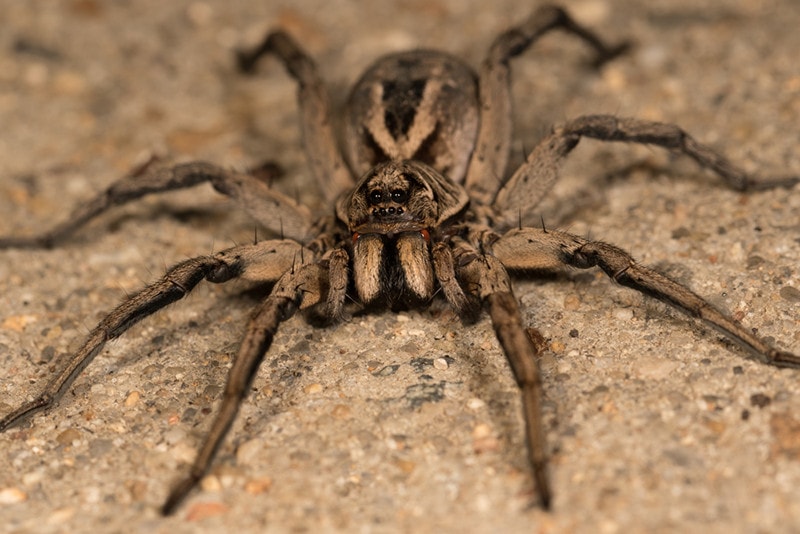
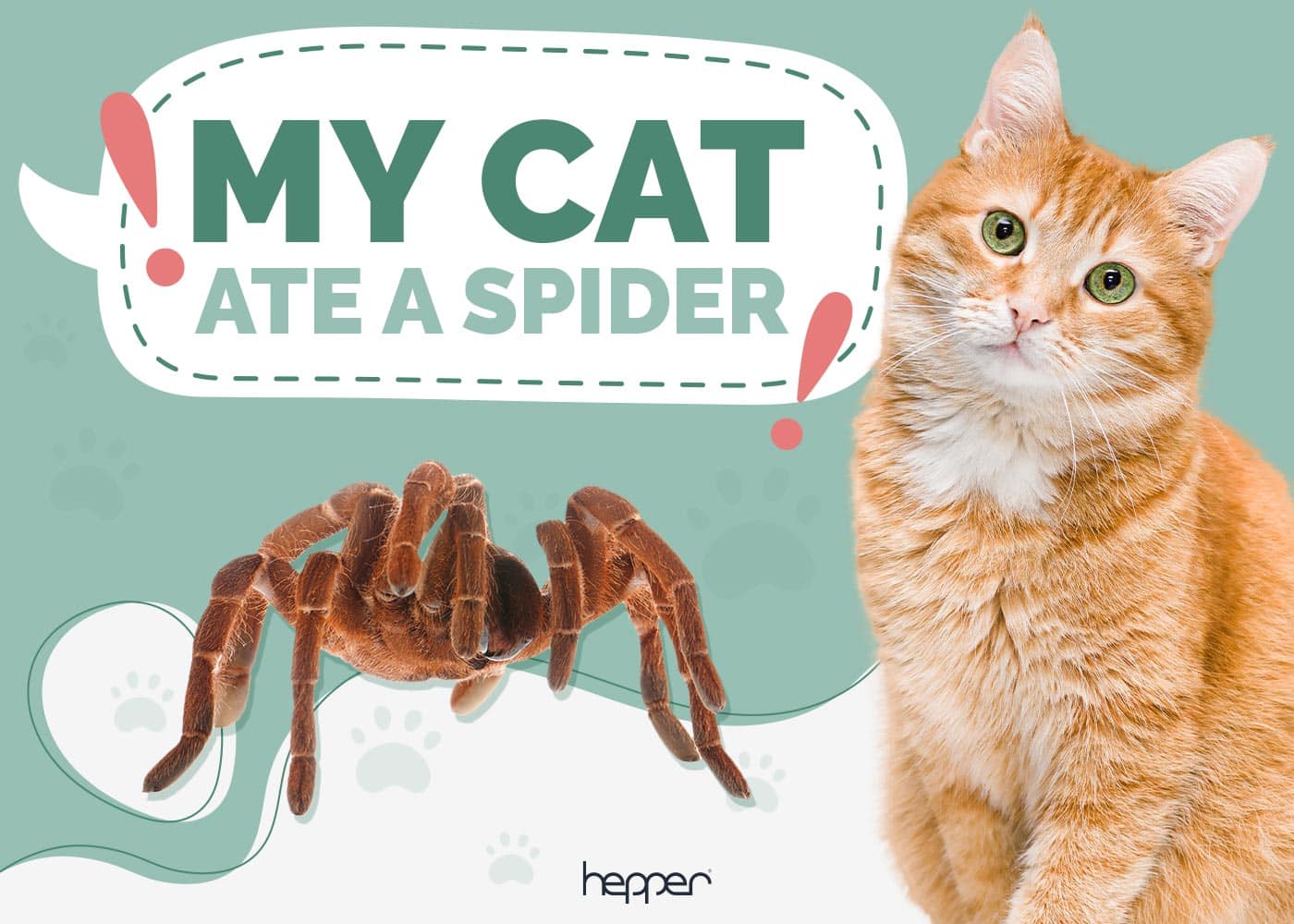
Most of us suffer from at least some degree of arachnophobia. That’s why, when we see our pup eat a spider, we are immediately concerned that they are in danger. The good news is that most house spiders are completely harmless to our dogs and us. What a relief! However, two venomous spiders are particularly dangerous, and you should be on the lookout for them, especially if they are native to the area in which you live.

Why Do Dogs Eat Spiders?
That’s simple. They move and are fun to play with! Your pup loves to play with toys because they are interactive, whether it is you on the other side of the toy or it’s an electronic toy that keeps them entertained without your help. Spiders and other bugs are just different forms of entertainment.
What Are the Symptoms?
Most household spiders are harmless to dogs. However, the two most dangerous spiders are the female black widow and brown recluse. Each species produces a unique venom that causes very different reactions. If your dog has eaten one of these venomous spiders there is a high chance they have been bitten as well so contact your vet straight away, some bites can be difficult to detect straight away.
Black Widow Spiders
Compared to other venomous spiders, black widows are easier to identify. Female black widows are larger than males and all black except for a red or orange hourglass-shaped marking on their bellies. Males are all black or brown and are less venomous than females. Various species of black widows are found throughout the US and parts of Canada except for Alaska and other northernmost regions where it is coldest.
The venom of Black Widows contains a neurotoxin- a poison which acts on the nervous system. So if you suspect your dog has been bitten by one you’ll need to get your dog to a vet as soon as possible so they can receive antivenom. If it is after regular business hours, find an emergency vet to help you. Visible signs that your dog has tangled with a black widow include:
- Severe muscle pain
- Cramping
- Vomiting
- Diarrhea
- Drooling
- Incoordination
- Tremors
- Paralysis (which may be fatal)
Brown Recluse Spiders
Like black widow spiders, the brown recluse has recognizable markings. They can range from light to dark but always have a violin-shaped pattern toward the back of their body. Their legs are also thicker than many other spider species. They are usually found in the south, up to the northeast, and in many areas of the Midwest.
Brown recluse spiders are dangerous in several ways. Not only is the venom initially toxic, but the wound is also necrotizing. It will begin to fester, killing surrounding tissue and increasing the chance of infection if not treated immediately.
Their venom is highly toxic and works quickly. You will need to seek veterinary care as soon as possible. Unlike black widows, however, there is no antivenom. The visible signs include:
- Pain and itching at the bite site
- Lethargy
- Fever
- Bruising
- Bleeding
- Seizures

Do You Use Insecticides?
Some insecticides are not pet-friendly and could be dangerous if your dog were to eat a spider or another bug that was exposed to them. Even if you take precautions to spray insecticides in areas your dog doesn’t have access to or allow it to dry thoroughly before allowing your pet back into the room, there is still the possibility that bugs could bring the chemicals right to them.
When shopping for chemicals, be sure to choose ones that are pet-safe even if ingested. Remember that not every all-natural or organic bug spray is safe for pets. If you use chemicals in your home and you know that your pet has eaten a spider or other bug, be on the lookout for these signs of insecticide poisoning:
- Drooling
- Vomiting
- Diarrhea
- Uncontrolled urination
- Weakness
- Incoordination
- Muscle spasms
- Trouble breathing
- Tremors
- Collapse
- Seizures
What Should You Do if Your Dog Eats a Spider?
If you know your dog has come into contact or eaten a venomous spider, contact your veterinarian. They will know the clinical signs of each venomous species native to your area and can help you spot any potential warning signs. If there is a possibility of danger or you know they’ve been exposed to something potentially life-threatening, they will ensure your pup gets the care they need. Depending on the type, spider bite treatment may include antivenom, wound care, or supportive care over several weeks while they heal.

Can You Stop Your Dog Eating Spiders?
Bugs and spiders are everywhere, so you may be unable to prevent your dog from eating them. However, you may be able to limit their exposure and reduce the risk that they will come in contact with a particularly poisonous one.
While Outdoors
Spiders feast on smaller insects, and your flower beds, weeds, and standing water attract bugs, which draws spiders into the yard. Because they love to hide in dark places, you should try to keep your dog away from those areas. When outdoors, keep your pup on a leash to avoid scavenging.
Keep your yard free of debris and overgrown plants where these spiders are more likely to reside.
While Indoors
You can make your home less inviting in several ways, including reducing the number of bugs outside your home and turning off exterior lighting. Spiders like taking up residence in every nook and cranny so reducing clutter inside and outside, and regular vacuuming will also reduce spider numbers.
Conclusion
Many dogs love to play with and eat spiders and insects. It may be impossible to stop them if they find it fun and get into the habit. Spiders are not normally aggressive and generally will try to hide away. Bites are most likely to occur when they are trapped and bothered by an inquisitive dog. You can reduce the number of spiders on your property with preventative measures, but if your dog consumes or has contact with a dangerous species, go to the vet immediately.
Featured Image Credit: Rimma Bondarenko, Shutterstock
Get Hepper In Your Inbox


Pet care tips from our vets and experts, straight to your inbox.
You may opt-out at any time. View our Privacy Policy for more information.
Krysha is a proud mom to Shelly, a tortoiseshell “Tortie” rescue kitty that loves to talk back, especially if I’m late with breakfast. Shelly’s big personality, despite her small stature, has been a driving force behind my ambition to spread awareness about local shelters and the small things residents, support groups, and non-profits can do to support them. Growing up, Krysha experienced the care of many pets, from cats and dogs to turtles and small lizards to hamsters and tropical fish.
Krysha is a freelance content writer specializing in pets, travel, and wellness. Her writing career began in 2009 while still studying English and Creative Writing at the University of Nevada, Las Vegas. Now, her creative writing skills combine with technical SEO experience to provide high-quality blog and web content for eCommerce and service-based websites.
Join the conversation
Ask a question, share your story, or send private feedback.