Hepper is reader-supported. When you buy via links on our site, we may earn an affiliate commission at no cost to you. Learn more.
What Does a Spider Bite Look Like on a Dog? (Vet Approved Guide)


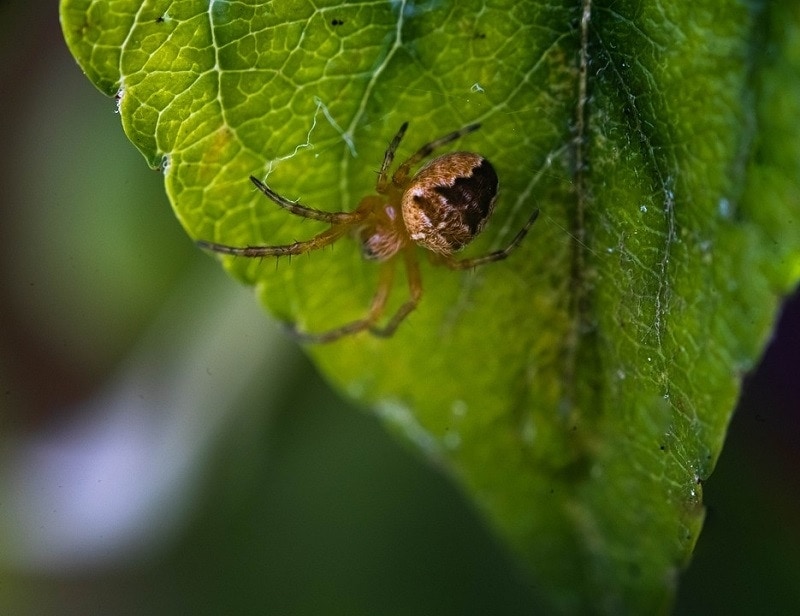
It’s hard to imagine two animals more different than dogs and spiders. One is cute, cuddly, and furry, and the other is literally made of nightmares. Okay, that’s not completely true. Spiders are cute in their own way, and they’re incredibly beneficial to the world’s ecosystem.
Of course, none of that matters if one of those spiders bites our beloved pooches. Certain spiders can actually be quite dangerous for dogs, so it’s important to know whether your dog has been bitten or not.
However, most dogs are unable to inform their owners that they’ve been bitten (with the exception of Droopy and Scooby-Doo). That’s why it’s so important that you can recognize the signs of a spider bite.
To help you in that regard, we’ve put together a quick guide to determining if your dog has been bitten by a spider.

How to Tell If Your Dog’s Been Bitten by a Spider
It can be difficult to tell if your dog’s been bitten by a spider after it happens unless you witnessed it happen or found the spider in your dog’s fur. What does a venomous spider bite look like on a dog?
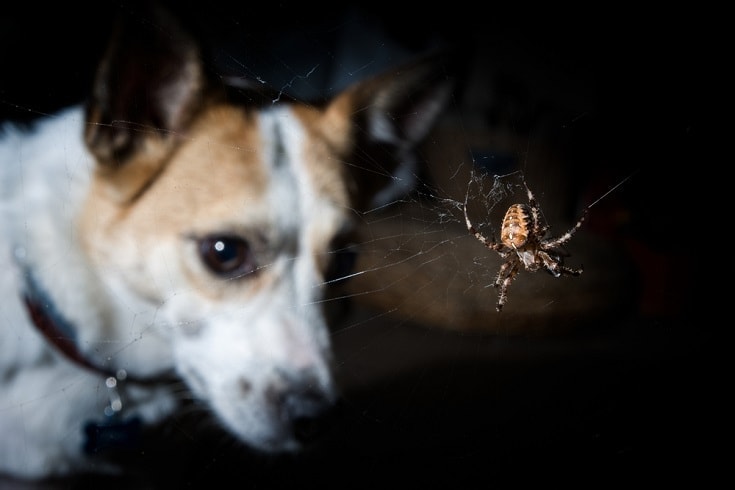
As a result, you’ll likely need to look for certain behaviors after the fact, like:
All of these are signs of a venomous spider bite. If your dog is showing any of these, you should examine their skin underneath their fur to see if you can find a bite location and contact your vet immediately.
A bite from a non-venomous spider should cause itching, mild redness, and irritation. If your dog is allergic to the spider, the reaction will be more severe and worrisome.
Your dog may help you by licking at the bite site or whining if you touch it. However, not all bites are painful, at least not at first, so this isn’t always a reliable indicator.
When examining your dog’s skin, look for a red or irritated area. A raised bump may be present, and the site may or may not be filled with pus or blood.

What to Do If Your Dog’s Been Bitten
If you’ve discovered that your dog’s been bitten by a spider, it’s important to act quickly. Many dogs won’t require medical intervention due to spider bite, but if yours does need medical help, then the longer you wait, the more damage that the venom can do. You want to get it neutralized as soon as possible.
If you can, capture the spider that bit your dog (but don’t put yourself in any danger to do so). If that’s not possible, try to take a picture or two so your vet can have an idea of what kind of venom they’re working with.
Then, call your vet and describe the bite and the spider responsible. Your vet will probably want to know what kind of symptoms that your dog is exhibiting, so be as thorough and descriptive as possible.
There’s a good chance your dog will be fine even without visiting the vet. However, if your pup has shown any of the signs listed above, especially the more serious ones, then you want to take them in as soon as possible so the vet can administer treatment.
If your dog is allergic to the spider bite, then full recovery can take longer. However, most dogs are good as new within a few days.


Which Spiders Are Dangerous to Dogs?
Most spiders are completely harmless and are in fact quite beneficial. However, there are a few species in North America that pack especially potent venom, so you should take bites from these spiders especially seriously.
Even though most of these spiders carry highly toxic venom, your dog’s prognosis is good, especially with medical intervention.
Also, not every spider bite injects venom. Venom is highly precious to spiders, so some will inflict a “dry bite,” in which no venom is injected, to warn away non-prey animals. Still, you should take every bite seriously until you have reason not to.

How to Minimize the Risk of Spider Bites
Spiders are everywhere, so you’ll never fully eliminate them from your home or property. However, there are some things you can do to reduce the risk that your dog will be bitten by a venomous species.
The most important thing is to make your home inhospitable to the eight-legged critters. Both types of widow and brown recluses are attracted to areas like woodpiles and heaps of cardboard, so keeping your surroundings clean will discourage them from moving in.
While tarantulas are common in the American southwest, dogs are most likely to encounter them when they’re kept as pets. You may want to avoid bringing a pet spider home if you have a curious dog, but if you insist on sharing your room with a giant spider, make sure it never gets out or interacts with your dog in any way.
Keep in mind that spiders are attracted to any area where prey is prevalent, so try to keep the insect population around your house under control as much as possible. That means not leaving standing water, emptying garbage regularly, and even spraying your premises with pesticides.
Given how beneficial spiders are, we generally recommend leaving them alone if you see them building webs. That’s not the case with the spiders on the previous list, though. You should take prompt action to kill them if you spot them and remove their webs so others don’t move in.

Spiders Are Friends, Not Foes
Spiders may be creepy, but the benefit that they provide vastly outweighs their occasional danger. You might have trouble convincing your dog of that, though, so it’s best to avoid putting your pup in situations where a bite may occur. Luckily, most spiders prefer to be left alone, and they don’t want to waste their venom on an animal that they can’t eat.
You might also be interested in: Black Fly Bites on Dogs: Our Vet Explains Signs, Treatment & Prevention
Featured Image Credit: fleglsebastian7, Pixabay
Get Hepper In Your Inbox


Pet care tips from our vets and experts, straight to your inbox.
You may opt-out at any time. View our Privacy Policy for more information.
Nicole is a lover of animals of all sizes but is especially fascinated with the feline variety. She’s the proud mom of Baby, a Burmese, and works every day so he can relax in the sunshine or by the fire. She’s always had a cat in her home and has spent countless days with others, observing behaviors and softening up even the grouchiest of the lot. Nicole wants to share her kitty expertise with you so you and your cat can live happy, healthy, and care-free.
Join the conversation
Ask a question, share your story, or send private feedback.