Hepper is reader-supported. When you buy via links on our site, we may earn an affiliate commission at no cost to you. Learn more.
Wolf Spider Bites on Dogs - A Vet Reviewed Safety Guide


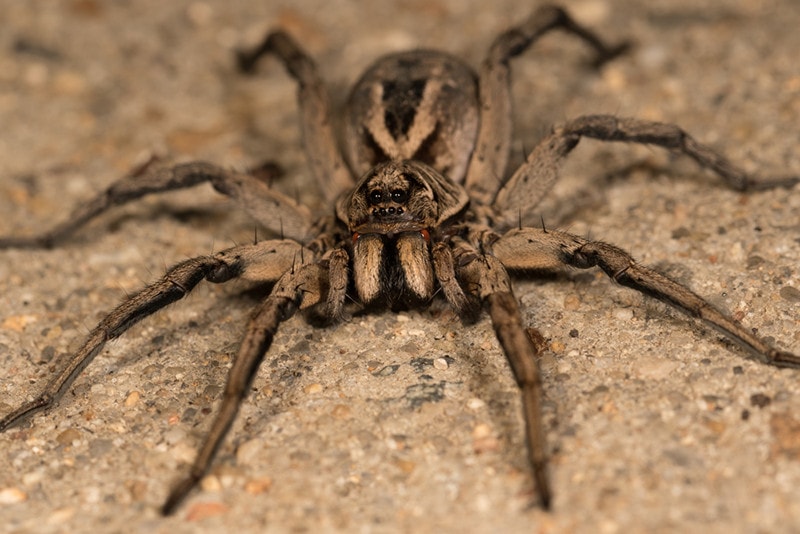
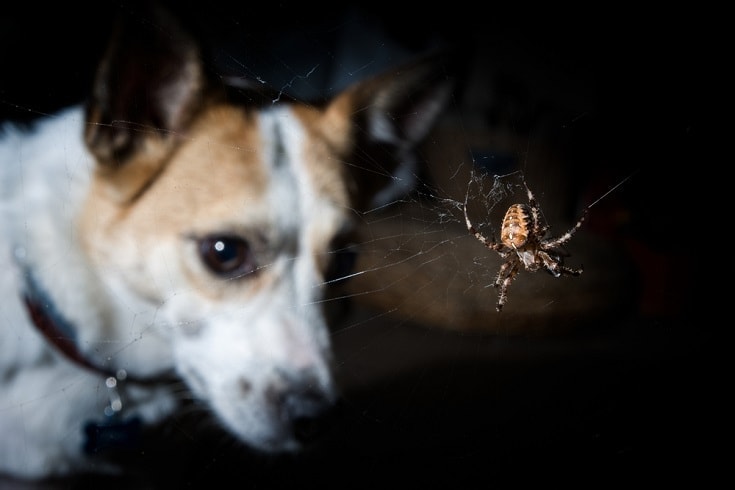
With over 250 species found in North America alone, wolf spiders are one of the most widespread eight-legged species. The chances of your dog encountering a wolf spider are somewhat moderate, although the arachnids are not naturally aggressive. If your dog gets a wolf spider bite, you should know that their bites are typically not considered dangerous or life-threatening unless your pet suffers an allergic reaction to the venom.
Though it’s best to contact your vet if you suspect a wolf spider bite, the bite itself is usually not an immediate emergency, unlike bites from two other spider species that we’ll discuss in this article. We’ll also go over the signs of an allergic reaction since this response can be dangerous to your dog.

Wolf Spider Bites: What to Watch For and What to Do
Wolf spiders are not aggressive and usually will only bite your dog if they feel threatened. Unfortunately, curious dogs can easily be considered a threat by the spider! Almost all spiders contain at least some venom, but their prey is often very small when compared to a dog, therefore the bites are usually not considered an immediate medical emergency. Only a few species of spiders have neurotoxins in their venom that are dangerous for dogs.
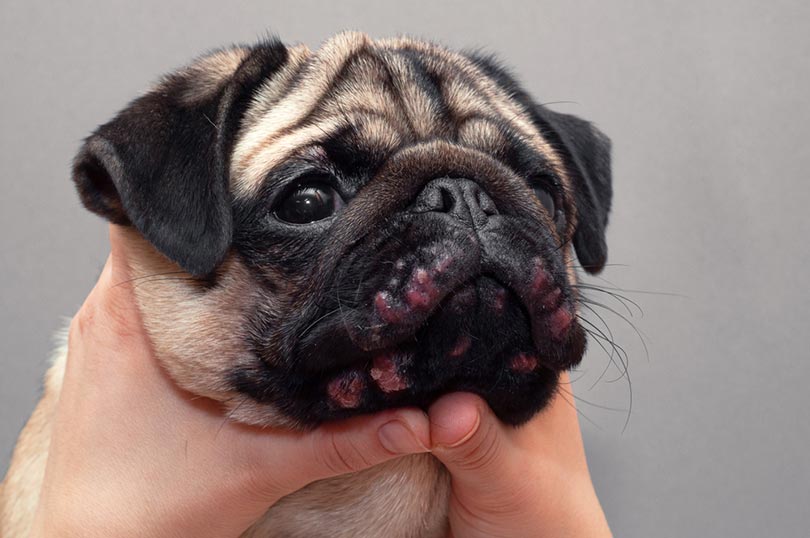
Unless you spot your dog bothering a wolf spider, you may not realize they’ve been bitten until after it’s happened. Signs of a wolf spider bite include:
Signs of a Wolf Spider Bite
Again, spider bites can be hard to identify unless you see the offending creature near your dog. If you notice any of these signs, it’s best to have your dog checked by a vet. Spider bites can get infected without proper care, and your dog may also need medications for pain.

Allergic Reactions to Wolf Spider Bites
If your dog is allergic to wolf spider venom, it can take only minimal exposure to trigger a reaction. You likely won’t know your dog is allergic before the bite, so it’s important to be aware of the signs of a reaction.
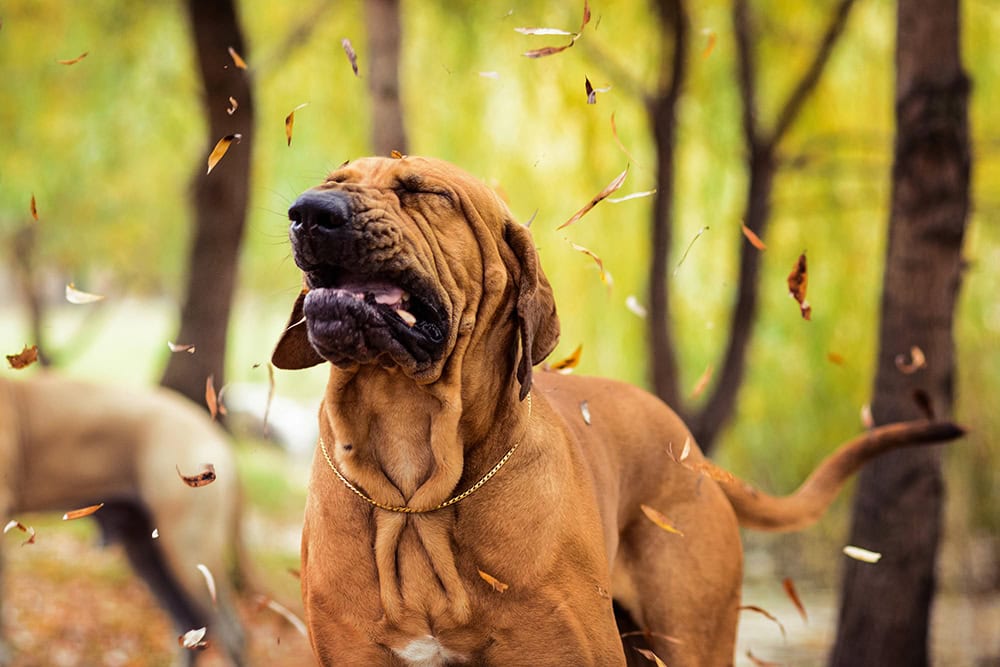
Signs of an allergic reaction to a wolf spider bite can be mild to life-threatening depending on the extent of the allergic reaction in your dog. This level of reaction is an individual trait unique to each dog; there is no breed or sex bias towardsa potential spider bite allergy. The signs of spider bite allergies include the following.
Signs of An Allergy to Spider Bites
Getting your dog to the vet quickly is vital if you suspect an allergic reaction. If your dog is having trouble breathing, they are considered a medical emergency case and therefore require immediate veterinary attention.
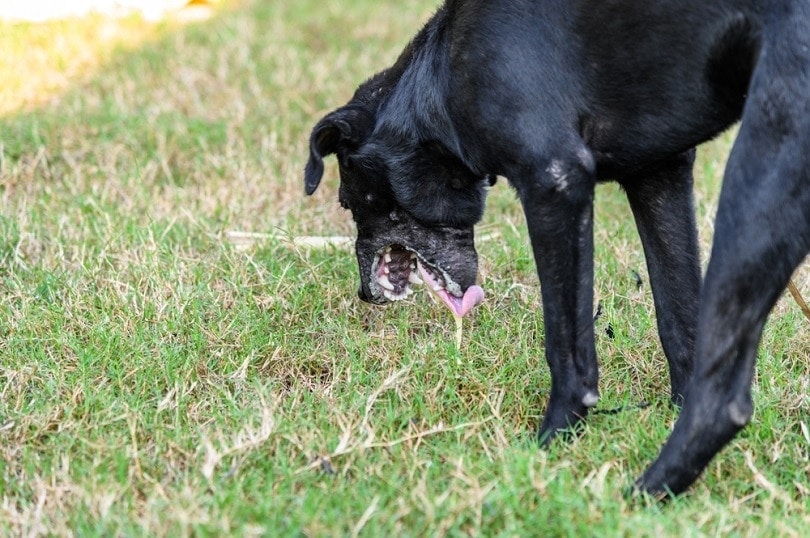
Photo Credit: Mumemories, Shutterstock
Dangerous Spider Bites: What to Look For and What to Do
In North America, two species are considered venomous to dogs: black widow spiders and brown recluse spiders.
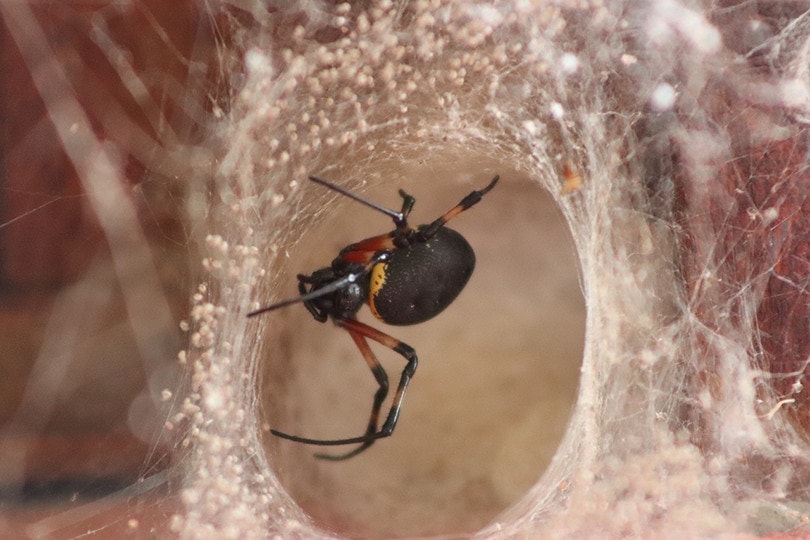
Black Widow Spiders
Female black widow spiders are more dangerous than males. They are small, dark gray-black spiders with a distinct red or orange hourglass shape on their abdomen. They are found in dark locations like basements, sheds, air conditioning units, and wood piles.
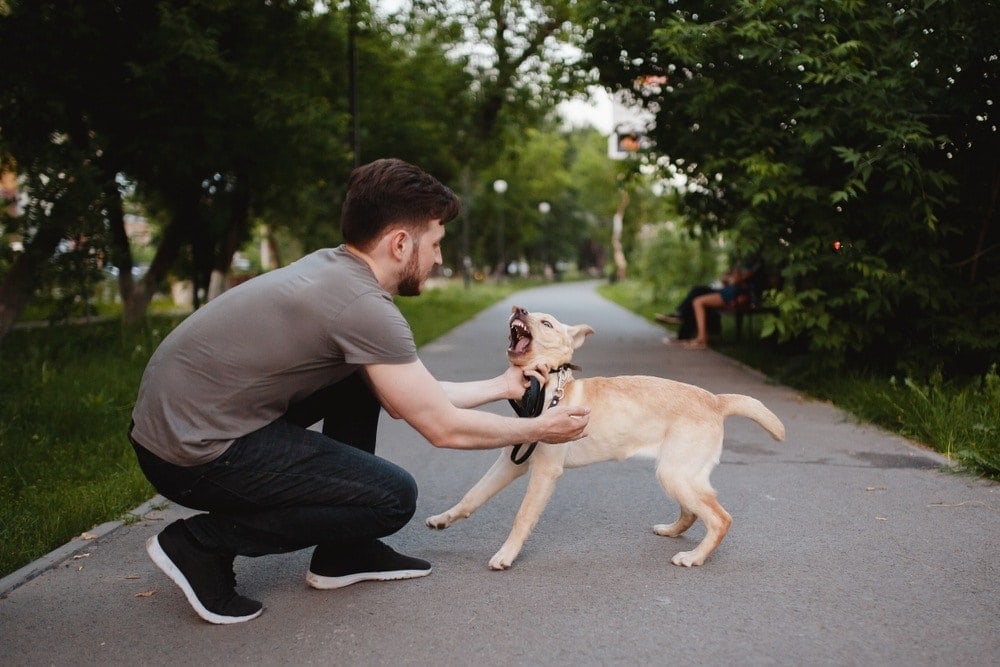
Black widows produce a neurotoxin, and dogs that are bitten usually experience immediate pain. Signs of a black widow spider bite usually appear within 8 hours and include the following:
Signs of a Black Widow Spider Bite
If you suspect your dog has suffered a black widow spider bite, prioritize taking your dog to a vet as soon as possible. If you can carefully bring the spider with you in a jar, this may help with identification. However, it isn’t necessary to prioritize capturing the spider. Remember that a picture of the spider can be just as good for the purposes of identification.
Brown Recluse
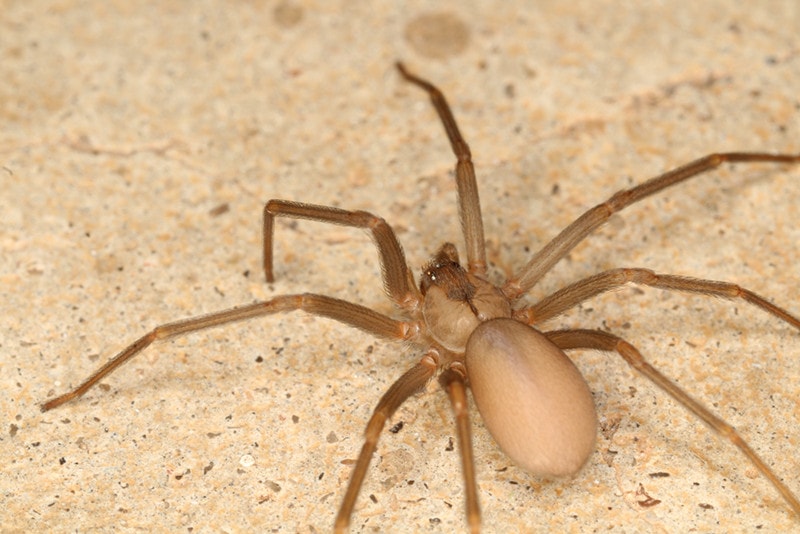
The brown recluse is smaller than the black widow and more likely to be found indoors. They like dark, warm environments. These spiders are yellow-brown with darker, violin-shaped markings on their body.
Brown recluse spiders are shy and only bite if they feel cornered. Signs of a brown recluse can take longer to appear, and bites are not usually painful at first. Brown recluse venom causes tissue damage.
Brown recluse bites usually develop a blister, followed by a larger lesion that looks like a bullseye. As the venom damages your dog’s tissues, they may develop a fever or become lethargic. Sometimes, a brown recluse bite can lead to kidney damage and issues with blood clotting.
Brown recluse bites are usually easier to identify because of their characteristic bullseye look. Have your dog seen by a veterinarian if they suffer a brown recluse bite. Infection, pain, and the more serious effects we mentioned all require treatment.
Summary
Wolf spiders may look scary, but their bite is usually no more serious to your dog than a bee sting or large insect bite. Talk to your vet if you suspect a wolf spider bite, but it’s usually not an emergency unless your dog has an allergic reaction. The two much smaller spider species—the black widow and brown recluse—pose more of a threat to your dog. Try not to let your dog explore wood piles or dark corners outside where black widow spiders may be lurking. Again, most spiders aren’t looking to bite and will only do so to protect themselves.
See also: My Dog Ate a Spider! Will They Get Sick? Vet Approved Tips
Sources
Featured Image Credit: Katarina Christenson, Shutterstock
Get Hepper In Your Inbox


Pet care tips from our vets and experts, straight to your inbox.
You may opt-out at any time. View our Privacy Policy for more information.
A lifelong lover of all creatures great and small, Elizabeth got her first cat at 5 years old and at 14, she started working for her local veterinarian. After spending more than 20 years working as a veterinary nurse, Elizabeth decided to step away to become a stay-at-home parent to her daughter. Now, she is excited to share her knowledge with our pet parents. Elizabeth lives in Iowa with her family, including her two fur kids, Linnard, a husky mix and Algernon, the worldʻs most patient cat. When not writing, she enjoys reading, watching soccer, and spending time outdoors with her family.
Join the conversation
Ask a question, share your story, or send private feedback.