Hepper is reader-supported. When you buy via links on our site, we may earn an affiliate commission at no cost to you. Learn more.
How Big Does a Miniature Schnauzer Get? (With Growth & Weight Chart)

In this article
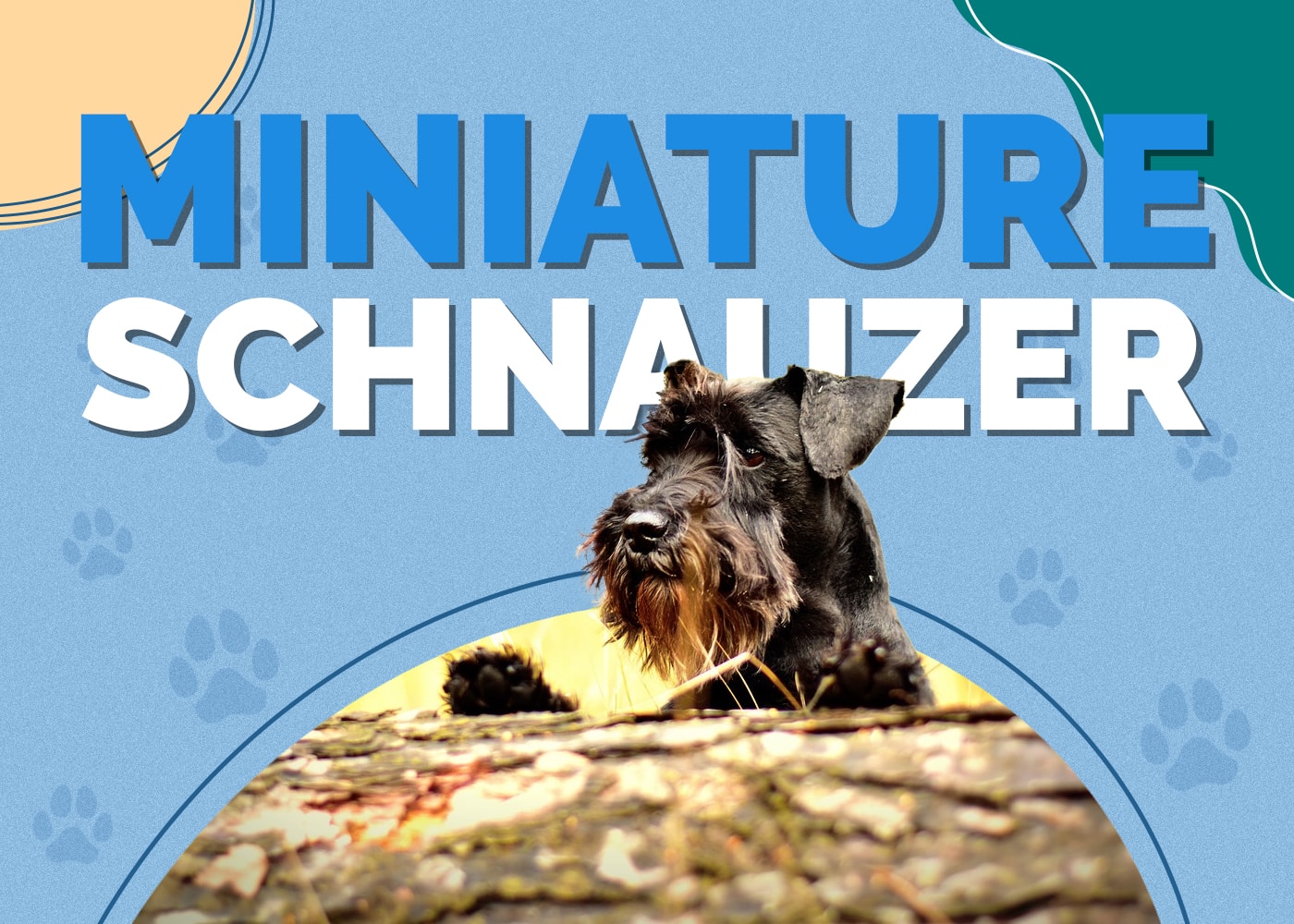
Miniature Schnauzers are feisty dogs that are almost as sassy as they are cute. These dogs originated in Germany in the 19th century, and they have been a relatively popular breed ever since. In fact, they are ranked as the 18th most popular dog breed in the United States.
Although they have big personalities, the Miniature Schnauzer doesn’t get very large, but to make sure your Miniature Schnauzer is on a course for breed standard development, it’s important to know the expected growth of these pups.

Facts About Miniature Schnauzers
- The Miniature Schnauzer was originally created to be a ratter. While they can be bodacious and will happily hunt small animals, they are generally not aggressive dogs that can happily live in homes with other pets.
- This is a low-shedding dog breed. They are not hypoallergenic dogs since no dog breeds are truly hypoallergenic, but due to their low shedding amount, they may be less likely to irritate the allergies of some people with dog allergies.
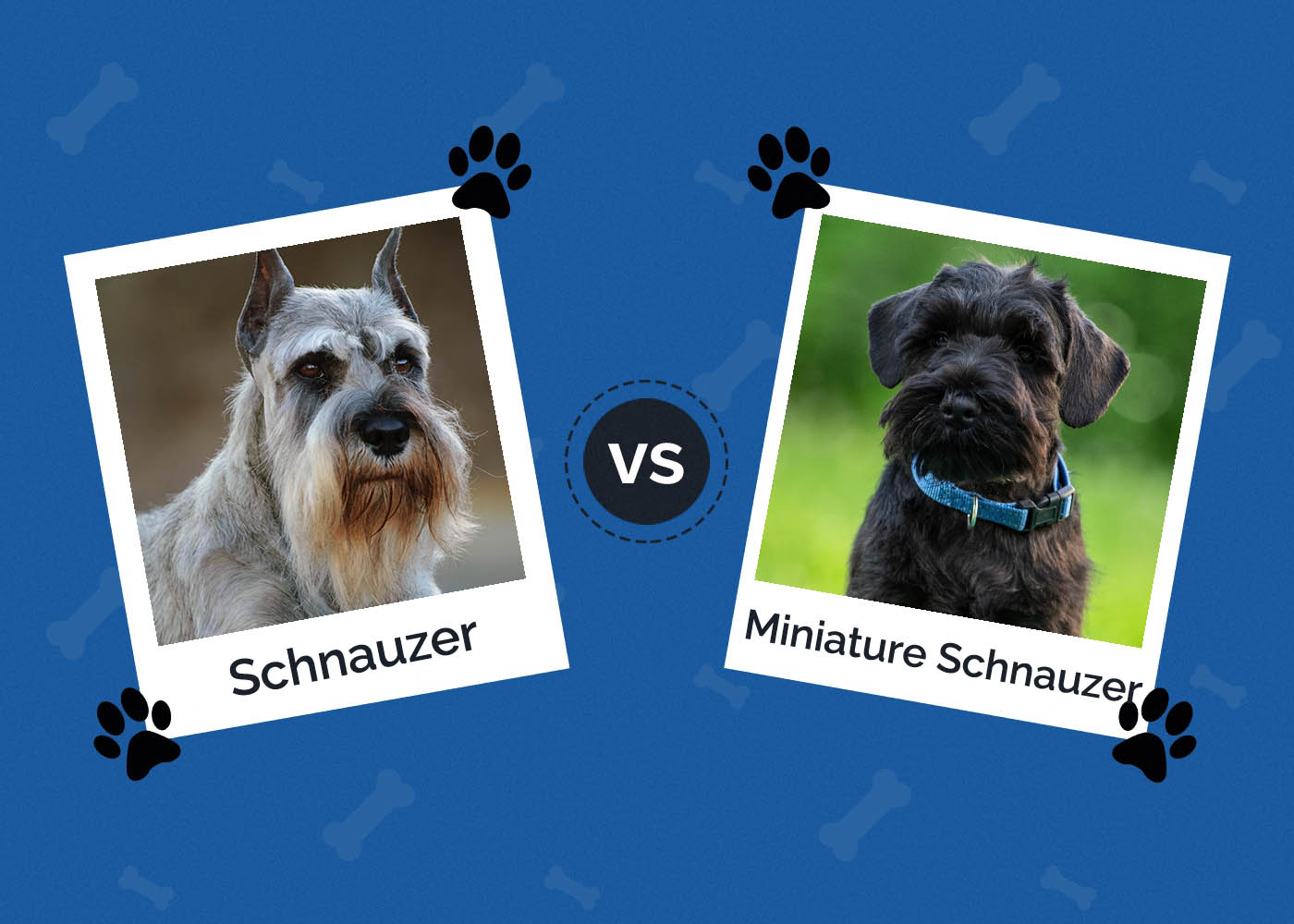
- These hardy dogs were developed from the Giant Schnauzer and Affenpinscher breeds. The Miniature Schnauzer is far closer in size to the Affenpinscher than to its other cousin, the Giant Schnauzer.
- According to a book titled The Intelligence of Dogs, the Miniature Schnauzer is the 12th most intelligent breed out of all dog breeds.
- While you may have consistently seen Miniature Schnauzers with short tails, especially if you live in the United States, this breed actually has a long tail naturally. Short tails have been docked.

Miniature Schnauzer Size and Growth Chart
Like most purebred dogs, there is a general expectation of growth for the Miniature Schnauzer. The exact measurements will vary between dogs, depending on genetics, breeding, health, and environment. However, dogs that aren’t tracking close to the expected growth pattern may need to be evaluated by a vet to rule out medical conditions and nutritional deficiencies.
| Age | Weight Range | Height Range |
| Newborn | 4–9 ounces | 1–3 inches |
| 2 months | 2–5 pounds | 2–5 inches |
| 3 months | 4–8 pounds | 4–6 inches |
| 4 months | 7–11 pounds | 4–7 inches |
| 6 months | 9.5–15.5 pounds | 8–10 inches |
| 8 months | 10.5–18 pounds | 9–11 inches |
| 10 months | 11–18 pounds | 11–12 inches |
| 12 months | 11–18 pounds | 11–13 inches |
| 18 months | 11–18 pounds | 12–14 inches |
When Does a Miniature Schnauzer Stop Growing?
Miniature Schnauzers typically are at their adult weight around 12 months of age, which is normal for many miniature and small dog breeds. There is some potential for height growth in Miniature Schnauzers past 12 months of age, but there is very little likelihood of growth beyond 18 months. Some Miniature Schnauzers may continue to gain weight past 12–18 months of age, but there is little weight gain that needs to occur.
This breed is prone to obesity, so working to maintain a healthy body weight is important for the overall health of the Miniature Schnauzer.

Factors Affecting the Size of a Miniature Schnauzer
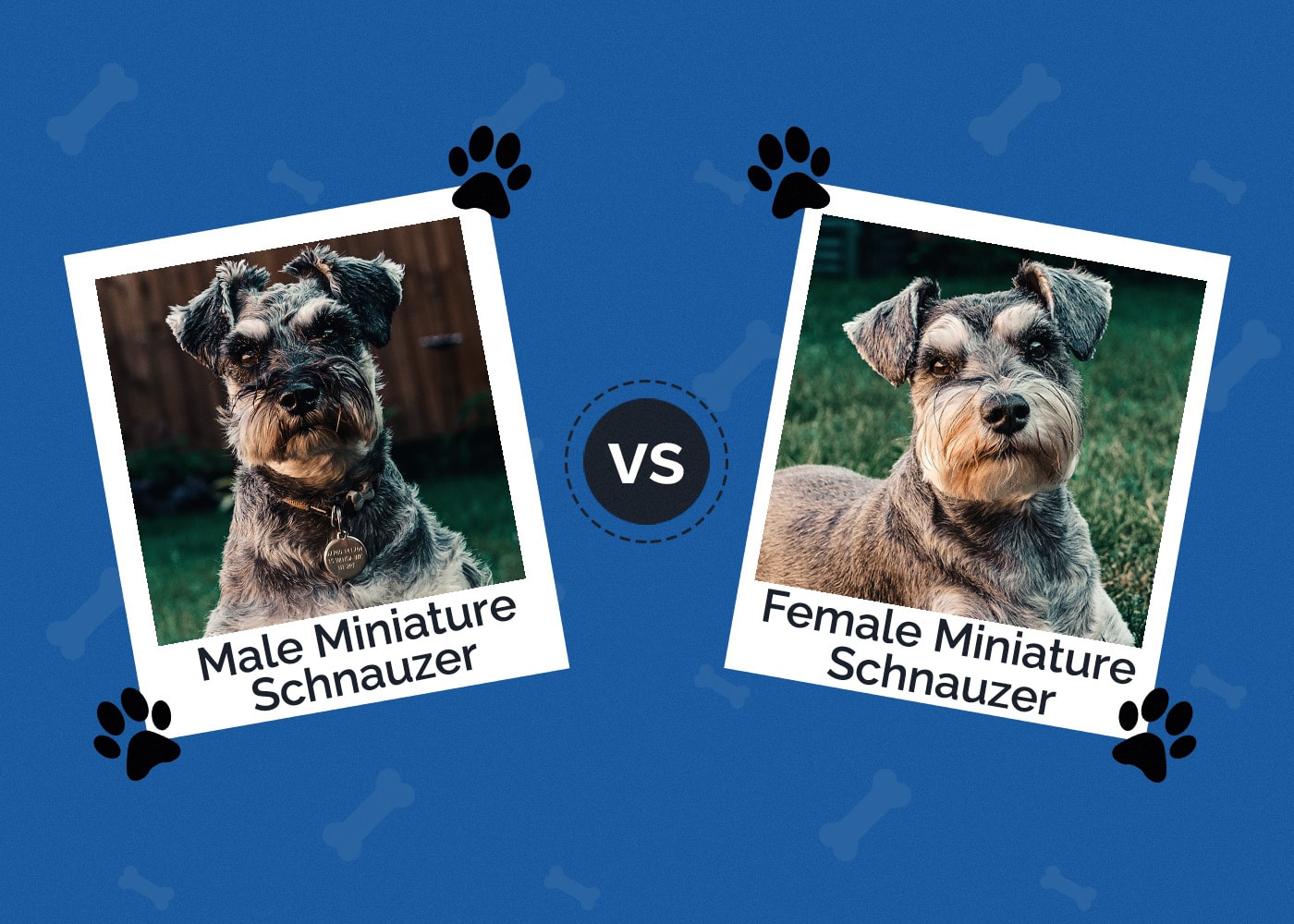
Genetics, nutrition, breeding, sex, and external environmental factors can all influence the adult size of a Miniature Schnauzer. Male Miniature Schnauzers are usually larger than females, and even between males and females of a similar height, males often outweigh females.
Proper nutrition will ensure healthy growth for Miniature Schnauzers. For pups that don’t receive proper nutrition during their first year of life, there is an increased chance of small stature, as well as a potential for problems with the musculoskeletal system.
Miniature Schnauzers that aren’t bred to meet the set standard of the breed have the potential to be larger or smaller than the breed standard for Miniature Schnauzers. As with all things, there is a chance of being on the larger or smaller side depending on genetics.
Ideal Diet for Maintaining a Healthy Weight
To maintain a healthy weight for a Miniature Schnauzer, it is important to offer a high-quality diet that supports healthy body weight and muscle mass. Daily activity is also necessary for maintaining a proper body weight. Due to the risk of obesity for this breed, diligence with food measurements, limiting treats, avoiding table scraps, and providing plenty of opportunities for play and exercise daily are necessary.
Aside from maintaining a healthy body weight, there are other reasons to maintain a healthy diet for your Miniature Schnauzer. This breed is prone to developing pancreatitis, which can be exacerbated or initiated by high-fat foods, like table scraps and low-quality dog foods and treats.
There is also a risk of both calcium oxalate and struvite bladder stones, so urinary food may become necessary. These foods can be high in fat and calories, so it is important to discuss this with your vet before transitioning your dog to one of these foods.

How to Measure Your Miniature Schnauzer
The AKC and most other kennel and breed clubs measure dogs from the feet to the withers. Withers are the topmost point of a dog’s shoulder blades. To measure a Miniature Schnauzer, start with a soft tape measure at the floor level of one of the front feet. Stretch the tape measure up to the top of the withers, and that measurement will provide you with the dog’s height.

Conclusion
Miniature Schnauzers are fun dogs that love their people, but they can be a handful sometimes. They are generally small dogs, making them a good fit for homes without much space. They can be high-energy dogs, and daily exercise is necessary for this breed due to its risk of obesity, so they are best suited for a home that is willing to meet their energy and nutritional needs to ensure healthy growth, development, and body weight.
There are also some health conditions that the Miniature Schnauzer is prone to other than obesity, including urinary stones, diabetes, pancreatitis, and epilepsy. Urinary stones are the most common genetically linked condition that this breed experiences, so feeding a food that supports urinary health may be necessary, but your vet will be able to guide you in making this decision.
Sources
Featured Image Credit: Roman Zaiets, Shutterstock
Get Hepper In Your Inbox


Pet care tips from our vets and experts, straight to your inbox.
You may opt-out at any time. View our Privacy Policy for more information.

After nine years as a veterinary assistant, Brooke Billingsley transitioned to a career as a nurse in 2013. She lives in Arkansas with her boyfriend, sharing their home with three dogs, two cats, five fish, and two snails. A dedicated animal lover, Brooke has a special place in her heart for special needs pets, including a three-legged senior dog and a famous cat with acromegaly and cerebellar hypoplasia. Fish keeping is one of her hobbies, and she is constantly improving her knowledge to care for her aquarium pets. Brooke is an active yoga enthusiast, having obtained her 200-hour yoga teacher certification in 2020. She believes in the importance of continuous learning and dedicates time each day to developing new skills and expanding her knowledge.
Join the conversation
Ask a question, share your story, or send private feedback.