Hepper is reader-supported. When you buy via links on our site, we may earn an affiliate commission at no cost to you. Learn more.
How Can I Put My Cat on a Diet: 9 Vet-Approved Ways



In this article
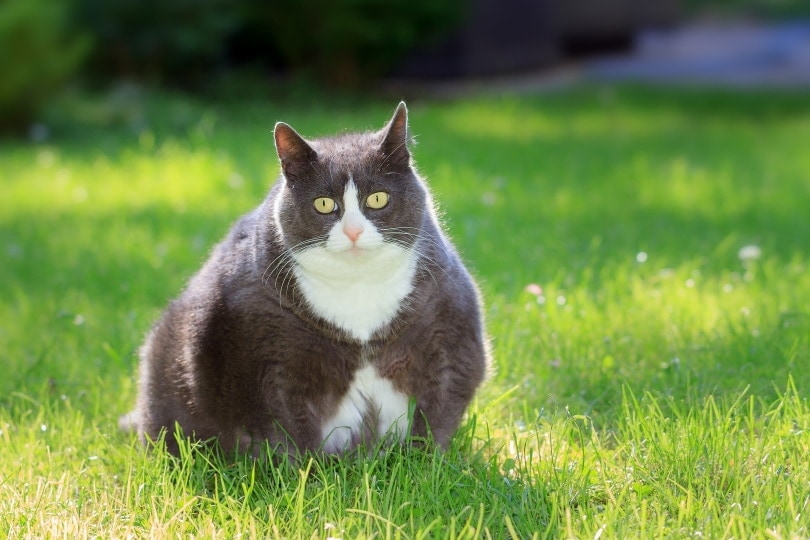
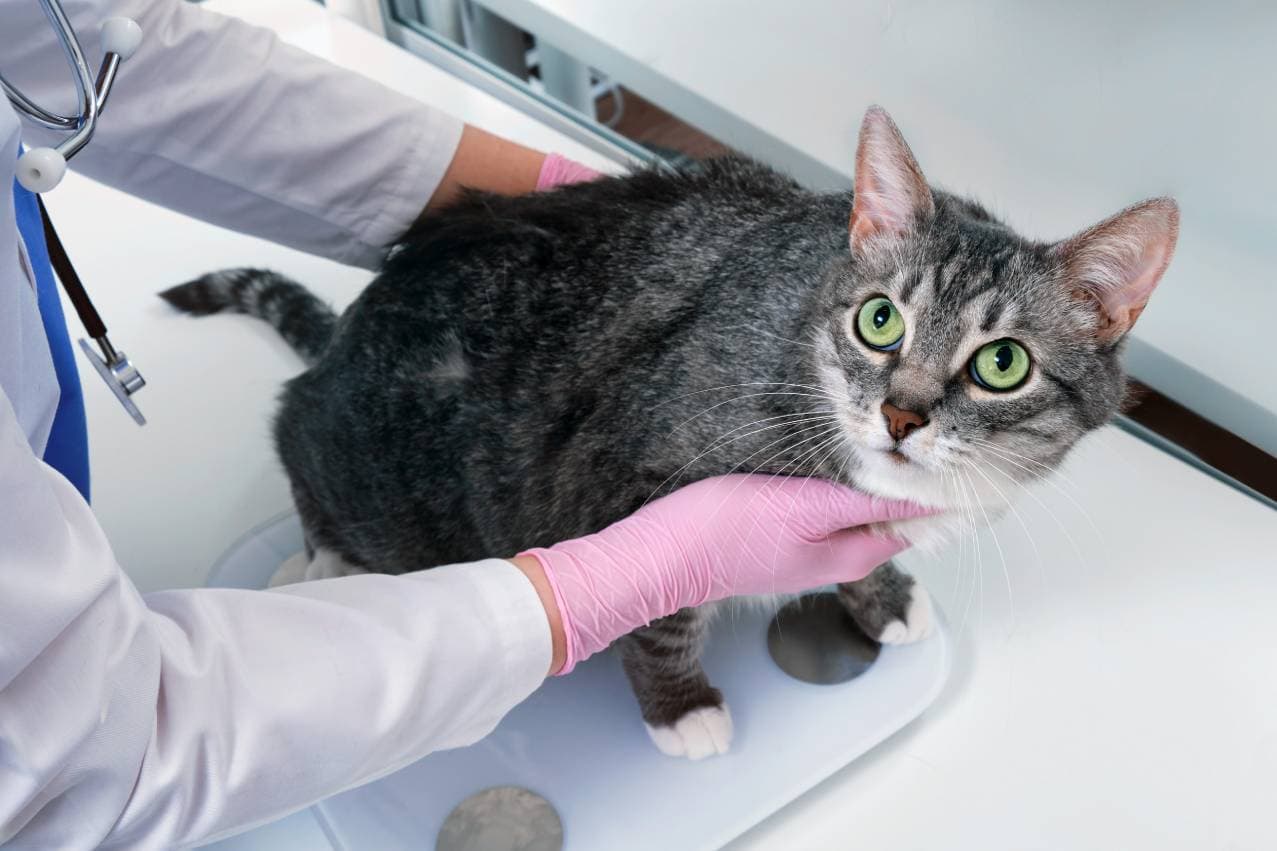
If your favorite feline companion is looking rotund these days, you might be wondering if there are steps that you can take to help them slim down a bit. Managing your cat’s weight is one of the most important things that you can do to keep your friend happy and healthy. Rest assured, you and your cat aren’t in this boat alone; weight problems are common among indoor cats, particularly those that've been spayed or neutered. Read on for nine vet-approved ways to put your cat on a diet!

The 9 Ways You Can Put Your Cat on a Diet
1. Make Sure You’re Feeding Your Cat the Right Amount of Food
Cats don’t typically end up overweight or obese when eating the correct amount of food for their age, weight, and activity level. Many owners dole out a few handfuls of dry food in the morning for their cat to munch on throughout the day and give their kitty kibble along with an entire can or pouch of food in the evening.
If you’re not measuring the amount of food you’re dispensing, there’s a good chance you’re giving your cat entirely too much to eat. Virtually all high-quality cat food comes with portion guidance on the package that specifies exactly how much to provide cats of different weights and activity levels. Most even include adjustments you can use if your cat needs to lose a few pounds.
2. Make Feeding Time, Feeding Time
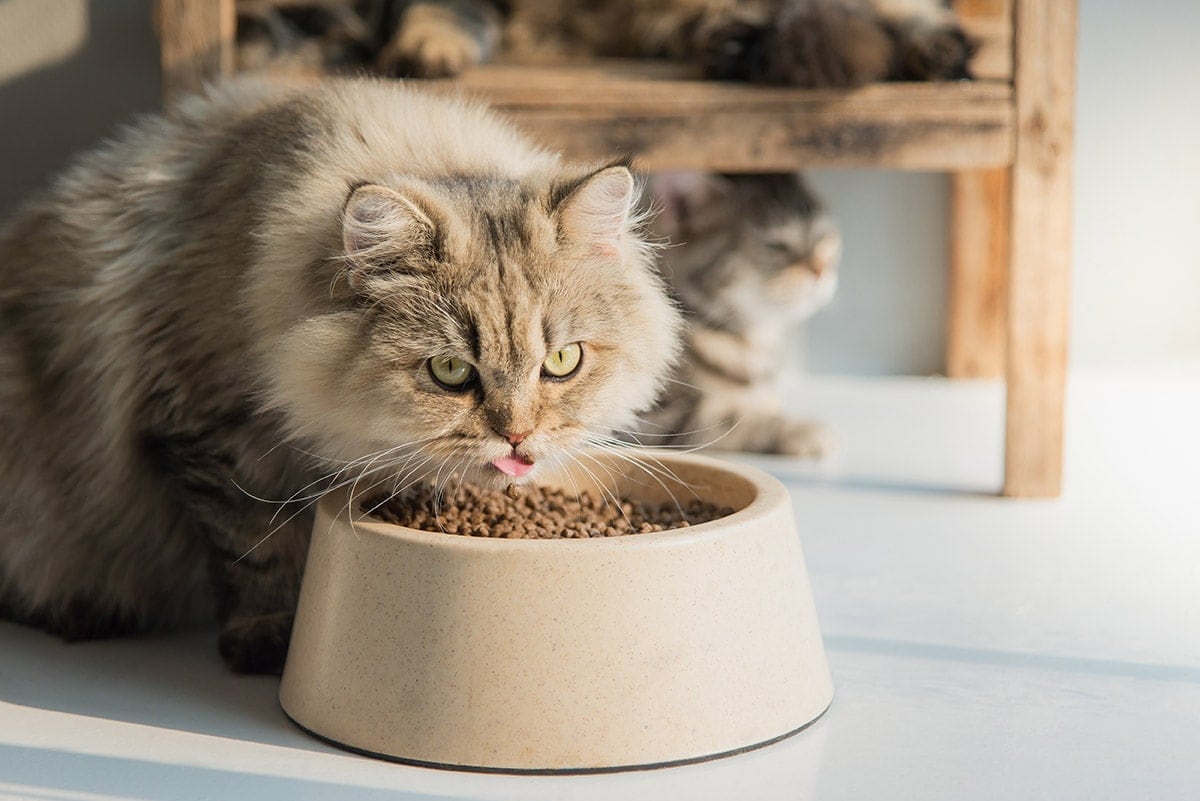
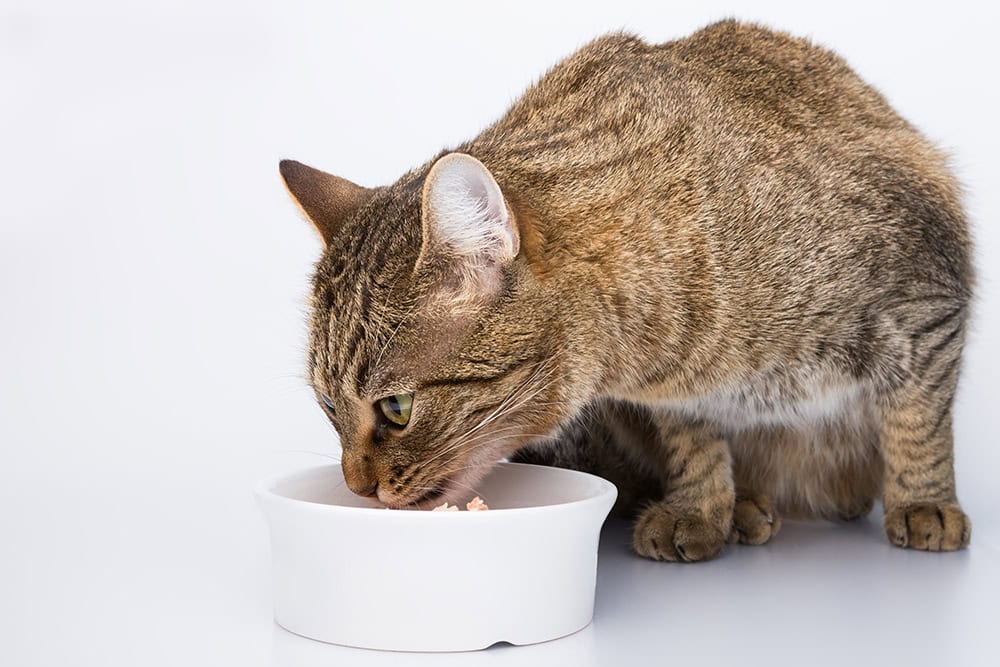
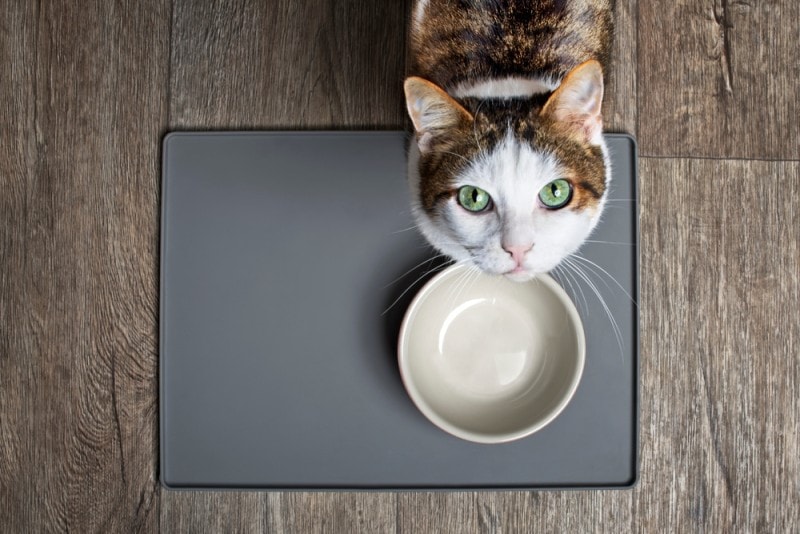
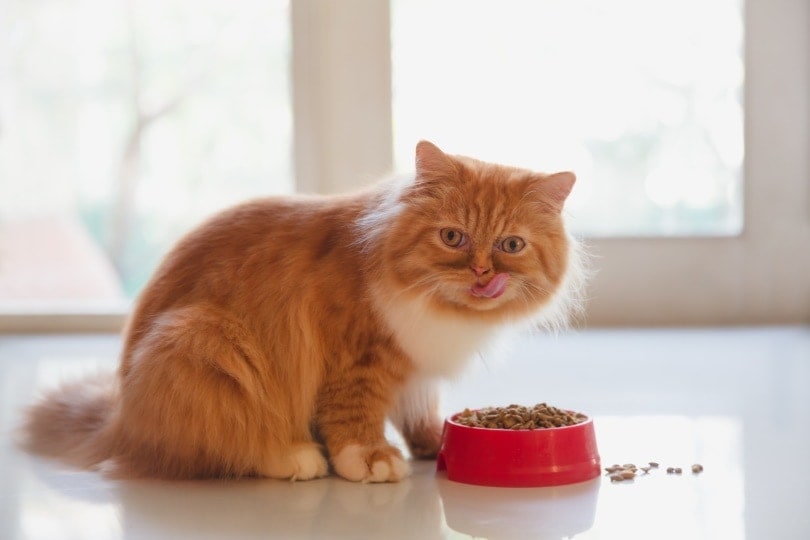
Free feeding encourages your cat to eat more and makes it difficult to track how much your pet is eating. Instead of leaving dry food out for your cat to snack on all day, give them a measured amount at the same time every day. Allow 20 or 30 minutes for your cat to eat their meal, then pick up the food and clean the area.
3. Increase Your Cat’s Water Intake
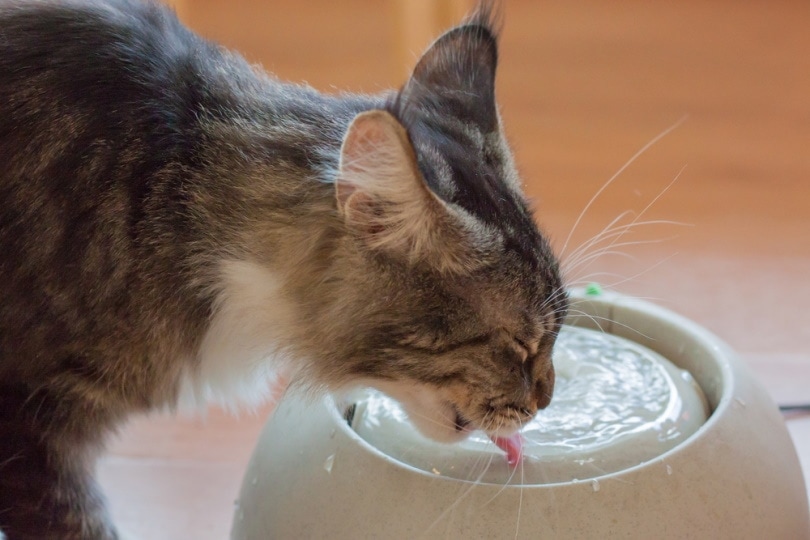
Getting your cat to drink more water is one of the best things you can do to support their long-term health. Cats that don’t get enough water often suffer from urinary tract and kidney problems, making it more than worthwhile to implement changes designed to encourage your buddy to drink more. Consider investing in a cat fountain to stimulate your kitty to drink, since some cats prefer drinking running water. Even a simple fountain with a filter can dramatically increase the amount of water your cat consumes, which can decrease your kitty’s appetite, just like it does in humans!
4. Switch to Wet Food
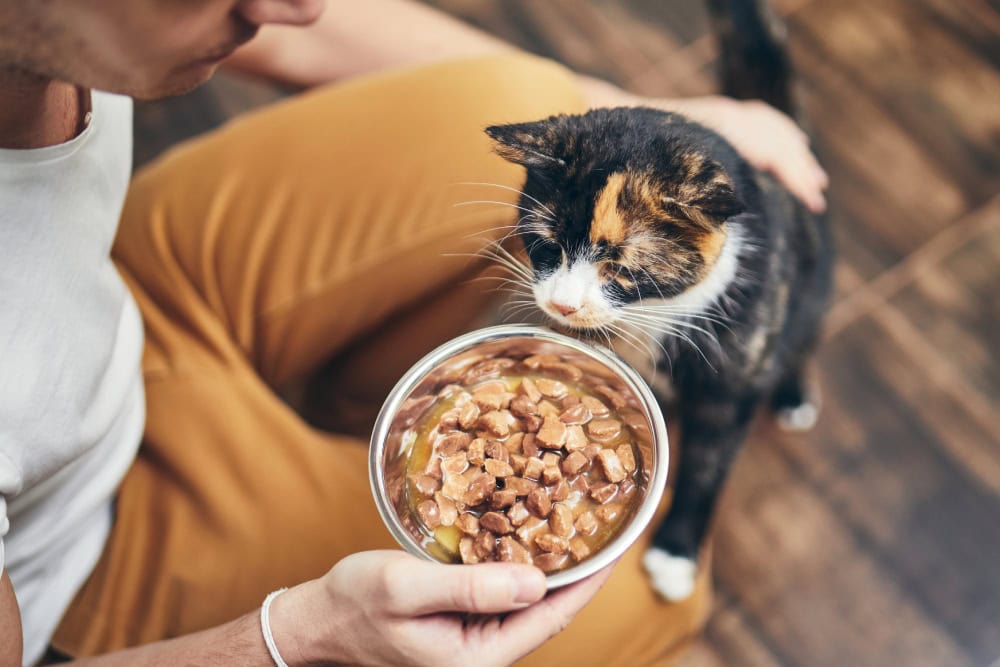
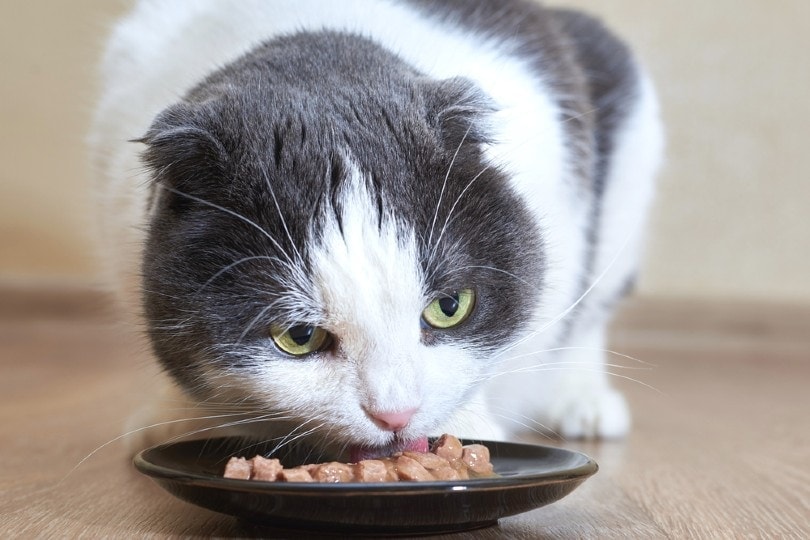
Serving wet food instead of dry kibble is a cat-friendly way to get your cat to drop a few pounds, since most cats like wet meals compared to dry food any day of the week! Canned food has more moisture, and giving your cat more wet food can benefit your pet’s weight loss. Just remember to do the math to determine how much food your cat will need and cut back on the kibble, or you’ll potentially make things worse.
5. Make Your Cat Work for Their Food
If you have a fast eater, slowing down their food consumption can have a positive impact when it comes to dropping a few pounds. Food puzzles and hunting toys are fantastic options that’ll slow your pet’s food consumption while providing mental stimulation. Essentially, the toys make your cat work for their dinner, and they’ve got to get the kibble out of the toy or use their smarts and paws to get the container holding their dinner to open. They won’t be able to scarf down their food, and they’ll get some exercise.
6. Increase the Amount of Time You Spend Playing With Your Cat
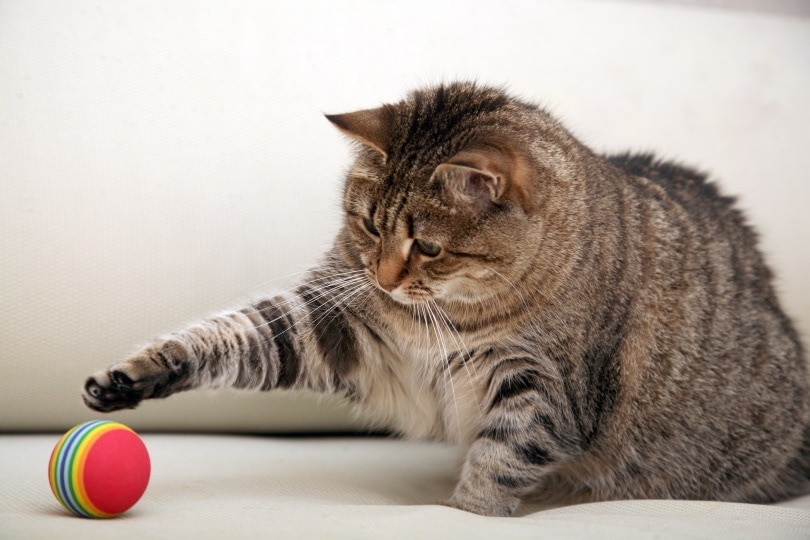
Cats need exercise, and it’s more critical to feline mental and physical health than many owners realize. Cats, just like people, turn to food when stressed. Physical activity is one of the best ways to decrease your cat’s stress and get them back in shape. Consider investing in a few toys like laser pointers and feather-tipped wands.
7. Train Your Cat to Walk on a Leash
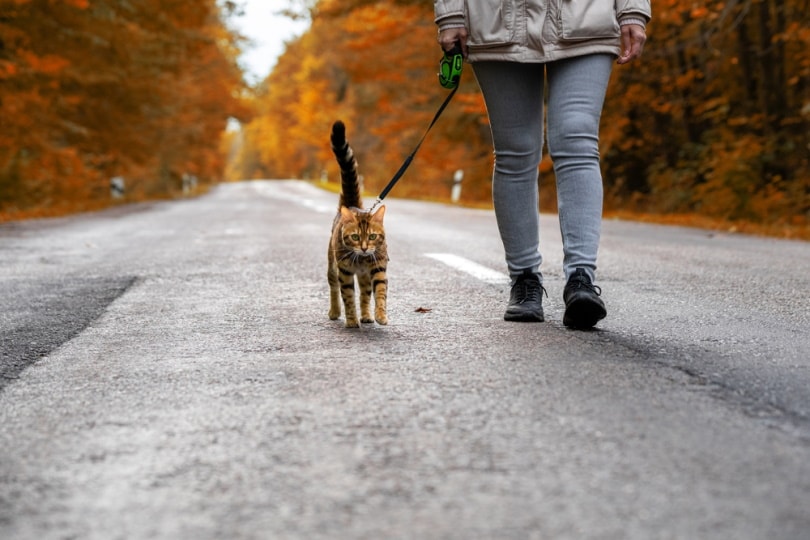
If you live with a smart cat, like a Bengal or Balinese kitty, you can teach them to walk on a leash. Don’t despair if your cat doesn’t seem too interested in “walking” on a leash. It’s fine to pick your cat up and take them outside so they can enjoy the fresh air, though even the most reluctant felines can be trained to use a leash.
8. Switch to Diet Cat Food
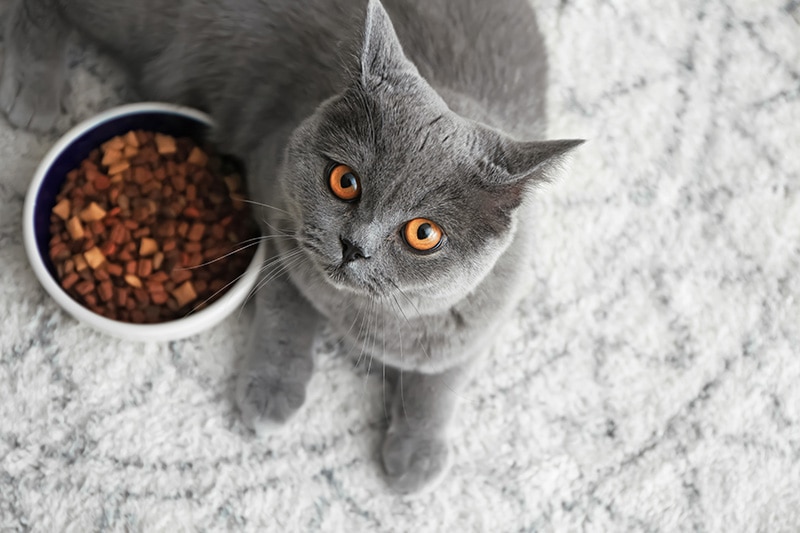
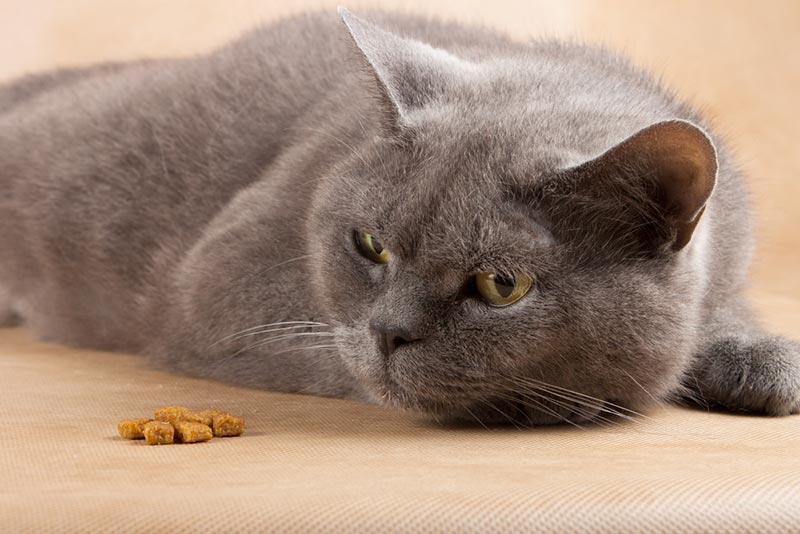
If your cat’s weight has become a serious problem, you can switch to reduced-calorie cat food to get things back under control. Formulations for indoor cats typically provide fewer calories, and many include supplements.
Complement this information by using our cat calorie calculator tool here:
Cat Calorie Calculator
Recommended Daily Calories

Our recommended product
Smalls Fresh Smooth Bird Human-Grade Cat Food
The exact amount of calories an individual animal needs to maintain a healthy weight is variable and influenced by many factors including genetics, age, breed, and activity level. This tool is meant to be used only as a guideline for healthy individuals and does not substitute veterinary advice
9. Cut Back on the Treats and Human Food
You don’t need to eliminate treats from your cat’s diet, but you should look at the caloric content and include a specific (limited) amount of pre-determined goodies in your kitty’s overall weight loss plan instead of giving your cat a treat every time they do something adorable. Treats should make up no more than 10% of their daily caloric intake. Limiting table scraps is vital for helping your cat to slim down. Human food contains too much fat and salt for cats, making it delicious but unsuitable for your cat’s overall health or weight.
Final Thoughts
While it’s not always easy to keep your favorite feline nice and trim, with these tips and a bit of patience, you should start seeing results reasonably quickly. Remember, consistency is key! Cats, just like humans, don’t do well with crash diets or massive changes that come all at once.
See also:
Featured Image Credit: LightField Studios, Shutterstock
Get Hepper In Your Inbox


Pet care tips from our vets and experts, straight to your inbox.
You may opt-out at any time. View our Privacy Policy for more information.
Lorre Luther a reformed lawyer from the United States, she moved to the Netherlands to follow her dream and become a writer. Currently living in Rotterdam, Lorre enjoys traveling and reveling in the astonishing beauty of our planet. As an animal lover, Lorre is convinced that cats are smarter than humans.
Join the conversation
Ask a question, share your story, or send private feedback.