Hepper is reader-supported. When you buy via links on our site, we may earn an affiliate commission at no cost to you. Learn more.
Do Cats Know When to Stop Eating? Vet Approved Facts & Care Tips


In this article
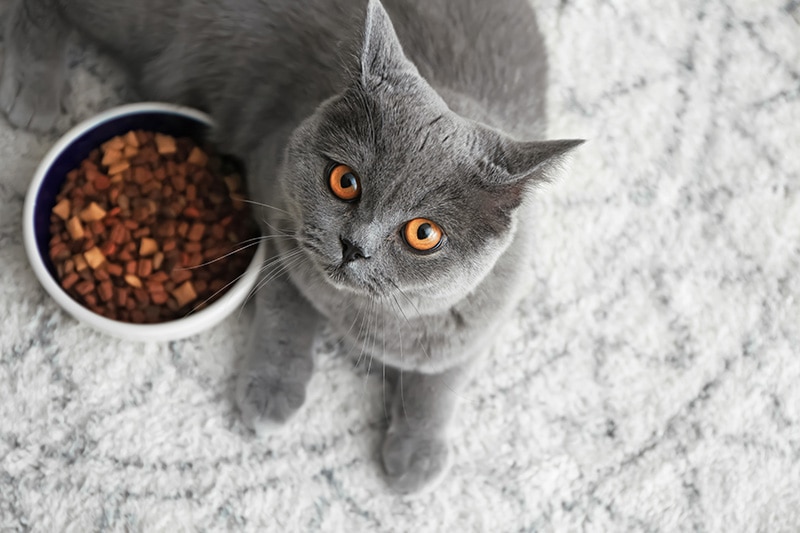
Cats are wonderful pets, but they often seem to have a never-ending hunger. They will almost always come running for food, especially if you rattle a bag in the kitchen, which can make many owners wonder if they know when to stop eating.
While some cats will stop eating when they are full, others will overeat and gain weight. There are several reasons for the differences between individual cats. Keep reading to find out why cats take their food so seriously and actively seek it out throughout the day.

Do Cats Know When to Stop Eating?
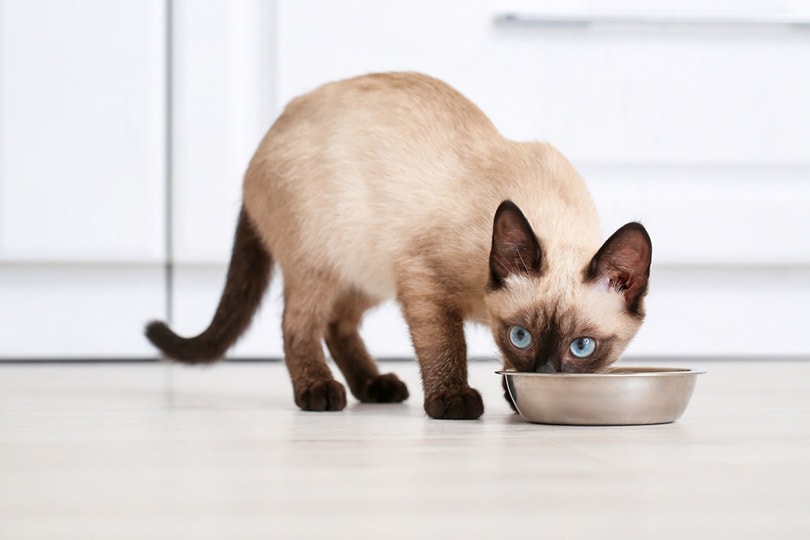
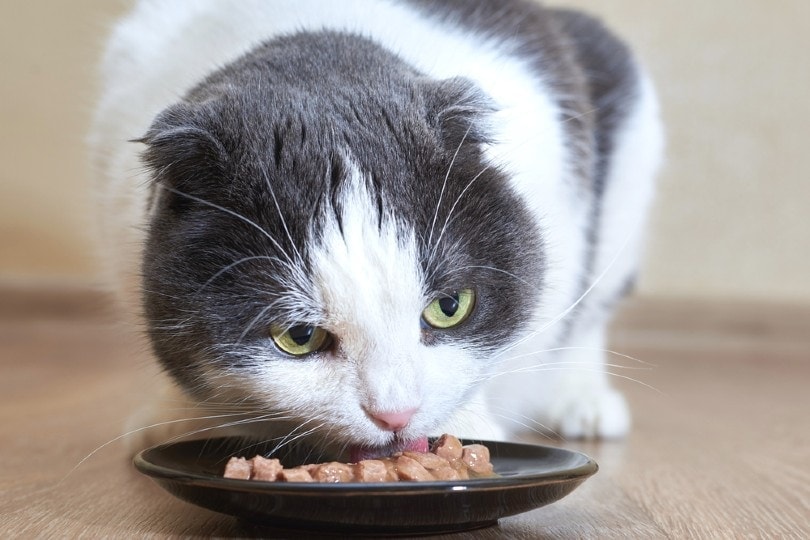
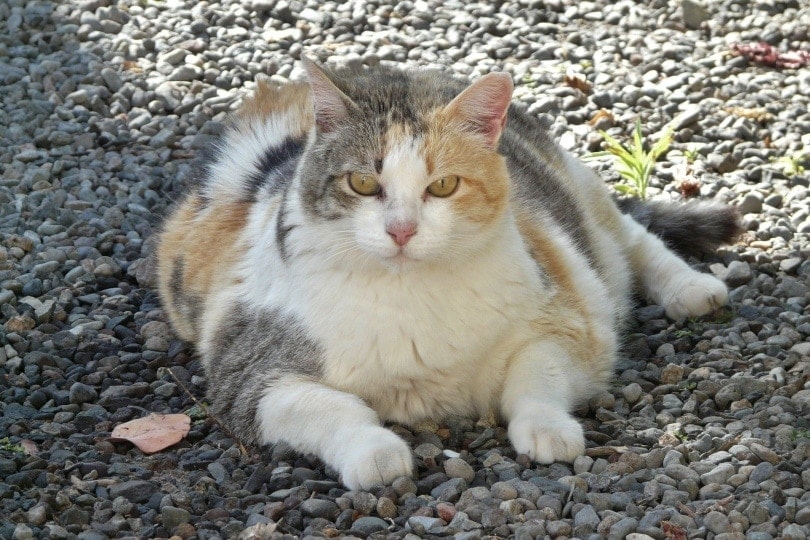
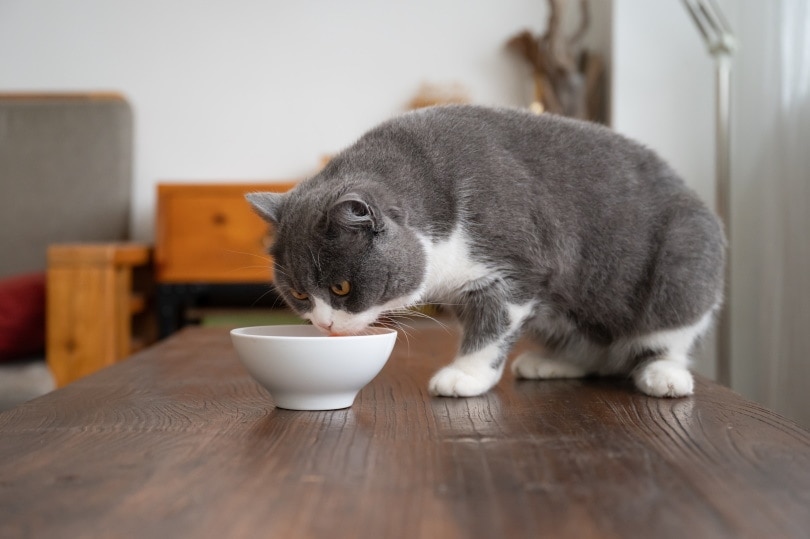
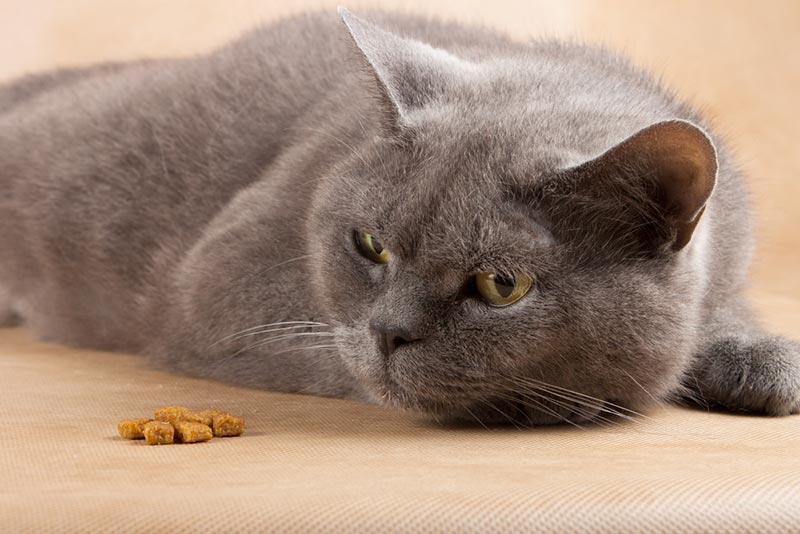
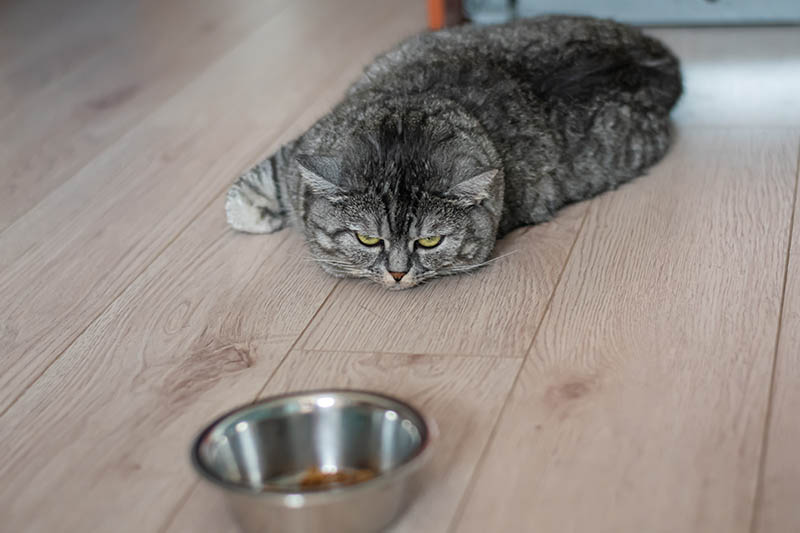
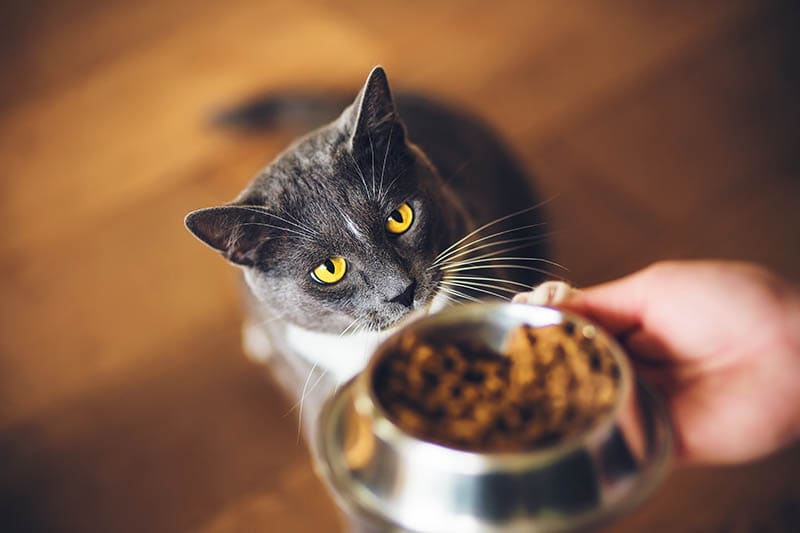
Many cats know when they are full and will stop eating at that time. If there is any food left in their bowls, they'll just leave it. A healthy cat that eats two meals a day may not become hungry again until the next day. However, other cats will continue to eat even when full and gain weight. Obesity affects around 60% of domestic cats in North America and can make them more prone to a variety of health conditions, so it is important to keep your pet at a healthy weight. Cats can overeat for a variety of reasons, some related to the individual and some to their environment.
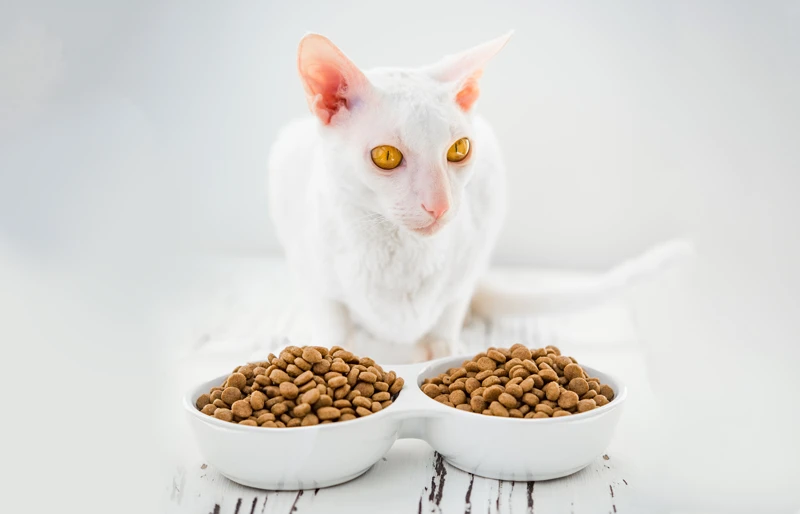

The 7 Reasons That Your Cat Might Eat Too Much
1. Social Interaction
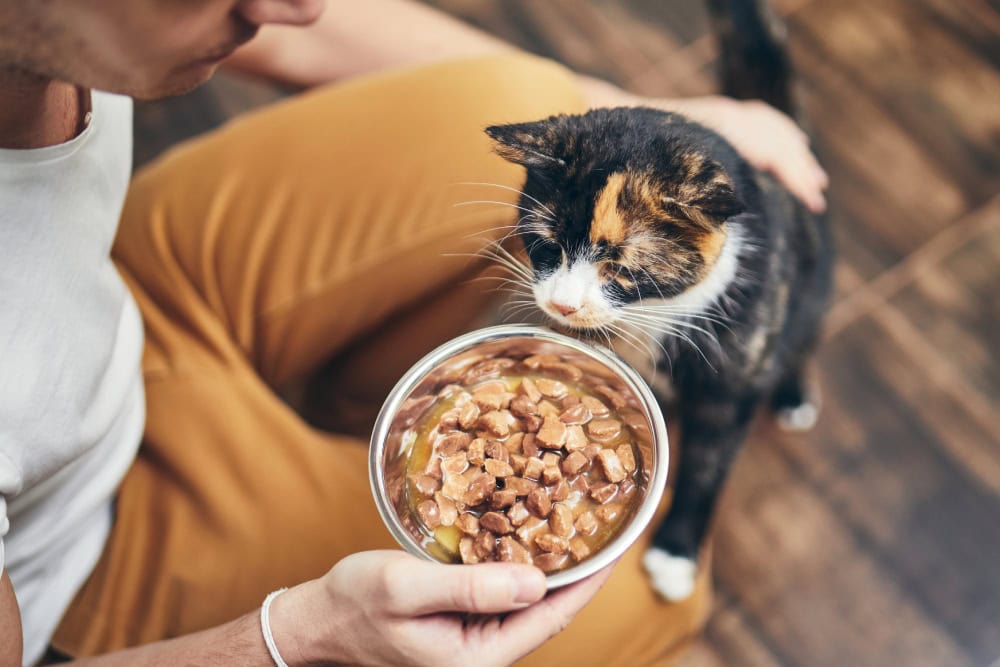
Cats can associate feeding times with human interaction and attention. Your cat might seek out food to spend time with you, receive pets, or enjoy your company.
2. Boredom
Cats can become bored, especially if they lack mental and physical stimulation. Seeking food can be a way for them to engage in an activity and start an adventure.
If your cat needs a great toy to get the playing started, we recommend our Hepper Catnip Stick Toy. These sturdy, dual-layer sticks are hand-made in the USA and filled with 100% organic catnip. Choose from a fun range of pastel colors and give your cat hours of playtime!

- No Filler - Like all the best cat toys our is stuffed with 100% organic catnip. Cheap cat toys with filler leave your cat bored and disinterested. Our pets deserve to be excited and engaged.
- Flexible Play - Simple plush shape is great for biting, scratching and pawing. It can start life as a teething toys for kittens then soon your furry friend will be using it as a cat kick stick. Play for any mood
- Durably Designed - Our cat safe toys are hand-stitched with a double-lined exterior construction for hours of playtime, perfect cat kicker toys for cats indoors and even outdoors. Your cat will tire out before the toy does!
3. Stress or Anxiety
Some cats may turn to food as a source of comfort when they are stressed or anxious. Overeating or food-seeking behaviors can be a response to environmental changes, conflicts with other pets, or other stressors, like a new cat being brought into the family. It's important to note that stress and anxiety can conversely also cause a reduction in appetite.
Pet parents with anxious kitties know the pain of watching their companions be uncomfortable—that’s where the Hepper Nest Bed comes in. Our product is designed with nervous pets in mind. The bowl shape with high rounded sides comforts your cat to make them feel safe and secure, while the self-warming, sherpa fleece insert and flexible molded foam ensure that they stay as cozy as possible. Learn more about how the Next can calm your anxious pet here.

- COMFY KITTY - Your cat or kitten will have an amazingly deep sleep in this self warming, nesting cat bed. The warm, fluffy cat bed lining provides calming stress relief for cats of all ages.
- PRETTY HOME - This round cat bed has a modern and unique design that’s perfect for a sleek indoor look. We don’t think of it as cat furniture but think of the Cat Nest as a “cat home”.
- SPACE SAVER - Reclaim your desk, window sill, or couch from kitten encroachment. This calming nest cat bed has an elevated, space-saving hideout so comfortable your kitty can't resist!
4. Habit
Cats are creatures of habit, and they may seek out food at specific times because they have established a routine. This behavior might persist even if they are not hungry and can lead to overeating, especially if the food is highly palatable and energy-dense.
5. Health Issues
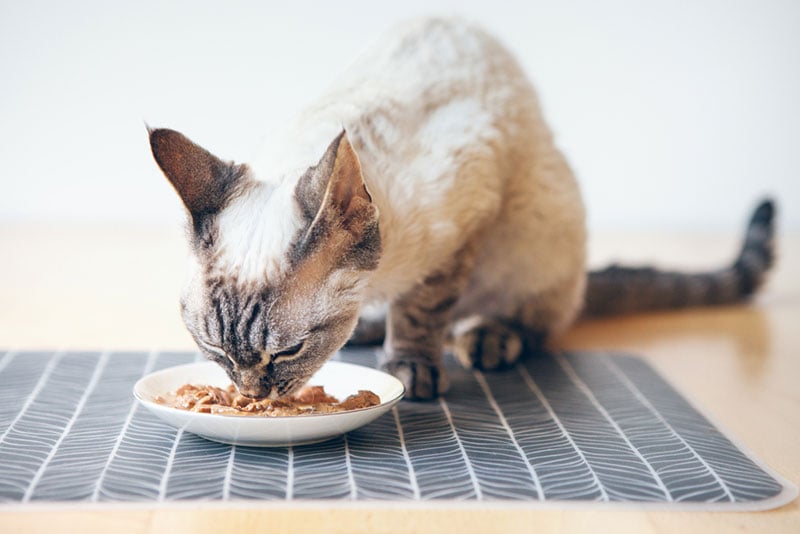
Certain medical conditions, such as diabetes, hyperthyroidism, or intestinal parasites can cause excessive hunger or changes in eating behavior. If your cat suddenly starts seeking food more often, it could be a sign of an underlying health issue and you should go get them checked out by your vet.
6. Previous Positive Reinforcement
If your cat has received treats or extra meals in the past as a reward for certain behaviors, they may want the same treatment again.
7. Dietary Imbalance
Cats have specific dietary needs, and if their diet lacks essential nutrients, they may seek out additional food to compensate for the deficiency.
Signs of Overeating in Cats
Obesity
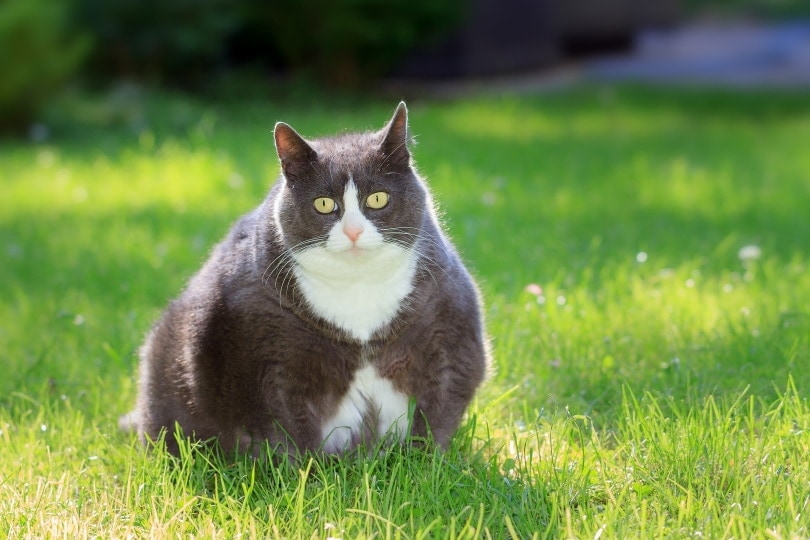
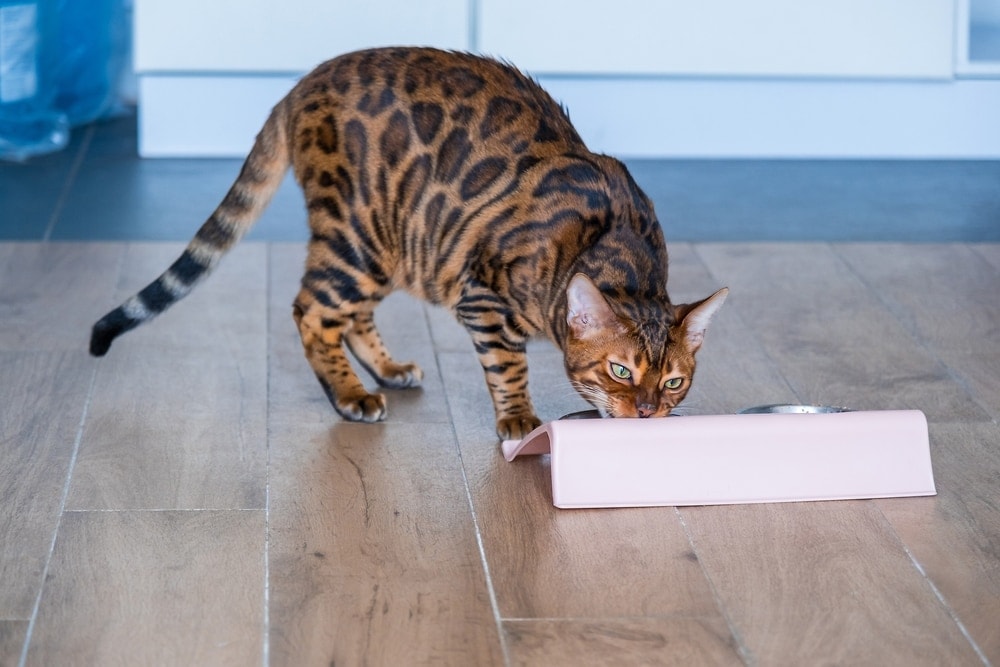
One of the most obvious signs of overeating is obesity. An overweight cat can experience various health issues, such as diabetes, arthritis, and heart problems, so it is best to monitor their weight regularly so you can notice any changes quickly.
Vomiting
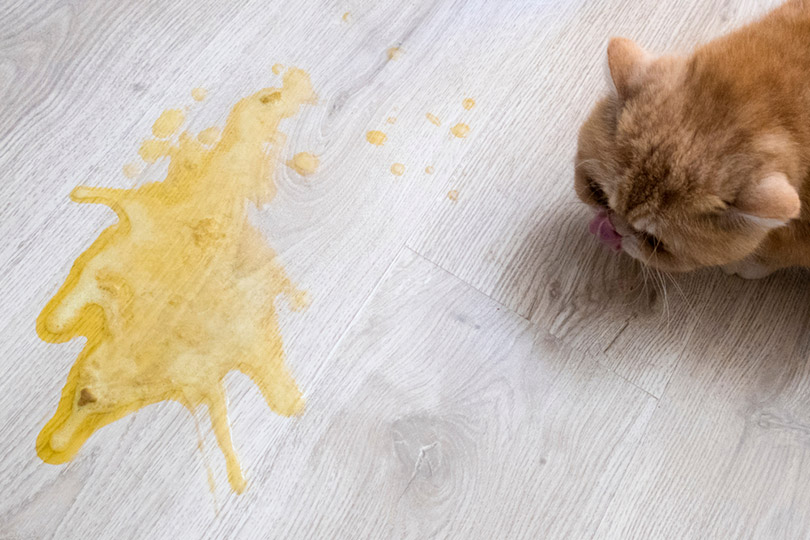
If your cat frequently vomits shortly after eating, it may be a sign that they are eating too much. This could be due to eating too quickly or consuming too much food at once.
Lethargy
An overfed cat may become lethargic and less active than usual, which can indicate that the body is struggling to process excess calories.
Excessive Begging
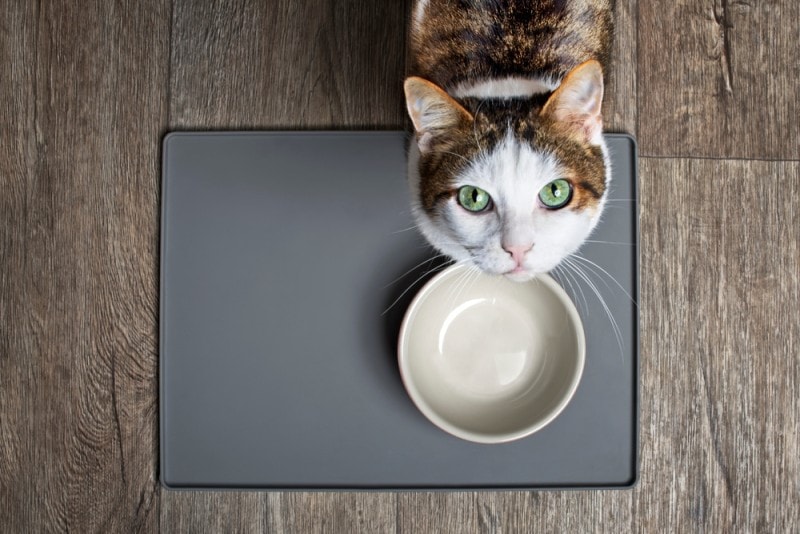
Cats are not shy about asking for food, but if your cat constantly begs for more, it may be a sign that they are not satisfied with their current diet.
Tips for Ensuring That Your Cat Maintains a Healthy Diet
- Regular check-ups with your veterinarian are essential for monitoring your cat’s weight and overall health. Your vet can alert you to any developing problems and recommend steps to take.
- Measure your cat’s food portions to avoid overfeeding. Follow the guidelines on the cat food packaging or your vet’s recommendations.
- Choose high-quality cat food that meets your cat’s nutritional needs. Look for options that list real meat, like chicken or turkey, as the first ingredient.
- While free feeding can work for some cats, it’s not suitable for others. If your cat is prone to overeating, stick to scheduled mealtimes. Your cat may still prefer to graze on their food throughout the day but don’t fill up the bowl when it’s gone until the next scheduled meal.
- Refrain from feeding table scraps and human food to your cat, as many of these items can be harmful to them. Stick to cat-specific treats instead.
- While treats can be useful for training or bonding, be mindful of how many you offer. Excessive treats can contribute to overeating and weight issues.
- Use interactive feeders and puzzle toys to engage your cat’s hunting instincts and slow their eating pace, which can be especially helpful if your cat eats too fast.
Summary
Many cats will stop eating once they are full, but not all. An underlying health issue might cause a cat to keep eating, as can boredom, stress, habit, and previous positive reinforcement. Getting your pet into a routine of eating twice per day and feeding them high-quality food can cut down on food seeking between meals. Addressing problems that might be causing anxiety and ensuring that they get plenty of activity each day can also help keep them from constantly looking for food.
Featured Image Credit: Pixel-Shot, Shutterstock
Get Hepper In Your Inbox


Pet care tips from our vets and experts, straight to your inbox.
You may opt-out at any time. View our Privacy Policy for more information.
Ed Malaker is a veteran writer who has contributed to a wide range of blogs that cover pets, tools, guitars, fitness, and computer programming. When he’s not writing, Ed is usually performing DIY projects around the house or working in the garden. He’s also a musician and spends a lot of time helping people fix their guitars and composing music for independent films.
Join the conversation
Ask a question, share your story, or send private feedback.