Hepper is reader-supported. When you buy via links on our site, we may earn an affiliate commission at no cost to you. Learn more.
How Do I Protect My Bird from Theft? 13 Tips and Tricks


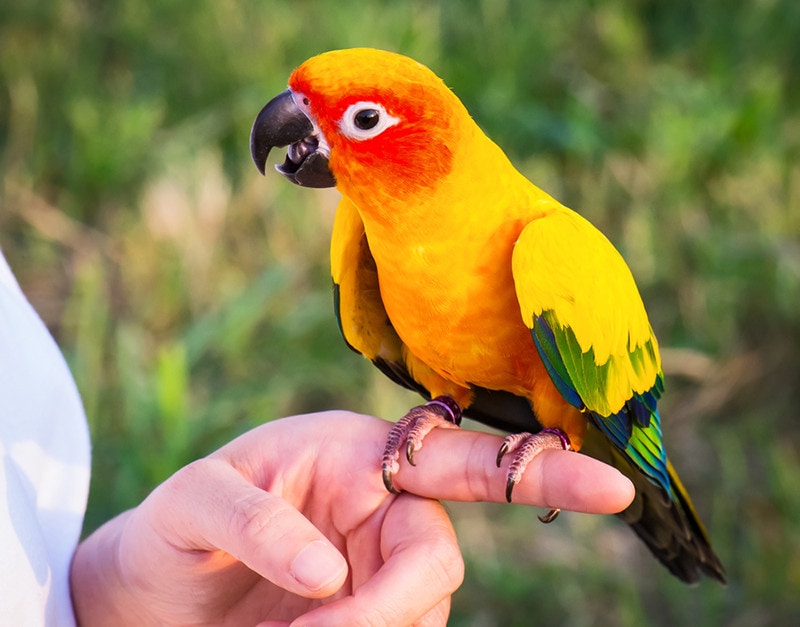
Birds can become just as important a part of the family as pet dogs or cats, while the high price tag attached to some, especially the larger parrot species, means that they are a target for would-be thieves. It can be heartbreaking to lose a pet, especially if your Parrot has been with your family for many years, so you should take steps to help ensure the safety and security of your bird. This means securing your home as well as the bird’s aviary.
Below, we have included steps to help prevent the theft of your bird and, in the event your bird does go missing, some tips on what steps to take to aid in its recovery.

The 8 Tips to Prevent Bird Theft
Preventing bird theft is about being vigilant and ensuring that they, their cage, and your house is secure. You don’t necessarily need the latest, state-of-the-art security system, but you do need to check windows and doors and consider installing a camera or two.
1. Be Discreet
Don’t advertise the fact you have an expensive or rare bird. Try to keep the cage away from visible windows. This can be difficult when trying to provide ideal conditions for a bird and is especially difficult if you keep the bird in an outdoor aviary. Your discretion should extend virtually, too. Avoid posting too many photos of your feathered friend, especially those with price tags.
2. Join Neighborhood Watch
Determine whether your street or area has a neighborhood watch or similar scheme and, if it does, join. Neighborhood Watch groups watch over one another’s homes and keep an eye out for signs of theft and burglary. Inform the group that you have a bird and that it shouldn’t be removed from the house except by a trusted family member or friend. Provide photos and ideally introduce your birdkeeper to the group, where possible.
3. Secure Doors and Windows
Leaving the window ajar is a good way to let fresh air into the house, which not only benefits you but can also benefit your pet bird. However, leaving the window next to the birdcage open invites thieves to grab the bird and make a quick getaway without even having to gain entry to the house. Especially when you are out of the house, ensure that windows and doors are shut and secured, and look for ways to reduce or eliminate potential entry points even when you are at home.
4. Secure the Aviary
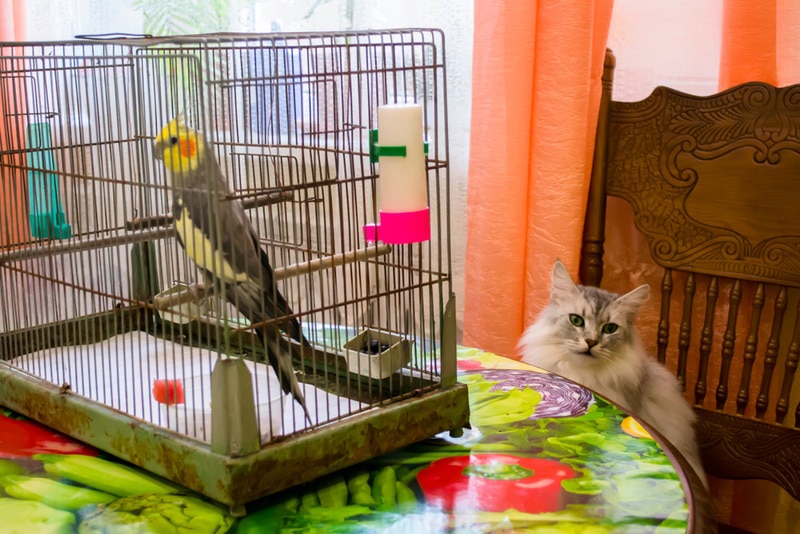
Whether you have an indoor cage or an outdoor aviary, there are ways to secure your bird’s house to help prevent it from being stolen. The simplest technique is using a padlock or other lock, but you can also get alarms that connect to the doors as well as vibration alarms.
5. Install Cameras
If you have a home security system, ensure that it is enabled and that it offers good coverage of the home. Especially try to make sure that there is at least one camera that concentrates on the area around the birdcage or, at the very least, the potential entry points to the room the bird is kept in.
6. Get Them Chipped
Birds can be chipped for identification, similarly to dogs and cats. The microchip is then registered with a national database and your contact details, including address, are provided. If the bird gets out or is handed to the police or a vet, they should check for a chip. The benefit of a chip over a leg band is that the chip cannot be easily removed. The disadvantage is that not everybody will check for a chip on a bird. Also, a chip doesn’t prevent theft, but it can help recover a stolen bird after the event.
7. Use a Leg Band
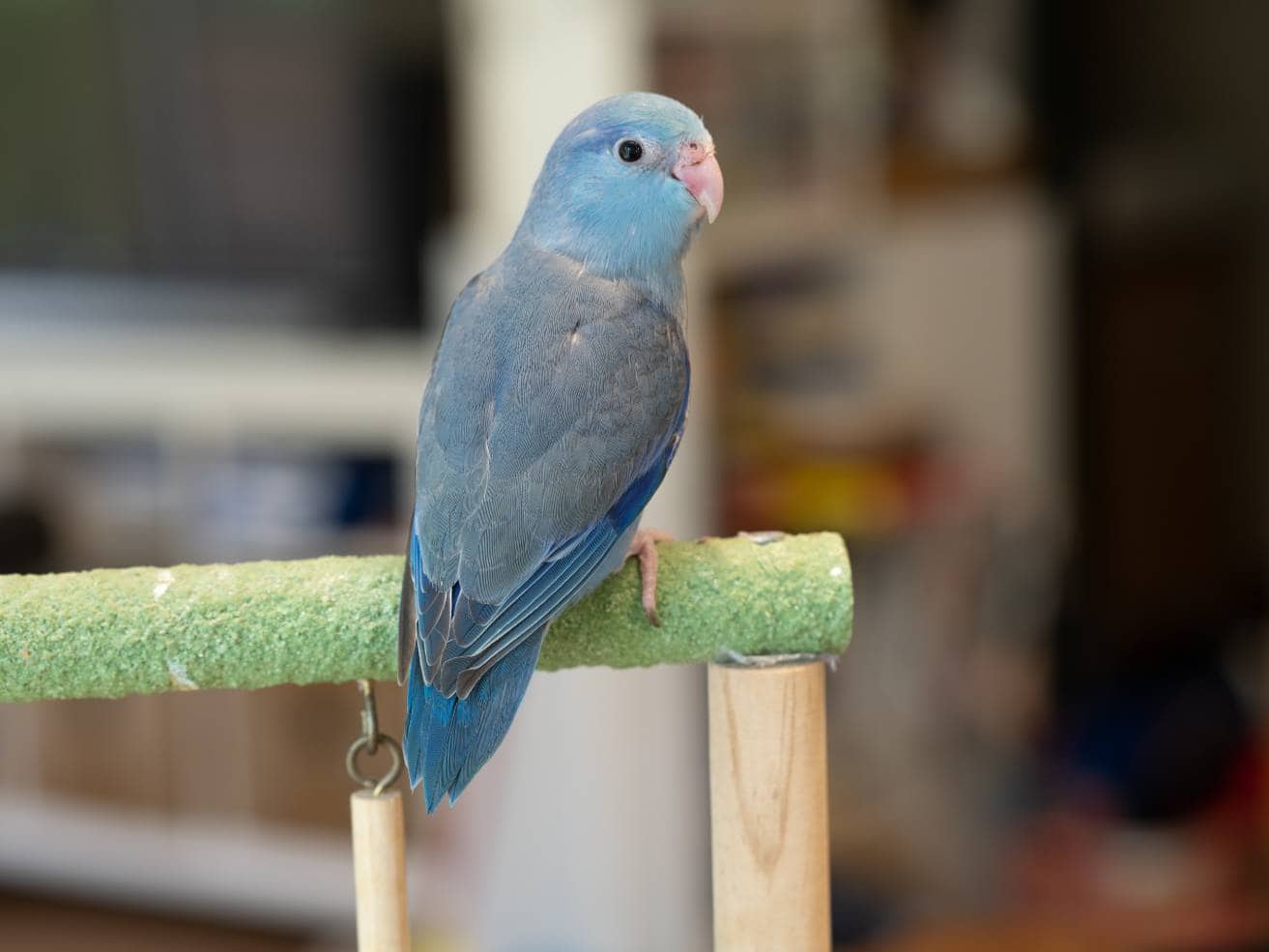
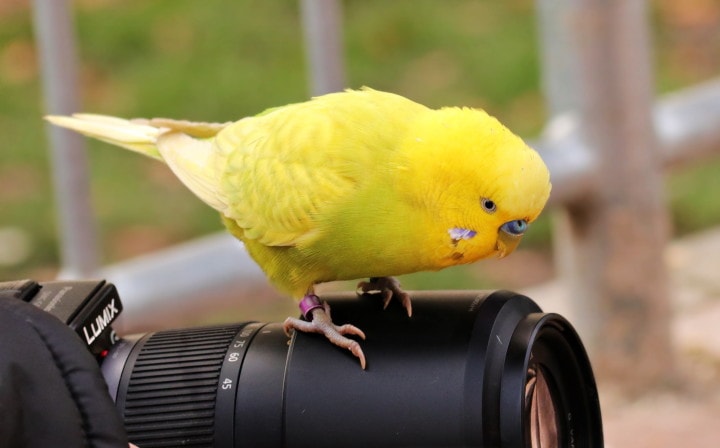
A leg band attaches around the bird’s leg and contains identifying information that may identify a breeder, facility, or owner. However, whereas a chip is difficult to remove, any thief would be able to remove the band.
8. Take Photos
Ensure you have photos of your bird. If it does go missing, you will need to provide documents to the police so that they have a better chance of recovering it. You can also show the photos to neighbors and others to help when tracking it down, and if a dispute arises with a new owner, photos might be able to help prove your ownership.

The 5 Tips If Your Bird Is Stolen
Even if you put all of these tips in place, there is still a chance that your bird will be stolen. Acting quickly increases the chances of getting the bird back, and so too does taking the most appropriate actions.
9. Check Everywhere
If a window is open, it is easy to assume that the bird has been stolen. This may not be the case. If the bird was able to get out of its cage, it could have flown out of the window and may be outside in a tree or elsewhere on your property. It may even have gotten scared by the sounds from the open window and could be hiding in the corner of a room, behind the furniture, or anywhere else in the home. Check everywhere and check thoroughly.
10. Contact the Police
The police are unlikely to launch an investigation into the theft of a bird unless items in the house have been burgled as well. But, you should contact them. The bird may be handed in if it turns up elsewhere and you may also need an incident report for any claims you make on insurance.
11. Canvas the Neighbors
Whether you are a member of a Neighborhood Watch or not, go to your neighbor’s houses and let them know what has happened. They may have seen somebody hanging around your property or they could have seen your bird flying around local gardens if it escaped. Have your photos on hand, be polite, and leave your number so that they can contact you if they see or hear anything.
12. Post Fliers and Leaflets
Use your photos to create missing posters and pin them in the neighborhood. If your bird is insured, your insurance company may cover the cost of posters and flyers, which means that you will be able to put flyers through doors and hang posters on lampposts and in-store windows.
13. Check Online Forums and Local Groups
Unless the thief plans to keep the bird themselves, they will need to sell it. As well as visiting local pet stores and bird stores, check local groups on social media as well as sites like Craigslist and Facebook Marketplace. Even if the thief does plan on keeping the bird, they may post to bird groups to show off their new bird.

Conclusion
Pet birds can cost hundreds or even thousands of dollars, and they are a big part of the family. As such, it is heartbreaking if they go missing. Some birds get out of their cages and fly away but, unfortunately, some are also stolen from their aviaries and cages. Ensure everything is as secure as possible, have your bird chipped, and keep documented proof of your ownership, as well as photos, to help with any potential recovery of the bird in the worst-case scenario.
Sources
Featured Image Credit: TigerStocks, Shutterstock
Get Hepper In Your Inbox


Pet care tips from our vets and experts, straight to your inbox.
You may opt-out at any time. View our Privacy Policy for more information.
Oliver (Ollie) Jones is a zoologist turned freelance animal writer living in South Australia with his partner Alex and their mini zoo consisting of many aquatic creatures, dog Pepper, and of course, cat Steve. Ollie is originally from the USA and holds a Master's degree in wildlife biology. He hopes to share his feline knowledge and expertise with people so they can share in his passion and help their cats live their best lives.
Join the conversation
Ask a question, share your story, or send private feedback.