Hepper is reader-supported. When you buy via links on our site, we may earn an affiliate commission at no cost to you. Learn more.
How To Safely Travel with a Bird in My Car - 9 Vet-Reviewed Tips


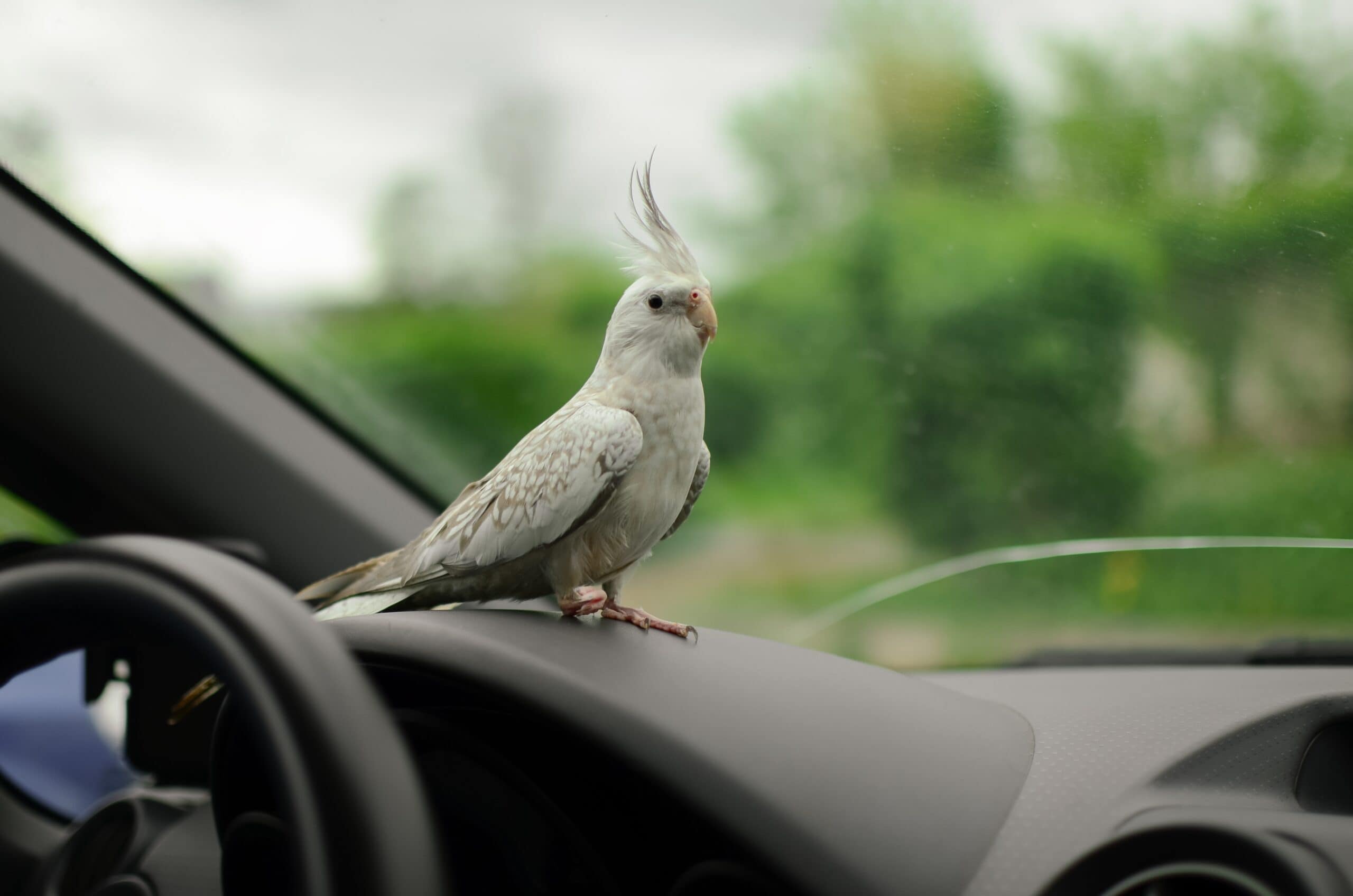
Although most birds will cope with a short car journey, longer trips can be very stressful for your bird and, therefore, for you, too. However, whether it is to take your bird to the vet because you’re taking it on vacation, or to move home and need to transport your feathered friend to the new abode, there may come a time when you need to take your bird in a car.
Below, we have provided nine tips on how to safely travel with a bird in your car so that the journey will be safer and less stressful for you both.

The 9 Tips for Traveling Safely with A Bird in Your Car
1. Choose a Travel Cage
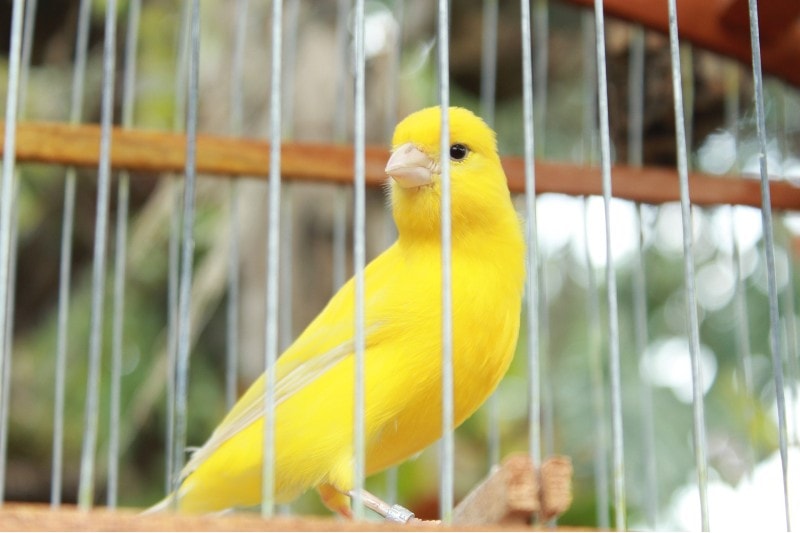
Generally speaking, you should never let your bird fly freely around the car while you drive. If it gets stressed, it could take flight and put you off driving or injure itself. And, if you open the door or window, it only takes a second for a stressed bird to make a quick getaway.
Choose a safe, secure, and comfortable travel cage. There are carriers designed for this purpose, and the one you use needs to be small enough that it will fit behind the car seat or securely on the back seat. It should be sturdy enough that it won’t break too easily, and while it should be compact, it should provide enough room for free movement and to prevent your bird from getting too stressed out.
2. Acclimatize the Bird to the Cage
If you find your bird gets stressed out during the car journey, it may actually be the carrier that is causing the distress. Get your bird used to the carrier before you travel. It will be a new environment, and it is likely to be quite a small space. Pop them in the carrier for a few minutes at a time, initially, gradually increasing the time as long as they are feeling comfortable. Use treats to get them to associate the carrier with a positive experience.
3. Remove Non-Essentials from the Cage
Do not leave items like swings and toys in the cage. Remove anything that might become dislodged or move around during transit. These items have the potential to cause injury. You can take such items in a separate bag and let your bird have a play when you stop for refreshments.
4. Cover the Cage
If you’re going on a cross-country or even a cross-state trip, start with a smaller journey. Maybe drive around the block once your bird is accustomed to being in the carrier. If all goes well, you can take a longer trip next time out and keep taking slightly longer trips. You’ll ideally be stopping every hour or two when on the main journey, so you should build up to doing journeys of an hour or two long to acclimate your bird.
5. Take a Short Trip
If you’re going on a cross-country or even a cross-state trip, start out with a smaller journey. Maybe drive around the block, once your bird is accustomed to being in the carrier. If all goes well, you can take a longer trip next time out and keep taking slightly longer trips. You'll ideally be stopping every hour or 2 when on the main journey, so you should build up to doing journeys of an hour or 2 long to acclimate your parrot.
6. Pack What You Need
Pack items like insurance documents, a recent photo of your bird, and any medication or supplements that they need, before you start your journey. Put them in an individual bag and have the bag on hand. This bag should also include a vet phone number and details of where you are traveling to and from. Essentially, anything you might need if your bird gets ill or escapes during the journey. You don’t want to have to be digging around in the trunk, among all of your bags, if the worst does happen.
7. Strap the Carrier Securely
Ideally, the carrier should sit behind the front seat and be strapped in position. This will prevent the carrier from being jolted and may help reduce vibrations so that your bird has as comfortable a journey as possible. Failing this, buy straps and harnesses to secure the carrier to the seat. Ensure that you know how it all works and that you can fasten the carrier in place and remove it easily.
8. Maintain a Good Temperature
Birds are sensitive to sudden and extreme changes in temperature and conditions. Before you start the journey, start the car and get it to a comfortable and even temperature and then try to maintain this temperature throughout the journey. There is likely to be some fluctuation in temperature, but the closer you can keep the car conditions to those in your bird’s normal environment, the better.
9. Check on the Bird Regularly
Aim to stop for refreshment breaks every hour to 2 hours. Stop the car, turn the engine off, and check on your bird. Ensure that they aren’t showing signs of stress, and they are generally healthy. Provide a little water, avoid giving too much food, and spend a few minutes with the bird. Try to make sure the temperature inside the car remains even during this time, and be especially careful that the bird doesn’t escape when you open the carrier door. If you need to get out of the car, take the carrier with you.
Conclusion
It’s possible to travel safely with your bird in a car. Most pet birds will tolerate short car journeys to the vet and back, but if the journey is longer than an hour or so, it may take some preparation. Get a good carrier, pack everything you need in a separate bag, and be sure to take plenty of suitable breaks during the journey.
If in doubt, you can get calming supplements from your vet that might help prevent your bird from getting too agitated and make the journey easier and safer for both of you.
Sources
Featured Image Credit: Daria_vg, Shutterstock
Get Hepper In Your Inbox


Pet care tips from our vets and experts, straight to your inbox.
You may opt-out at any time. View our Privacy Policy for more information.
Nicole is a lover of animals of all sizes but is especially fascinated with the feline variety. She’s the proud mom of Baby, a Burmese, and works every day so he can relax in the sunshine or by the fire. She’s always had a cat in her home and has spent countless days with others, observing behaviors and softening up even the grouchiest of the lot. Nicole wants to share her kitty expertise with you so you and your cat can live happy, healthy, and care-free.
Join the conversation
Ask a question, share your story, or send private feedback.