Hepper is reader-supported. When you buy via links on our site, we may earn an affiliate commission at no cost to you. Learn more.
Why Is My Axolotl Not Eating? 3 Reasons & FAQ
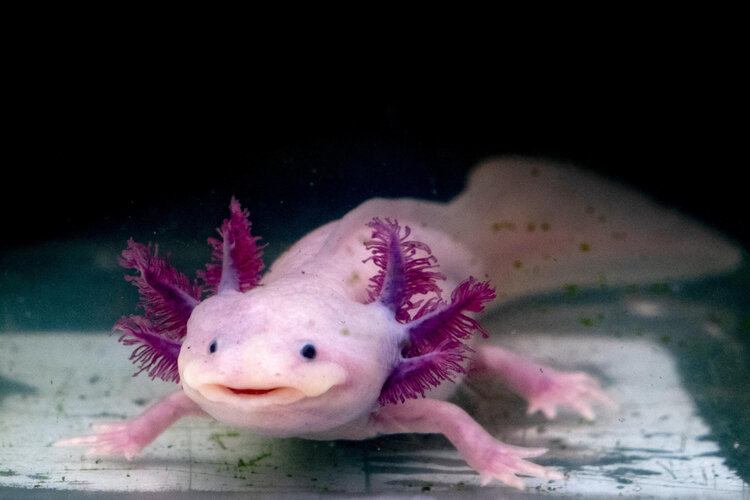
Thanks to Minecraft, axolotls have become extremely popular in the last few years. With the rising popularity of axolotls, there has also been a significant increase in people experiencing issues with their axolotls and not knowing how to address them.
One of the issues that you may experience with your axolotls is inappetence, lack of growth, or a combination of the two. What causes axolotls to have a poor appetite, and what causes axolotls to not grow correctly? There are several different reasons for this, from improper diet to water temperature! Find out what could be stunting your axolotl's growth below.

The 3 Reasons Why Your Axolotl Isn't Eating
1. Inappropriate Diet
Axolotls are obligate carnivores, so their diets should contain primarily animal proteins. There is a variety of foods that these carnivorous critters can eat. For those who are trained to take non-live food, there is a variety of axolotl pellets on the market that can meet their needs. For those who prefer live or thawed frozen foods, the most popular food is nightcrawlers.
Some people feed their axolotls smaller worms known as red wigglers or red wrigglers, but some axolotls will reject these worms due to a bitter flavor.
Other appropriate foods for axolotls include small crustaceans, bloodworms, and even small fish. Insects other than worms can be appropriate for axolotls, but they should be fed with care.
Any food with hard shells or exoskeletons can be difficult for axolotls to properly digest. Live fish should only be fed with care because there are parasites and infections that fish can have that can be passed to your axolotls, so live fish should only be fed from a very trusted source.
2. Inappetence in Axolotls
One of the top reasons that an axolotl may stop eating or not eat enough is being kept in water that is too warm. Axolotls require cool water that is cooler than typical room temperature water, so a specialized aquarium chiller is often required to maintain an appropriate temperature within the tank. If an axolotl is kept at too warm of a temperature, especially for a prolonged period, it may stop eating.
3. Overfeeding
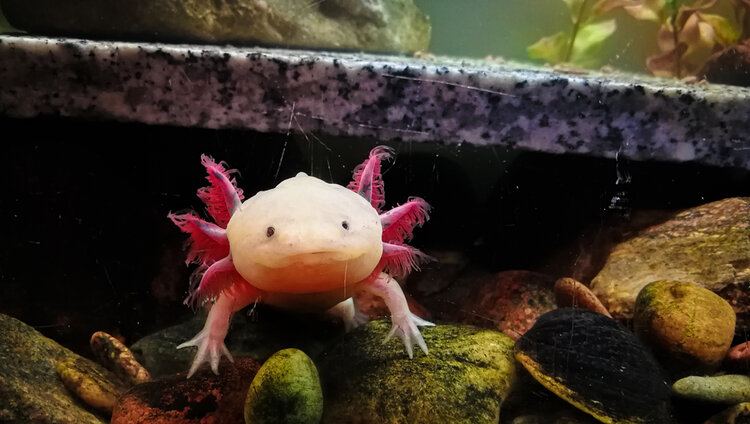
Another common cause of poor appetite in axolotls is overfeeding. While many people are used to pets that need to eat every day, adult axolotls only need to be fed a couple of times per week. Although not advisable, axolotls can even go for a couple of weeks without food.
Between feedings, axolotls require time to digest and metabolize their food. While trying to digest, axolotls are unlikely to eat again. If you are trying to feed too early, then you likely won’t succeed.
Why Is My Axolotl Not Growing?
The obvious cause of the lack of growth in an axolotl is not feeding them enough. While they can go long periods without eating, exceeding more than a few days between feedings can prevent growth. Hatchling and juvenile axolotls, may grow very slowly if not being fed at least daily.
Poor water quality can impact the growth of an axolotl, as well as being kept in an inappropriate water temperature. While warmer water often boosts the growth of many aquatic animals, water over a certain level will begin to do more harm than good.
If your water parameters are out of whack, your axolotl may not grow properly. Ammonia and nitrites, as well as high levels of nitrates, can lead to stunted growth, as well as a host of medical issues.
Conclusion
Axolotls are fun and interesting pets to keep, but they have specific needs. If their needs aren’t met, they are likely to develop serious issues, including a poor appetite and improper growth patterns or even weight loss. Providing an appropriate diet at appropriate intervals is necessary for these amphibians, as is providing them with an appropriate water temperature and high-quality water.
Sources
You Might Also Be Interested In: Are Axolotls an Endangered Species?
Featured Image Credit: Arm001, Shutterstock
Get Hepper In Your Inbox


Pet care tips from our vets and experts, straight to your inbox.
You may opt-out at any time. View our Privacy Policy for more information.

After nine years as a veterinary assistant, Brooke Billingsley transitioned to a career as a nurse in 2013. She lives in Arkansas with her boyfriend, sharing their home with three dogs, two cats, five fish, and two snails. A dedicated animal lover, Brooke has a special place in her heart for special needs pets, including a three-legged senior dog and a famous cat with acromegaly and cerebellar hypoplasia. Fish keeping is one of her hobbies, and she is constantly improving her knowledge to care for her aquarium pets. Brooke is an active yoga enthusiast, having obtained her 200-hour yoga teacher certification in 2020. She believes in the importance of continuous learning and dedicates time each day to developing new skills and expanding her knowledge.
Join the conversation
Ask a question, share your story, or send private feedback.