Hepper is reader-supported. When you buy via links on our site, we may earn an affiliate commission at no cost to you. Learn more.
5 Homemade Fish Foods You Can Make Today (Vet Approved Recipes)


In this article
Making your fish food is a fun and rewarding experience and a great way to get more involved with fish nutrition. You get to alter the ingredients in the fish food and create a food that is ideal for the species of fish you are keeping, which ensures that the fish's nutritional requirements are being met without any unnecessary fillers or low-quality ingredients.
So, if you have the time and money to create homemade food for your fish, then these are some simple recipes to start with.
Note: Each homemade fish food recipe requires a fish vitamin to prevent nutritional deficiencies if it's to be fed as a staple diet, such as the Boyd Enterprise Vitachem for freshwater or marine fish.

The 5 Easy Homemade Fish Foods
1. Veggie and Gelatin Fish Food
Veggie and Gelatin Fish Food
This fish food is suitable for herbivorous or omnivorous fish, and you can feed it to your fish by dropping the ice block into the tank or defrosting it back to its gel consistency.
5 stars
Prep time
25 min
Ingredients
- 2 sachets unsweetened gelatin
- Fish vitamins
- ½ cup Seafood mix
- 3 cups Vegetable mix (carrots, peas, broccoli, or zucchini)
- ½ garlic clove
Instructions
- Start by steaming the 3 cups of the vegetable mix until soft.
- Boil the seafood mix until soft then rinse under cool water.
- Puree the vegetables along with ½ clove of garlic and 1-2 drops of fish vitamins until a paste-like consistency.
- Follow the instructions for the 2 gelatin sachets to boil.
- Once the gelatin has cooled down, mix it with the vegetables and seafood.
- Place the mixture in ice cube trays and freeze until needed.
Note: Please do not use garlic if you intend to feed this treat to pet aquatic snails.
2. Raw Meaty Fish Food
Raw Meaty Fish Food
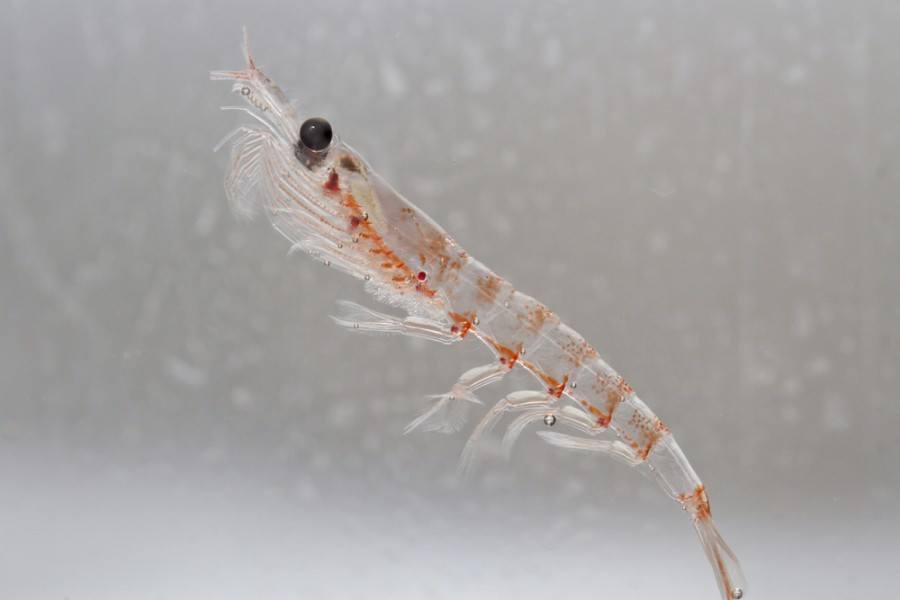
Now you have a protein-rich fish food that you can offer to carnivorous or omnivorous fish like cichlids. The food can either be offered in a frozen or refrigerated gel-like consistency.
Total time
35 min
Ingredients
- 3 cups vegetables (can be skipped for pure carnivores
- 3 sachets unsweetened gelatin
- Fish vitamins
- 150 grams shrimp
- 100 grams krill or fish-friendly meal insects
- 60 grams daphnia
Instructions
- Boil or steam 3 cups of vegetables until cooked.
- Follow the cooking directions for boiling the 3 packets of gelatin.
- Remove the shell from the shrimp.
- Use a blender to combine the raw shrimp, white fish, and beef heart until it forms a puree.
- Add 1-2 drops of fish vitamins as per the directions on the bottle to the mixture and mix well.
- Allow the mixture to cool and refrigerate on a baking sheet or freeze in ice cube trays.
Notes
3. Easy No-Cook Fish Food
Easy No-Cook Fish Food
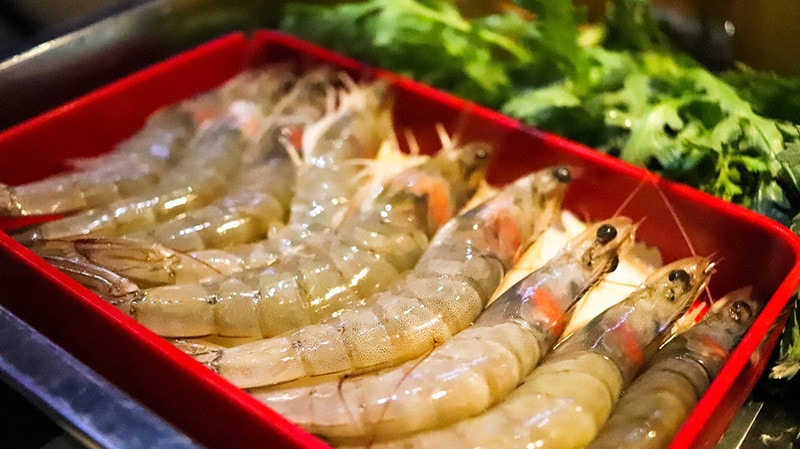
This is an easy and quick homemade fish food suitable for omnivorous fish that won’t take you very long to make because it does not need to be cooked. It can then be frozen in ice cube trays or stored in the fridge.
Total time
20 min
Ingredients
- 50 grams spinach
- 50 grams peas
- 50 grams carrots
- 20 grams cucumber
- 100 grams shrimp
- 150 grams daphnia/krill
- Fish vitamins
Instructions
- Chop up the spinach, peas, carrots, and cucumber into fine pieces.
- Deshell the shrimp and chop up the rest of the seafood.
- Use a blender to puree the mixture of vegetables and seafood until it has a smooth consistency.
- Add 1-2 drops of fish vitamins to the mixture and mix well.
Notes
4. Frozen Feast Fish Food
Frozen Feast Fish Food
This is the perfect feast for omnivorous or herbivorous fish, and it is high in fiber from carrots and plain oats, making it a great food for goldfish.
Total time
20 min
Ingredients
- 100 grams frozen peas
- ½ cup plain oats
- 2 sachets unsweetened gelatin
- 50 grams carrots
- 80 grams cauliflower
- 30 grams Brussels sprouts
- Fish vitamins
Instructions
- Blend the frozen peas, carrots, cauliflower, and Brussels sprouts into a puree.
- Cook ½ cup of plain and unsweetened oats.
- Add the cooked unsweetened oats into the blender with the vegetables and blend again.
- Boil the unsweetened gelatin and add it into the blender with the vegetables and oats.
- Blend the mixture until it has a smooth consistency.
- Add 1-2 drops of fish vitamins per bottle instructions and mix well.
Notes
5. Fruity Fish Food
Fruity Fish Food
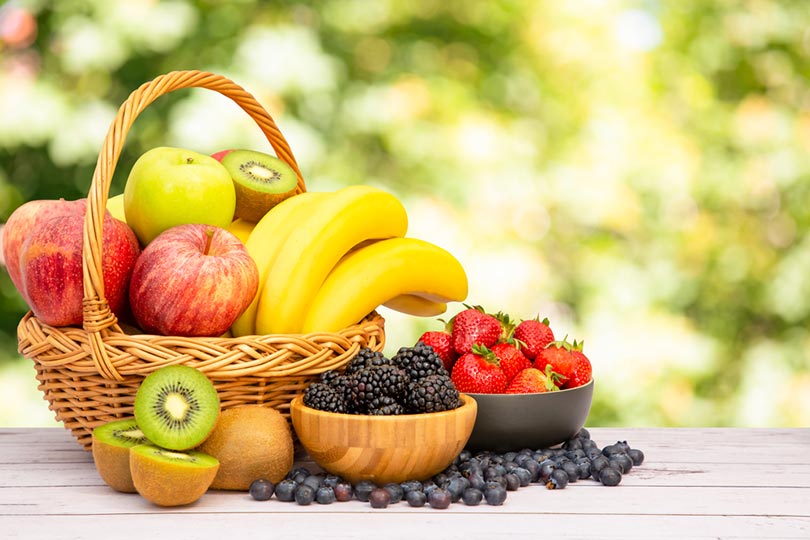
A sweet and tasty homemade fish food that is made entirely out of fresh fruit. It is easy to prepare, and perfect for fish that benefit from having fruit in their diet.
Total time
20 min
Ingredients
- 80 grams apple
- 3 strawberries
- 100 grams banana
- 50 grams mango
- 40 grams watermelon
- Fish Vitamins
Instructions
- Rinse the fruit well under a tap for several minutes then dry.
- Remove the skin of the banana, mango, apple, and watermelon, and chop off the leafy part of the strawberry.
- Blend the fruit until it is a puree.
- Add 1-2 drops of fish vitamins as per the bottle instructions.
- Mix well and store in the fridge or keep frozen till it is ready to be fed.
Notes

What to Know Before Making Homemade Fish Food
Most homemade fish foods should not be fed as a long-term staple diet for fish because they can lack certain nutrients that are found in commercial fish foods. Homemade fish foods should ideally be fed alongside a commercial fish food specifically formulated for the type of fish you are feeding it to. This will help prevent nutritional deficiencies, even if the homemade food is made with fish vitamins.
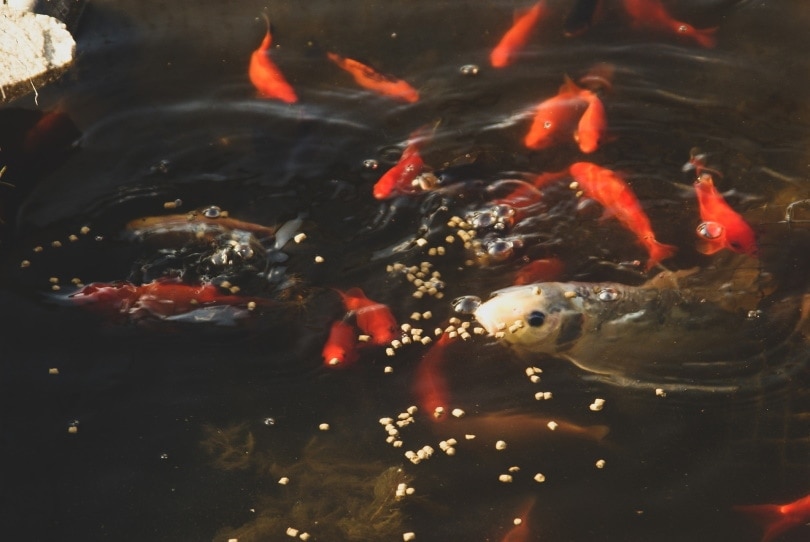
Homemade fish foods may cloud aquarium water and overfeeding homemade fish food may contribute to water problems, such as high ammonia. Only feed as much as the fish can consume within 2 minutes.
While you're feeding homemade foods to your fish, the water may also have a faint smell of the ingredients you used, and certain ingredients such as banana, fish, and broccoli. Using a second filter with aquarium charcoal can help remove most of the unpleasant smell from the water.
When you are handling raw seafood and meat, it is important to wash your hands and sanitize equipment, bowls, and utensils that have come into contact with the raw meat. Keep the food frozen and directly feed the food to the fish without thawing for too long to prevent bacteria contamination.
Conclusion
Making your food for your fish can be a nutritious and cheaper option, especially if you have many fruits and vegetables in your fridge already. It is best to feed homemade fish foods alongside commercial fish food instead of on its own.
While homemade fish foods do contain an assortment of vitamins and minerals for your fish, they shouldn't be fed as a long-term substitute to specifically formulated fish foods.
Sources
Featured Image Credit: Russell De Boer, Pixabay
Get Hepper In Your Inbox


Pet care tips from our vets and experts, straight to your inbox.
You may opt-out at any time. View our Privacy Policy for more information.
Lindsey discovered her passion for fish keeping after a junior high school field trip to the Shedd Aquarium in Chicago. Prior to becoming Editor-in-Chief of It's a Fish Thing, Lindsey studied marine biology at the University of California-Santa Cruz. She loves goldfish, tetras, and mystery snails, and recently began experimenting with a saltwater aquarium.
Join the conversation
Ask a question, share your story, or send private feedback.